Source 2-in-1 Olive Oil Hair Conditioner for Home, Salon, and Retail
Find and compare 30 listings for 2-in-1 Olive Oil Hair Conditioner suitable for all hair types. Evaluate options featuring moisturizing, smoothing, and nourishing properties from manufacturers in China with OEM services available.
Key considerations
Products List
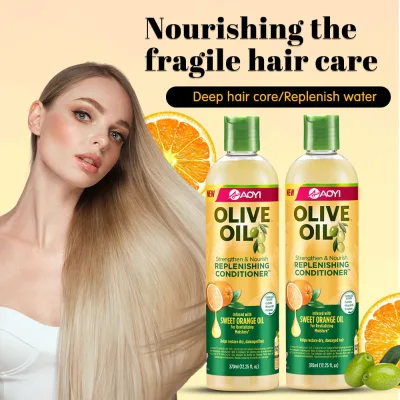
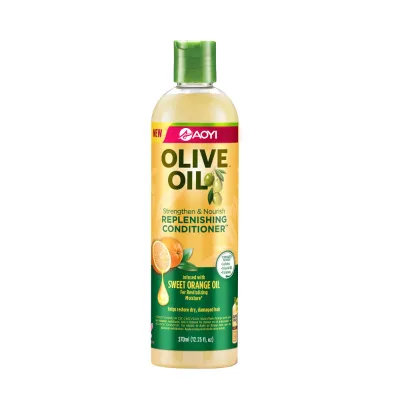


Hot Selling Hair Care Conditioner Cream Fully Pure Magic Elements Hair Conditioner
$0.38 - $1.58
MOQ: 10000 Pieces

OEM Private Label Hair Conditioner for Hair Moisturizing and Nourishing
$0.38 - $1.58
MOQ: 10000 Pieces

Private Label Fully Hair Care Nourishing Hair Conditioner for Hair Treatment
$0.38 - $1.58
MOQ: 10000 Pieces

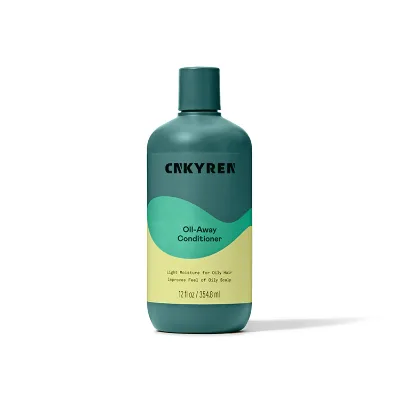
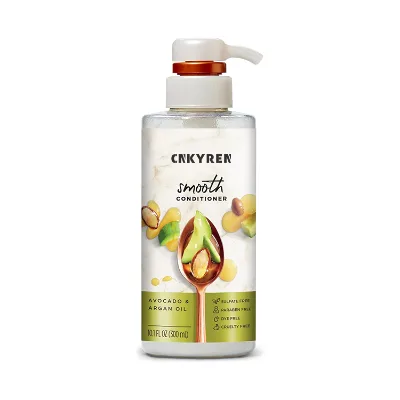





Comprehensive Sourcing Guide
2-in-1 Olive Oil Hair Conditioner Sourcing Guide
Sourcing a 2-in-1 olive oil hair conditioner requires a nuanced understanding of the intersection between rinse-off shampoo functionality and leave-in conditioning benefits. While the core keyword suggests a specific ingredient profile, the actual market data reveals a diverse landscape of formulations that may or may not contain olive oil, often substituting with argan oil, coconut oil, or herbal extracts. Buyers must navigate this ambiguity by focusing on the functional outcome—simultaneous cleansing and conditioning—rather than assuming a single ingredient standard. The observed product range includes items labeled as "Orange Hair Conditioner" or generic "Hair Conditioner" with varying model numbers, indicating that suppliers often use broad categorizations to appeal to multiple buyer segments. This necessitates a rigorous verification process where the specific ingredient list, particularly the presence and concentration of olive oil or its alternatives, is confirmed through direct supplier communication and sample analysis before any bulk commitment.
The procurement strategy for this category is heavily influenced by the OEM/ODM capabilities of manufacturers, primarily located in Guangdong, China, with specific origins noted in Guangzhou. These regions are hubs for cosmetic manufacturing, offering extensive customization options for branding, packaging, and formula concentration. The observed data indicates that suppliers accept OEM orders and provide samples, which is a critical step in validating the product’s suitability for your target market. However, the presence of conflicting specifications, such as varying single package sizes and gross weights, suggests that the "2-in-1" label may apply to different product tiers or formulations. Buyers should approach this sourcing task with a clear definition of their quality expectations, recognizing that the term "2-in-1" can range from a simple shampoo-conditioner hybrid to a more complex treatment product with leave-in properties, depending on the specific supplier’s formulation philosophy.
Product Scope and Observed Listing Signals
The observed product listings reveal a significant divergence between the core keyword and the actual attributes of available items. While the search term emphasizes olive oil, the supplied facts highlight ingredients such as argan oil, coconut oil, herbal extracts, and amino acids, with some products explicitly labeled as silicone-free and cruelty-free. This indicates that the market for "2-in-1" conditioners is broad, and buyers must carefully filter suppliers based on their specific ingredient preferences. The presence of products with "Main function: Nourishing Moisturizing Shampoo" and "Type: conditioner" suggests that many listings blur the line between shampoo and conditioner, offering a hybrid solution. Buyers should verify whether the product is truly a rinse-off 2-in-1 shampoo or a leave-in conditioner, as the application method and regulatory requirements differ significantly between these two types.
Another critical signal is the variation in product types and applications. The data includes items marked as "RINSE-OFF" and others as "Leave-on," which directly impacts the user experience and efficacy. For instance, a product with the model number BJX is described as a rinse-off formula, while another entry specifies "Type: Leave-on" and "Formula: Concentration." This inconsistency highlights the need for buyers to scrutinize the product form and usage instructions. Additionally, the "Suitable for: Alll Hair" and "hair type: CURLY HAIR" attributes suggest that some products are marketed as universal solutions, while others target specific hair textures. Buyers should align their sourcing decisions with their target demographic, ensuring that the product’s claimed benefits, such as smoothing, anti-frizz, or hair-repairing, match the needs of their customers.
Technical Specifications to Verify
Technical verification begins with the physical specifications of the product, including volume, packaging, and weight. The observed data shows a wide range of single package sizes, from 25X8X8 cm to 30X20X30 cm, and varying gross weights, such as 0.700 kg and 1.350 kg. These discrepancies suggest that suppliers may offer different container sizes or packaging materials, which can affect shipping costs and shelf presence. Buyers should confirm the exact volume of the product, as some listings mention standards like 10-30ml or 50~500ml, indicating that the product may be available in multiple sizes. Additionally, the "prod_packing" details, such as "12128" or "Carton Box," provide insight into the bulk packaging, which is crucial for logistics planning. Verifying these specifications ensures that the product fits within your supply chain constraints and retail requirements.
The formula and ingredient composition are equally critical technical aspects to verify. The data lists ingredients such as herbal extracts, amino acids, coconut oil, organic components, argan oil, and keratin, with some products being silicone-free. Buyers must determine the specific concentration of active ingredients, as some listings mention "Formula: Concentration," which may imply a higher potency or a more specialized formulation. The "Main Service: OEM / ODM" attribute indicates that suppliers can customize the formula, allowing buyers to tailor the product to their brand’s unique selling proposition. However, this also means that the base formula may vary between suppliers, so buyers should request detailed ingredient lists and safety data sheets to ensure the product meets their quality and safety standards. Verifying the presence of key ingredients, such as olive oil if that is a core requirement, is essential to avoid misalignment with market expectations.
Compliance and Safety Documentation
Compliance and safety are paramount in the hair care industry, and buyers must ensure that all products meet the regulatory requirements of their target markets. The observed data mentions "Cruelty-Free" and "Organic" attributes, which are important marketing claims but require verification through appropriate certifications. Buyers should request documentation such as ISO certifications, GMP (Good Manufacturing Practice) compliance, and any relevant organic or cruelty-free certifications from recognized bodies. These documents provide assurance that the product is manufactured under controlled conditions and meets ethical standards. Additionally, the "Shelf Life: 3 years" attribute indicates the product’s stability, but buyers should verify the expiration date marking and storage conditions to ensure the product remains effective throughout its lifecycle.
Safety data sheets (SDS) and ingredient declarations are essential for compliance, particularly for products containing active ingredients like keratin or amino acids. Buyers should ensure that the supplier provides a complete ingredient list, including INCI names, to facilitate regulatory compliance in different regions. The "Silicone-Free" claim, for example, must be substantiated by the ingredient list to avoid misleading consumers. Furthermore, buyers should verify that the product has undergone necessary safety assessments, including dermatological testing, to ensure it is safe for use on all hair types, as claimed in some listings. This is particularly important for products marketed as "For Home Use" and "Suitable for: Alll Hair," as they will be used by a diverse consumer base. Ensuring that the product meets all local regulatory requirements, including labeling and packaging standards, is crucial to avoid legal issues and protect brand reputation.
Cost Drivers and Commercial Terms
Cost drivers in the 2-in-1 hair conditioner market include raw material prices, manufacturing complexity, and packaging requirements. The observed MOQ range of 20-100000 pieces indicates that suppliers offer flexible order quantities, which can impact the unit price. Lower MOQs may result in higher per-unit costs due to setup and production inefficiencies, while larger orders can benefit from economies of scale. Buyers should negotiate based on their volume requirements, considering the trade-off between inventory holding costs and unit price savings. The "OEM/ODM: Accepted OEM" attribute suggests that customization may incur additional costs, such as mold fees for packaging or formula development charges. Buyers should clarify these costs upfront to avoid unexpected expenses.
Commercial terms also play a significant role in the total cost of ownership. The observed data mentions "Sample: Availalble" and "Sample: Freely," which can help buyers evaluate the product before committing to a large order. However, buyers should confirm whether sample costs are refundable upon placing a bulk order. Additionally, the "Place of origin: Guangdong, China" and "prod_origin: Guangzhou" indicate that shipping costs will be influenced by logistics from these regions. Buyers should consider freight forwarders and incoterms to manage shipping expenses effectively. The "Package: 60pcs/ctn" detail provides insight into bulk packaging, which can affect handling and storage costs. Understanding these commercial terms allows buyers to make informed decisions that balance cost, quality, and supply chain efficiency.
Supplier Qualification and Quality Control
Supplier qualification is a critical step in ensuring the reliability and consistency of the 2-in-1 hair conditioner supply. Buyers should assess suppliers based on their manufacturing capabilities, quality control processes, and track record. The "PREMIUM GRADE" attribute suggests a focus on quality, but buyers should verify this through site audits or third-party inspections. Requesting references from other clients can provide insight into the supplier’s reliability and customer service. Additionally, the "OEM/ODM: Accepted OEM" capability indicates that the supplier can handle custom orders, but buyers should evaluate their ability to maintain consistency across batches. This is particularly important for products with specific ingredient profiles or packaging requirements.
Quality control measures should be established to ensure that the product meets the agreed-upon specifications. Buyers should implement incoming quality checks, including visual inspections, weight verification, and ingredient analysis. The "Single gross weight" and "Single package size" specifications provide benchmarks for these checks. Additionally, buyers should consider conducting stability testing to ensure the product remains effective over its shelf life. The "Shelf Life: 3 years" attribute suggests that the product is stable, but buyers should verify this through accelerated aging tests if necessary. Establishing a robust quality control process helps mitigate risks and ensures that the product meets customer expectations, protecting brand reputation and reducing the likelihood of returns or complaints.
Long-Term Procurement Checks
Long-term procurement success depends on continuous monitoring of supplier performance and market trends. Buyers should establish key performance indicators (KPIs) to track supplier reliability, including on-time delivery rates, product quality consistency, and responsiveness to issues. Regular communication with suppliers is essential to address any emerging challenges, such as raw material shortages or regulatory changes. The "OEM/ODM: Accepted OEM" capability suggests that suppliers can adapt to changing market demands, but buyers should ensure that these adaptations are managed effectively to maintain product integrity. Additionally, buyers should stay informed about industry trends, such as the growing demand for organic or cruelty-free products, to align their sourcing strategy with consumer preferences.
Market analysis is also crucial for long-term procurement planning. Buyers should monitor competitor offerings and pricing strategies to ensure their products remain competitive. The observed price range of 0.35-80 USD indicates a wide spectrum of product tiers, allowing buyers to position their products strategically. However, buyers should avoid competing solely on price, focusing instead on value-added features such as unique ingredients or superior packaging. The "Customization: Available" attribute suggests that suppliers can offer differentiated products, which can help buyers stand out in a crowded market. By maintaining a proactive approach to supplier management and market analysis, buyers can build a resilient supply chain that supports long-term growth and profitability.
FAQs
What is the main function of this conditioner?
The main function is nourishing and moisturizing for hair care. It features a 2-in-1 formula designed to repair, smooth, and reduce frizz while providing essential nutrients to all hair types.
Can I get samples before placing a bulk order?
Samples are available for this product line. Buyers can request them to verify quality before committing to larger quantities, ensuring the product meets specific needs for home use.
Which ingredients are used in this hair conditioner?
Key ingredients include herbal extracts, amino acids, coconut oil, argan oil, and keratin. The formula is organic, silicone-free, and cruelty-free to ensure safe and effective hair treatment.
What is the minimum order quantity for this item?
The minimum order quantity is 60 pieces per order. This MOQ applies to the standard packaging configuration, which typically contains 60 pieces per carton for efficient shipping.
Does the supplier offer OEM or ODM services?
Yes, OEM and ODM services are accepted for this product. Buyers can request custom branding or formulation changes to align with their specific market requirements and brand identity.
Where is this product manufactured and what is the shelf life?
The product originates from Guangdong, China, with some items sourced from Guangzhou. It has a shelf life of 3 years when stored properly, ensuring long-term usability for distributors.