Source African Style Baby Tutu Dress for parties, photos, and daily wear
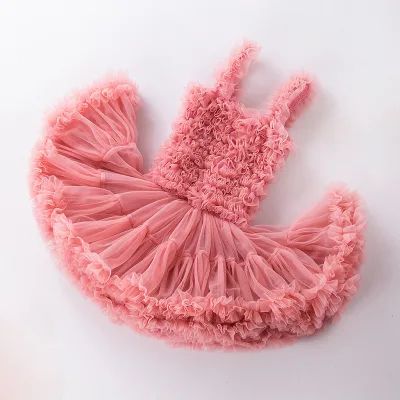
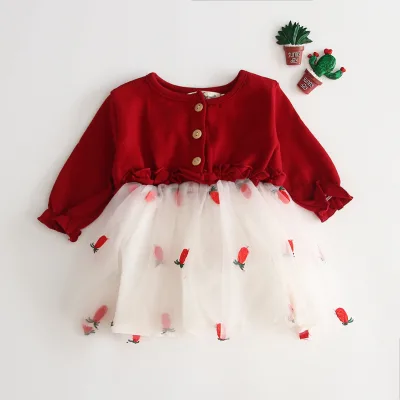
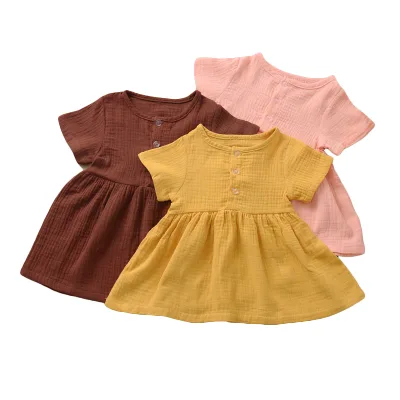
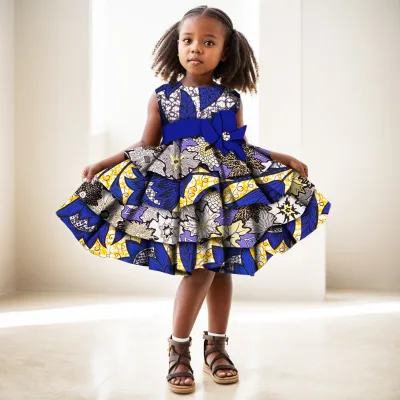
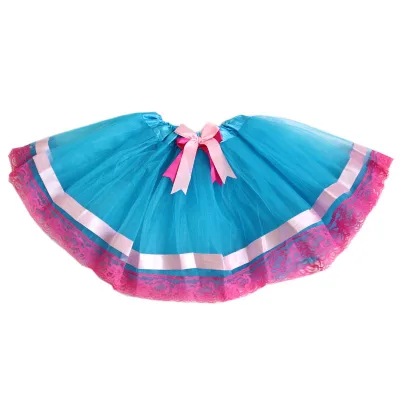
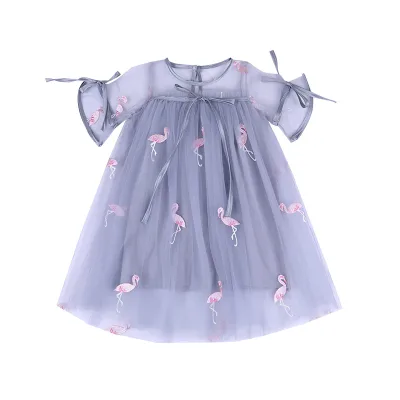
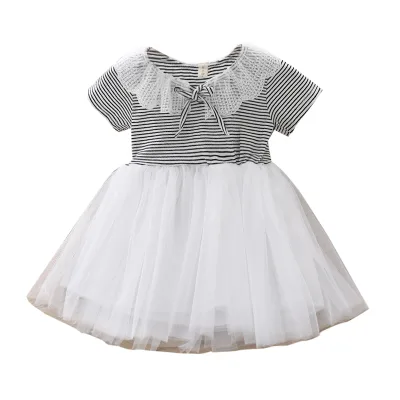
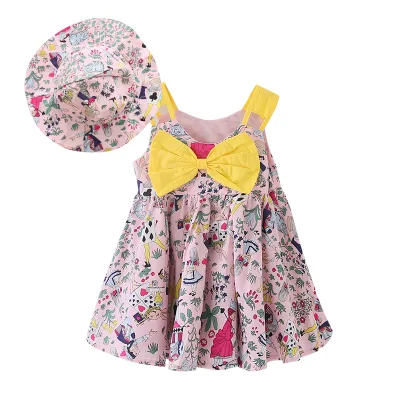
Compare 30 listings of African Style Baby Tutu Dress options featuring varied materials like cotton and polyester, styles including pleated skirts and rompers, and customization services for infants and toddlers. Compare the available evidence and request quotations based on your requirements.
Updated
Key considerations
Products List


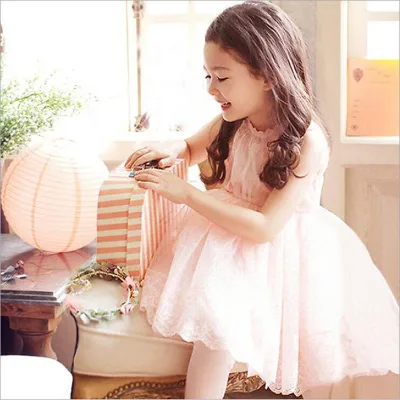
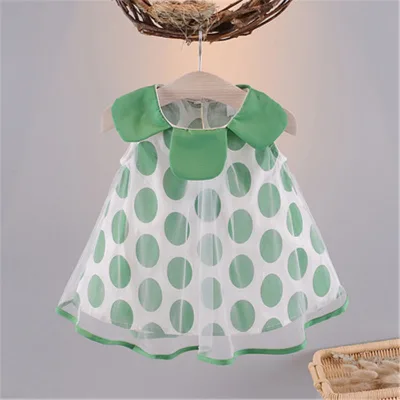
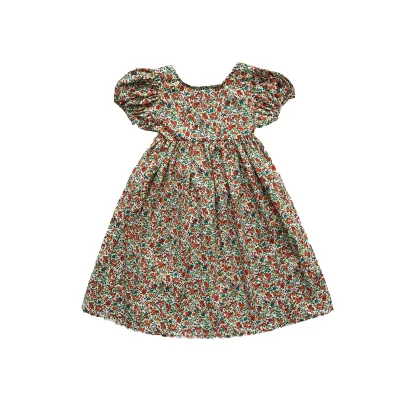
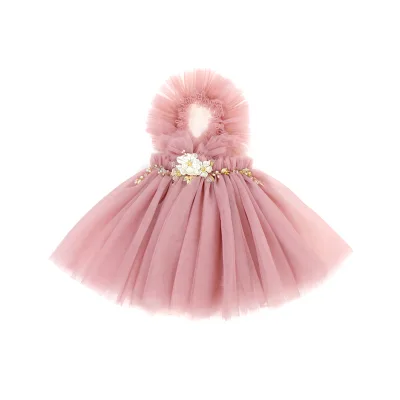



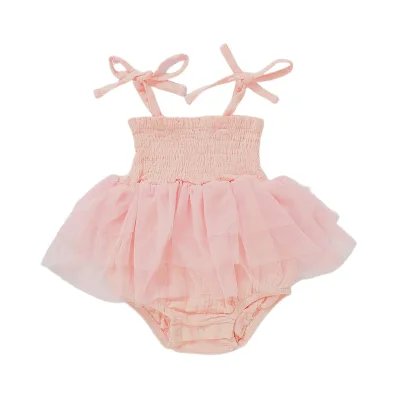


Comprehensive Sourcing Guide
African Style Baby Tutu Dress Sourcing Guide
Sourcing children’s apparel requires a meticulous balance of aesthetic appeal, material safety, and commercial viability. Buyers must navigate a complex supply chain where visual trends often clash with strict regulatory requirements for infant wear. This guide provides a structured approach to evaluating suppliers and products, ensuring that procurement decisions are grounded in verified data rather than marketing claims. By focusing on observable listing signals and technical specifications, buyers can mitigate risks associated with quality inconsistencies and compliance failures.
The following sections detail the critical steps for validating product attributes, verifying supplier capabilities, and establishing robust quality control protocols. Each section is designed to help procurement professionals make informed decisions that align with brand standards and market demands. The focus remains on evidence-based verification, ensuring that every aspect of the sourcing process is transparent and defensible. This disciplined approach minimizes the likelihood of costly errors and enhances the overall reliability of the supply chain.
Product Scope and Observed Listing Signals
The current market landscape for baby apparel includes a diverse range of styles, from casual rompers to formal dresses, with varying material compositions and design features. Observed listings indicate a price range of 1-28.9 USD, suggesting significant variation in quality and production methods. Buyers should note that the minimum order quantity (MOQ) ranges from 1 to 200 units, offering flexibility for both small-scale testing and larger bulk orders. This variability allows buyers to tailor their procurement strategy to their specific inventory needs and risk tolerance.
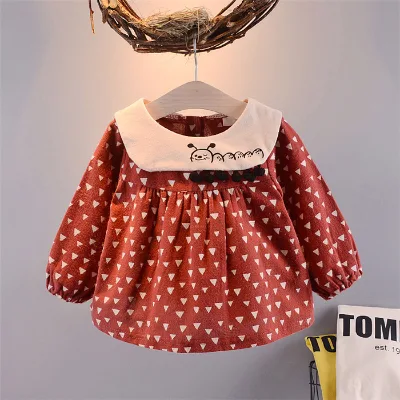
Specific product attributes observed include customization options, with some items featuring printed techniques and others handmade details. Materials range from 100% cotton to polyester and nylon, each offering distinct benefits in terms of comfort, durability, and care requirements. Seasonal variations are also evident, with products designed for spring, autumn, and summer wear. Buyers must carefully review these attributes to ensure they align with their target market’s preferences and regulatory requirements, avoiding assumptions about material safety or performance based solely on visual appearance.
Technical Specifications to Verify
Technical verification is crucial for ensuring that products meet the intended use cases and quality standards. Buyers should confirm the specific model numbers, such as A031, 24-002, and 1502, to trace production batches and ensure consistency. Size specifications vary, with some items offering standard sizes like S, while others accept customized dimensions. This flexibility is particularly important for infant wear, where fit and comfort are paramount. Buyers must verify that size charts are accurate and that customization options are clearly defined to avoid sizing discrepancies.
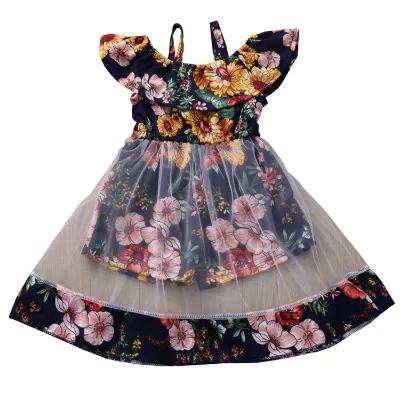
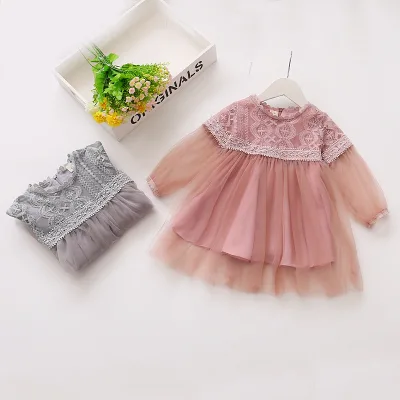
Material composition and construction techniques also require close scrutiny. Products may feature round necks, ruffle necks, or shoulderless designs, each with different implications for comfort and safety. Sleeve styles range from long to short, and some items are sleeveless, which may impact seasonal suitability. Buyers should verify that materials are appropriately labeled and that construction techniques, such as knitting or printing, are consistent with the product’s intended durability and care instructions. This verification process helps prevent issues related to material degradation or construction failures.
Compliance and Safety Documentation
Compliance with safety standards is non-negotiable in the children’s apparel industry. Buyers must ensure that all products meet relevant regulatory requirements, including those related to flammability, chemical content, and physical safety. While specific certification statuses are not provided in the observed data, buyers should request documentation from suppliers to verify compliance with standards such as OEKO-TEX, which addresses harmful substances in textiles. This documentation is essential for mitigating legal risks and ensuring that products are safe for infant wear.
Buyers should also verify that suppliers have robust quality control processes in place to ensure consistent compliance. This includes regular testing of materials and finished products to identify potential hazards. Suppliers should be able to provide test reports from accredited laboratories, confirming that products meet all applicable safety standards. By prioritizing compliance, buyers can protect their brand reputation and ensure that their products are safe for consumers, reducing the risk of recalls or legal action.
Cost Drivers and Commercial Terms
Understanding the factors that influence pricing is essential for effective procurement planning. The observed price range of 1-28.9 USD reflects variations in material costs, production techniques, and order volumes. Buyers should analyze these cost drivers to identify opportunities for negotiation and cost optimization. For instance, products made from 100% cotton may have different cost structures compared to those made from polyester or nylon. Understanding these differences allows buyers to make informed decisions about material selection and budget allocation.
Commercial terms, including MOQs and lead times, also play a significant role in procurement strategy. The observed MOQ range of 1-200 units offers flexibility, but buyers should consider the implications of ordering in smaller versus larger quantities. Smaller MOQs may be suitable for testing new designs, while larger orders can benefit from economies of scale. Buyers should negotiate clear terms regarding payment, shipping, and returns to ensure a smooth procurement process. Transparent commercial terms help build trust with suppliers and reduce the risk of misunderstandings.
Supplier Qualification and Quality Control
Supplier qualification is a critical step in ensuring the reliability and consistency of the supply chain. Buyers should conduct thorough due diligence to verify supplier credentials, including their production capabilities, quality control processes, and compliance with safety standards. Suppliers should be able to provide evidence of their experience in producing children’s apparel, including references from previous clients. This verification process helps identify suppliers who are capable of meeting the buyer’s requirements and maintaining high standards of quality.
Quality control measures should be established to ensure that products meet the specified standards. Buyers should implement regular inspections and testing protocols to identify potential issues early in the production process. This includes verifying material composition, construction techniques, and final product quality. Suppliers should be required to provide detailed quality reports, including test results and inspection records. By maintaining rigorous quality control, buyers can minimize the risk of defects and ensure that their products meet customer expectations.
Long-Term Procurement Checks
Long-term procurement success depends on continuous monitoring and evaluation of supplier performance. Buyers should establish key performance indicators (KPIs) to track supplier reliability, product quality, and compliance with safety standards. Regular reviews of supplier performance help identify areas for improvement and ensure that suppliers remain aligned with the buyer’s requirements. This ongoing evaluation process helps build a strong, resilient supply chain that can adapt to changing market conditions and customer demands.
Buyers should also maintain open communication with suppliers to address any issues promptly and effectively. Regular feedback sessions and collaborative problem-solving can help strengthen the relationship and improve overall performance. By fostering a partnership approach, buyers can encourage suppliers to invest in quality improvement and innovation. This long-term focus on supplier development and relationship management helps ensure sustained success in the competitive children’s apparel market.
FAQs
What materials are used for these baby dresses?
The available options include 100% Cotton, 100% Polyester, and Nylon fabrics. Cotton and Polyester variants feature printed or handmade techniques with long or short sleeves. Nylon selections are often sleeveless. Buyers can choose based on comfort preferences and seasonal needs for spring, summer, or autumn wear.
Can I customize the size for these garments?
Yes, customization is available for size requirements. Some models accept customized sizes, while others offer standard measurements like S or specific stature ranges from 90cm to 140cm. The supplier provides OEM service to accommodate specific sizing needs, ensuring a proper fit for infants, toddlers, and older girls.
What is the minimum order quantity for these items?
The minimum order quantity varies by product model. Some items have an MOQ of just 5 pieces, while others may require up to 200 units. Buyers should check the specific model number, such as A031 or 24-002, to determine the exact MOQ applicable to their order volume and budget.
Which styles are available for girl's clothing?
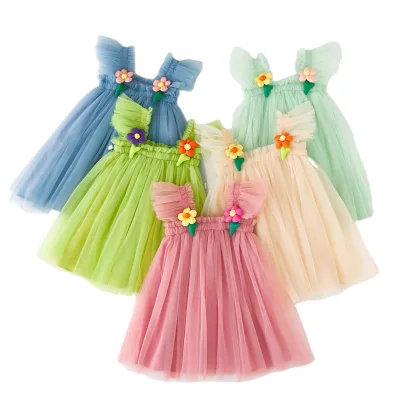
Styles include Sweet, Casual, and general Daily wear options. Products feature designs like pleated skirts, rompers, and dresses with round necks or ruffle collars. Some items are shoulderless or sleeveless. The colorful prints and knitted or printed techniques cater to various aesthetic preferences for spring and summer seasons.
Where are these baby clothes manufactured?
These garments are manufactured in China. The products are packed in cartons with standard dimensions of 45*45*20cm. Buyers sourcing from this origin can expect consistent production capabilities and packaging standards suitable for international shipping and retail distribution across various global markets.