Source Inconel Nickel Chromium Alloy for Chemical, Medical, Industrial
Compare 30 listings of Inconel Nickel Chromium Alloy from verified Chinese suppliers. Buyers can evaluate specifications like wall thickness, material grades, and certifications for use in chemical, medical, and industrial applications; compare the available evidence and request quotations based on your requirements.
Updated
Key considerations
Products List








Comprehensive Sourcing Guide
Inconel Nickel Chromium Alloy Sourcing Guide
Procuring Inconel Nickel Chromium Alloy requires a disciplined approach to material verification and supplier qualification. These high-performance alloys are essential for applications demanding resistance to extreme temperatures, corrosion, and mechanical stress. Buyers must navigate a complex landscape of grades, including Inconel 600, 625, and Hastelloy C276, each offering distinct chemical and physical properties. The sourcing process begins with a clear definition of technical requirements, ensuring that the selected alloy meets the specific operational demands of the end product.
This guide provides evidence-based procurement strategies for sourcing Inconel Nickel Chromium Alloy. It focuses on verifying technical specifications, understanding compliance requirements, and evaluating commercial terms. By adhering to these guidelines, buyers can mitigate risks associated with material non-conformance and supply chain disruptions. The objective is to establish a robust procurement framework that supports long-term operational reliability and cost efficiency in industrial and specialized applications.
Product Scope and Observed Listing Signals
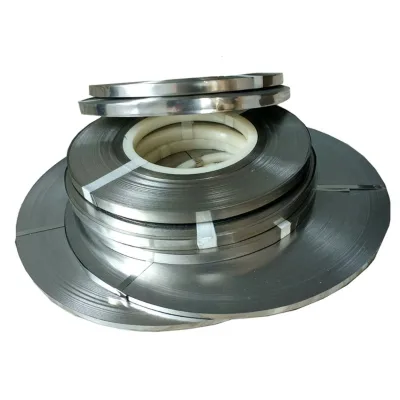
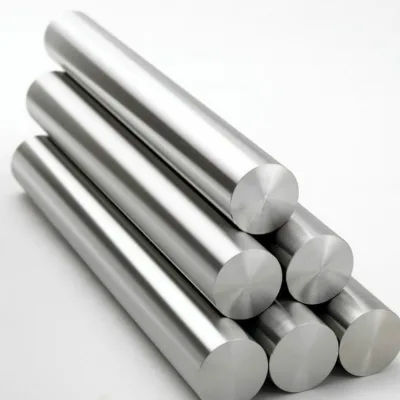
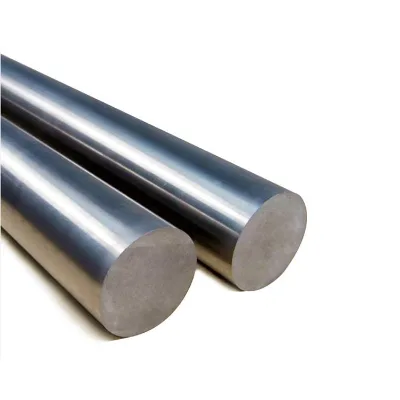
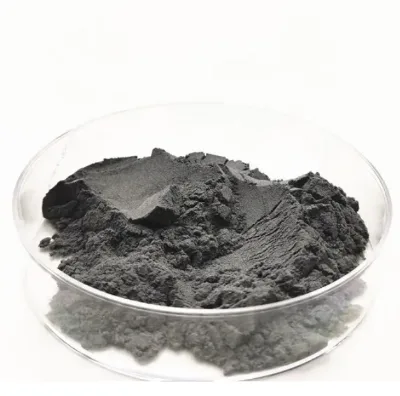
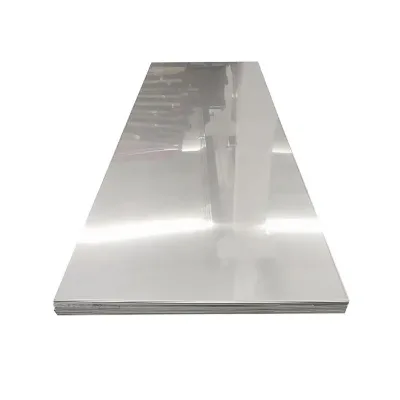
The observed market for Inconel Nickel Chromium Alloy includes a variety of forms, such as pipes, coils, and plates, with specific models like Sbk-Ni-24-3 and Inconel 600 appearing in listings. Product attributes indicate a wide range of wall thicknesses, from 0.08mm to 3mm for pipes, and up to 300mm for steel plates, suggesting versatility in manufacturing applications. Buyers should note that while some listings mention "Cold Rolled Steel Coil," the core material focus remains on nickel-based alloys, requiring careful distinction between product types and material grades to avoid misclassification.
Listing signals also reveal diverse packaging and origin details, with products originating from regions like Henan and Jiangsu in China, packed in wooden cases, pallets, or cartons. The presence of customization options and free samples indicates a flexible supplier base, but buyers must verify that these offerings align with their specific tolerance requirements, such as +/-0.02mm or 10%. Understanding these listing nuances helps in filtering suppliers who can meet precise dimensional and material specifications, ensuring that the procured items are suitable for intended uses in chemical, medical, or industrial sectors.
Technical Specifications to Verify
Verifying technical specifications is critical when sourcing Inconel Nickel Chromium Alloy, particularly regarding material composition and mechanical properties. Buyers should confirm that the alloy meets standards such as AISI, ASTM, BS, DIN, GB, and JIS, which govern chemical composition and mechanical performance. Key properties to verify include density, elongation, and ultimate strength, with observed values indicating a density of 8.47, elongation of 20-40%, and ultimate strength of at least 300 MPa. These parameters ensure the material can withstand the mechanical stresses and environmental conditions of its intended application.
Surface finish and processing methods also play a significant role in material performance, with polished surfaces and hot/cold drawing technologies being common. Buyers must ensure that the condition of the alloy, such as annealed state, is appropriate for the manufacturing process, as this affects formability and corrosion resistance. Additionally, width specifications, ranging from 15mm to 420mm, and thickness variations must be aligned with production requirements. Verifying these details prevents downstream issues in fabrication and ensures the final product meets quality and performance expectations.
Compliance and Safety Documentation
Compliance and safety documentation are essential for ensuring that Inconel Nickel Chromium Alloy meets regulatory and industry standards. Buyers should request certificates such as ISO9001 and RoHS, which indicate adherence to quality management and environmental safety standards. These certifications provide assurance that the supplier follows consistent manufacturing processes and that the material does not contain hazardous substances, which is particularly important for applications in medical, electronic, and aviation sectors.
In addition to certifications, buyers should verify that the material is not in powder form if solid components are required, as indicated by specific product attributes. Documentation should also include test reports that confirm the alloy's properties, such as melting range and tensile strength, against specified standards. Ensuring that all compliance documents are up-to-date and verifiable helps in maintaining product integrity and avoiding legal or safety issues in the supply chain, particularly for high-stakes industries where material failure can have severe consequences.
Cost Drivers and Commercial Terms
Cost drivers for Inconel Nickel Chromium Alloy include material composition, processing methods, and order volume, with observed price ranges varying significantly based on these factors. Buyers should consider the impact of customization, such as specific wall thicknesses or surface finishes, on pricing, as these additions can increase production costs. Understanding the relationship between material grade, such as Inconel 600 or 825, and cost helps in budgeting and selecting the most cost-effective option that meets technical requirements.
Commercial terms, including payment methods like T/T and packaging options, also influence the total cost of procurement. Buyers should negotiate terms that align with their cash flow and logistical capabilities, considering factors like lead times and shipping methods. The availability of free samples can be a valuable tool for evaluating material quality before committing to large orders, but buyers should be aware of any associated costs or conditions. Clear communication of commercial terms ensures transparency and reduces the risk of unexpected expenses during the procurement process.
Supplier Qualification and Quality Control
Supplier qualification is a critical step in sourcing Inconel Nickel Chromium Alloy, requiring a thorough assessment of manufacturing capabilities and quality control processes. Buyers should verify that suppliers have the necessary certifications and experience in producing nickel-based alloys, ensuring they can meet specific technical and compliance requirements. Evaluating the supplier's production technology, such as hot/cold drawing and polishing, helps in assessing their ability to deliver high-quality products consistently.
Quality control measures, including inspection protocols and testing procedures, should be clearly defined and agreed upon with the supplier. Buyers should request detailed quality reports and, if necessary, conduct third-party inspections to verify material properties and dimensions. Establishing a robust quality control framework helps in identifying and addressing potential issues early in the supply chain, reducing the risk of defects and ensuring that the procured alloy meets the required standards for performance and reliability.
Long-Term Procurement Checks
Long-term procurement checks involve continuous monitoring of supplier performance and material quality to ensure sustained reliability and compliance. Buyers should establish key performance indicators, such as delivery times, defect rates, and responsiveness to issues, to evaluate supplier effectiveness over time. Regular audits and reviews of supplier processes help in identifying areas for improvement and maintaining high standards of quality and service.
Additionally, buyers should stay informed about changes in industry standards and regulations that may affect the procurement of Inconel Nickel Chromium Alloy. This includes updates to material specifications, environmental requirements, and safety standards. By maintaining a proactive approach to supplier management and regulatory compliance, buyers can mitigate risks and ensure that their supply chain remains resilient and adaptable to changing market conditions, supporting long-term operational success.
FAQs
What materials are available for this alloy product?
Available materials include Incoloy840, 800, 825, Inconel 600, 625, and Hastelloy C276. These metals are offered in various forms such as pipes and sheets. The product is not powder and meets multiple international standards like AISI, ASTM, and DIN for industrial use.
Can I get free samples of the nickel alloy?
Yes, free samples are available for potential buyers to evaluate the product quality. This allows you to verify specifications like wall thickness and surface finish before placing a larger order. The samples help confirm the material properties such as density and elongation for your specific application needs.
What is the wall thickness range for the alloy sheets?
The wall thickness ranges from 0.08mm to 3mm for the available products. This specification allows for versatile applications in chemical, medical, and industrial sectors. The tolerance is maintained at plus or minus 0.02mm or 10% to ensure precision in manufacturing processes requiring strict dimensional control.
Which certifications do the manufacturers hold for these alloys?
Manufacturers hold ISO9001 and RoHS certifications for their production processes. These standards ensure quality management and compliance with environmental regulations. The products are sourced from China, specifically Henan and Jiangsu provinces, where factories adhere to these documented safety and quality protocols.
How is the product packed for international shipping?
Products are packed in wooden cases, wooden boxes, or cartons depending on the order. Standard seaworthy packing is also available to protect goods during transit. This packaging ensures the metal sheets and pipes remain undamaged while being shipped globally to meet various industrial and medical application requirements.
What is the melting range of the nickel alloy material?
The melting range for this nickel alloy is between 1354 and 1413 degrees Celsius. This high melting point makes it suitable for demanding environments in aviation and electronics. The material is supplied in an annealed condition to optimize its mechanical properties for specific engineering applications.
Can the product be customized for specific industrial needs?
Yes, customization is available to meet specific industrial requirements. Buyers can request tailored specifications such as width, thickness, or surface finish. The product supports various applications including denture processing and embedded materials, ensuring flexibility for diverse manufacturing projects across different sectors.