Source Tartan Knitted Baby Romper for newborns, toddlers, and girls
Compare 30 Tartan Knitted Baby Romper options from verified suppliers in China. Buyers can evaluate materials like 100% cotton and polyester blends, seasonal suitability, and customization availability for newborns and toddlers; compare the available evidence and request quotations based on your requirements.
Updated
Key considerations
Products List


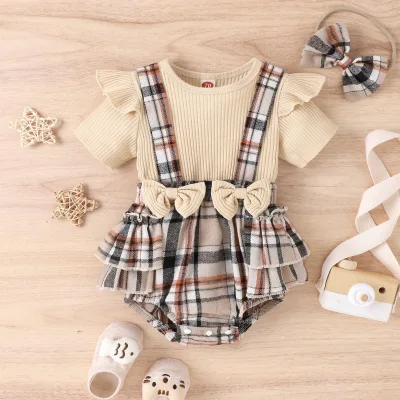
Cute Stripes Toddler Baby Knit Romper Baby Girls Cotton Baby Rompers
$4.9182 - $5.1865
MOQ: 100 pieces

Spring Baby Boys and Girls Jumpsuits Newborn Baby Knitted Romper Toddler
$12.00 - $20.00
MOQ: 2 pieces

New Style Pure Cotton Knitted Baby Romper Toddler Jumper Unisex Baby Knitwear
$8.00 - $19.00
MOQ: 1 pieces

Summer Newborn Baby Romper Short Sleeved Knitted Cotton Baby One-Piece Jumpsuit
$10.00 - $22.00
MOQ: 2 pieces


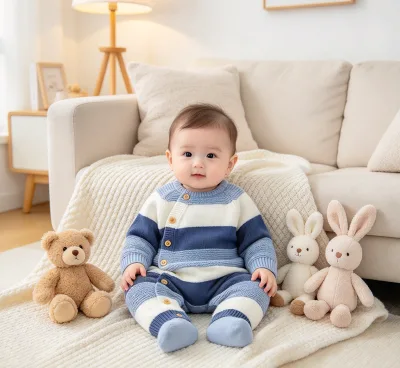
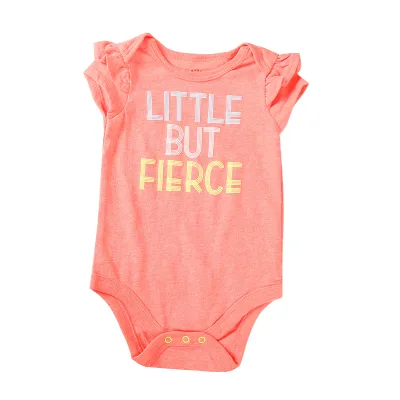
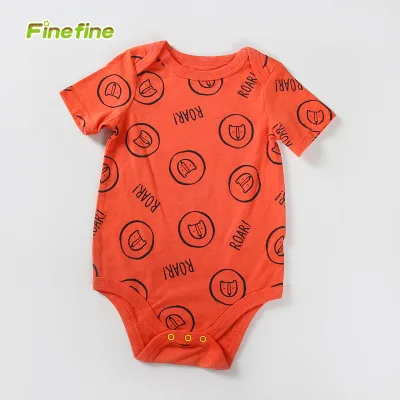
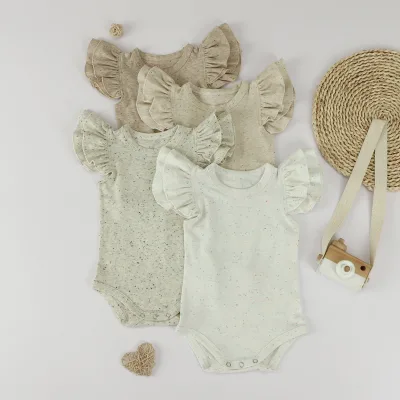
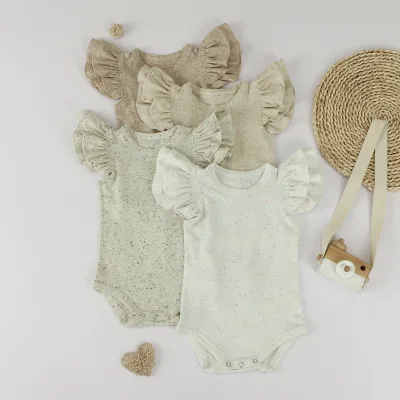
Wholesale baby ruffle sleeve romper Cotton Summer Bodysuits Baby Romper For Kids
$3.9034 - $7.6089
MOQ: 1 pieces
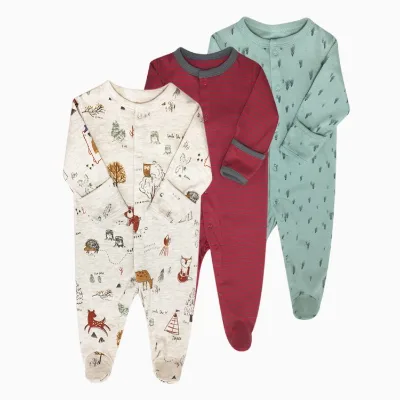
High Quality soft knitted children romper dot printed baby cotton romper for girls
$3.3982 - $4.428
MOQ: 5 pieces
Comprehensive Sourcing Guide
Tartan Knitted Baby Romper Sourcing Guide
Sourcing tartan knitted baby rompers requires careful attention to material composition and seasonal versatility, as observed listings indicate a diverse range of options available from Chinese manufacturers. Buyers should note that while the core keyword specifies tartan patterns, the actual product data reveals a mix of styles including solid colors like gray, print patterns, and striped designs. The observed inventory includes both 100% cotton and polyester-cotton blends, suggesting that suppliers may offer varied fabric compositions under similar product categories. It is crucial to verify the exact material content for each specific order, as the presence of polyester can affect breathability and comfort, which are critical for newborn and toddler garments.
The seasonal adaptability of these rompers is another key consideration, with listings indicating availability for winter, summer, and spring/autumn use. This implies that the knitting density and fabric weight can vary significantly between suppliers or even within the same supplier’s catalog. Buyers must clarify whether the tartan design is achieved through knitting techniques or surface printing, as this impacts durability and feel against the skin. Additionally, the gender specification in the data ranges from unisex to girl-specific, meaning that design elements such as button placement or cut may differ. Confirming these details early in the inquiry process helps prevent mismatches between expected and delivered product characteristics.
Product Scope and Observed Listing Signals
The observed market signals indicate a broad supply capability, with some suppliers listing a supply ability of 5000 sets per week and available quantities up to 10,000 sets. This suggests that established manufacturers can handle moderate to large volume orders without significant lead time delays for in-stock items. However, buyers should be aware that the minimum order quantity (MOQ) varies widely, ranging from as low as 1 piece for samples to 2000 pieces for bulk production. Some listings specify an MOQ of 100 pieces with mixed designs, which offers flexibility for smaller buyers or those testing new market trends. Understanding these thresholds is essential for aligning order sizes with inventory management strategies and cash flow constraints.
Packaging details also vary among suppliers, with options including individual OPP bags, polybags, or bulk cartons containing 50 pieces. This variability impacts logistics costs and retail presentation, so buyers should specify their preferred packaging method during the quotation phase. The presence of buttons is a common feature, which adds functionality for diaper changes but requires quality checks to ensure secure attachment. Furthermore, the observed price range of $1.05 to $22 USD highlights significant differences in perceived value, likely driven by material quality, brand positioning, and design complexity. Buyers should not assume that lower prices equate to lower quality but should request samples to evaluate the actual product before committing to large orders.
Technical Specifications to Verify
When verifying technical specifications, the model numbers and product codes provided by suppliers serve as unique identifiers for each design variant. Listings show models such as R014, sere-05, and IS-1580, which may correspond to different knitting patterns, sizes, or fabric blends. Buyers must ensure that the selected model matches the desired tartan pattern and color fastness requirements, as some listings explicitly mention colorfast properties while others do not. The neck shape is typically round, and sleeve styles are often long, but these attributes should be confirmed for each specific SKU to avoid receiving unintended styles. Additionally, the age group is frequently specified as newborn or suitable for 1-3 years, which dictates the sizing chart and fit expectations.
Material composition is a critical technical parameter, with observed listings showing both 100% cotton and polyester-cotton blends. Buyers should request detailed fabric specifications, including yarn count and knitting density, to ensure the garment meets comfort and durability standards. The presence of SGS certification in some listings suggests that third-party testing may be available, but buyers should verify the scope of this certification to ensure it covers relevant safety and quality metrics. Furthermore, the single package size of 15x10x8 cm provides a baseline for logistics planning, but this may vary for different packaging configurations. Confirming these technical details in writing before production begins helps prevent disputes and ensures that the final product aligns with procurement requirements.
Compliance and Safety Documentation
Compliance and safety documentation are paramount when sourcing baby garments, as regulatory standards vary by destination market. While some listings mention SGS certification, buyers should clarify whether this certification applies to the specific product line and covers all required safety tests, such as flammability, chemical content, and physical hazards. The mention of GOTS and OEKO-TEX in background contexts suggests that organic and eco-friendly certifications may be available, but these should not be assumed without explicit confirmation from the supplier. Buyers must request valid certificates and verify their authenticity through the respective certification bodies to ensure that the products meet international safety standards.
Additionally, buyers should inquire about the supplier’s quality control processes and whether they conduct internal testing for color fastness and shrinkage. The observed listings indicate that some products are described as "colourfast," but this claim should be backed by test reports. It is also important to verify that the buttons and any other accessories are securely attached and meet safety standards for small parts, especially for garments intended for newborns. Buyers should ensure that all compliance documentation is provided in English and is recognized in their target market. Establishing clear compliance requirements in the purchase contract helps protect against regulatory risks and ensures that the products can be legally sold and distributed.
Cost Drivers and Commercial Terms
Cost drivers for tartan knitted baby rompers include material costs, labor, and the complexity of the knitting pattern. The observed price range of $1.05 to $22 USD reflects these variations, with higher prices likely associated with premium materials like 100% cotton or more intricate designs. Buyers should analyze the cost breakdown to understand where value is added, such as in fabric quality or design uniqueness. Payment terms also vary, with options including T/T, PayPal, and Western Union, which can impact cash flow and risk management. Buyers should negotiate favorable payment terms, such as a deposit with the balance against a copy of the bill of lading, to mitigate financial risk.
Lead times are another critical commercial factor, with some suppliers offering 7-day sample order lead times and others not supporting samples at all. This variability can affect time-to-market, especially for seasonal products. Buyers should confirm production lead times for bulk orders and factor in potential delays due to material sourcing or production bottlenecks. The availability of in-stock items can reduce lead times, but buyers should verify that the stock matches their specific requirements. Additionally, buyers should consider the cost of shipping and customs duties, which can significantly impact the total landed cost. Clear communication of commercial terms and expectations helps ensure a smooth procurement process and avoids unexpected expenses.
Supplier Qualification and Quality Control
Supplier qualification involves assessing the manufacturer’s production capacity, quality management systems, and track record. The observed supply ability of 5000 sets per week indicates that some suppliers have substantial production capabilities, but buyers should verify this through factory audits or third-party inspections. It is important to check whether the supplier has experience in producing baby garments and adheres to relevant quality standards. Buyers should request references or case studies from previous clients to gauge the supplier’s reliability and consistency. Additionally, verifying the supplier’s location, such as Shanghai or Guangdong in China, can provide insights into their logistical advantages and supply chain efficiency.
Quality control measures should be clearly defined and agreed upon before production begins. Buyers should specify inspection criteria, including visual checks, measurements, and functional tests for buttons and zippers. The option for sample orders, supported by some suppliers, allows buyers to evaluate product quality before committing to bulk production. Buyers should insist on pre-production samples to confirm that the tartan pattern, color, and material meet their specifications. Post-production inspections, such as AQL sampling, can help identify defects before shipment. Establishing a robust quality control process helps minimize the risk of receiving substandard products and ensures that the final goods meet buyer expectations.
Long-Term Procurement Checks
Long-term procurement checks involve continuous monitoring of supplier performance and market trends to ensure sustained value. Buyers should regularly review supplier delivery times, product quality, and responsiveness to issues. Establishing key performance indicators (KPIs) for suppliers, such as on-time delivery rate and defect rate, helps track performance over time. Buyers should also stay informed about changes in material costs and regulatory requirements that may impact sourcing decisions. Regular communication with suppliers can foster stronger relationships and lead to better pricing and service terms. Additionally, exploring new suppliers or alternative materials can provide opportunities for cost savings and product innovation.
It is also important to assess the sustainability and ethical practices of suppliers, as these factors are increasingly important to consumers and regulators. Buyers should inquire about the supplier’s environmental policies and labor practices to ensure alignment with corporate social responsibility goals. The availability of customization options, as noted in the observed listings, allows buyers to tailor products to specific market needs, but this requires close collaboration with the supplier. Buyers should document all procurement processes and maintain clear records of communications and agreements. By implementing these long-term checks, buyers can build a resilient and efficient supply chain that supports their business growth and customer satisfaction.
FAQs
What materials are used for these baby rompers?
The rompers are crafted from 100% cotton or polyester/cotton blends. These materials ensure softness and breathability for newborns. The fabric is colorfast, maintaining its gray hue through washing. This composition supports comfort and durability for daily wear in various seasons.
Can I customize the design of the romper?
Yes, customization is available for these items. Buyers can request specific designs or patterns to meet their needs. The supplier supports custom orders to align with brand requirements. This flexibility allows for unique product offerings in the market while maintaining quality standards.
What is the minimum order quantity for these rompers?
The minimum order quantity varies by supplier. Some sources list an MOQ of 100 pieces with mixed designs. Others may accept orders as low as one piece. Buyers should verify specific MOQ requirements with the supplier before placing an order to ensure alignment with their procurement strategy.
How long does sample order lead time take?
Sample order lead times depend on the supplier. Some providers support a seven-day sample order lead time. Others may not support sample orders at all. Buyers should confirm lead time details with the specific manufacturer to plan their sourcing schedule effectively and avoid delays.
What packaging details are provided for these rompers?
Packaging typically includes one piece per OPP bag or polybag. Some suppliers offer five pieces per lot for bulk orders. Cartons may contain fifty pieces for shipping efficiency. This packaging ensures product protection and ease of handling during transit and storage for retailers.
Where are these baby rompers manufactured?
These rompers are manufactured in China, specifically in Shanghai or Guangdong. The origin ensures access to established textile supply chains. Buyers can trace the product back to these regions for quality assurance. This location supports efficient production and logistics for global distribution networks.