Source anti-wrinkle pleated suit pants for business, travel, and events
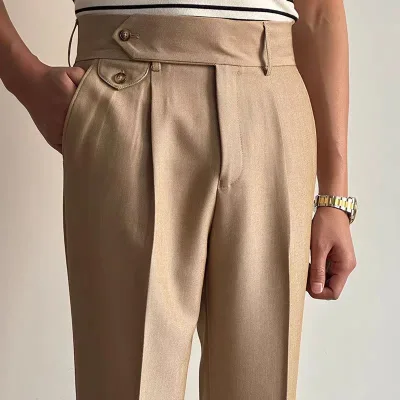
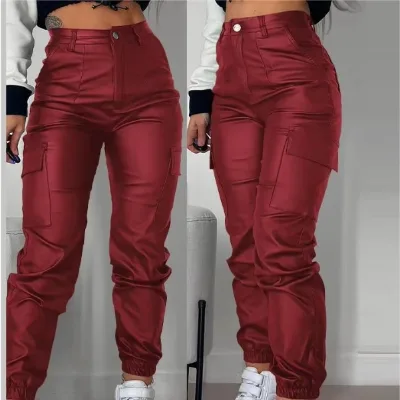
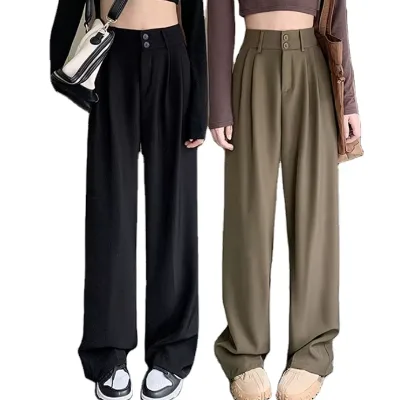
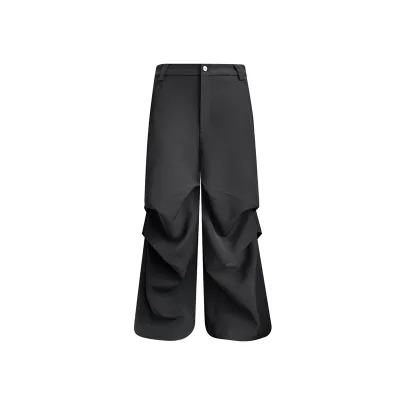
Compare 30 listings for anti-wrinkle pleated suit pants featuring loose or regular fits, wool and polyester materials, and custom branding options. Buyers can evaluate specifications like fabric weight, pocket design, and lead times from verified Chinese suppliers; compare the available evidence and request quotations based on your requirements.
Updated
Key considerations
Products List

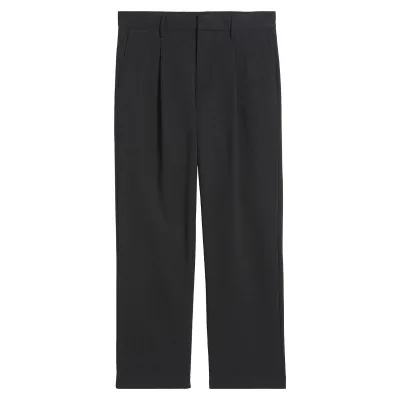
Multi-Pocket Washable Workwear Pleated Pants Dimensional Pleats Casual Pants
$8.00 - $9.00
MOQ: 100 Pieces

Elegant High Waist Slim Stretch Breathable Wrinkle Resistant Office Ladies Suit Pants
$23.00 - $50.00
MOQ: 100 Pieces








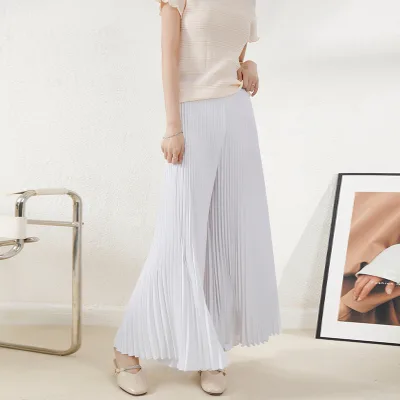
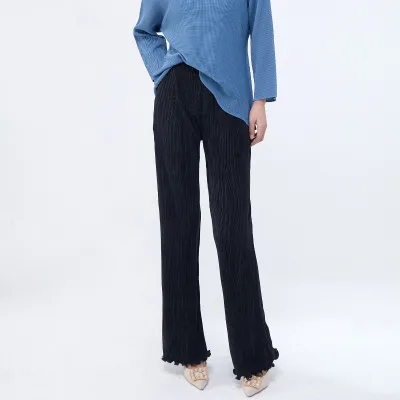
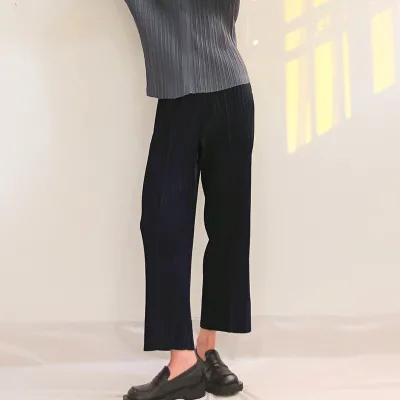
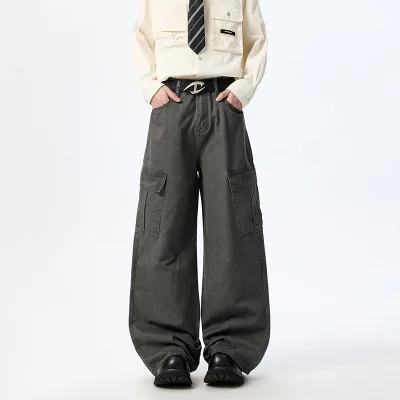


Comprehensive Sourcing Guide
Anti-Wrinkle Pleated Suit Pants Sourcing Guide
Sourcing anti-wrinkle pleated suit pants requires a disciplined approach to balancing aesthetic precision with functional durability. Buyers must navigate a market where "anti-wrinkle" claims often mask varying degrees of fabric treatment and material composition. The core challenge lies in verifying that the garment maintains its sharp pleat structure and smooth appearance after repeated wear and laundering cycles. This guide provides a framework for evaluating suppliers based on observable listing signals, technical specifications, and commercial terms. By focusing on verifiable data points rather than marketing language, procurement teams can mitigate the risk of receiving products that fail to meet professional standards.
The following sections outline the critical steps for validating supplier capabilities and product quality. We will examine the typical attributes found in current listings, such as fabric weight, closure types, and customization options. We will also address the necessary compliance documentation and quality control measures that ensure consistency across large orders. This structured approach helps buyers make informed decisions that align with their brand’s requirements for fit, finish, and performance. The goal is to establish a reliable supply chain for high-quality trousers that meet both aesthetic and functional expectations.
Product Scope and Observed Listing Signals
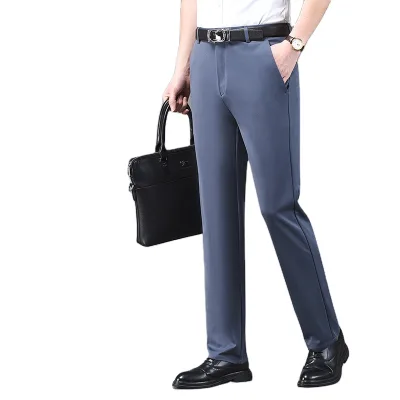
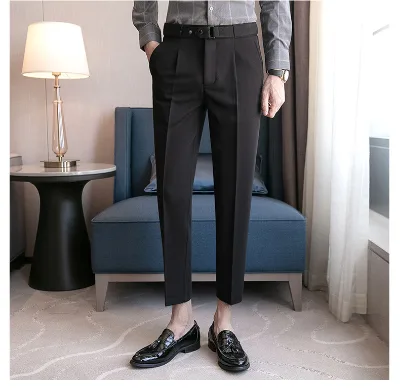
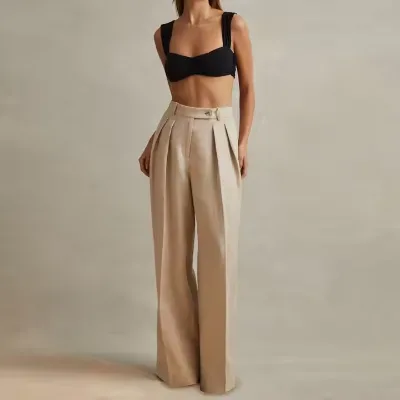
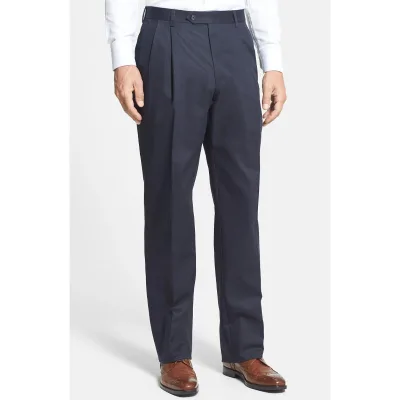
Current market listings for these garments reveal a diverse range of styles and target audiences, indicating a broad supply base. Observed attributes include variations in fit type, such as loose fit and regular fit, catering to different body types and style preferences. The presence of multiple pockets and specific front styles like pleated designs highlights the functional and aesthetic diversity available. Buyers should note that while some listings target women, others are explicitly designed for men, requiring careful filtering to match the intended demographic. This segmentation is crucial for ensuring that the sourced products align with the specific needs of the end consumer.
Material composition is another key signal, with listings showing options ranging from wool to polyester and cotton blends. These materials influence the garment’s drape, breathability, and wrinkle resistance, which are critical for suit pants. Some suppliers offer custom label, tag, and logo services, suggesting a high degree of flexibility for brand-specific requirements. The observed supply types include both OEM and ODM services, indicating that buyers can choose between manufacturing to their own designs or leveraging existing supplier templates. Understanding these signals helps buyers narrow down their search to suppliers who can meet their specific customization and material needs.
Technical Specifications to Verify
Verifying technical specifications is essential to ensure the product meets performance expectations. Buyers should confirm the fabric weight, as observed listings indicate weights such as 140 grams, which can affect the garment’s durability and drape. The weaving method, typically woven for suit pants, should be verified to ensure the fabric has the necessary structure and resilience. Additionally, the presence of features like anti-wrinkle, breathable, and windproof properties should be validated through supplier documentation or sample testing. These attributes are critical for maintaining the professional appearance of the pants in various environments.
Other technical details to verify include the trouser leg style, such as straight or slim, and the closure type, often a zipper fly. The size range, including US sizes like M, L, XL, and plus sizes, should be confirmed to ensure accurate sizing for the target market. Buyers should also check the single package size and gross weight to plan for efficient logistics and storage. Confirming these specifications helps avoid discrepancies between the ordered product and the received goods, ensuring consistency and quality across the supply chain.
Compliance and Safety Documentation
Compliance and safety documentation are non-negotiable for professional procurement. Buyers must request evidence of needle detection processes, as observed in some listings, to ensure the garments are free from metal contaminants. This is particularly important for products intended for retail sale, where safety standards are strictly enforced. Suppliers should provide certificates or test reports confirming that the products meet relevant safety regulations, such as those for textile safety and chemical usage. Without this documentation, buyers risk facing regulatory issues and potential recalls.
Additionally, buyers should verify the supplier’s adherence to quality management standards, such as ISO certifications, if applicable. While specific certification status may not be listed, buyers should inquire about the supplier’s internal quality control processes. This includes checks for fabric treatment consistency, such as combing cotton or garment dyeing, which can affect the final appearance and feel of the product. Ensuring that the supplier has robust compliance measures in place helps protect the buyer’s brand reputation and ensures that the products are safe for end consumers.
Cost Drivers and Commercial Terms
Understanding cost drivers is vital for effective budgeting and negotiation. Key factors include the material composition, with wool and polyester blends often commanding different price points. Customization services, such as custom labels and tags, can add to the overall cost, so buyers should clarify these expenses upfront. The observed MOQ of 100 pieces or 100 pieces per item suggests that smaller orders may incur higher per-unit costs. Buyers should also consider the lead time, which ranges from 15-20 days for production and 7 days for sample orders, as this impacts inventory planning and cash flow.
Commercial terms such as payment methods, shipping costs, and return policies should be clearly defined in the contract. Buyers should negotiate for favorable terms that align with their cash flow needs and risk tolerance. It is also important to clarify the supplier’s policy on defects and quality issues, including the process for returns or replacements. By understanding these commercial terms, buyers can avoid unexpected costs and ensure a smooth transaction process. Clear communication of expectations helps build a strong partnership with the supplier.
Supplier Qualification and Quality Control
Supplier qualification is a critical step in mitigating supply chain risks. Buyers should conduct thorough due diligence on potential suppliers, including verifying their business registration, production capacity, and financial stability. Observing the supplier’s place of origin, such as Chongqing, China, can provide insights into their manufacturing capabilities and logistics infrastructure. Buyers should also assess the supplier’s ability to handle custom orders, as indicated by their ODM and OEM services. This assessment helps ensure that the supplier can meet the buyer’s specific requirements for design and production.
Quality control measures should be established before production begins. Buyers should request pre-production samples to verify the quality of materials, stitching, and finishing. During production, regular inspections should be conducted to ensure that the products meet the agreed-upon specifications. Post-production, final random inspections should be performed to catch any defects before shipment. By implementing a robust quality control process, buyers can minimize the risk of receiving substandard products and ensure that the final goods meet their quality standards.
Long-Term Procurement Checks
Long-term procurement success depends on continuous monitoring and relationship management. Buyers should establish regular communication channels with their suppliers to address any issues promptly and maintain a collaborative partnership. Periodic reviews of supplier performance, including on-time delivery rates and product quality, should be conducted to identify areas for improvement. Buyers should also stay informed about market trends and technological advancements in textile manufacturing to ensure they remain competitive. This proactive approach helps buyers adapt to changing market conditions and maintain a high standard of product quality.
Additionally, buyers should diversify their supplier base to reduce dependency on a single source. This strategy helps mitigate risks associated with supply chain disruptions, such as production delays or quality issues. By maintaining relationships with multiple suppliers, buyers can ensure continuity of supply and negotiate better terms. Regular feedback loops with suppliers can also drive continuous improvement, leading to better products and services over time. By focusing on long-term relationships and strategic sourcing, buyers can build a resilient and efficient supply chain.
FAQs
Can I get custom labels and tags for these pants?
Yes, customization is available for custom labels, custom tags, and custom logos. The product supports ODM and OEM services to meet specific branding needs. Buyers can request tailored packaging options to align with their brand identity requirements.
What is the minimum order quantity for these pants?
The minimum order quantity is 100 pieces for this product. Some listings indicate a range of 2 to 1000 pieces depending on the specific supplier configuration. Buyers should verify the exact MOQ with the manufacturer before placing an order.
How long does it take to receive a sample order?
A sample order lead time of 7 days is supported for this product. Standard production lead times typically range from 15 to 20 days after sample approval. This timeline ensures quality checks are completed before bulk shipment begins.
What materials are used to make these anti-wrinkle pants?
Materials include wool, polyester, and a polyester cotton blend. The fabric treatment involves combed cotton processes to enhance texture. These materials provide features like wrinkle resistance, breathability, and anti-shrink properties for durable wear.
Which fit types are available for these trousers?
Available fit types include loose fit and regular fit styles. The trousers feature straight trouser legs and come in various sizes such as M, L, XL, and 2XL. Buyers can choose between loose or slim styles based on their preference.
Where are these pants manufactured and shipped from?
These pants originate from China, specifically Chongqing. The products are supplied by manufacturers offering ODM services with customized packing options. Buyers should expect shipping from this region when sourcing these specific garment items.
What features do these pants offer for daily wear?
Features include anti-wrinkle, breathable, plus size, anti-static, windproof, and anti-shrink capabilities. The fabric weight is 140 grams with a normal thickness suitable for summer seasons. Needle detection is performed to ensure safety and quality standards.