Harajuku Skeleton Hoodies Suppliers and Manufacturers
Explore 26 verified options for Harajuku Skeleton Hoodies with details on location, lead times, and certifications. Compare response times, MOQs, and pricing to select a suitable partner for your custom apparel needs today; review the available evidence before requesting comparable quotations from suitable candidates.
Updated
Suppliers List

Guangzhou Shangshang Industrial Co., Ltd.
- Combined
- China Guangdong
- Lead time15 days
- Avg. response≤ 17h
Main productsHoodies, T Shirt, Sweatpant, Shorts, Jacket
Main marketsDomestic
Shangrao Caidu Clothing Co., Ltd.
- Verified by TüVRheinland
- Manufacturer, Trading Company
- Lead time5 days
- Avg. response≤ 3h
Main productsMen's Clothes, Women's Clothes
Main marketsDomestic Market(40%), North America(35%), South America(8%)
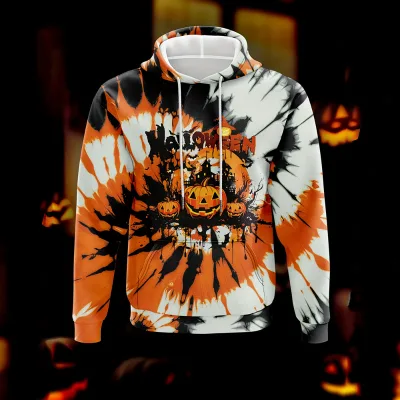
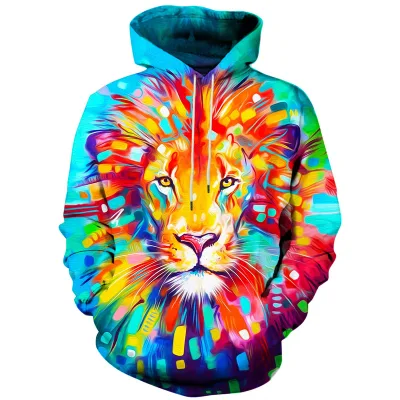
$4.30 - $5.80
MOQ: 2 pieces
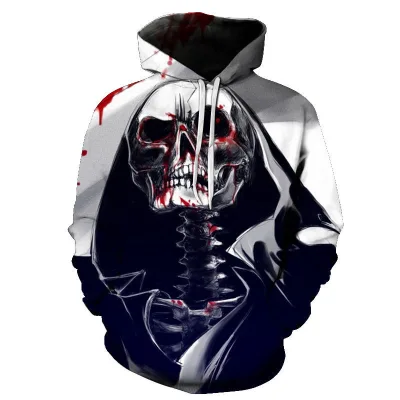
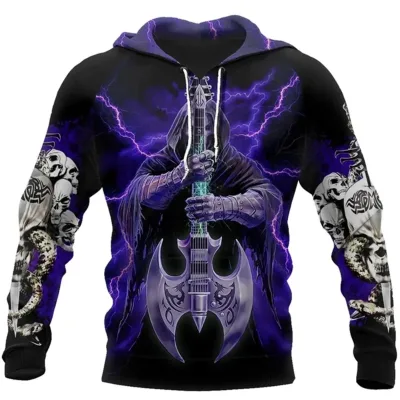
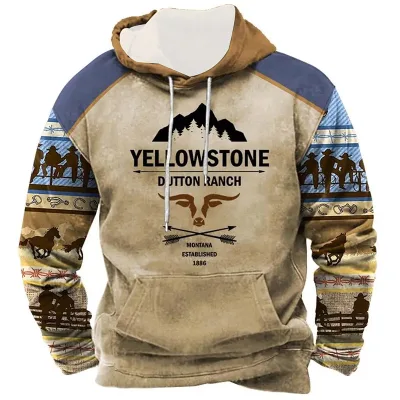
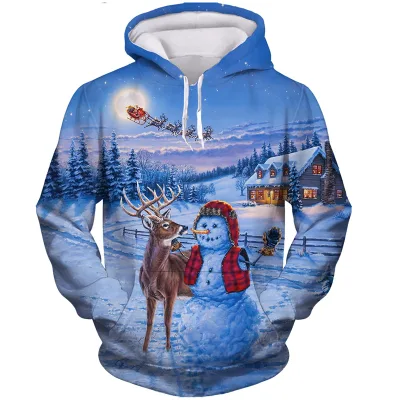
$4.4281 - $5.9725
MOQ: 2 pieces

Fuzhou Shengfuyong Cultural Industry Co., Ltd.
- Trading Company
- Fujian, China
- Lead time0 days
- Avg. response≤ 14h
Main productsT shirt,children's wear,custom T-shirt,women wear,Men's T-shirt
Main marketsNorth America(70.00%), Oceania(10.00%), Southern Europe(5.00%), Northern Europe(5.00%), Western Europe(5.00%), Eastern Europe(5.00%)
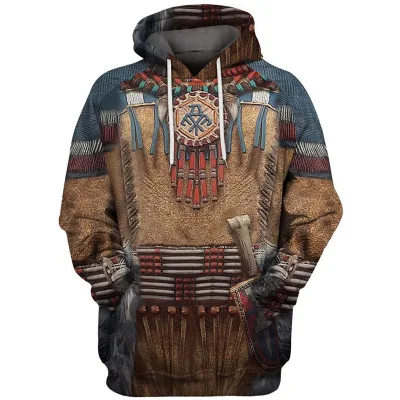
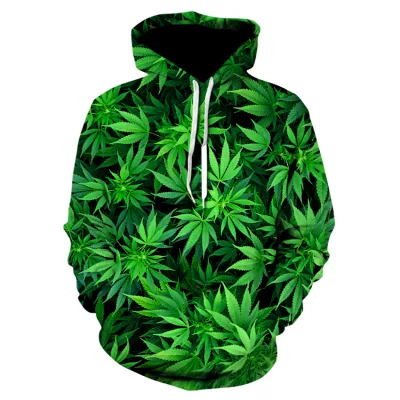
$6.6841 - $10.1789
MOQ: 1 Minimum
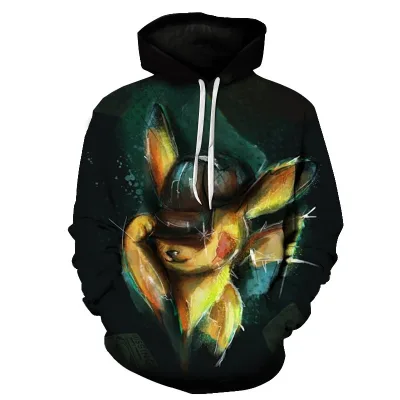
New Arrival Harajuku Autumn 3D Pikachu Print Hooded Sweatshirt Quick Dry Fitness Men Women Hoodie
$4.1225 - $10.3212
MOQ: 2 pieces
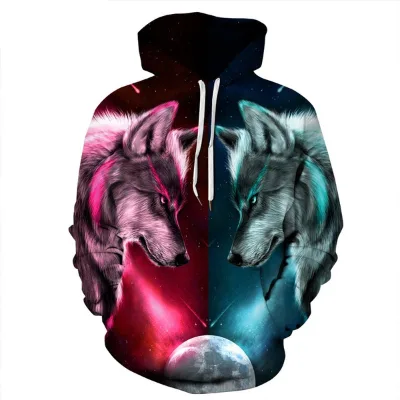
$5.4392 - $6.8788
MOQ: 2 pieces
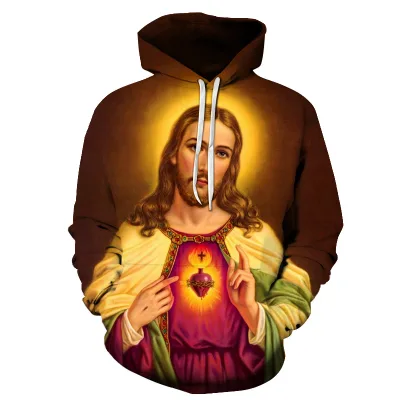
New Custom 3D Graphic Hoodie High Quality Long Sleeve Pullover Religious Hooded Sweatshirt
$5.4392 - $7.1874
MOQ: 1 pieces
Huizhou Bobon Clothing Co., Ltd.
- Manufacturer, Trading Company
- Guangdong, China
- Lead time30 days
- Avg. response≤ 5h
Main productsMen's Clothing,Sleepwear,Sportswear,Women's cothing,Accessories
Main marketsEastern Europe(35.00%), North America(35.00%), Western Europe(10.00%), Mid East(10.00%), Africa(5.00%), South America(5.00%)
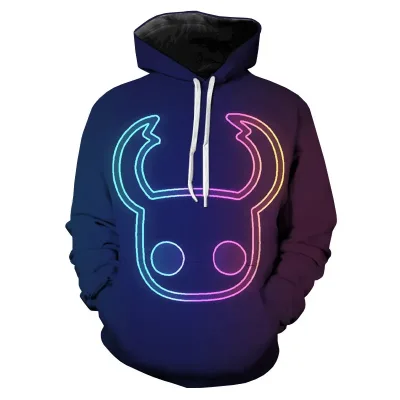
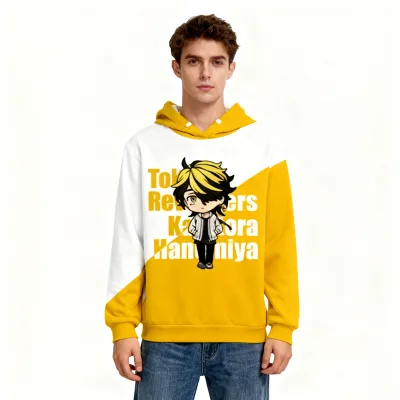
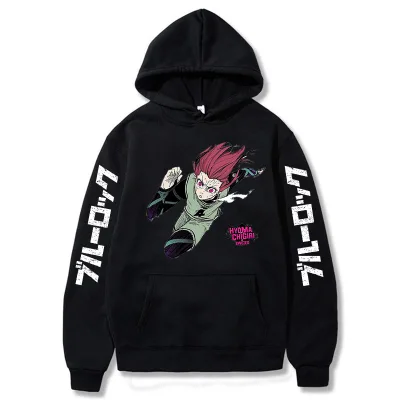
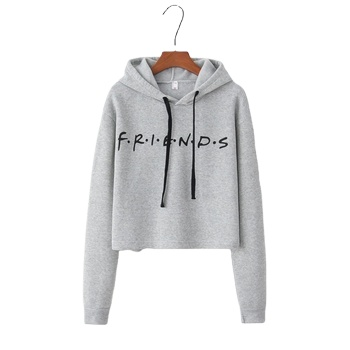
$3.70 - $5.36
MOQ: 80 pieces
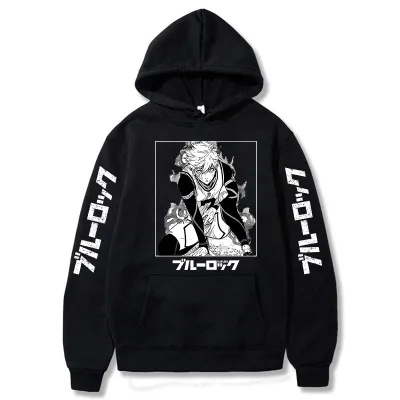
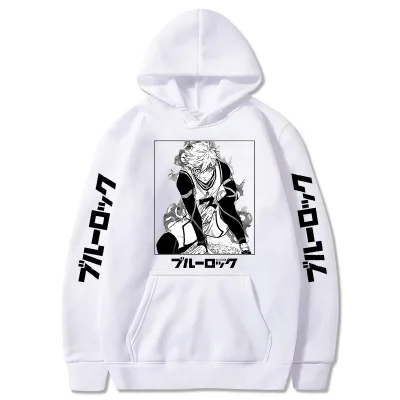

Shenzhen Chaotian Trade Co., Ltd.
- Manufacturer, Trading Company
- Guangdong, China
- Lead time7 days
- Avg. response≤ 2h
Main productsLED BATH MIRROR,accessories,kids clothes,blanket,mens clothes
Main marketsNorth America(65.00%), Eastern Europe(20.00%), Western Europe(8.00%), Southeast Asia(5.00%), Southern Europe(2.00%)
Jiangxi Leebol Garment Co., Ltd.
- Verified by Intertek
- Manufacturer, Trading Company
- Lead time15 days
- Avg. response≤ 2h
Main productsHoodie, T shirt, Sweatshirt, Tracksuit, Pants
Main marketsNorth America(40%), Oceania(40%), Western Europe(20%)

Xiamen Meiju Garment Co., Ltd.
- Verified by TUVRHEINLAND
- Trading Company,Manufacturer/Factory
- China Fujian
- Lead time23 days
- Avg. response≤ 4h
Main productsSports Wear, Yoga Wear, Gym Wear, Fashion Fitness, Sportswear, Hoodies, Sportswear Fitness Wear, Tracksuit, Swimwear, Men's Sportswear
Main marketsSouth America,Eastern Europe,Mid East,North America,Southeast Asia,Eastern Asia,Oceania,Western Europe,Africa
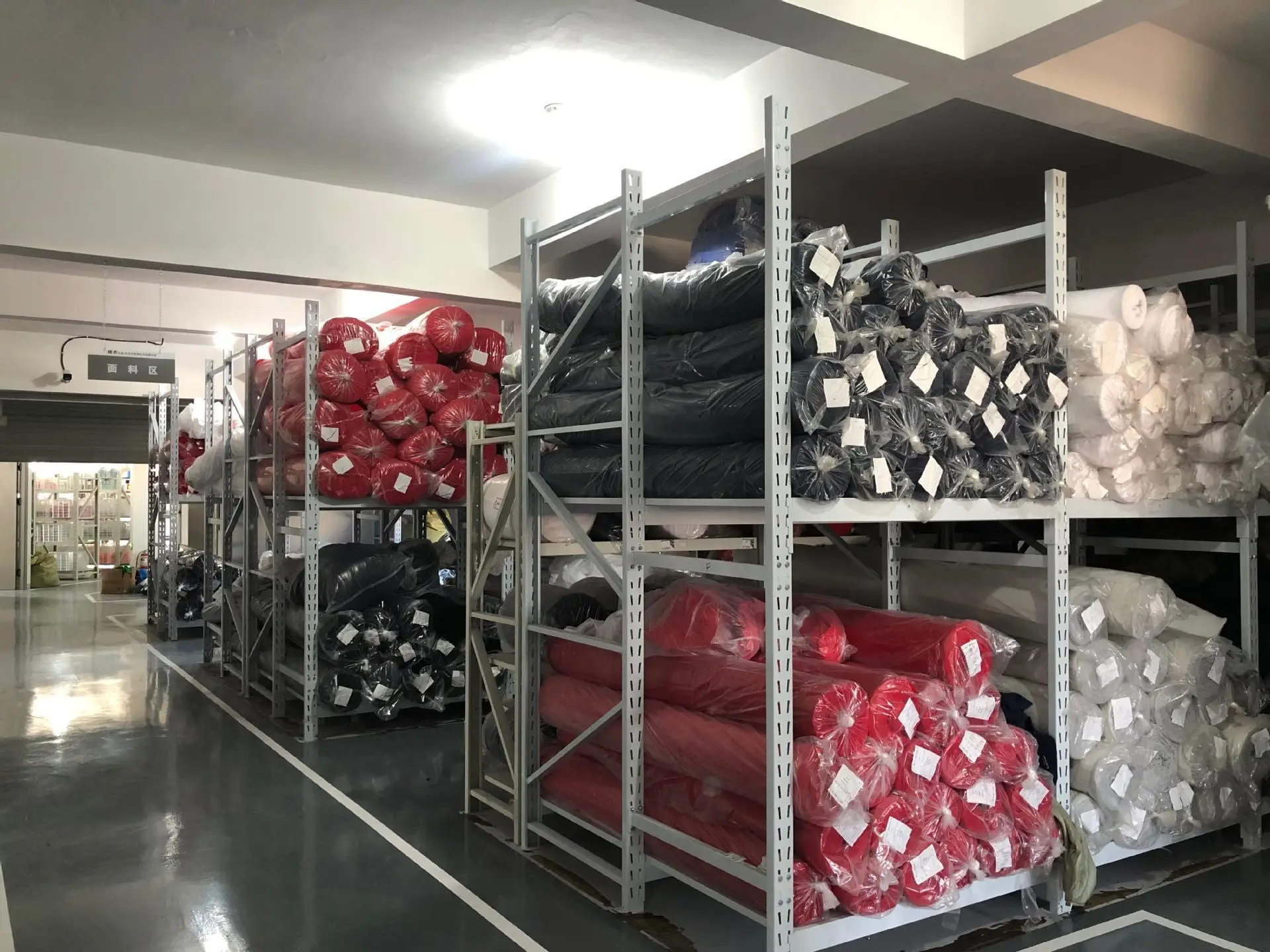
Jiangxi Xingxiao Garment Co., Ltd.
- Trading Company
- Jiangxi, China
- Lead time25 days
- Avg. response≤ 3h
Main productsHoodie,Sweatpant,Tshirt,Short,Jacket
Main marketsNorth America(48.00%), South America(12.00%), Northern Europe(10.00%), Mid East(8.00%), Eastern Europe(8.00%), Southern Europe(7.00%), Southeast Asia(5.00%), Africa(2.00%)

Shanghai Easun Group Imp & Exp Co., Ltd.
- Verified by BV
- Trading Company
- China Shanghai
- Lead time15 days
- Avg. response≤ 21h
Main productsHoodies, Pajamas, T-Shirt, Bath Robe, Sleepwear, Polo Shirts, Safety Shoes
Main marketsAfrica


Vintage Sweater Vintage Sweatshirt Warm Hoodies Washed Hoodie White Hoodies
$3.00 - $7.50
MOQ: 300 Pieces


Patchwork Sweatsuits Pink Hoodie Pink Sweatsuit Plaid Hoodie Plain Hoodies
$3.00 - $7.50
MOQ: 300 Pieces
- Verified by Intertek
- Manufacturer, Trading Company
- Lead time0 days
- Avg. response≤ 2h
Main productsT-shirt, Sweatshirt, Pants, Polo shirt, Children Garment
Main marketsNorth America(32%), South America(27%), Central America(18%)
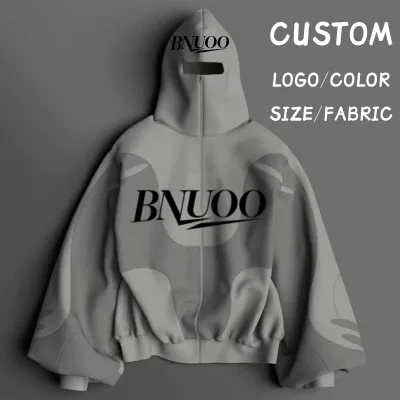
$26.6299 - $28.6852
MOQ: 2 pieces
Dongguan Senzhou Garment Co., Ltd.
- Verified by TüVRheinland
- Manufacturer, Trading Company
- Lead time15 days
- Avg. response≤ 2h
Main productsTracksuit, T-Shirts, Hoodie, Shorts, Jacket
Main marketsNorth America(28%), Western Europe(22%), Domestic Market(20%)
$19.6972 - $22.8071
MOQ: 50 pieces
$13.4775 - $16.3806
MOQ: 50 pieces
$13.4775 - $16.3806
MOQ: 50 pieces
Shangrao Menglu Clothing Co., Ltd.
- Verified by TüVRheinland
- Manufacturer, Trading Company
- Lead time15 days
- Avg. response≤ 3h
Main productsT-shirts, Shirts, Dresses, Hoodies, Casual Shorts
Main marketsDomestic Market(50%), North America(30%), Western Europe(20%)
Dongguan Jiawanze Apparel Co., Ltd.
- Manufacturer, Trading Company
- Guangdong, China
- Lead time30 days
- Avg. response≤ 6h
Main productsHOODIES & SWEATSHIRTS,T-SHIRT,Sweater,DRESS,Coats
Main marketsNorth America(100.00%)

$7.7656 - $12.9412
MOQ: 100 pieces
$9.8359 - $12.9412
MOQ: 100 pieces
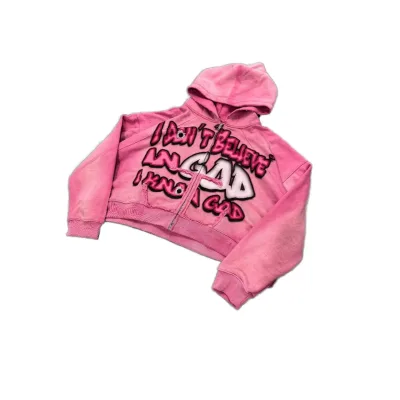
$8.8412 - $11.948
MOQ: 100 pieces

Shanghai Fullystar Apparel Co., Ltd.
- Manufacturer, Trading Company
- Shanghai, China
- Lead time60 days
- Avg. response≤ 4h
Main productsKnitted Clothing,Woven Clothing,kids clothing
Main marketsNorth America(28.00%), Eastern Asia(23.50%), South America(13.50%), Central America(10.50%), Western Europe(9.50%), Eastern Europe(9.50%), Africa(5.50%)

- Trading Company
- Zhejiang, China
- Lead time3 days
- Avg. response≤ 5h
Main productsshipping box,poly mailer,mailer box,gift box,tissue paper
Main marketsNorth America(55.00%), South America(30.00%), Eastern Europe(10.00%), Western Europe(5.00%)

- Verified by SGS
- Trading Company
- China Zhejiang
- Lead time15 days
- Avg. response≤ 2h
Main productsT-Shirt, Hoodie, Shorts, Baseball Cap, Sweatshirt, Pants, Gym Wear, Football Jersey, Waistcoat, Hat
Main marketsSouth America,Southeast Asia/ Mideast,East Asia(Japan/ South Korea),Domestic,Europe,Australia,North America


Factory Mens Pullover Hoodies Cotton Oversized Custom Hoodies for Unisex
$15.20 - $16.99
MOQ: 30 Pieces

Men's Pullover High Quality Hoodies Sweatshirts Streetwear Hoodie Heavyweight Oversized Blank Hoody
$9.68 - $13.83
MOQ: 100 Pieces

High Quality Heavyweight Hoodie Custom Fleece Sweatshirt Men's Hoody Oversized Pullover Hoodie
$9.91 - $13.65
MOQ: 50 Pieces

Boxy Fit Men's Cotton Hoodie Fleece Cropped Pullover Custom Cotton Hoodie Oversized
$11.50 - $13.80
MOQ: 30 Pieces

Times Chensheng (Xiamen) Trading Co., Ltd.
- Trading Company,Manufacturer/Factory
- China Fujian
- Lead time45 days
- Avg. response≤ 10h
Main productsJacket, Beach Shorts, Hoodies, Sports Wear, T-Shirt, Kids Wear, Casual Shorts, Swimming Wear, Sweater, Sport Bar
Main marketsSouth America,Eastern Europe,Mid East,North America,Southeast Asia,Eastern Asia,Oceania,Western Europe,Africa

Yancheng Chimei Apparel Co., Ltd.
- Verified by CTI
- Trading Company
- China Jiangsu
- Lead time30 days
- Avg. response≤ 4h
Main productsT Shirt, Hoodie, Jacket
Main marketsSouth America,Europe,Australia,North America

New Popular Solid Color Zipper Cheap Heavyweight Cotton Men Full Sleeve Hoodies
$4.19 - $5.69
MOQ: 100 Pieces


High Quality Custom Pullover Oversized Drop Shoulder Fleece Hoodies for Men
$8.00 - $13.00
MOQ: 100 Pieces
Guangzhou Fushengyuan Textile Co., Ltd
- Verified by SGS Group
- Trading Company
- Lead time15 days
- Avg. response≤ 6h
Main productsT Shirt, Hoodies, Sweater, Jacket, Knitwear
Main marketsNorth America(30%), Western Europe(30%), Domestic Market(20%)
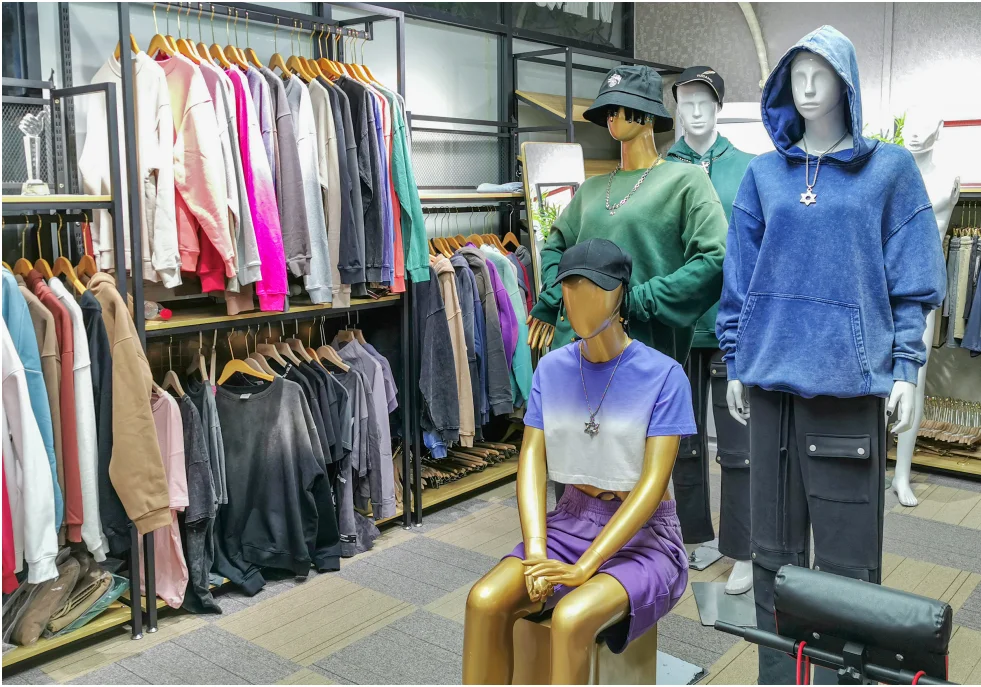
Anqi (huizhou) Garments Co., Ltd.
- Trading Company
- Guangdong, China
- Lead time10 days
- Avg. response≤ 1h
Main productsAPPAREL,Hats,Bags,beanies,shoes
Main marketsNorth America(20.00%), Southern Europe(11.00%), South America(10.00%), Northern Europe(10.00%), Western Europe(10.00%), Eastern Europe(10.00%), Domestic Market(5.00%), Africa(5.00%), Central America(4.00%), Eastern Asia(3.00%), South Asia(3.00%), Oceania(3.00%), Mid East(3.00%), Southeast Asia(3.00%)
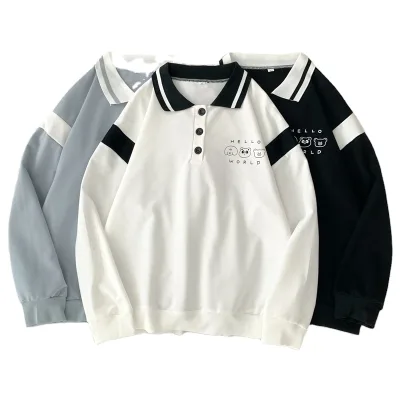
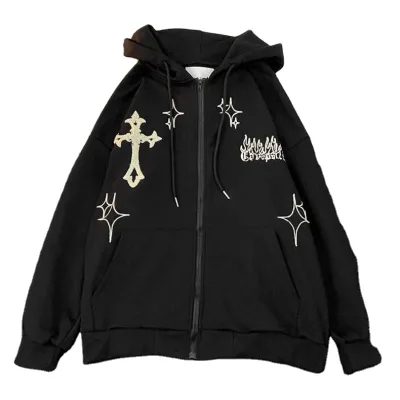
$1.9609 - $9.8014
MOQ: 10 pieces
$1.2314 - $5.7463
MOQ: 10 pieces

- Verified by CTI
- Trading Company
- China Anhui
- Lead time23 days
- Avg. response≤ 2h
Main productsFurniture, Home Furniture
Main marketsSoutheast Asia/ Mideast

Jiangxi Flower Garment Co., Ltd
- Manufacturer, Trading Company
- Jiangxi, China
- Lead time20 days
- Avg. response≤ 4h
Main productspolo t shirt,t shirt,hoodie,pants,tank top
Main marketsNorth America(25.00%), Central America(20.00%), Northern Europe(10.00%), Eastern Europe(8.00%), South America(5.00%), South Asia(5.00%), Southeast Asia(5.00%), Mid East(5.00%), Oceania(5.00%), Africa(5.00%), Western Europe(2.00%), Southern Europe(2.00%), Eastern Asia(2.00%), Domestic Market(1.00%)
Guangzhou Etai Apparel Co., Ltd.
- Verified by SGS Group
- Manufacturer, Trading Company
- Lead time15 days
- Avg. response≤ 4h
Main productsT-shirt, Shorts, Hoodie, Team Uniform, Jogger Pants
Main marketsNorth America(30%), South America(20%), South Asia(7%)
Hengshui Lihao Import And Export Trading Co., Ltd.
- Trading Company
- Hebei, China
- Lead time15 days
- Avg. response≤ 4h
Main productsMen's clothing,Women's clothing,Underwear,watch,socks
Main marketsNorth America(50.00%), Eastern Europe(10.00%), Southeast Asia(9.00%), Western Europe(5.00%), South America(5.00%), Africa(4.00%), Eastern Asia(4.00%), Mid East(4.00%), Oceania(4.00%), Domestic Market(1.00%), South Asia(1.00%), Southern Europe(1.00%), Northern Europe(1.00%), Central America(1.00%)

Guangzhou Ouzun Clothing Co., Ltd.
- Verified by CTI
- Combined
- China Guangdong
- Lead time23 days
- Avg. response≤ 2h
Main productsUniforms, Pants, Suits&Blazer, T Shirt, Polo Shirt, Sportswear, Jacket, Hoodies&Sweatshirts
Main marketsDomestic


Soft Ring Spun Cotton Fleece Hoodie with Anti-Pilling Finish for Long Lasting Quality Cotton Hoodies
$5.19 - $7.99
MOQ: 100 Pieces

Zhousi (Shenzhen) Clothing Co., Ltd.
- Verified by CTI
- Trading Company
- China Guangdong
- Lead time23 days
- Avg. response≤ 2h
Main marketsDomestic


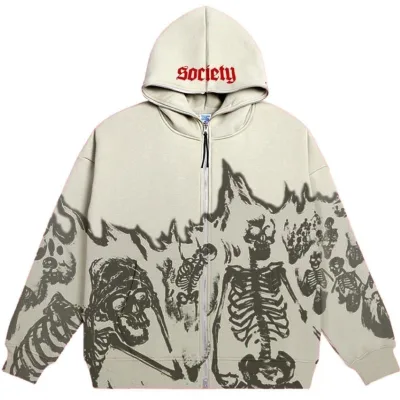
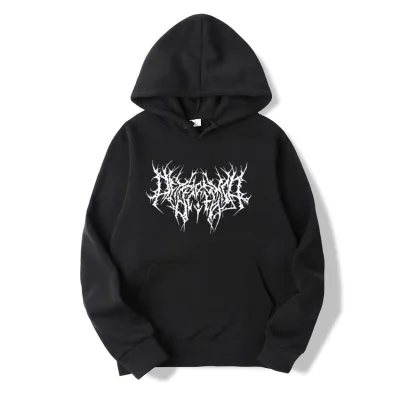


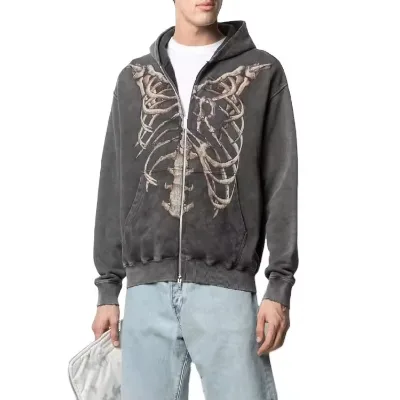
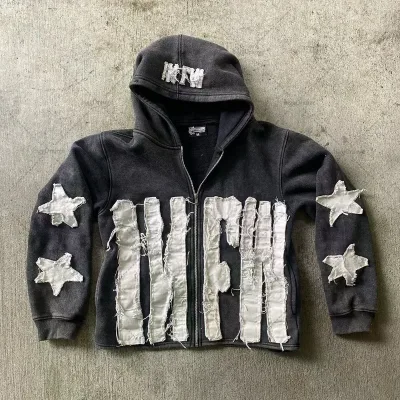
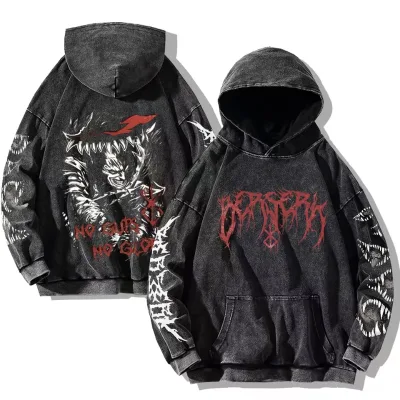
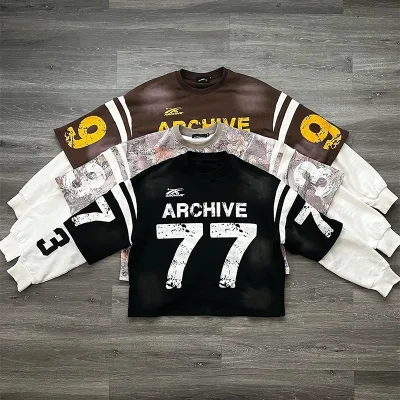


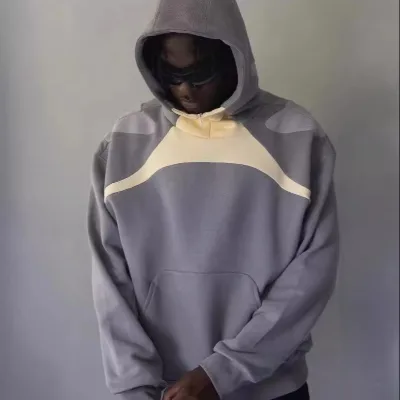
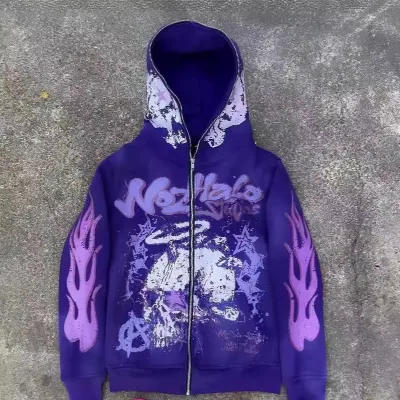


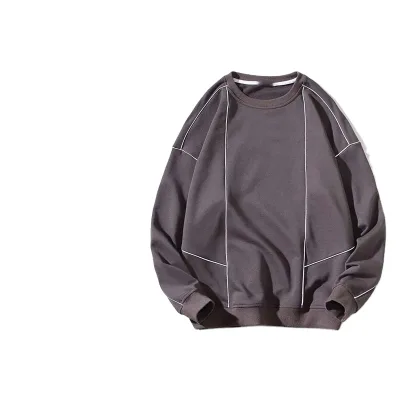
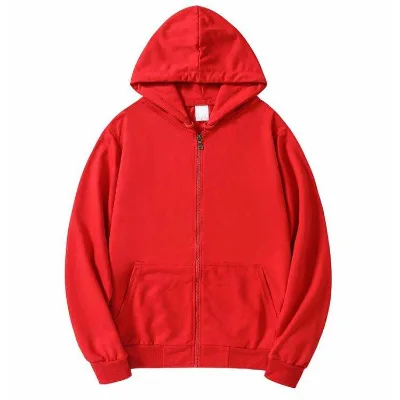
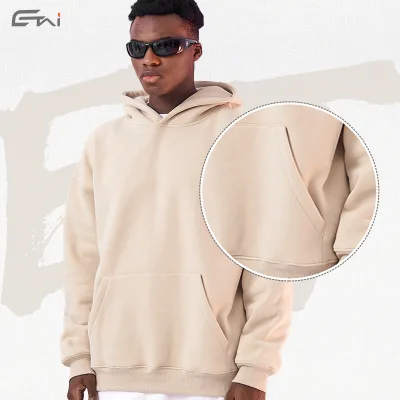


Comprehensive Sourcing Guide
Harajuku Skeleton Hoodies Supplier Concentration and Factory Types
Current data indicates a concentration of suppliers in China Guangdong, with additional origins noted in Jiangxi, China. These regions host a mix of combined entities that function as both manufacturers and trading companies. This dual structure allows for flexible production capabilities, ranging from own-brand development to OEM and ODM services. Buyers should recognize that a single listing may represent a trading firm sourcing from a factory or a manufacturer with direct sales channels. The presence of combined company types suggests that some suppliers can manage the entire supply chain, while others may rely on external partners for specific production steps.
When evaluating factory types, look for explicit mentions of capabilities such as sample processing, graphic processing, and customized on-demand services. Some suppliers list specific capacities like "Own brand, ODM, OEM," which indicates a readiness to handle custom designs like skeleton graphics. Others may focus on specific techniques such as digital printing or sublimation transfer prints. It is crucial to verify if the supplier's stated location matches their production base, as some trading companies operate from one region while manufacturing occurs elsewhere. Understanding this distinction helps in assessing whether the supplier can directly control quality and lead times or if they act as an intermediary.
How to Verify Harajuku Skeleton Hoodies Suppliers
Verification begins with checking for third-party audit reports and system certifications. Some suppliers in the results display TüVRheinland verification, which serves as a concrete indicator of operational reliability. Additionally, look for system certifications such as CE or General Certificate of Conformity (GCC), which suggest adherence to specific safety and quality standards. These credentials are not universal; their presence or absence should be treated as a primary filter for supplier selection. Buyers must confirm that these certifications are current and relevant to the specific product category, as a general business license does not guarantee manufacturing competence.
Beyond certifications, assess the supplier's response time and verification status directly. Response times vary significantly, with some suppliers showing a 16.12-hour window while others respond within 3 hours. A faster response often correlates with better communication channels and operational efficiency. Buyers should also examine the "is_verified" status to ensure the company has undergone a rigorous identity check. Do not assume all suppliers possess these attributes; if a listing lacks a specific verification badge or certification, request proof directly. This proactive approach ensures that the supplier's claims about their capabilities and location are backed by tangible evidence rather than marketing assertions.
What to Compare Across Harajuku Skeleton Hoodies Suppliers
Comparison should focus on quantifiable metrics like lead time, minimum order quantity, and price ranges. Lead times in the current data range from 5 days to 15 days, indicating varying levels of production capacity and inventory readiness. Some suppliers offer a 5-day lead time, while others require 15 days, which impacts project planning significantly. Minimum order quantities also differ, with some listings showing an MOQ of 50 units and others as low as 2 units. Buyers must align these figures with their own inventory needs and budget constraints to avoid overstocking or under-ordering.
Price and customization options are equally critical comparison points. Product prices vary from approximately $4.30 to $28.00 depending on the design complexity and material used. Materials range from cotton to 100% polyester, affecting both cost and performance characteristics like breathability and durability. Customization availability is a key differentiator, with many suppliers offering options for logos, patterns, and specific sizes. However, not every supplier supports all customization types; some may only offer standard prints while others provide full ODM services. Buyers should create a comparison matrix to weigh these factors against their specific requirements for quality, cost, and flexibility.
Common Harajuku Skeleton Hoodies Sourcing Risks
One significant risk involves material discrepancies and quality inconsistencies. While some products are listed as cotton, others are 100% polyester, and the actual fabric weight can vary from 230 grams to 240 grams. These variations can lead to unexpected product performance issues, such as differences in warmth, drape, or shrinkage. Buyers must verify the exact material composition and fabric weight before placing an order, as the product description may not always reflect the final batch. Relying solely on the initial sample without confirming mass production standards can result in receiving goods that do not meet the expected quality threshold.
Another risk is the reliability of lead times and the potential for delays. Although some suppliers claim a 5-day lead time, others indicate 15 days, and external factors can extend these periods. The complexity of designs, such as 3D puff letters or rhinestone embroidery, may require additional processing time that is not immediately apparent in the standard lead time. Furthermore, the "7 days sample order lead time" support mentioned by some suppliers does not guarantee the same speed for bulk production. Buyers should plan for buffer time and maintain clear communication channels to mitigate the risk of delays affecting their market launch or inventory replenishment schedules.
Harajuku Skeleton Hoodies Regional Sourcing and Logistics
Sourcing from China Guangdong and Jiangxi offers distinct logistical advantages and challenges. Guangdong is a major manufacturing hub known for its extensive supply chain and efficient export infrastructure, which can facilitate faster shipping and lower freight costs. Jiangxi, while also a production center, may have different logistical profiles depending on the specific factory location and proximity to ports. Buyers should verify the exact place of origin for each supplier, as this impacts transit times and customs clearance procedures. Understanding the regional nuances helps in selecting a supplier that aligns with the buyer's shipping requirements and delivery timelines.
Packaging and shipping standards are critical considerations for regional sourcing. Product attributes often specify packing details, such as "One Piece/Set Per OPP" or specific package dimensions like 30x22x10 cm. These details influence the total volume and weight of the shipment, which directly affects freight costs. Some suppliers provide single package sizes, while others may have different configurations for bulk orders. Buyers must ensure that the packaging meets their retail requirements and is robust enough to protect the garments during transit. Additionally, verifying the origin country on the product label is essential for compliance with import regulations in the destination market.
Harajuku Skeleton Hoodies Commercial Terms and Order Planning
Commercial terms regarding pricing and payment structures require careful review. Prices listed can range from $4.88 to $20.00 or higher, depending on the specific product model and customization level. Buyers should clarify whether these prices include shipping, taxes, or other duties, as these costs can significantly alter the final landed cost. It is also important to confirm the currency and payment terms, such as whether escrow services are available to protect the transaction. Understanding the full cost structure prevents unexpected financial burdens and ensures that the project remains within budget.
Order planning must account for sample lead times and production capacity. Some suppliers support a 7-day sample order lead time, which is valuable for rapid prototyping and design validation. However, the transition from sample to bulk production can introduce delays if the factory is at capacity. Buyers should plan their order timeline to accommodate the sample approval process and the subsequent production run. Additionally, verifying the supplier's ability to handle the required volume is essential, as some may have limits on their daily output. A well-structured order plan that includes buffer time for samples and production ensures a smoother procurement process and timely delivery.
FAQs
What is the price range for skeleton hoodies?
Prices for skeleton hoodies typically range from $4.30 to $28.00 per unit. The final cost depends on the material, such as cotton or polyester, and the complexity of the 3D puff or rhinestone printing. Buyers should expect lower prices for basic polyester options and higher rates for custom cotton designs with detailed embroidery.
What is the minimum order quantity for these hoodies?
The minimum order quantity varies by supplier, with some requiring as few as two pieces while others set the bar at fifty units. Buyers seeking small batches can find suppliers with low MOQs, whereas larger wholesale orders often benefit from the economies of scale offered by manufacturers with higher initial thresholds.
How long does production take for custom orders?
Production lead times generally range from five to fifteen days for standard orders. Some suppliers offer rapid processing for samples or simple designs, while more complex customizations like 3D puff printing or full-face rhinestone applications may require the longer end of this timeframe to ensure quality and durability.
Are these hoodies available for customization?
Yes, customization is widely available, including OEM and ODM services. Buyers can request specific logos, graphic patterns, or unique skeleton designs. Many suppliers support sample processing and graphic adjustments, allowing for tailored fits, materials, and seasonal styles to match specific brand requirements or target market preferences effectively.
What materials are used for skeleton hoodies?
Common materials include cotton and 100% polyester, each offering distinct benefits. Cotton hoodies provide a soft, breathable feel suitable for winter wear, while polyester options often feature sublimation printing for vibrant, durable graphics. Buyers can choose based on their preference for fabric weight, texture, and the specific printing technique required.
Where are these hoodies manufactured?
These hoodies are primarily manufactured in China, with specific production hubs in Guangdong and Jiangxi provinces. Buyers can verify the place of origin to ensure alignment with their sourcing preferences. The concentration of suppliers in these regions often indicates a mature supply chain with access to diverse materials and printing technologies.