eco-friendly printed t-shirts Suppliers and Manufacturers
Source eco-friendly printed t-shirts from 32 verified suppliers in China. Compare key dimensions including MOQ, lead times, and response rates to identify suitable partners. Review product specifications and pricing details to streamline your procurement process; review the available evidence before requesting comparable quotations from suitable candidates.
Updated
Suppliers List

Shanghai Touch Industrial Development Co., Ltd.
- Verified by TUVRHEINLAND
- Combined
- China Shanghai
- Lead time15 days
- Avg. response≤ 5h
Main productsInstant Hot Pack, Hot Cold Pack, Gel Eye Mask, Gel Ice Pack, Gel Bottle Cooler, Instant Ice Pack, Hand Warmer, Heat Pack, Cooling Scarf, Gel Beads
Main marketsSouth America,Others(foreignTradeCapacity.exportBusinessCapacityMarketOther),Southeast Asia/ Mideast,East Asia(Japan/ South Korea),Domestic,Europe,Australia,North America

Shanghai Easun Group Imp & Exp Co., Ltd.
- Verified by BV
- Trading Company
- China Shanghai
- Lead time15 days
- Avg. response≤ 21h
Main productsHoodies, Pajamas, T-Shirt, Bath Robe, Sleepwear, Polo Shirts, Safety Shoes
Main marketsAfrica

- Verified by TUVRHEINLAND
- Combined
- China Shanghai
- Lead time15 days
- Avg. response≤ 3h
Main productsInfant Clothes, Baby Clothes, Kids Wear, Underwear, Sock, Pajama, Night Dress, Sleep Bag, Yoga Clothes, Nursing Tee
Main marketsEurope,Australia,North America

Shanghai David International Trade Co., Ltd.
- Verified by TUVRHEINLAND
- Combined
- China Shanghai
- Lead time15 days
- Avg. response≤ 9h
Main productsPromotional Gifts, Gift Sets, Tshirts, Hats, Hot Packs, Hot Cold Packs, Ice Packs, Bags, Umbrellas, Water Bottles
Main marketsSouth America,Africa,Southeast Asia/ Mideast,East Asia(Japan/ South Korea),Domestic,Europe,Australia,North America

- Verified by CTI
- Trading Company
- China Anhui
- Lead time23 days
- Avg. response≤ 2h
Main productsFurniture, Home Furniture
Main marketsSoutheast Asia/ Mideast

Guangzhou Shangshang Industrial Co., Ltd.
- Combined
- China Guangdong
- Lead time15 days
- Avg. response≤ 17h
Main productsHoodies, T Shirt, Sweatpant, Shorts, Jacket
Main marketsDomestic

Guangzhou Shengli Clothing Co., Ltd.
- Verified by CTI
- Combined
- China Guangdong
- Lead time60 days
- Avg. response≤ 2h
Main productsSuit, Men Formal Suit, Medical Uniform, School Uniform, T-Shirt, Polo, Sports Apparel, Work Uniforms, Uniform, Hotel Uniform
Main marketsDomestic

Green Organic Cotton Knit Printed Pocket T-Shirt Men Custom Cotton T-Shirt
$2.00 - $18.00
MOQ: 100 Pieces


Xiamen Ibestop Sport Co., Ltd.
- Trading Company, Distributor/Wholesaler
- Fujian, China
- Lead time10 days
- Avg. response≤ 5h
Main productscycling wear,Hoodies&Sweatshirt,T Shirt,training&jogging wear,Triathlon wear
Main marketsWestern Europe(20.00%), Southeast Asia(20.00%), North America(20.00%), South America(9.00%), Southern Europe(8.00%), Oceania(5.00%), Northern Europe(5.00%), South Asia(5.00%), Eastern Europe(5.00%), Central America(3.00%)
Fuyang Lita Technology Co.,ltd.
- Trading Company
- Anhui, China
- Lead time15 days
- Avg. response≤ 8h
Main productsgarage floor tiles
Main marketsNorth America(40.00%), Southern Europe(10.00%), Northern Europe(10.00%), Western Europe(10.00%), Southeast Asia(10.00%), Eastern Europe(10.00%), South America(10.00%)
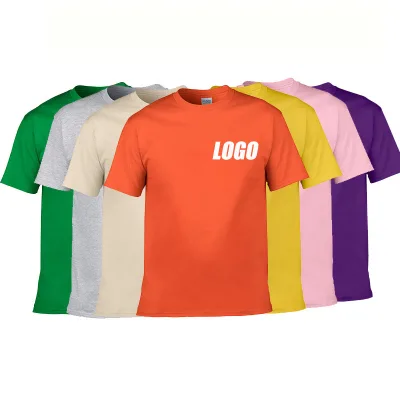
$2.3504 - $2.9556
MOQ: 10 pieces
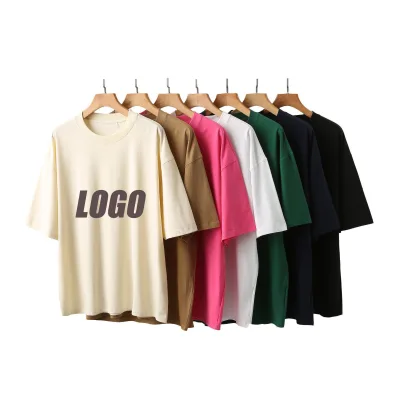
$2.1047 - $2.6575
MOQ: 10 pieces

Guangzhou Vision Clothing Co., Ltd.
- Verified by BV
- Combined
- China Guangdong
- Lead time15 days
- Avg. response≤ 5h
Main productsT-Shirt, Hoodie, Polo Shirt, Sweatpants
Main marketsSouth America,Southeast Asia/ Mideast,Europe,Australia,North America

Custom Printed T-Shirt Men′ S Round Neck Loose Cotton T-Shirt Women′ S Casual T-Shirt
$4.99 - $7.39
MOQ: 30 Pieces

Custom Men′ S Pure-Color T-Shirt Eco-Friendly Shirt Organic Cotton T-Shirt
$4.99 - $7.39
MOQ: 30 Pieces


Custom T Shirt Printing Blank T-Shirt Logo Tshirt with Logo Custom Logo Printed Hot Sale
$4.99 - $7.89
MOQ: 30 Pieces

Custom Unisex T Shirt Printing Blank T-Shirt Logo Tshirt with Logo Custom Logo Printed Hot Sale
$4.99 - $7.59
MOQ: 30 Pieces

Foshan Dopoo Sportswear Co., Ltd.
- Verified by TUVRHEINLAND
- Trading Company
- China Guangdong
- Lead time30 days
- Avg. response≤ 5h
Main productsSportswear, Hoodies, Baseball Jersey, Basketball Jersey, Fishing Shirts, Apparel, Jacket Jersey, Hockey Jersey, Cheerleading Uniform, Running Shirts
Main marketsNorth America
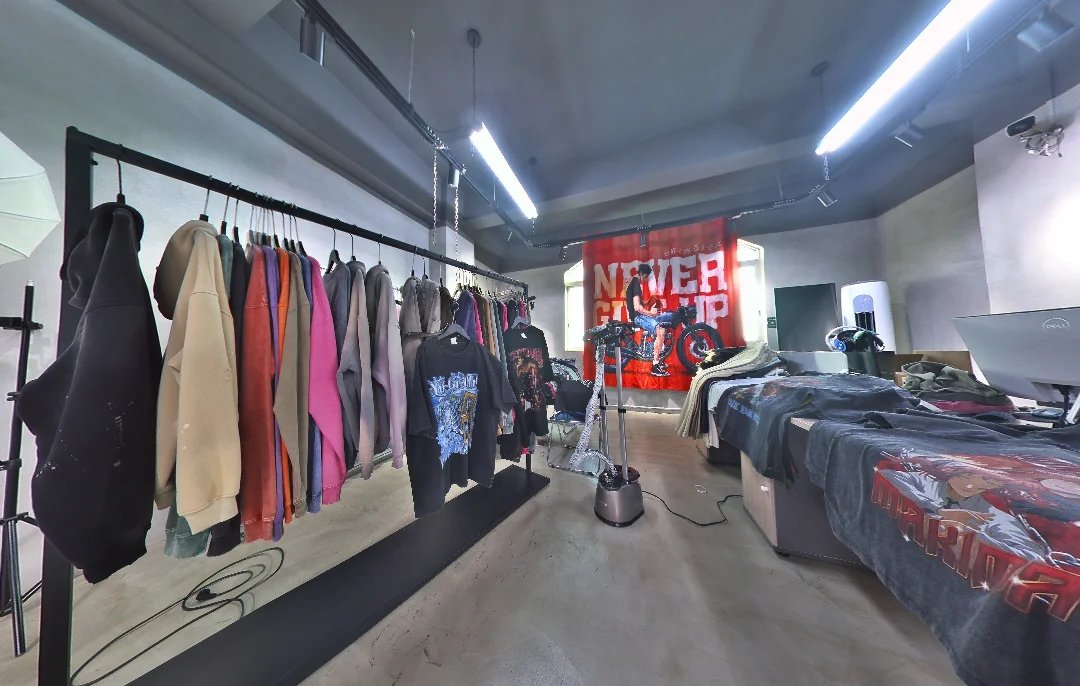
Guangzhou Esan Clothing Co., Ltd.
- Manufacturer, Trading Company
- Guangdong, China
- Lead time20 days
- Avg. response≤ 2h
Main productst-shirt,hoodies,sweatershirt,sport tee,shorts
Main marketsNorth America(50.00%), Southern Europe(10.00%), Northern Europe(10.00%), Western Europe(10.00%), Eastern Europe(10.00%), South America(10.00%)
Bengbu Red Hat E-Commerce Co., Ltd.
- Manufacturer, Trading Company
- Anhui, China
- Lead time0 days
- Avg. response≤ 4h
Main productsMen's Shirts, T Shirts, Hoodies, Coats, Polo Shirts
Main marketsDomestic Market(80.00%), North America(10.00%), Western Europe(5.00%), Africa(3.00%), South Asia(2.00%), Eastern Asia(0.00%), South America(0.00%), Oceania(0.00%), Southern Europe(0.00%), Central America(0.00%), Northern Europe(0.00%), Eastern Europe(0.00%), Mid East(0.00%), Southeast Asia(0.00%)

Suning County Xiangbird Clothing Co., Ltd.
- Verified by SGS
- Combined
- China Hebei
- Lead time30 days
- Avg. response≤ 3h
Main productsT-Shirt, Hooded Sweatshirt, Seluar Jeans, Pakaian Pelindung Matahari
Main marketsDomestic
Shenzhen Small Orders Co., Ltd.
- Manufacturer, Trading Company
- GuangDong, China
- Lead time0 days
- Avg. response≤ 2h
Main productsPromotional Gift,Gift Set,Keychain,Trophies Medals & Plaques,DVD
Main marketsNorth America(20.00%), Western Europe(20.00%), South Asia(10.00%), Africa(10.00%), Southeast Asia(5.00%), South America(5.00%), Northern Europe(5.00%), Central America(5.00%), Eastern Asia(5.00%), Eastern Europe(5.00%), Mid East(5.00%), Oceania(5.00%)
- Verified by Intertek
- Manufacturer, Trading Company
- Lead time7 days
- Avg. response≤ 2h
Main productsCustom Flags And Banners , Promotion Gifts, Promotion Apparel And Accessories, Advertising Display , Sports Entertainment Gifts
Main marketsNorth America(43%), Western Europe(25%), Oceania(16%)

Fuzhou High Tech Zone Jinlan Apparel Co., Ltd.
- Trading Company
- Fujian, China
- Lead time10 days
- Avg. response≤ 1h
Main productsTshirts,hoddies,Yoga clothing,Pants,Caps
Main marketsNorth America(60.00%), Western Europe(10.00%), Northern Europe(7.00%), South America(5.00%), Eastern Europe(5.00%), Southern Europe(5.00%), Southeast Asia(1.00%), Africa(1.00%), Oceania(1.00%), Mid East(1.00%), Eastern Asia(1.00%), Central America(1.00%), South Asia(1.00%), Domestic Market(1.00%)
Dongguan Dexiang Clothing Co., Ltd.
- Verified by SGS Group
- Manufacturer, Trading Company
- Lead time15 days
- Avg. response≤ 2h
Main productsPolo Shirt, Hoodie set, Sports Wear, T-shirt set, Jackets
Main marketsNorth America(15%), Central America(15%), Northern Europe(15%)

Guangzhou Ouzun Clothing Co., Ltd.
- Verified by CTI
- Combined
- China Guangdong
- Lead time23 days
- Avg. response≤ 2h
Main productsUniforms, Pants, Suits&Blazer, T Shirt, Polo Shirt, Sportswear, Jacket, Hoodies&Sweatshirts
Main marketsDomestic

Recycled Polyester Sustainable T-Shirt for Environmental Friendly Clothing Line T Shirts
$3.99 - $8.99
MOQ: 100 Pieces


Biodegradable Material Custom Logo Plain T-Shirt for Environmental Campaign T Shirts
$3.99 - $8.99
MOQ: 100 Pieces

Eco-Friendly Recycled Polyester Blended Plain T-Shirt for Sustainable Fashion T Shirts
$3.99 - $8.99
MOQ: 100 Pieces

Shenzhen Fly-High Industry Co., Ltd.
- Trading Company,Manufacturer/Factory,Group Corporation
- China Guangdong
- Lead time23 days
- Avg. response≤ 25h
Main productsT-Shirt, Polo Shirt, Promotional Items, Cap, Apron, Jacket, Scarf, Singlet, Towel, Hat
Main marketsSouth America,Eastern Europe,Mid East,North America,Southeast Asia,Eastern Asia,Oceania,Africa
Dongyang Yinxin Apparel Co., Ltd.
- Verified by TüVRheinland
- Trading Company
- Lead time90 days
- Avg. response≤ 1h
Main productsMen's T-Shirts, Women's T-Shirts, Men's Hoodies, Women's Hoodies
Main marketsNorth America(50%), Western Europe(10%), South America(5%)
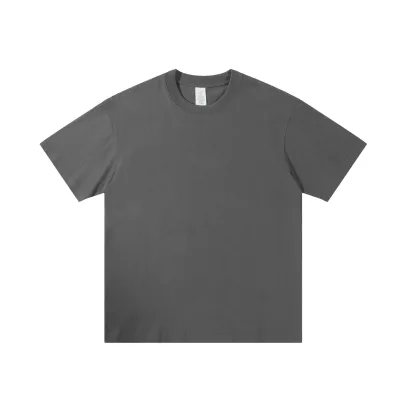
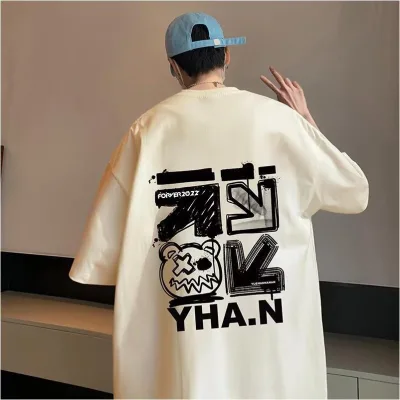
$6.0384 - $6.4684
MOQ: 50 pieces

Wujiang Hailihong Textile Co., Ltd.
- Verified by CTI
- Combined
- China Jiangsu
- Lead time15 days
- Avg. response≤ 8h
Main productsKnitted Textiles, Chemical Fibers, Home Textiles, Clothing and Accessories, Swim Trunks, T-Shirt, Hawaiian Shirt, Beach Pants, Bikini, Hoodie
Main marketsAfrica,Southeast Asia/ Mideast,East Asia(Japan/ South Korea),Domestic,Europe,Australia,North America

Sport T Shirt Dry Fit Tee Shirt Custom Sublimation T Shirt Mens Printed T Shirt
$4.00 - $4.50
MOQ: 2 Pieces

Sport T Shirt Dry Fit Tee Shirt Custom Sublimation T Shirt Mens Printed T Shirt
$4.00 - $4.50
MOQ: 2 Pieces

Nuolang (Guangdong) Garment Industry Co., Ltd.
- Verified by BV
- Combined
- China Guangdong
- Lead time15 days
- Avg. response≤ 2h
Main productsT-Shirt, Polo Shirt, Shirt, Coverall, Suit, Uniform, Sportswear, Casual Wear
Main marketsSoutheast Asia/ Mideast
Ningbo Haizilun Fashion Co., Ltd.
- Verified by TüVRheinland
- Manufacturer, Trading Company
- Lead time7 days
- Avg. response≤ 1h
Main productsMen Clothes, Women Clothes
Main marketsNorth America(55%), Western Europe(12%), Eastern Europe(9%)

Guangzhou Fengrong Clothing Co., Ltd.
- Verified by SGS
- Combined
- China Guangdong
- Lead time15 days
- Avg. response≤ 2h
Main productsT-Shirt, Hoodie, Jacket, Trousers, Shorts
Main marketsDomestic

Flexible Customization T-Shirt with Recycled Regenerated Fiber Eco-Friendly Casual Wear
$5.97 - $6.32
MOQ: 50 Pieces

Blank Mock Neck Oversized T-Shirt Recycled Cotton with Eco-Friendly Print Customization
$7.96 - $8.43
MOQ: 50 Pieces
Shangrao Menglu Clothing Co., Ltd.
- Verified by TüVRheinland
- Manufacturer, Trading Company
- Lead time15 days
- Avg. response≤ 3h
Main productsT-shirts, Shirts, Dresses, Hoodies, Casual Shorts
Main marketsDomestic Market(50%), North America(30%), Western Europe(20%)
Dongguan Boxin Garment Co., Ltd.
- Verified by SGS Group
- Manufacturer, Trading Company
- Lead time25 days
- Avg. response≤ 2h
Main productsFitness & Yoga Wear, Casual & Street Wear
Main marketsNorth America(80%), Oceania(10%), Western Europe(5%)

Zhousi (Shenzhen) Clothing Co., Ltd.
- Verified by CTI
- Trading Company
- China Guangdong
- Lead time23 days
- Avg. response≤ 2h
Main marketsDomestic
Fuzhou Depshine International Trading Co., Ltd.
- Verified by SGS Group
- Trading Company
- Lead time8 days
- Avg. response≤ 2h
Main productsT Shirt, Hoodie, Sweat Suit, Jacket, Hat
Main marketsNorth America(80%), Northern Europe(10%), Western Europe(8%)

Guangzhou Tianyuan Clothing Co., Ltd
- Verified by SGS
- Combined
- China Guangdong
- Lead time30 days
- Avg. response≤ 3h
Main productsPolo Shirt, Shirt, Suit, T-Shirt, School Uniform, Hooded Sweatshirt, Medical Uniform, Chef's Uniform, Trousers, Work Clothes
Main marketsDomestic
Fuzhou Soulmate Clothing Co., Ltd.
- Trading Company
- Fujian, China
- Lead time0 days
- Avg. response≤ 4h

- Trading Company
- Hong Kong S.A.R.
- Lead time30 days
- Avg. response≤ 3h
Main productsHoodies,T-shirts,Sweatpants,Shorts,Tracksuits
Main marketsNorth America(100.00%)
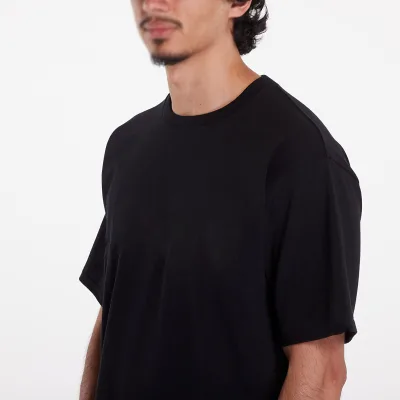
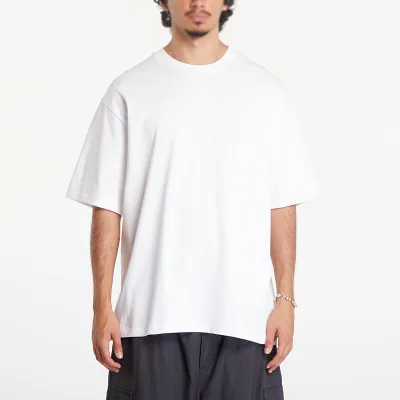
$14.4437 - $15.4758
MOQ: 2 pieces


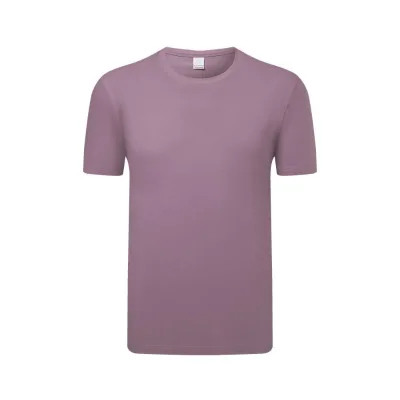
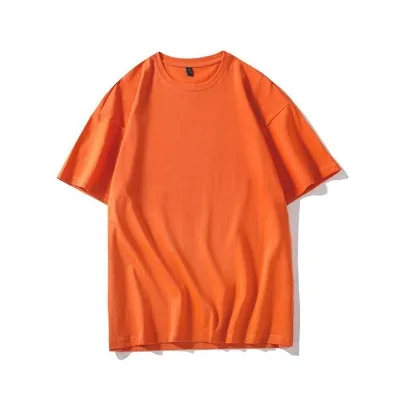


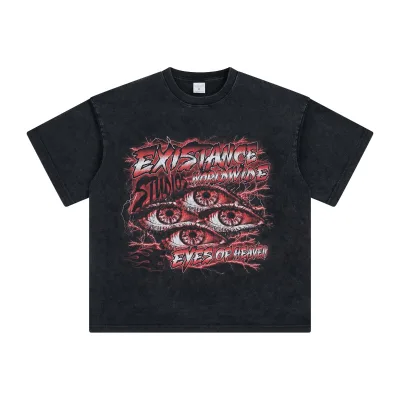
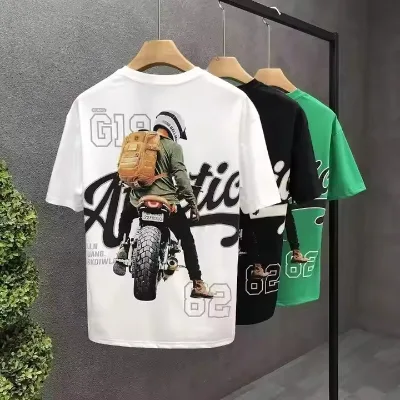



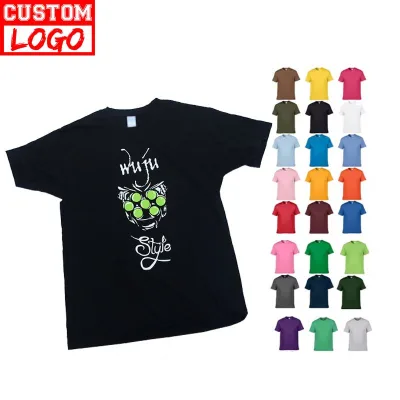

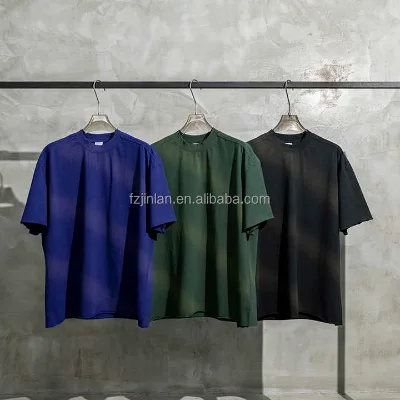
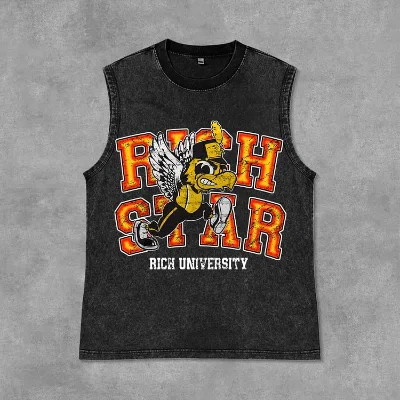




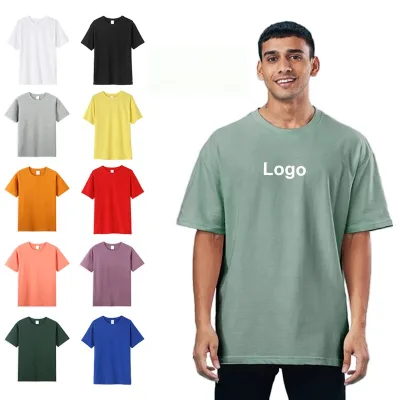
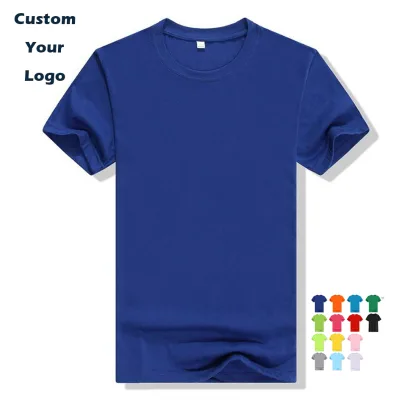


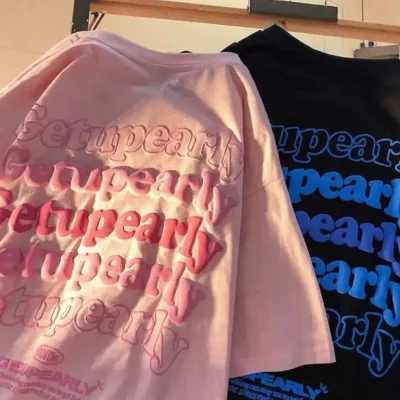
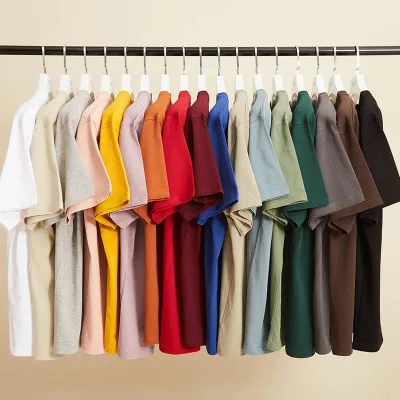
Comprehensive Sourcing Guide
Eco-Friendly Printed T-Shirts Supplier Concentration and Factory Types
When sourcing eco-friendly printed t-shirts, buyers should begin by mapping where relevant suppliers actually operate. Some search results display a supplier's registered location directly, such as China Shanghai, which gives a concrete anchor for cluster analysis. Where a location is shown, treat it as a starting point for deeper questions about where printing, dyeing, and cutting actually happen, since a registered office and a production floor are often in different places. Where no location is displayed, buyers should identify clusters independently by requesting factory addresses, checking port proximity for export logistics, and asking which subcontractors handle printing and finishing. Never assume a supplier belongs to a cluster simply because the category is common in their catalog.
Supplier types matter just as much as geography. The current results include both combined manufacturers and trading companies, which behave differently in this category. A combined supplier may offer design and production under one roof, sometimes advertising OEM and ODM capability, which suits buyers needing custom fabric choices and printing methods. A trading company may list a broader catalog, including t-shirts alongside hoodies, pajamas, and polo shirts, and can aggregate capacity across factories but adds a layer between buyer and production floor. Buyers should classify each candidate early, because verification requirements, communication paths, and accountability differ significantly between direct manufacturers and intermediaries handling eco-friendly printed t-shirt programs.
How to Verify Eco-Friendly Printed T-Shirts Suppliers
Verification starts with whatever evidence the platform displays, then extends to what the buyer must request directly. Some results show third-party verification badges, such as TÜV Rheinland or Bureau Veritas listings, which indicate a supplier has undergone some level of independent assessment. Note that a verification badge confirms the audit occurred, not the scope or depth, so ask what was actually checked. The same results may show a system certification field, and in at least one case it is listed as NIL, meaning no management system certification is displayed. For eco-friendly claims, that gap matters: ask specifically for material certifications, restricted substance documentation, and printing ink compliance rather than assuming any displayed credential covers them.
Response behavior is a practical verification signal. One listed supplier shows a response rate of 4.82 while another shows 20.11, and these figures should be read as indicators of communication speed, though buyers should confirm what the metric measures before comparing across suppliers. Beyond displayed metrics, verify claims in sequence: request a business license, confirm the factory address with a live video walk-through or third-party inspection, and match the entity name across documents. For an eco-friendly printed t-shirt order, sample evaluation is essential—wash-test printed samples, check fabric composition against the quoted polyester or cotton content, and confirm that customization requests, which many listings mark as available, are honored in pre-production samples before any deposit is committed.
What to Compare Across Eco-Friendly Printed T-Shirts Suppliers
Build a comparison table using the dimensions suppliers actually display, without assuming every field is populated. Useful labels include supplier type (combined versus trading company), location, verification status, response speed, main products, lead time, and capability tags such as ODM and OEM where shown. Lead time is directly comparable in at least one result, which lists 15 days; for others, ask buyers to request written lead times for their specific print method and fabric, since displayed figures may reflect blank stock rather than custom printed runs. Main products also differentiate candidates: some list t-shirts alongside hoodies and polo shirts, suggesting apparel-wide capability, while others concentrate on promotional shirts with printing as the core technique.
Price and MOQ comparisons reveal positioning. Displayed ranges in current results span roughly 0.70 to 5.00 per piece depending on the listing, with MOQs of 300, 500, 1000, and 3000 pieces appearing across different products. Lower MOQs usually trade against unit price and fabric choice, so compare total landed cost rather than headline price. For eco-friendly printed t-shirts specifically, compare what each supplier quotes for the sustainable attributes themselves—fabric composition, printing technique, and packaging—because these line items differ most between suppliers. Finally, compare customization depth: some listings offer custom colors, sizes, and logo printing, while others are restricted to specified size sets, which affects whether a supplier can serve your program at all.
Common Eco-Friendly Printed T-Shirts Sourcing Risks
The most frequent risk in this category is greenwashing at the quote stage. A supplier may describe fabric as cotton or polyester without substantiating any environmental claim, and displayed attributes—such as a listing stating 100% cotton or 100% polyester—describe composition only, not sustainability. Buyers should require written specification of fabric source, dye and ink composition, and any certification backing the eco-friendly positioning before production. A second risk is specification drift between sample and bulk: a pre-production sample printed with one ink system may shift to a cheaper substitute in mass production, so lock the ink type, print placement, and wash-test results into the purchase contract.
Operational risks follow from supplier type and communication gaps. Trading companies may obscure which factory actually produces the order, complicating quality control and remediation, while combined suppliers may subcontract printing anyway. Response-speed data, where displayed, hints at communication reliability; a supplier slow during quoting will rarely improve after deposit. Pricing risk appears when quotes near the bottom of a broad range—under one dollar in some displayed listings—because that leaves little margin for genuine eco-friendly inputs. Finally, verify MOQ realism: a listing advertising a 3000-piece minimum alongside another at 500 suggests the smaller figure may apply only to stock colors or standard sizes, not custom eco-friendly printed t-shirt configurations. Confirm which MOQ applies to your exact specification in writing.
Eco-Friendly Printed T-Shirts Regional Sourcing and Logistics
Regional analysis should rest only on confirmed facts. One supplier result shows a location of China Shanghai, and several product listings state an origin of China or Shanghai, so buyers can reasonably include eastern China in their sourcing map for this category. Shanghai's role as an export hub matters practically: proximity to a major port generally simplifies container consolidation and reduces inland freight for printed apparel, which is light but bulky when polybagged or carton-packed, as some listings indicate packing of one piece per polybag or carton packing. Beyond confirmed locations, buyers should map candidate factories by asking for production addresses rather than registered addresses, since printing capacity may sit in a different province.
Logistics planning for eco-friendly printed t-shirts should account for the category's specifics. Printed garments are vulnerable to ink cracking and color transfer under compression, so carton specifications and pallet configuration deserve explicit agreement. Confirm whether the supplier quotes on FOB, EXW, or another incoterm, and whether they handle export documentation. Lead time displayed in one result is 15 days, but custom printing, fabric sourcing, and any eco-certification paperwork typically extend that, so build buffers for first orders. For buyers consolidating mixed apparel—t-shirts alongside hoodies or polo shirts that some suppliers list—confirm the supplier can ship combined SKUs in one container. Finally, check seasonal constraints: some listings tag products for summer, which may signal peak production windows affecting capacity.
Eco-Friendly Printed T-Shirts Commercial Terms and Order Planning
Commercial negotiation should start from displayed data and then tighten terms in writing. Where a price range is shown—examples in current results span roughly 0.99 to 3.50 or 2.00 to 3.00 per piece—treat the range as a starting position and require a firm quote tied to your fabric, print coverage, and order quantity. Match the quote against the MOQ actually displayed for that product, which varies from 300 to 3000 pieces across listings, and negotiate pilot orders at the lower end where the supplier permits. Payment structure should follow standard practice: a deposit with balance against shipping documents, using secure payment channels, and never paying the full amount upfront to a newly verified contact.
Order planning should sequence verification before volume. Begin with a pre-production sample approved against a written spec sheet covering fabric weight, print method, colorfastness, and packaging—one piece per polybag or carton packing are formats shown in listings. Then run a small pilot within the agreed MOQ before committing to repeat orders. Track the supplier's stated lead time—15 days appears in one result—against actual delivery on the pilot, and rebuild your production calendar around measured performance rather than listed figures. For ongoing eco-friendly printed t-shirt programs, agree on requalification: periodic material documentation, retained golden samples, and re-testing each production lot. Finally, confirm warranty or remediation terms for defective prints in the contract, since printing defects are the most likely quality claim in this category.
FAQs
What is the price range for custom printed t-shirts?
Prices for custom printed t-shirts typically range from $0.70 to $5.00 per unit depending on material and order volume. Polyester options often start near $0.70, while cotton blends may cost up to $3.50. Bulk orders of 300 units or more generally secure the lowest rates, with higher customization increasing the final cost.
What are the minimum order quantities for printing?
Minimum order quantities vary by supplier, generally starting at 300 units for basic polyester shirts and rising to 1,000 or 3,000 units for specific custom designs. Some suppliers accept orders as low as 500 pieces for standard promotional items. Buyers should verify the exact MOQ for their chosen material and printing technique before confirming the order.
How long does production take for custom orders?
Production lead times for custom printed t-shirts are typically around 15 days from order confirmation. This timeframe allows for material sourcing, printing, and quality checks. Buyers should account for shipping duration separately, as transit times vary by destination. Early communication with the supplier ensures accurate scheduling and timely delivery for promotional events.
What materials are available for promotional t-shirts?
Common materials include 100% cotton, polyester, and cotton-polyester blends. Cotton offers breathability and comfort, while polyester provides durability and moisture-wicking properties. Some suppliers offer mixed-color options or specific GSM weights like 120 GSM for lightweight summer wear. The choice depends on the desired feel, durability, and printing method required for the promotional campaign.
Are suppliers verified for quality assurance?
Many suppliers undergo third-party verification processes to ensure quality and reliability. Certifications from organizations like TÜV Rheinland or Bureau Veritas indicate that the supplier has met specific operational and quality standards. Buyers should look for these verification badges to confirm that the manufacturer adheres to international quality control practices and ethical manufacturing guidelines.
What customization options are available for logos?
Suppliers offer various logo customization methods, including screen printing, embroidery, and sublimation. Options range from simple printed logos to complex embroidered designs on polo shirts or t-shirts. Buyers can choose from round neck, v-neck, or polo styles. Customization is generally available for unisex designs, allowing for flexible branding across different demographics and promotional needs.