Source Casual Breathable Cargo Pants for hiking, work, and travel
Find 30 verified options for Casual Breathable Cargo Pants suitable for outdoor activities and daily wear. Compare features like material, customization, and pricing from suppliers in China to find the best fit for your needs; compare the available evidence and request quotations based on your requirements.
Updated
Key considerations
Products List

Men's Windbreaker Waterproof Cargo Pants Comfortable Wear Casual Cargo Pants
$8.20 - $9.20
MOQ: 1000 Pieces


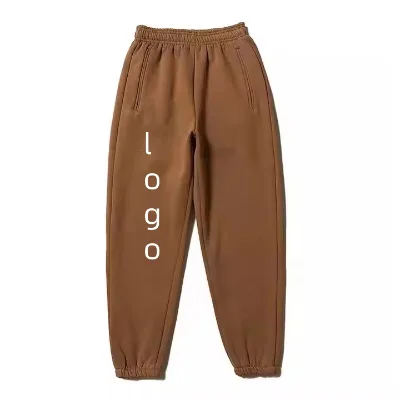
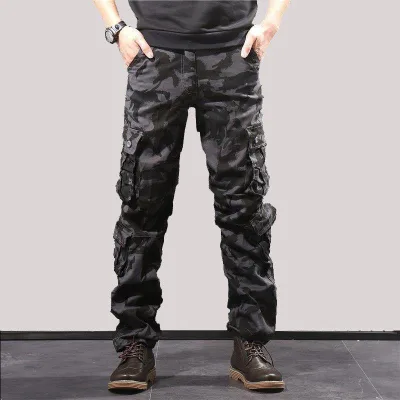


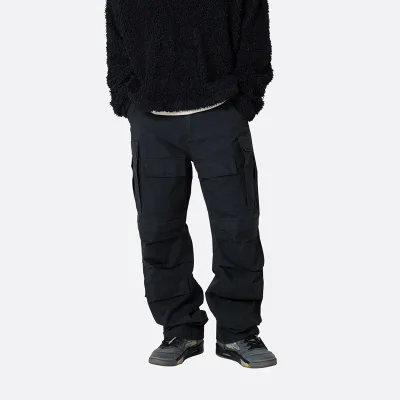
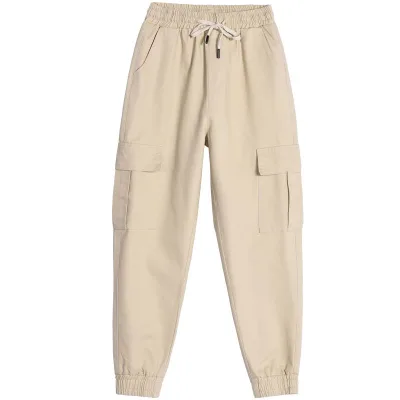
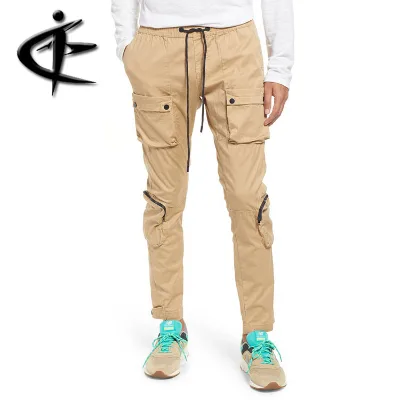
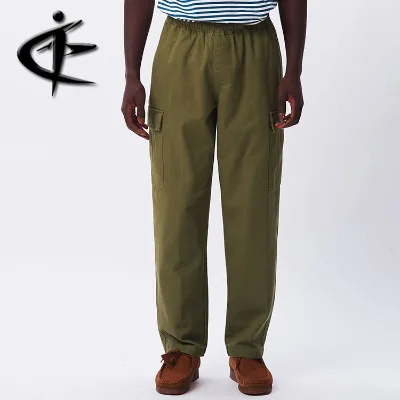
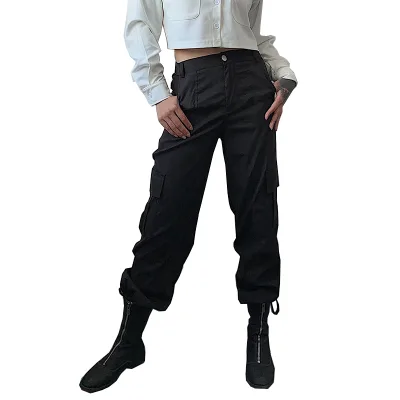
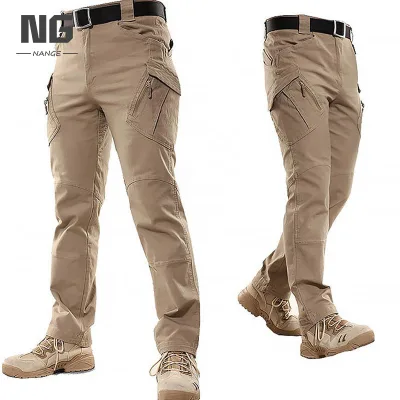
Hot Sale Pants Casual Fashion Custom Design Mens Outdoor Cargo Pants
$11.6187 - $18.0959
MOQ: 50 pieces


Comprehensive Sourcing Guide
Casual Breathable Cargo Pants Sourcing Guide
Sourcing Casual Breathable Cargo Pants requires a careful balance between functional durability and aesthetic versatility, particularly when targeting the modern male demographic. The observed market signals indicate a strong preference for loose-fit styles that prioritize comfort without sacrificing the rugged utility associated with cargo designs. Buyers must navigate a landscape where materials range from lightweight nylon to breathable cotton, each offering distinct advantages in terms of weather resistance and tactile feel. Understanding these material distinctions is critical for aligning product selection with specific end-user expectations, whether for outdoor activities or everyday urban wear.
The procurement process is further complicated by the high degree of customization available from suppliers, which can streamline branding but requires rigorous specification management. Observed listings show that manufacturers readily accept OEM requests and offer extensive color palettes, including black, blue, white, and earth tones like army green. This flexibility allows buyers to create unique product lines, yet it also demands precise communication regarding fabric weight, stitching quality, and hardware durability. Establishing clear technical requirements early in the sourcing journey ensures that the final product meets both functional standards and brand identity guidelines.
Product Scope and Observed Listing Signals
The current market for Casual Breathable Cargo Pants exhibits a wide variance in material composition, with nylon and cotton being the most frequently observed options. Nylon variants often emphasize windproof and waterproof capabilities, making them suitable for transitional weather conditions, while cotton-based options typically focus on breathability and a softer hand feel. Buyers should note that some listings specify knitted weaving methods, which may offer greater stretch and comfort compared to traditional woven fabrics. This diversity in material selection allows for targeted sourcing strategies, but it also necessitates careful evaluation of how each material performs in terms of longevity and maintenance requirements.
Color and style variations are equally diverse, with loose fits and straight patterns dominating the casual segment. Observed data indicates that suppliers offer a broad spectrum of colors, including black, blue, white, red, yellow, orange, and army green, catering to varied aesthetic preferences. Additionally, waist designs range from mid-rise to elastic options, providing flexibility for different body types and comfort levels. The presence of digital printing techniques in some listings suggests opportunities for intricate graphic designs, though buyers must verify the durability of such prints against washing and wear. Understanding these visual and structural trends helps in curating a cohesive and appealing product assortment.
Technical Specifications to Verify
Verifying technical specifications is paramount to ensuring that the cargo pants meet functional expectations, particularly regarding size consistency and fabric performance. Buyers should request detailed size charts that include both international and US sizing equivalents, as discrepancies can lead to high return rates. Observed listings provide specific size ranges, such as S(30) to 2XL(38), but it is crucial to confirm whether these measurements align with the brand’s own sizing standards. Additionally, the waist type, whether mid-rise or elastic, must be clearly defined to ensure comfort and fit, especially for unisex or men’s specific lines.
Material properties and construction details also require close scrutiny, as they directly impact the garment’s durability and comfort. Specifications such as single package dimensions and gross weight can provide insights into the fabric density and overall build quality. Buyers should verify if the pants are designed for specific seasons, such as spring, and whether features like quick-drying or eco-friendly treatments are genuinely implemented. Confirming the weaving method, whether knitted or woven, is essential for understanding the stretch and recovery properties of the fabric. These technical details form the foundation of product quality and must be validated before placing bulk orders.
Compliance and Safety Documentation
Compliance and safety documentation are critical components of the sourcing process, ensuring that the cargo pants meet international regulatory standards and consumer safety expectations. Buyers must verify that suppliers adhere to relevant EU, US, or international standards, which may vary depending on the target market. Observed listings indicate that some manufacturers offer customization of standards to match client requirements, but this flexibility should not compromise fundamental safety protocols. It is essential to request certificates of compliance that confirm the absence of harmful substances and the adherence to labeling regulations.
Safety features such as needle detection are also important indicators of manufacturing quality and consumer protection. Listings that explicitly mention needle detection services provide an additional layer of assurance regarding the integrity of the stitching and the absence of metal fragments in the final product. Buyers should confirm whether this service is performed in-house or by third-party laboratories, as this can impact the reliability of the results. Additionally, eco-friendly claims should be substantiated with appropriate certifications, ensuring that the materials and production processes align with sustainability goals. Proper documentation not only mitigates legal risks but also enhances brand credibility.
Cost Drivers and Commercial Terms
Cost drivers in the Casual Breathable Cargo Pants market are influenced by material selection, customization complexity, and order volume. Observed data suggests a price range that reflects these variables, with higher costs associated with specialized fabrics like windproof nylon or intricate digital printing. Buyers should analyze how different material choices impact the final unit cost, balancing performance requirements with budget constraints. Additionally, the level of customization, including logo placement and color matching, can affect production efficiency and pricing, so it is important to negotiate clear terms regarding these variables.
Commercial terms such as MOQ and lead times are significant factors in procurement planning. Observed listings indicate MOQs ranging from 50 to 3000 pieces, with some suppliers offering lower thresholds for sample orders. Lead times can vary, with some suppliers supporting seven-day sample order turnaround, which is beneficial for rapid prototyping. Buyers should establish clear agreements on packing methods, such as polybag or carton packaging, to ensure efficient logistics and storage. Understanding these commercial dynamics allows for more accurate cost forecasting and inventory management, reducing the risk of stockouts or excess inventory.
Supplier Qualification and Quality Control
Supplier qualification is a critical step in ensuring the reliability and consistency of Casual Breathable Cargo Pants. Buyers should assess suppliers based on their production capacity, quality control processes, and ability to meet customization requests. Observed listings indicate that many suppliers are located in regions like Fujian and Guangdong, China, which are known for their textile manufacturing expertise. However, geographic location alone is not a guarantee of quality, so buyers must conduct thorough due diligence, including factory audits and reference checks. Verifying the supplier’s experience with similar products and their ability to handle large orders is essential for long-term partnership success.
Quality control measures must be rigorously enforced throughout the production process to maintain product standards. Buyers should implement pre-production samples, in-line inspections, and final random inspections to catch defects early. The availability of needle detection services and eco-friendly certifications should be verified as part of the quality assurance protocol. Additionally, clear communication channels with the supplier are vital for addressing any issues that arise during production. Establishing a robust quality control framework not only ensures product consistency but also builds trust and reliability in the supply chain, reducing the likelihood of costly errors or delays.
Long-Term Procurement Checks
Long-term procurement checks involve continuous monitoring of supplier performance and market trends to ensure sustained value and quality. Buyers should regularly review supplier metrics, such as on-time delivery rates, defect rates, and responsiveness to issues, to identify areas for improvement. Observing changes in material availability and pricing trends can help in anticipating cost fluctuations and adjusting sourcing strategies accordingly. Additionally, staying informed about emerging fashion trends and consumer preferences allows buyers to adapt their product offerings to maintain relevance and competitiveness in the market.
Building a resilient supply chain requires diversification and strong relationships with multiple suppliers. Buyers should avoid over-reliance on a single source by qualifying alternative suppliers who can meet similar quality and cost requirements. Regular communication and collaboration with suppliers can foster innovation and continuous improvement, leading to better product outcomes. Furthermore, implementing feedback loops from end-users can provide valuable insights into product performance and areas for enhancement. By maintaining a proactive approach to procurement, buyers can mitigate risks and capitalize on opportunities, ensuring long-term success in the Casual Breathable Cargo Pants market.
FAQs
What materials are used for Casual Breathable Cargo Pants?
These pants are primarily crafted from nylon and cotton to ensure durability and comfort. The nylon variants offer windproof and waterproof properties, while cotton options provide a breathable feel. Both materials support quick-drying performance, making them suitable for various outdoor activities and casual wear in different weather conditions.
Can I customize the colors and logos on these pants?
Yes, customization is available for colors, logos, and other design elements. Buyers can select from options like black, blue, white, red, yellow, orange, army green, and gray. The production process supports OEM services, allowing brands to tailor the appearance and branding to match their specific market requirements and aesthetic preferences.
What is the minimum order quantity for these cargo pants?
The minimum order quantity typically ranges from 50 to 3000 pieces, with a common baseline of 1000 pieces for many listings. This flexibility allows businesses of various sizes to place orders that fit their inventory needs. Buyers should confirm the exact MOQ with the supplier, as it may vary based on customization levels and production schedules.
Are these pants suitable for spring and summer seasons?
Yes, these pants are designed for spring and general casual wear. Features like breathable fabric, loose styles, and quick-drying capabilities make them ideal for warmer weather. The straight pattern and mid-waist or elastic waist designs ensure comfort and ease of movement, catering to active lifestyles during seasonal transitions and mild climates.
Where are these Casual Breathable Cargo Pants manufactured?
These pants are manufactured in China, with specific production locations including Fujian and Guangdong provinces. The origin ensures access to established textile supply chains and manufacturing expertise. Buyers can expect products to meet international standards, with options for customized specifications and packaging to align with global distribution requirements and quality expectations.
What sizes are available for these men's and unisex pants?
Sizes range from small to extra-large, including US sizes S(30), M(32), L(34), XL(36), and 2XL(38). Additional size options like 29, 32, 34, 36, 38, 40, 42, and 44 are also available. The pants cater to both men and unisex markets, offering a loose fit and straight pattern for versatile styling and comfort.