Source Aquarium Decoration Black Crystal Sand for Fish Tanks, Gardens, Agriculture
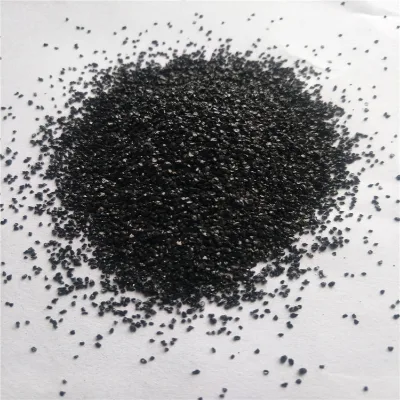
Compare 30 listings for Aquarium Decoration Black Crystal Sand suitable for fish tanks, garden landscaping, and agricultural support. Buyers can review specifications like mesh size, color options, and packaging details from verified Chinese suppliers; compare the available evidence and request quotations based on your requirements.
Updated
Key considerations
Products List


Comprehensive Sourcing Guide
Aquarium Decoration Black Crystal Sand Sourcing Guide
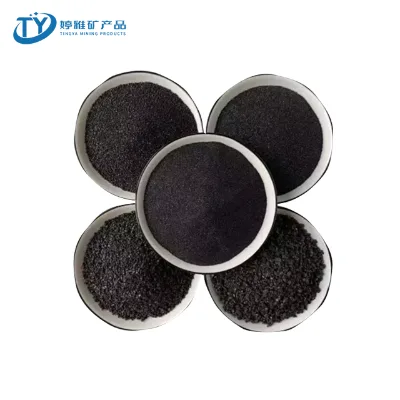
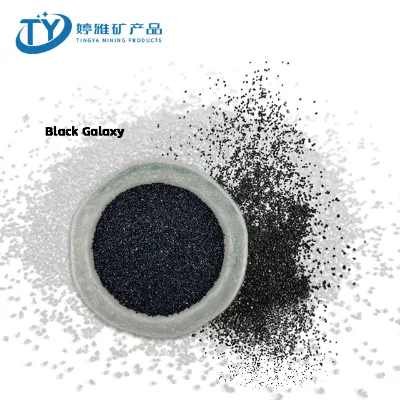
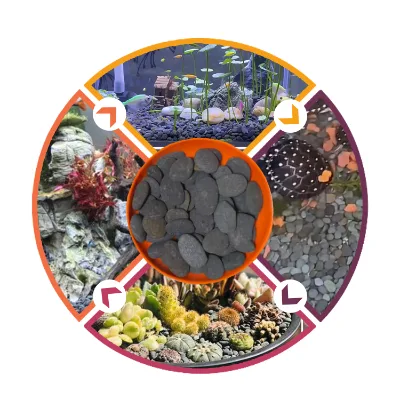
Sourcing high-quality black crystal sand for aquariums requires a nuanced understanding of material composition, particle size distribution, and aesthetic consistency. Buyers must distinguish between natural mineral sands and synthetic alternatives, as the latter may offer different durability and color stability profiles. The visual appeal of black crystal sand often relies on its reflective properties and uniform darkness, which can enhance the contrast of aquatic plants and fish. Procurement teams should prioritize suppliers who provide clear specifications regarding the sand’s origin, processing methods, and any treatments applied to achieve the desired finish.
Beyond aesthetics, the functional performance of the substrate is critical for aquarium health. The sand must be inert, ensuring it does not alter water chemistry parameters such as pH or hardness, which can stress aquatic life. Buyers should verify that the product is free from dust, fine silt, and harmful contaminants that could cloud water or harm beneficial bacteria colonies. Understanding the balance between decorative appeal and biological safety is essential for selecting the right substrate, ensuring that the aquarium environment remains stable and visually striking over time.
Product Scope and Observed Listing Signals
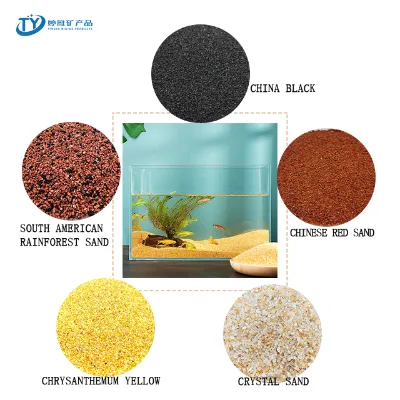
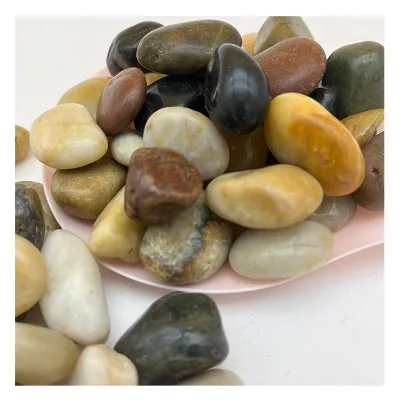
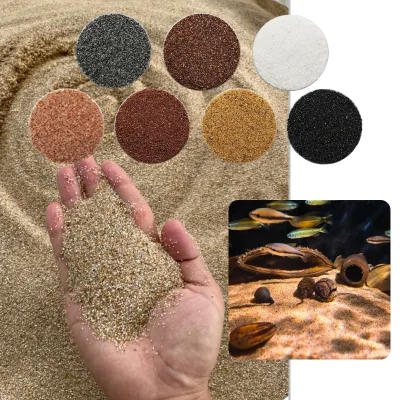
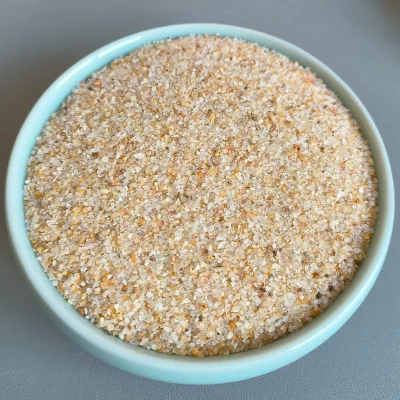
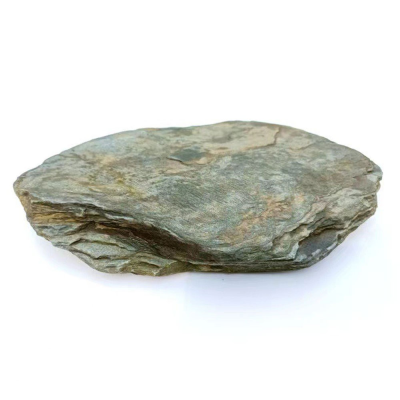
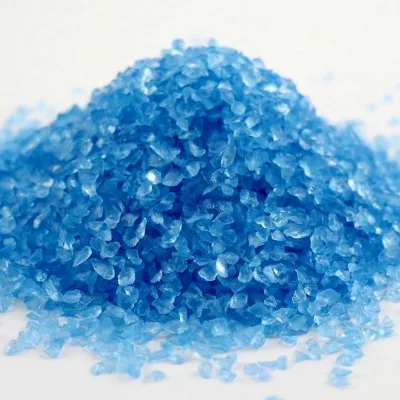
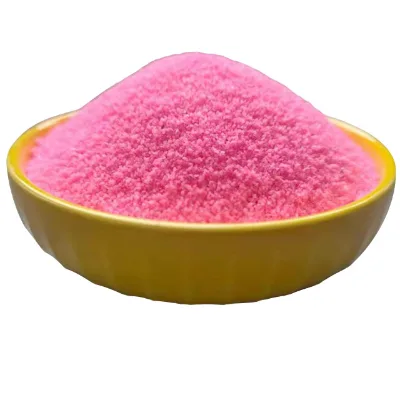
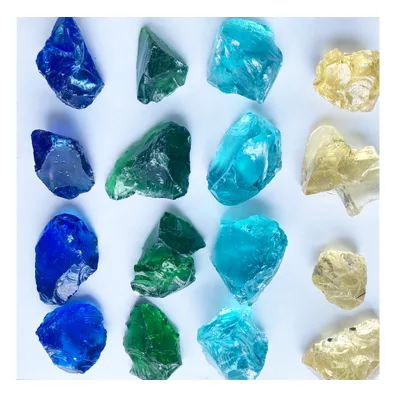
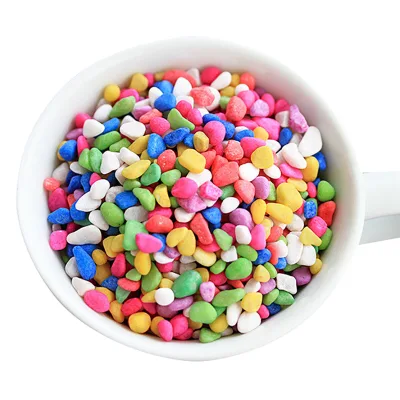
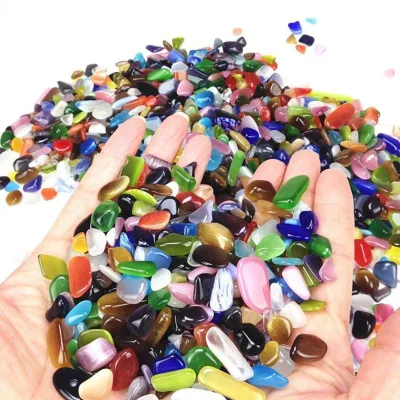
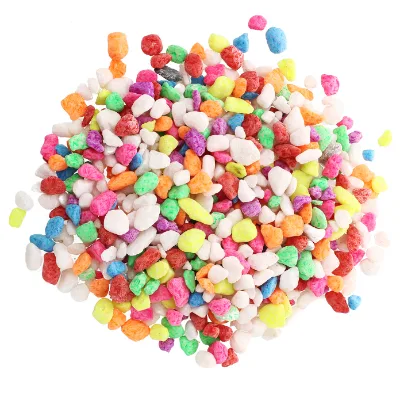
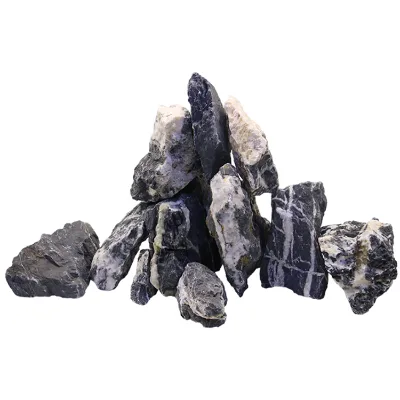
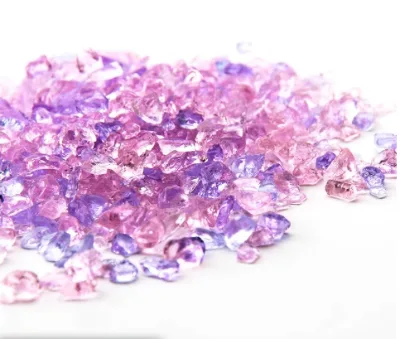
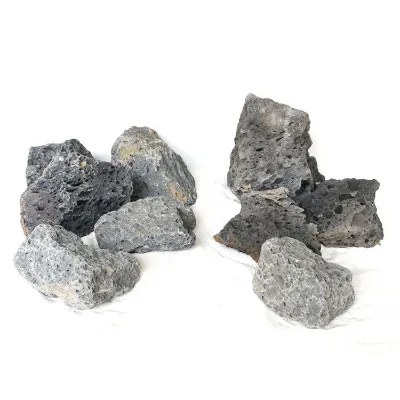
Market listings for aquarium substrates reveal a diverse range of products, including natural sand, garnet sand, and specialized decorative stones. Observed data indicates that products are often categorized by mesh size, with common ranges including 10-20 mesh, 20-40 mesh, 40-80 mesh, and 80-120 mesh. These specifications directly influence the grain size, affecting both the aesthetic texture and the suitability for different types of aquatic plants. Buyers should note that some listings offer multicolor options, while others focus on specific hues like black, red, or natural tones, allowing for customized aquarium designs.
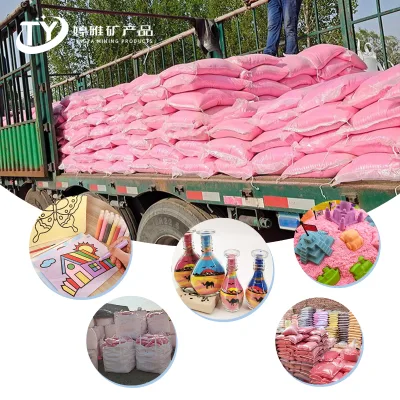
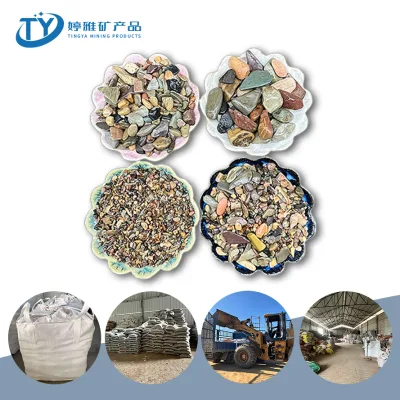
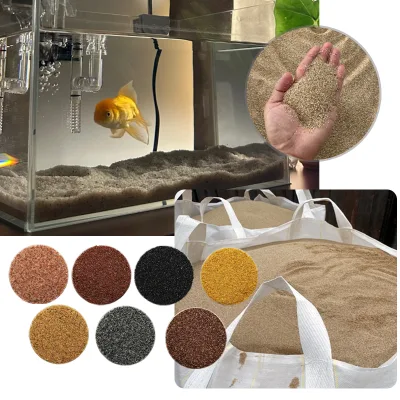
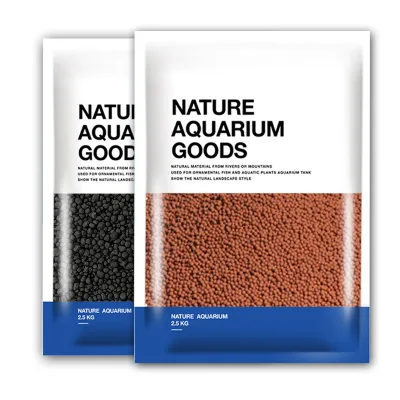
Packaging and weight specifications are also key signals in product listings. Typical packaging includes bags, carton boxes, and pallet packing, with individual bag weights often standardized at 25 kg. This consistency simplifies logistics and inventory management for bulk buyers. Additionally, some products are marketed with specific features such as being dust-free, cloudiness-free, and safe for both animals and plants. These claims should be cross-referenced with technical data sheets to ensure they align with the buyer’s specific requirements for water clarity and biological safety.
Technical Specifications to Verify
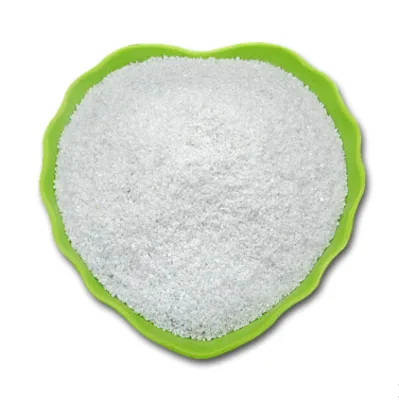
Particle size distribution is a primary technical specification that buyers must verify to ensure the sand meets their aquarium’s needs. The available mesh sizes, ranging from 0.12-0.18mm to 0.85-2mm, offer varying levels of detail and root penetration for plants. Buyers should select a size that balances aesthetic preference with functional requirements, such as preventing small fish from inhaling large grains. It is crucial to confirm that the supplier provides accurate sieve analysis data to validate the stated mesh ranges, ensuring consistency across batches.
Material composition and physical properties are equally important. The sand should be chemically inert to prevent leaching of harmful substances into the water. Buyers should request information on the sand’s density, hardness, and shape, as irregular and round sizes can affect water flow and plant anchoring. Additionally, verifying the absence of dust and fine particles is essential to maintain water clarity. Suppliers should provide evidence of washing and processing steps that remove impurities, ensuring the product is ready for immediate use in sensitive aquarium environments.
Compliance and Safety Documentation
Safety documentation is paramount when sourcing aquarium substrates, as the material will be in direct contact with aquatic life. Buyers should require certificates of analysis (COA) that confirm the sand is free from heavy metals, pesticides, and other toxic contaminants. These documents should detail the results of chemical tests, ensuring that the sand does not alter water chemistry parameters such as pH, hardness, or ammonia levels. Compliance with relevant aquatic safety standards is essential to protect fish, invertebrates, and beneficial bacteria colonies.
Environmental and handling safety is another critical area. Buyers should verify that the product is labeled as eco-friendly and safe for use in planted tanks. Documentation should also include information on the sand’s origin and processing methods, ensuring that no harmful chemicals were used during extraction or treatment. Suppliers should provide clear instructions on handling and disposal, minimizing environmental impact. By prioritizing suppliers with robust safety documentation, buyers can mitigate risks and ensure a healthy aquarium ecosystem.
Cost Drivers and Commercial Terms
Several factors influence the cost of Aquarium Decoration Black Crystal Sand, including material quality, particle size, and packaging. Premium sands with consistent color and fine mesh sizes often command higher prices due to the additional processing required. Buyers should consider the total cost of ownership, including shipping and handling, as bulk orders may benefit from pallet packing efficiencies. Understanding these cost drivers helps in budgeting and negotiating favorable terms with suppliers.
Commercial terms such as minimum order quantity (MOQ), lead times, and payment conditions also impact procurement decisions. Observed MOQs range from 1 to 200 units, offering flexibility for both small and large buyers. Lead times can vary based on production capacity and shipping logistics, so buyers should confirm delivery schedules early in the process. Negotiating flexible payment terms and clear return policies can further reduce risk, ensuring that buyers receive products that meet their specifications and quality expectations.
Supplier Qualification and Quality Control
Supplier qualification is a critical step in ensuring the reliability and consistency of aquarium substrates. Buyers should assess suppliers based on their production capabilities, quality control processes, and track record in the aquarium industry. Verifying certifications and compliance with industry standards is essential to confirm that the supplier adheres to best practices in material sourcing and processing. Suppliers with a history of delivering high-quality products are more likely to meet the buyer’s expectations for consistency and safety.
Quality control measures should include regular testing of raw materials and finished products to ensure compliance with specified standards. Buyers should request samples for evaluation before placing large orders, allowing them to assess color, texture, and cleanliness firsthand. Establishing clear communication channels with suppliers for addressing quality issues is also important. By prioritizing suppliers with robust quality control systems, buyers can minimize the risk of receiving substandard products and ensure a successful procurement outcome.
Long-Term Procurement Checks
Long-term procurement success depends on continuous monitoring of supplier performance and product quality. Buyers should establish key performance indicators (KPIs) to track metrics such as delivery times, product consistency, and customer satisfaction. Regular audits and feedback loops with suppliers can help identify areas for improvement and strengthen the partnership over time. By maintaining open communication and setting clear expectations, buyers can ensure that their suppliers remain aligned with their evolving needs.
Additionally, buyers should stay informed about market trends and technological advancements in aquarium substrates. This includes monitoring changes in material availability, pricing fluctuations, and new product innovations. Regularly reviewing and updating procurement strategies ensures that buyers remain competitive and responsive to market dynamics. By adopting a proactive approach to supplier management and market analysis, buyers can secure a reliable supply of high-quality Aquarium Decoration Black Crystal Sand for their operations.
FAQs
What sizes are available for natural aquarium sand?
Natural aquarium sand is available in multiple size ranges including 0.85-2mm, 0.43-0.85mm, 0.18-0.43mm, and 0.12-0.18mm. These sizes support various aquarium setups and plant growth requirements while ensuring fine texture without dust or cloudiness for clear water visibility.
Can I customize the color of the aquarium sand?
Yes, customization is available for natural aquarium sand with options including white, black, gray, red, yellow, green, and brown. Buyers can select specific colors to match their aquarium landscaping needs while maintaining the natural raw stone characteristics and eco-friendly features of the product.
How is the natural sand packaged for shipping?
The product is packaged in bags, carton boxes, or pallet packing to ensure safe transport. Each bag typically weighs 25 kg, and the packaging is designed to prevent damage during transit while keeping the sand clean and free from dust or cloudiness issues.
Is the sand safe for fish and plants?
Yes, the sand is explicitly designed to be animal and plant safe with no dust or cloudiness. It features beautiful soft colors and irregular particles that provide a natural substrate for fish tanks, supporting healthy aquatic environments without releasing harmful particles into the water.
What is the origin of the aquarium substrate sand?
The product originates from China, specifically from the Hebei region. This location ensures access to high-quality natural raw stone materials that are processed into fine aquarium sand suitable for various decorative and agricultural applications while maintaining consistent quality standards.
Does the supplier accept OEM orders for sand?
Yes, OEM orders are acceptable for natural aquarium sand products. Buyers can request custom specifications or branding while utilizing the available customization options to meet specific project requirements for aquarium landscaping or other decorative uses involving fish tank bottom sand.
What mesh sizes are offered for the sand?
The sand is offered in standard mesh sizes including 6-10mesh, 10-20mesh, 20-40mesh, 40-80mesh, and 80-120mesh. These specifications allow buyers to select the exact particle size needed for their specific aquarium setup or landscaping project requirements.