Source Battery Powered SOS Toilet Lift for Seniors
Find 30 Battery Powered SOS Toilet Lift options designed for elderly care and pregnancy support. Compare electric lifting features, weight capacities up to 150kg, and CE certified models from China to find the right assistive device for your needs; compare the available evidence and request quotations based on your requirements.
Key considerations
Products List


Home Care Multifunctional Powered Toilet Lifter Automatic Toilet Seat Lift
$567.00 - $636.00
MOQ: 1 Boxes

Electric Toilet Lifting Elderly Movable Commode Lifts Powered Toilet Lift
$295.00 - $365.00
MOQ: 1 Boxes


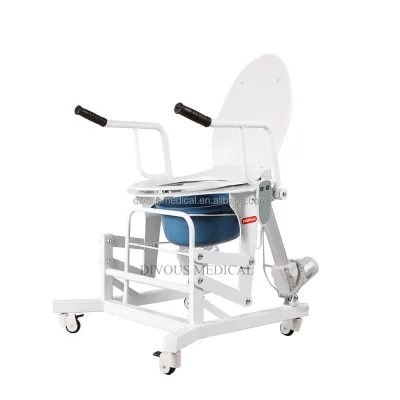
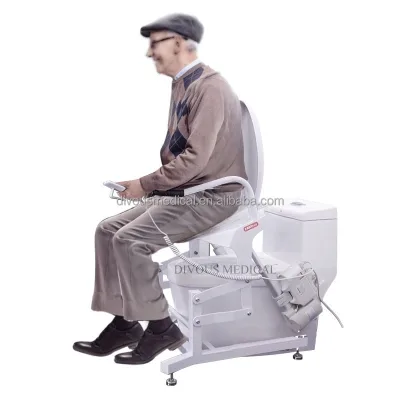
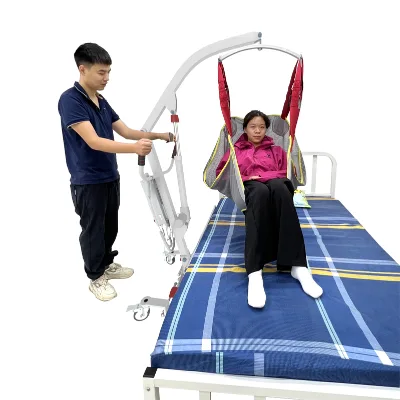


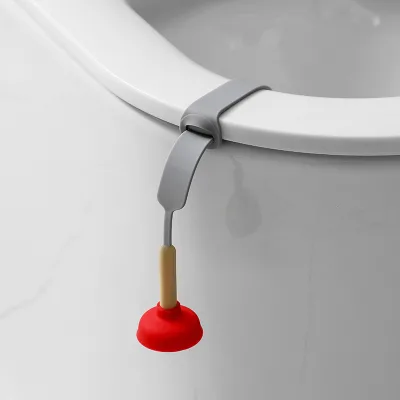
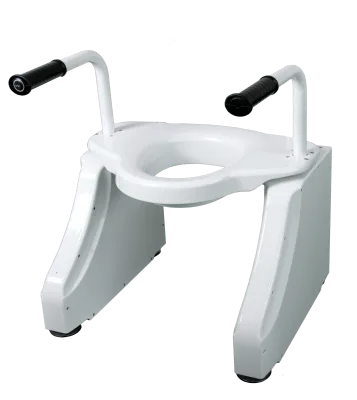


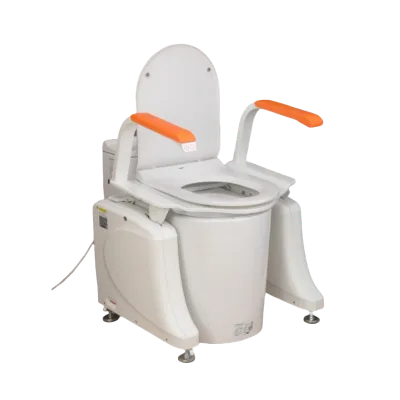

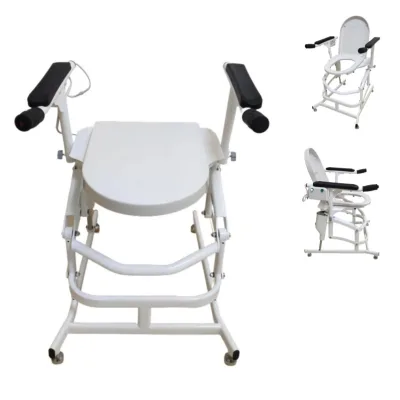
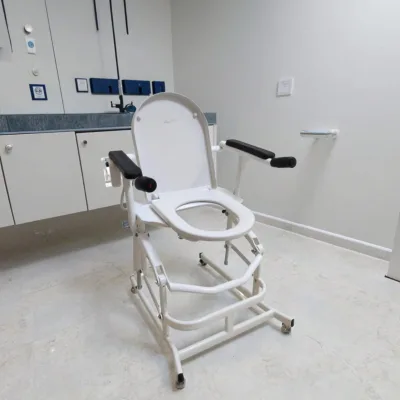
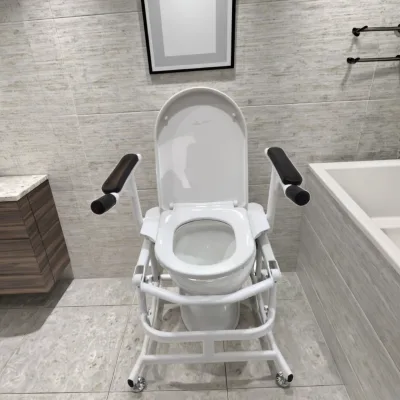


Tool Free and Portable Toilet Seat with Electric Lift Button for Disabled
$450.00 - $585.00
MOQ: 50 Pieces


Comprehensive Sourcing Guide
Battery Powered SOS Toilet Lift Sourcing Guide
Procurement teams must first distinguish between general electric lifting chairs and specialized battery-powered SOS toilet lifts, as the supplied data reveals a mix of product types including standard electric wheelchairs and general lifting chairs. The observed listings indicate models with specific lifting ranges and power sources, yet buyers must verify that the "toilet" application is explicitly supported by the manufacturer rather than assumed from general electric lift features. This distinction is critical because a standard electric chair with a 150kg capacity may lack the specific waterproofing or structural design required for wet bathroom environments.
Buyers should scrutinize the power supply specifications to ensure the unit relies on a battery system suitable for emergency or independent operation, as some listed items utilize remote controls or DC24V inputs that may require constant external power. The presence of IP44 waterproof ratings in the data suggests that some units are designed for moisture resistance, but this must be confirmed for the specific model intended for toilet use. Without explicit confirmation of battery autonomy and emergency SOS functionality, the procurement may result in acquiring a standard electric lift that fails to meet the critical safety needs of users in a bathroom setting.
Product Scope and Observed Listing Signals
The market data indicates a diverse range of electric lifting products with varying characteristics, including models described as having "Beautiful, Fashion, Design Sense" attributes alongside functional requirements like "Resistance to Heavy" loads. While the listings mention applications for children, pregnant women, and the elderly, the specific "toilet" function is only explicitly noted for one model with a "Properties: toilet" attribute, requiring careful filtering to isolate the correct product category. Procurement teams must avoid conflating general electric wheelchairs or standard lifting chairs with the specialized SOS toilet lift, as the latter demands specific structural and safety features not present in all listed items.
Observed listing signals show significant variation in dimensions, with standard sizes ranging from 65x58x65cm to 89.5x58.5x34.5cm, which directly impacts installation feasibility in standard bathroom layouts. The presence of "Non-Folding" and "Non-Tilted" attributes in some listings suggests that space-saving designs may be limited, necessitating precise measurement of the target installation area before ordering. Buyers must verify that the "Carton with Styrofoam" or "Polystyrene" packing methods are sufficient to protect the delicate electronic components during transit, especially for units intended for sensitive medical or elderly care environments.
Technical Specifications to Verify
Technical verification must prioritize the lifting range and weight capacity, as the data shows specific ranges like 35cm or 25cm and capacities of 135kg or 150kg that vary by model. Buyers should confirm that the seat lifting range, such as the "From 40cm to 75cm" specification, aligns with the user's specific height and the height of the toilet fixture to ensure safe and independent transfer. The "Inclination Angle" of 15-16 degrees and "Leg Rest Type" of "Both Sides Separate" are also critical parameters that affect user comfort and stability during the lifting process, requiring precise matching to the end-user's physical needs.
Power system integrity is another vital technical area, with listings indicating both "Battery" and "Remote Control" power supplies alongside a "DC24V" rated voltage. Procurement teams must verify the battery type, capacity, and charging cycle to ensure the unit can operate reliably during power outages or for extended periods without external connection. Additionally, the "Waterproof: IP44" rating observed in some models must be validated for the specific bathroom environment, as this rating protects against water splashes but may not be sufficient for direct immersion or high-pressure cleaning scenarios common in medical facilities.
Compliance and Safety Documentation
Safety documentation must include valid CE and RoHS certifications, which are explicitly listed for several models in the provided data, ensuring compliance with European safety and environmental standards. Buyers should request the full certification dossier to verify that the specific model number, such as XFL-LWY-002R or XFL-QX-YW01, is covered under the current certification batch, as certifications can sometimes be model-specific or expire. The presence of ISO certification in the general product attributes further suggests a commitment to quality management, but this must be cross-referenced with the specific unit being purchased to ensure it applies to the manufacturing batch.
Warranty and liability terms are equally critical, with the observed data specifying a "One Year" warranty period for the products. Procurement teams must clarify the scope of this warranty, specifically whether it covers the battery, motor, and electronic control systems, which are the most common points of failure in electric lifting devices. It is essential to confirm that the warranty includes on-site service or replacement parts for the specific "toilet" application, as standard warranties may exclude water-related damage or misuse in wet environments if not explicitly stated in the contract.
Cost Drivers and Commercial Terms
Cost structures for battery-powered SOS toilet lifts are influenced by the complexity of the electric lifting mechanism, the quality of the battery system, and the specific waterproofing features required for bathroom use. The observed price range of 0.1 to 2469 USD suggests a wide disparity between basic models and high-specification units, necessitating a clear definition of required features to avoid overpaying for unnecessary functions or under-specifying for critical safety needs. Buyers should analyze the cost per kilogram of load capacity and the cost per centimeter of lifting range to determine the true value proposition of each supplier offering.
Commercial terms such as Minimum Order Quantity (MOQ) and lead times vary significantly, with observed MOQs ranging from 1 to 1000 units, which impacts the feasibility for small-scale procurement or pilot programs. The "Customization: Available" attribute indicates that suppliers may offer tailored solutions, but this often incurs additional costs and longer lead times that must be factored into the project timeline. Procurement teams should negotiate clear terms regarding payment schedules, shipping responsibilities, and the handling of defective units to mitigate financial risk, especially given the specialized nature of the product.
Supplier Qualification and Quality Control
Supplier qualification requires a thorough review of the manufacturing origin, with the data indicating production in China and specifically Fujian, a region known for medical equipment manufacturing. Buyers should verify the supplier's production capacity and quality control processes to ensure consistent output, particularly for units with complex electronic components like the "Electric Lifting" and "Auto Raise up and Down" features. The "New" condition of the products is a baseline requirement, but buyers must also assess the supplier's track record for delivering units that meet the specific "Resistance to Heavy" and "Multi-Function" claims observed in the listings.
Quality control protocols must include pre-shipment testing for critical safety features, such as the "Loading Weight" capacity and the reliability of the "Battery" power supply. Suppliers should provide test reports or third-party verification for the "IP44" waterproof rating and the "DC24V" electrical safety standards to ensure the units are safe for use by vulnerable populations like the elderly or patients. It is advisable to request a sample unit for independent testing before placing a large order, allowing the buyer to verify that the "Seat Height" and "Inclination Angle" match the specifications provided in the product data.
Long-Term Procurement Checks
Long-term procurement success depends on establishing a robust supply chain for spare parts, particularly for the battery, motor, and control systems that are essential for the "Electric Lift" functionality. Buyers should negotiate a long-term agreement that guarantees the availability of replacement parts for at least five to ten years, ensuring that the units remain operational throughout their intended lifespan. The "One Year" warranty is a starting point, but a proactive maintenance plan and access to technical support are necessary to address wear and tear in high-use environments like hospitals or care homes.
Regular performance audits should be conducted to verify that the units continue to meet the "Loading Weight" and "Lifting Range" specifications over time, as mechanical components can degrade with frequent use. Procurement teams must also monitor changes in regulatory standards, such as updates to CE or ISO requirements, to ensure that the fleet of lifts remains compliant with evolving safety laws. By maintaining a close relationship with the supplier and conducting periodic reviews, buyers can ensure that the battery-powered SOS toilet lifts continue to provide safe and reliable service for their intended applications.
FAQs
Can the Battery Powered SOS Toilet Lift support heavy users?
Yes, the Battery Powered SOS Toilet Lift supports a loading weight of up to 150kg or 330lbs. This robust capacity ensures safe and stable operation for elderly, pregnant, or disabled users. The sturdy steel or stainless steel construction provides reliable durability, making it suitable for daily use in various home or clinical environments without compromising safety.
What is the seat lifting range for this electric toilet chair?
The seat lifting range varies by model, typically extending from 40cm to 75cm or offering a 35cm adjustment span. This electric lifting feature allows users to raise and lower the seat easily using remote control or battery power. It facilitates comfortable sitting and standing, reducing strain on the back and knees for seniors and patients requiring assistance.
Which certifications do these battery powered toilet lifts have?
These battery powered sos toilet lifts generally hold CE, RoHS, and ISO certifications. These standards confirm compliance with international safety and environmental regulations. Buyers can verify specific model documentation to ensure the product meets local regulatory requirements. The certifications provide assurance regarding electrical safety, material toxicity, and manufacturing quality for global distribution and use.
How is the battery powered toilet lift powered and controlled?
The unit is powered by a DC24V battery system, ensuring cordless operation and mobility. Control is typically managed via a remote control or integrated buttons for electric lifting. This design allows users to adjust the seat height independently without needing external power outlets. The battery-powered mechanism supports convenient daily use in bathrooms where electrical access may be limited.
What are the standard dimensions and packaging for these lifts?
Standard dimensions range approximately from 65x58x65cm to 89.5x58.5x34.5cm depending on the model. Products are packed in cartons, often with styrofoam or polystyrene for protection during shipping. These specifications help buyers plan bathroom space and logistics. The non-folding design ensures structural integrity, while the packaging minimizes damage risks during international freight transport.
Is customization available for battery powered sos toilet lifts?
Yes, customization is available for these battery powered sos toilet lifts. Buyers can request specific modifications to meet unique user needs or branding requirements. This flexibility allows for tailored solutions in color, material, or functional adjustments. Customized options enhance user comfort and aesthetic integration into various bathroom designs, supporting diverse procurement needs for healthcare facilities or individual households.