Source Cutting Grass Tyre Pin for lawn mowers, golf carts, and trailers
Find reliable Cutting Grass Tyre Pin options for lawn mowers, golf carts, and trailers. Compare 30 verified products with varying load capacities, sizes, and certifications to match your machinery needs; compare the available evidence and request quotations based on your requirements.
Updated
Key considerations
Products List


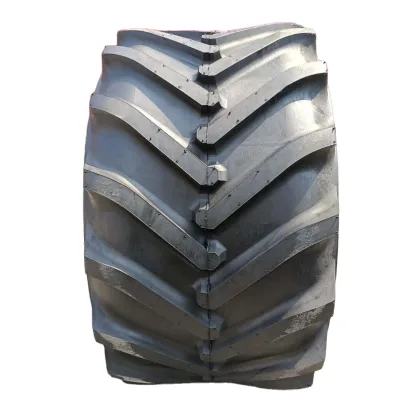
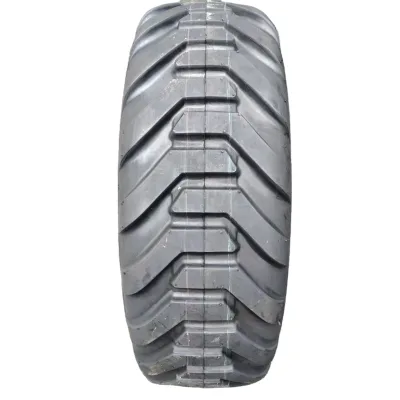
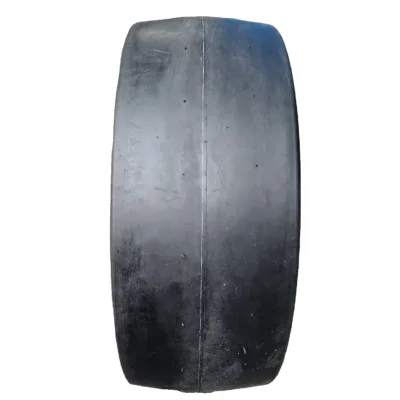
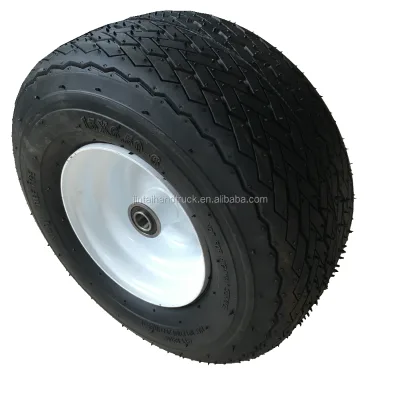
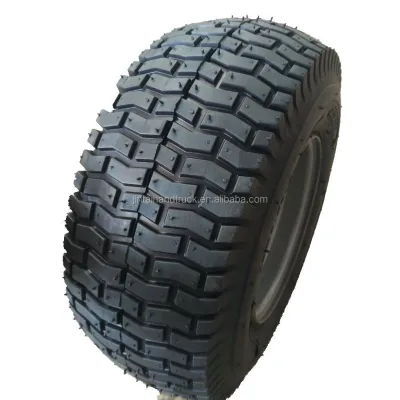
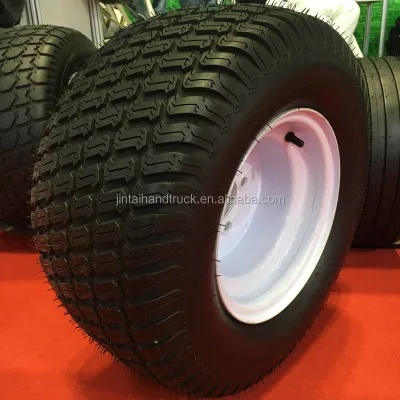
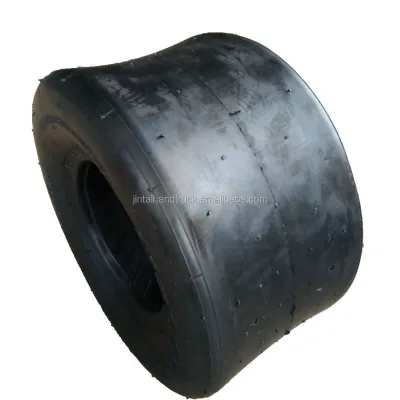
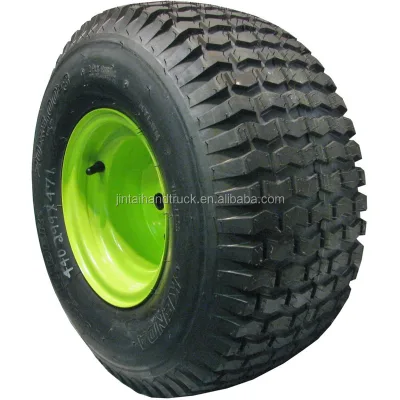
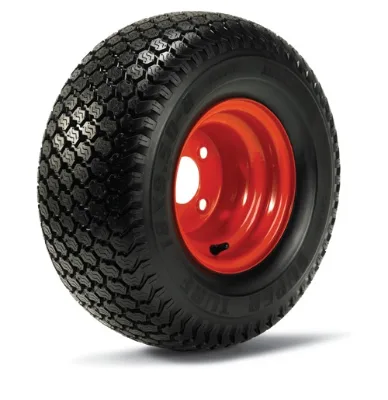
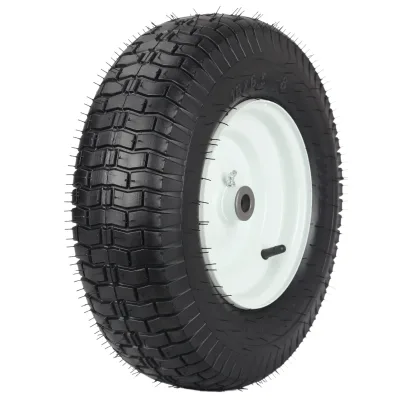


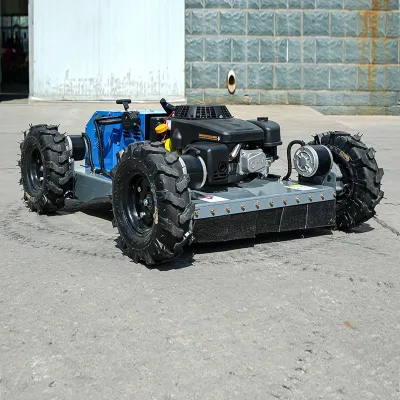

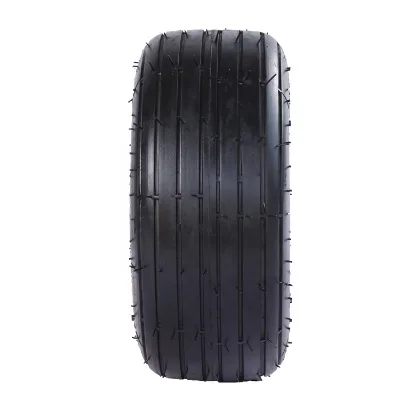
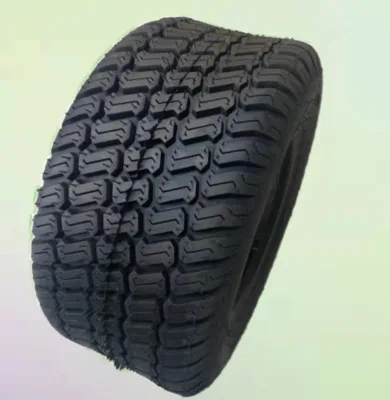
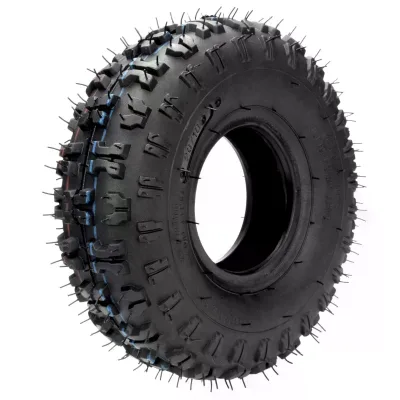
3.50-8 Grass Cutter Tyre with Gem Pattern for Europe South America etc.
$12.00 - $14.00
MOQ: 100 Pieces




Comprehensive Sourcing Guide
Cutting Grass Tyre Pin Sourcing Guide
Sourcing replacement components for lawn and turf machinery requires a precise understanding of the mechanical interfaces that secure tires to rims. While the core keyword focuses on the pin, the broader ecosystem includes the tire itself, which must match the pin’s load-bearing requirements. Buyers often encounter listings for complete tire assemblies rather than isolated pins, necessitating a clear distinction between the fastening hardware and the rubber component. This guide addresses the procurement of these critical elements, ensuring that the selected parts maintain structural integrity under operational stress.
The procurement process must account for the specific dimensions and material properties of both the tire and its securing hardware. Observed market data indicates a wide range of tire specifications, from bias-belted designs to steel-wire constructions, each demanding compatible pin systems. Understanding the relationship between the tire’s ply rating, load capacity, and the pin’s shear strength is essential for preventing premature failure. This guide provides a structured approach to evaluating these interdependent components, helping buyers make informed decisions that align with their machinery’s operational demands and safety standards.
Product Scope and Observed Listing Signals
The current market for cutting grass tire components reveals a diverse array of products, primarily centered around complete tire assemblies rather than isolated pins. Listings frequently highlight tires with specific hierarchies, such as 14PR or 16PR, indicating their load-bearing capabilities. These tires are often described as having reinforced treads and durable sidewalls, designed to withstand the abrasive conditions typical of lawn and turf applications. Buyers should note that while the pin is a critical fastener, it is rarely sold separately in high-volume B2B channels, making the tire’s compatibility with existing pin systems a primary verification step.
Observed product attributes suggest a strong emphasis on durability and customization. Many suppliers offer tires with premium wear-resistant rubber and excellent abrasion resistance, catering to heavy-duty usage. The presence of OEM and ODM branding indicates that manufacturers are willing to tailor specifications, including sidewall markings and packaging, to meet specific buyer requirements. However, the absence of inner tubes in many listings points to a trend toward tubeless designs, which may influence the type of pin or rim interface required. Buyers must carefully cross-reference these tire specifications with their machinery’s existing hardware to ensure a seamless fit.
Technical Specifications to Verify
Verifying technical specifications is paramount when sourcing tire components for cutting grass equipment. Key parameters include the tire size, such as 13x6.50-6 or 11.5/80-15.3, which must match the rim diameter and width precisely. The section width and outer diameter, often listed in millimeters, determine the tire’s footprint and ground clearance, affecting the machinery’s stability and cutting efficiency. Buyers should also pay close attention to the ply rating, as higher ratings like 14PR or 16PR indicate greater resistance to punctures and deformation under load. These specifications directly influence the choice of pin, which must be robust enough to secure the tire against rotational forces.
Material composition and construction type are equally critical verification points. Tires may be constructed with nylon cord materials or steel wire, each offering different flexibility and strength profiles. The operating temperature range, typically cited as -30°C to +60°C, ensures performance across various environmental conditions. Additionally, the load capacity, sometimes specified as 200kgs or higher, must be sufficient for the machinery’s weight and operational dynamics. Buyers should request detailed technical drawings or cross-sections to confirm the internal structure and ensure that the pin’s mounting points align with the tire’s bead and rim interface.
Compliance and Safety Documentation
Compliance with international standards is a non-negotiable aspect of sourcing tire components for commercial and industrial use. Listings often cite certifications such as ECE, CCC, ISO, CE, DOT, RoHS, and GS, indicating adherence to specific regional and global safety regulations. These certifications ensure that the tires meet rigorous testing criteria for durability, performance, and environmental impact. Buyers must verify that the provided documentation is current and applicable to their target markets, as non-compliant products can lead to legal liabilities and operational disruptions. The presence of these certifications also serves as a proxy for the manufacturer’s quality management systems.
Safety documentation should also include detailed instructions for installation and maintenance, particularly regarding the pin and rim interface. Proper installation is crucial to prevent tire detachment, which can result in severe accidents. Buyers should ensure that the supplier provides clear guidelines on torque specifications and pin retention methods. Additionally, warranty terms, such as the 24-month coverage observed in some listings, offer protection against manufacturing defects. Understanding the scope of these warranties and the process for claims is essential for managing long-term risk and ensuring that the procurement investment is safeguarded against premature failures.
Cost Drivers and Commercial Terms
Cost drivers for cutting grass tire components are influenced by material quality, construction complexity, and order volume. Premium wear-resistant rubber and reinforced treads typically command higher prices due to their enhanced durability and performance. The ply rating also plays a significant role, with higher ratings like 16PR requiring more material and labor, thus increasing the unit cost. Buyers should analyze the price range, which can vary from $1.6 to $900, depending on the tire size and specifications. Understanding these variables helps in budgeting accurately and identifying potential cost-saving opportunities without compromising on quality.
Commercial terms, including MOQ and lead times, are critical for supply chain planning. Observed MOQs range from 20 to 2000 pieces, allowing for flexibility in order sizes. However, larger orders may benefit from volume discounts, reducing the per-unit cost. Lead times can vary based on customization requirements and production capacity, with some suppliers offering monthly supply abilities of up to 10,000 pieces. Buyers should negotiate clear terms regarding packaging, such as bulk, woven bags, or palletized shipments, to minimize handling costs and ensure safe delivery. Transparent communication about these terms helps in avoiding unexpected expenses and delays.
Supplier Qualification and Quality Control
Supplier qualification is a vital step in ensuring the reliability of tire components. Buyers should verify the supplier’s production capabilities, including their facility locations in regions like Qingdao, Shandong, or Guizhou, which are known for manufacturing expertise. Assessing the supplier’s quality control processes, such as in-line inspections and final product testing, is essential to confirm that the tires meet the specified standards. Requesting samples for physical inspection allows buyers to evaluate the rubber quality, sidewall durability, and overall construction. This due diligence helps in identifying suppliers who consistently deliver high-quality products.
Quality control should also extend to the documentation and certification provided by the supplier. Buyers must ensure that the certifications, such as ISO and CE, are valid and issued by recognized bodies. Additionally, verifying the supplier’s ability to provide customized solutions, such as specific sidewall markings or packaging, indicates their flexibility and customer focus. Establishing a clear communication channel for addressing quality issues is crucial for maintaining a productive relationship. Regular audits or third-party inspections can further enhance confidence in the supplier’s ability to meet ongoing quality expectations and deliver consistent performance.
Long-Term Procurement Checks
Long-term procurement success depends on continuous monitoring of supplier performance and product reliability. Buyers should establish key performance indicators (KPIs) to track metrics such as delivery times, defect rates, and customer satisfaction. Regular feedback loops with the supplier can help identify areas for improvement and foster a collaborative relationship. Additionally, staying informed about industry trends and technological advancements in tire construction can provide opportunities for upgrading to more efficient or durable components. This proactive approach ensures that the procurement strategy remains aligned with evolving business needs and market conditions.
Reviewing warranty claims and failure modes is another critical aspect of long-term procurement. Analyzing the reasons for any product failures can help in refining specifications and selecting more suitable components. Buyers should also consider the total cost of ownership, including maintenance and replacement costs, rather than just the initial purchase price. By focusing on durability and performance, buyers can reduce downtime and operational costs over time. Regularly reassessing the supplier base and exploring alternative options can also mitigate risks and ensure a resilient supply chain for cutting grass tire components.
FAQs
What certifications are available for Cutting Grass Tyre Pin products?
Available certifications include ECE, CCC, ISO, CE, DOT, RoHS, and GS. These standards ensure compliance with international safety and quality requirements for agricultural and turf machinery tires. Buyers can verify specific documentation to meet regional regulatory needs for equipment operating in diverse environments.
Can I request custom sidewall markings for these tires?
Yes, custom sidewall markings are supported for these tire products. This customization allows buyers to brand their equipment or specify unique identifiers for fleet management. The manufacturer accommodates these requests to enhance product visibility and operational tracking for specialized lawn and turf machinery applications.
What is the warranty period for these agricultural tires?
The standard warranty period is 24 months. This coverage protects against manufacturing defects and ensures reliability for heavy-duty use. Buyers benefit from this guarantee when deploying tires on lawn mowers, golf carts, and trailers, providing confidence in the product's durability and performance over time.
Which tire specifications are suitable for lawn and turf machinery?
Specifications include sizes like 13x6.50-6 and 11.5/80-15.3, with load capacities up to 200kgs. These dimensions are optimized for lawn mowers, golf carts, and trailers. The tires feature reinforced treads and high load capacity, ensuring stability and traction for various turf maintenance and utility tasks.
What is the minimum order quantity for these tires?
The minimum order quantity ranges from 20 to 2000 units depending on the specific model and customization requirements. This flexibility allows both small-scale buyers and large distributors to procure suitable quantities. Buyers should confirm exact MOQs with suppliers to align with their inventory and operational needs.
Where are these tires manufactured and shipped from?
These tires are manufactured in China, with origins noted in Qingdao, Shandong, and Guizhou. Products are shipped in bulk, woven bags, by pallet, or in cartons. Buyers can select suppliers based on preferred logistics routes and packaging methods to ensure safe delivery and efficient supply chain management.