Source Carbonized Eco-Friendly Bamboo Sunglasses for Fishing, Beach, Outdoor
Compare 30 listings of Carbonized Eco-Friendly Bamboo Sunglasses featuring UV400 protection and polarized lenses. Buyers can evaluate frame materials, lens dimensions, and customization options for outdoor, fishing, and sun protection applications.
Key considerations
Products List


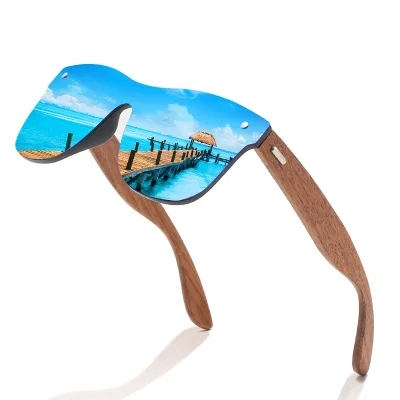


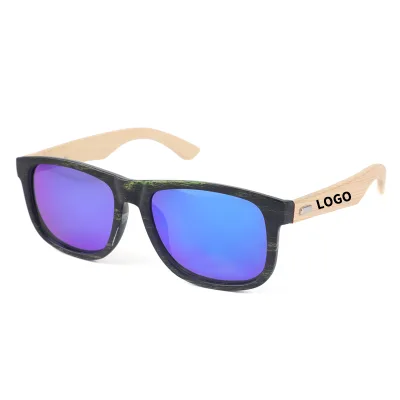
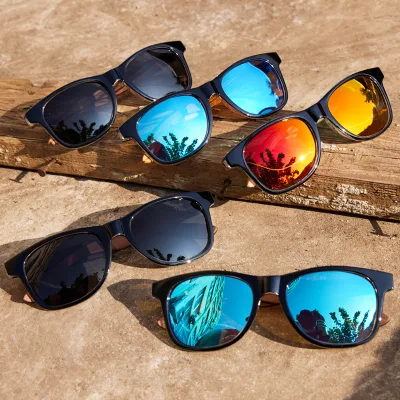
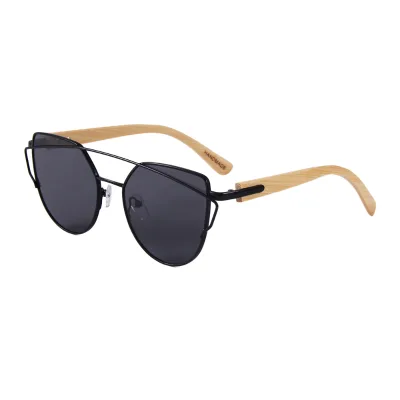
Bamboo Sunglasses with Bamboo Wooden Legs for Mens Polarized Sunglasses
$6.99 - $7.25
MOQ: 2000 Pieces

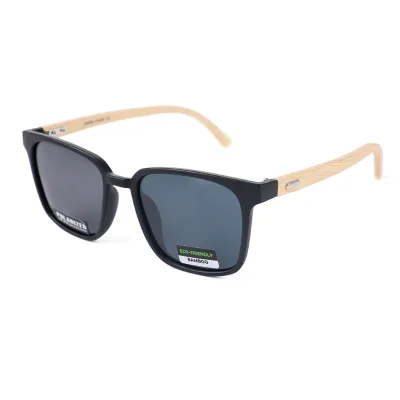
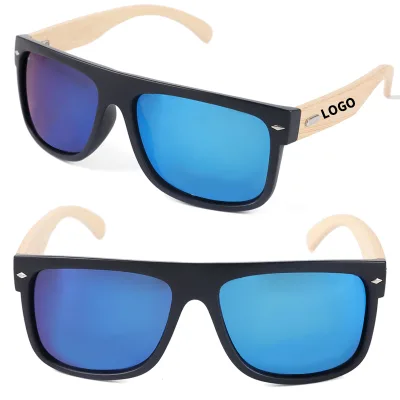
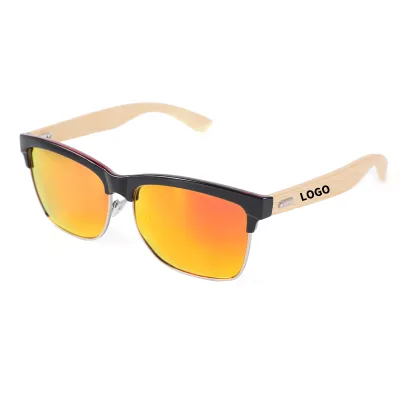


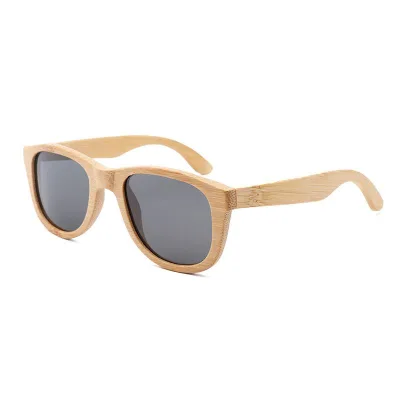
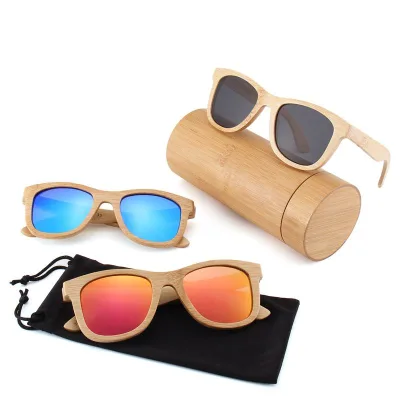
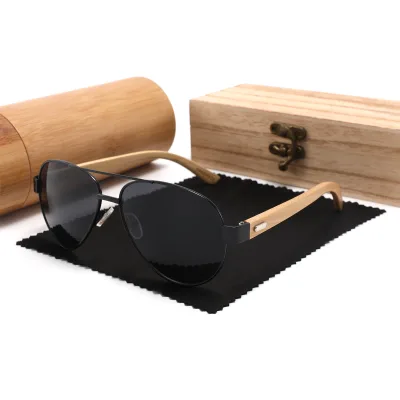
Nice Quality PC Frame Bamboo Temples Colorful Lens Eco-Friendly Sunglasses
$3.15 - $3.35
MOQ: 12 Pieces




Comprehensive Sourcing Guide
Strategic Sourcing Guide for Carbonized Eco-Friendly Bamboo Sunglasses
Understanding the Material and Construction Profile
Sourcing carbonized eco-friendly bamboo sunglasses requires a precise understanding of the unique material properties that distinguish them from standard acetate or metal eyewear. The core appeal of this product category lies in the combination of natural sustainability and specific aesthetic finishes. The observed product data indicates that the frame material is predominantly Bamboo, often described in conjunction with Wooden components or PC (Polycarbonate) blends. A critical manufacturing step for these frames is the carbonization process. This technique involves heating the bamboo under controlled conditions to alter its chemical structure, resulting in a darker, more durable, and moisture-resistant finish. The observed craftsmanship attribute explicitly lists "Carbonized Bamboo," confirming that the dark hue and enhanced structural integrity are not merely surface coatings but a result of this thermal treatment.
When evaluating the construction, buyers must note that the frames are not made of 100% raw bamboo. The data reveals a "Main Material" composition of PC and Wood, or Bamboo and Wooden elements. This hybrid approach is common in the industry to ensure the hinge points and structural joints maintain necessary flexibility and strength, which pure bamboo might lack in certain stress points. The lenses, a vital component for functionality, are observed to be made of TAC (Triacetate Cellulose) material. TAC is favored for its polarization capabilities and lightweight nature. The optical attributes observed include UVStyle:Fashion Sunglasses and specific mentions of UV400 Polarized lenses, which are essential for blocking harmful ultraviolet radiation. The shape of the frames varies, with Square and general fashion silhouettes being prominent, suitable for unisex demographics.
Technical Specifications and Dimensional Variability
For procurement professionals, the technical specifications of bamboo sunglasses are not uniform across all SKUs. The observed data presents a wide range of dimensions, indicating that buyers must verify specific measurements for each model rather than assuming a standard size. The lens width, for instance, ranges from 60mm to 62mm in the observed listings. The lens height varies between 47mm and 49mm, while the bridge width shows significant variance, spanning from 13mm to 17mm. These dimensional differences directly impact the fit and comfort on the wearer's face. A bridge width of 13mm may suit smaller facial structures, whereas a 17mm bridge is better suited for wider faces.
The product standards observed in the data, such as 147-21-142, 149143mm, 140147mm, and 150*147mm, likely refer to specific model codes or dimensional templates used by manufacturers. These codes serve as unique identifiers for the mold and design geometry. When requesting samples, buyers should cross-reference these standard codes with the physical dimensions provided by the supplier to ensure the glasses meet the intended fit requirements. Additionally, the frame color is consistently observed as Black, a direct result of the carbonization process mentioned earlier. This uniformity in color simplifies the visual selection process but does not imply that all bamboo sunglasses are black; other natural finishes may exist outside the specific dataset provided.
| Specification Attribute | Observed Range/Value | Procurement Verification Note |
|---|---|---|
| Frame Material | Bamboo, Wood, PC | Verify % composition of bamboo vs. PC for durability claims. |
| Lens Material | TAC | Confirm polarization type and UV400 rating. |
| Lens Width | 60mm - 62mm | Measure physical sample to ensure fit. |
| Lens Height | 47mm - 49mm | Check proportion relative to face shape. |
| Bridge Width | 13mm - 17mm | Critical for comfort and stability on the nose. |
| Frame Color | Black | Result of carbonization; verify finish consistency. |
| Shape | Square, Fashion | Confirm suitability for target demographic. |
Compliance, Certification, and Environmental Claims
The term "eco-friendly" in the context of bamboo sunglasses is a significant selling point, but it requires rigorous verification. While the observed data mentions "Degradable Material" and "Bamboo," it does not explicitly confirm specific third-party certifications for every listed item. However, the background context notes a low-confidence reference to FSC (Forest Stewardship Council) certification. Buyers should not assume that a supplier possesses FSC certification unless they provide valid documentation. Bamboo is a rapidly renewable resource, but the sustainability of the final product depends on the sourcing of the raw material and the adhesives or resins used in the hybrid construction (e.g., the PC blend).
When evaluating compliance, the primary focus should be on the optical safety standards. The observed data repeatedly mentions "UV400 Polarized" and "Sun Protection." Buyers must insist on test reports from accredited laboratories that verify the UV400 blocking capability. The standard "147-21-142" or similar codes observed may be internal model numbers rather than international safety standards. Therefore, the procurement strategy must include a request for ISO or ANSI compliance documentation regarding optical clarity and UV protection. The "Carbonized" aspect also raises questions about the chemicals used in the heating process. While carbonization is generally a thermal process, buyers should inquire about the absence of toxic varnishes or glues that might compromise the "eco-friendly" claim.
Cost Drivers and Pricing Dynamics
The pricing for carbonized bamboo sunglasses is influenced by several factors, including the complexity of the carbonization process, the quality of the TAC lenses, and the degree of customization. The observed price range in the market data spans from $0.65 to $19.00 USD. This wide variance suggests that the lower end of the spectrum likely represents bulk orders of basic models with minimal customization, while the higher end reflects premium finishes, complex polarized lenses, or smaller order quantities with higher per-unit costs.
The Minimum Order Quantity (MOQ) is another critical cost driver. The observed MOQ ranges from 1 to 2000 units, with a specific high-confidence fact noting an MOQ of 12 pieces. This low entry point allows for smaller buyers to test the market, but it often comes with a higher unit price. As the order volume increases, the cost per unit typically decreases due to economies of scale in molding and assembly. Customization is a significant variable; the data confirms that "Custom Logo" and "Customization" are available. Adding a custom logo, whether through laser engraving on the bamboo or printing on the lenses, will increase the unit cost and potentially extend the lead time. The packaging options, ranging from simple polybags to bamboo boxes, also impact the final landed cost. A premium bamboo box adds material and assembly costs but enhances the perceived value of the product.
Supplier Evaluation and Operational Capabilities
Selecting the right supplier for bamboo sunglasses requires looking beyond the product catalog to the supplier's operational capabilities. The observed data indicates that the origin of these products is primarily China, with specific mentions of Guangdong. This region is a known hub for eyewear manufacturing, offering a robust supply chain for both bamboo and optical components. However, buyers must verify the supplier's capacity to handle the specific nuances of bamboo processing.
Key evaluation criteria include the supplier's ability to maintain consistent carbonization quality. Inconsistent heating can lead to frames that are too brittle or have uneven coloring. The supplier should demonstrate a track record of producing frames with the "Carbonized Bamboo" attribute consistently. Furthermore, the customization capabilities must be assessed. The data shows support for "Custom Logo" and "Logo Customized," but the buyer must understand the technical limitations of engraving or printing on bamboo. The supplier should provide clear guidelines on logo placement and size to ensure the design does not compromise the structural integrity of the frame.
Logistics and shipping are also vital. The observed data lists "Shipment: by Air or Sea," indicating flexibility in delivery methods. Buyers should evaluate the supplier's experience with international shipping, particularly regarding the weight and fragility of bamboo products. Bamboo can be susceptible to moisture damage during transit if not properly packaged. The observed packing methods, such as "1PCS/Polybag, 12PCS/Inner Box, 300PCS/Carton," provide a baseline, but buyers should discuss reinforced packaging options for long-distance sea freight to prevent crushing or humidity damage.
Quality Control and Long-Term Procurement Strategy
Implementing a robust quality control (QC) protocol is essential for sourcing bamboo sunglasses. The first line of defense is the pre-production sample approval. Buyers should request samples that match the specific model numbers observed, such as "5623 Brown Bamboo" or "B-5030#," to verify the dimensions, color, and finish. During the QC phase, inspection should focus on the hinge strength, as the hybrid PC and wood construction must withstand repeated opening and closing. The polarization of the lenses must be tested using a polarizing filter to ensure the "UV400 Polarized" claim is accurate.
Long-term procurement considerations involve building a relationship with a supplier who can scale with demand. The observed MOQ of 12 pieces is excellent for initial trials, but a long-term strategy requires negotiating volume discounts and securing production slots during peak seasons. The supplier's ability to manage inventory and provide consistent lead times is crucial. The data mentions "Lead times" are not explicitly defined, so buyers must establish clear timelines for production and shipping. Additionally, the supplier should be willing to adapt packaging to meet specific market requirements, such as the "Bamboo Box or Other Boxes as You Like" option observed.
Sustainability is a long-term differentiator. Buyers should continuously audit the supplier's supply chain to ensure the bamboo is sourced responsibly. While FSC certification was noted as low-confidence background, it remains a gold standard for eco-friendly sourcing. Buyers should encourage suppliers to pursue such certifications to strengthen their market position. Finally, the application of these sunglasses, observed as "Outdoor, Fishing, Sun Protection, Camping, Parties," suggests a versatile product line. Procurement strategies should align with these use cases, ensuring the durability of the frames matches the rigors of outdoor activities. By focusing on these technical, operational, and sustainability factors, buyers can secure a reliable supply of high-quality carbonized eco-friendly bamboo sunglasses.
FAQs
What materials are used for the frames and lenses?
The frames are primarily made of carbonized bamboo, often blended with wood or PC for structural strength. The lenses are constructed from TAC material, providing polarization and UV400 protection for outdoor activities.
Can I order custom logos on these sunglasses?
Yes, customization is available including custom logos on the frames. Buyers can also select specific packaging types like bamboo boxes or standard cartons to match their brand requirements.
What is the minimum order quantity for these products?
The minimum order quantity can be as low as 12 pieces for some models. However, other listings indicate an MOQ range starting from 1 up to 2000 units depending on the specific supplier and customization level.
How are the bamboo frames finished to ensure durability?
The frames undergo a carbonization process which heats the bamboo to create a darker, more durable, and moisture-resistant finish. This craftsmanship ensures the wood remains stable while maintaining an eco-friendly aesthetic.
Which dimensions are available for the lens width and height?
Observed lens widths range from 60mm to 62mm, while lens heights vary between 47mm and 49mm. Bridge widths also differ, spanning from 13mm to 17mm to accommodate different facial structures.
Where are these bamboo sunglasses manufactured and shipped from?
These products originate from China, with specific manufacturing hubs noted in Guangdong. Shipping options include both air and sea freight to accommodate various logistics needs and order volumes.