Source CE Certified Cold Storage Box for Food, Medicine, and Blood
Source CE Certified Cold Storage Box from 30 verified suppliers offering customizable sizes and cooling methods. Compare specifications for food, medicine, and blood storage needs with options ranging from small to large units; compare the available evidence and request quotations based on your requirements.
Updated
Key considerations
Products List


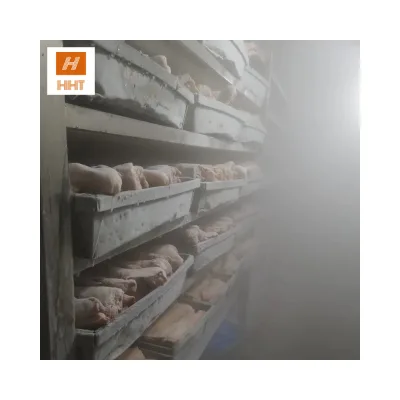
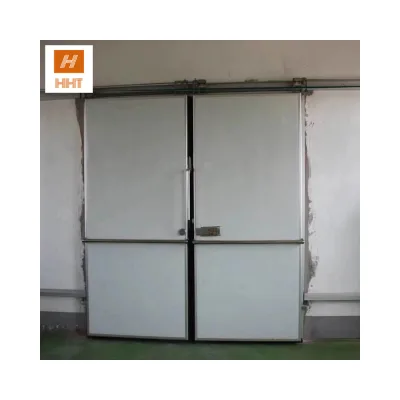
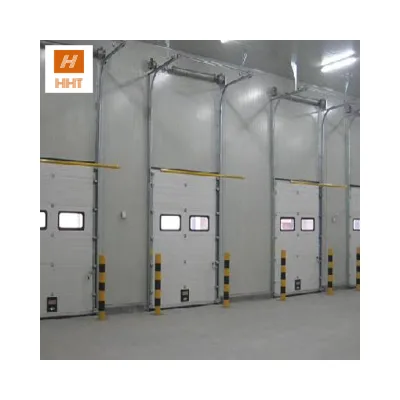
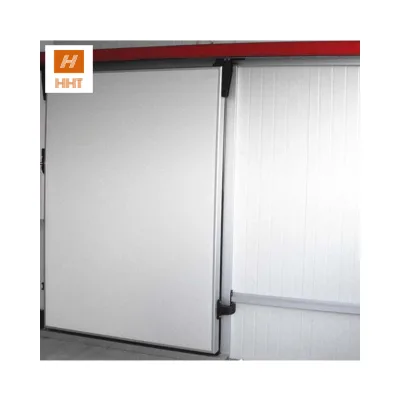
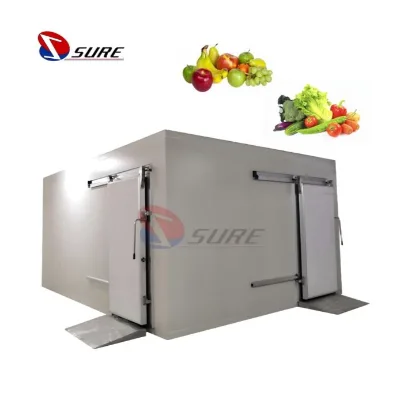
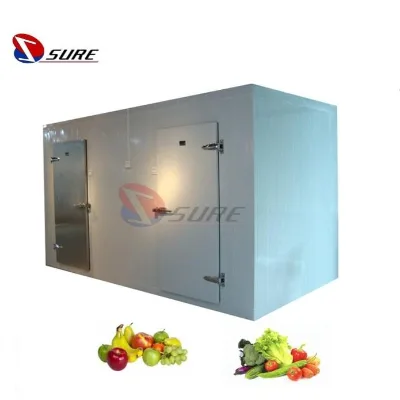
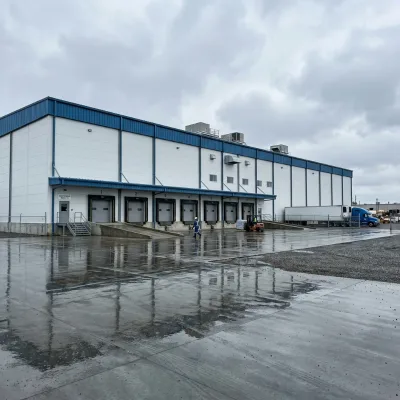


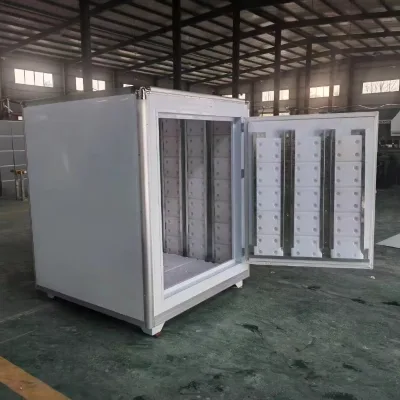


$2800.00 - $3000.00
MOQ: 1 Pieces
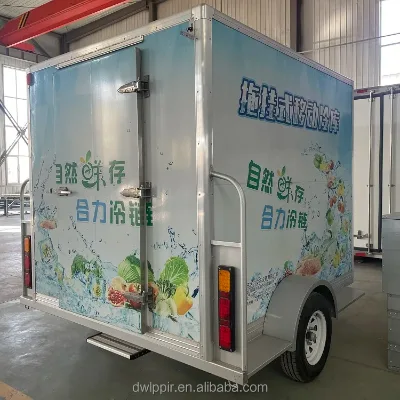
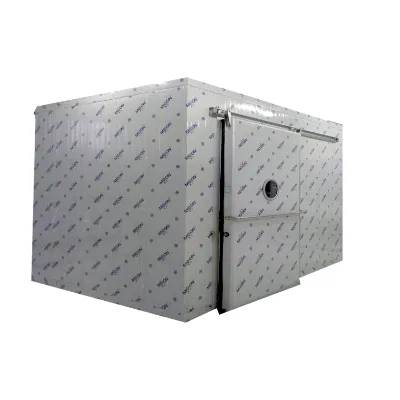
Customized High and Low Temperature Small Cold Room Storage Logistic Cold Storage
$2060.00 - $4100.00
MOQ: 1 Minimum
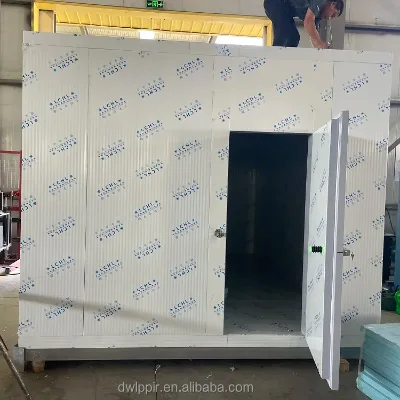
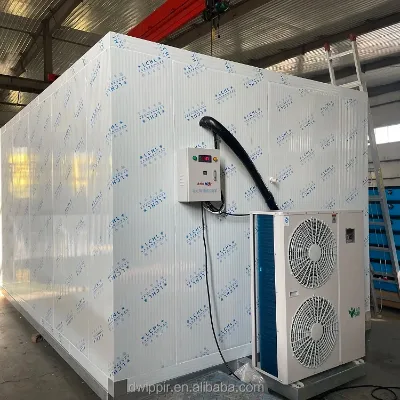
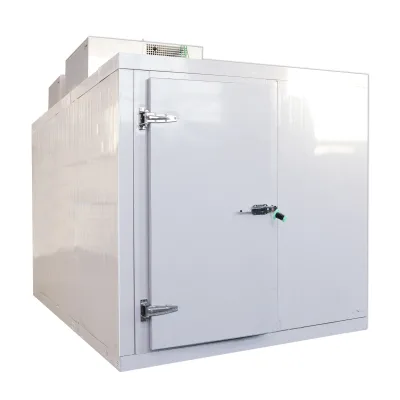
with Modular Design Save a Lot of Time and Costs New Energy Mobile Cold Storage
$2125.277 - $4229.9191
MOQ: 1 Minimum
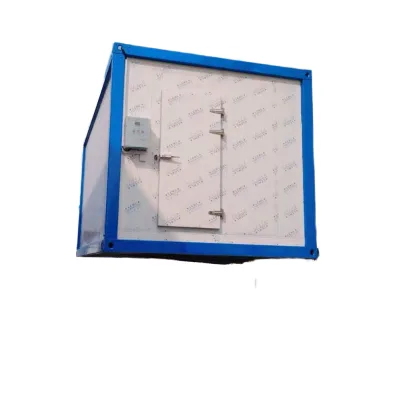
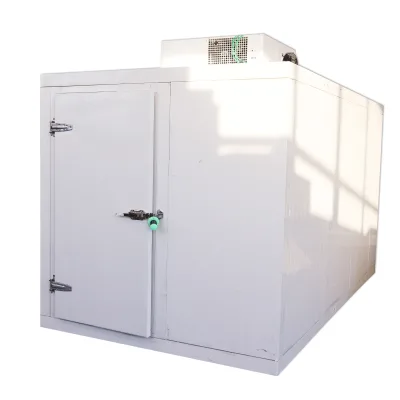
Most Popular Easy to Operated Mobile Cold Storage That Can Be Intelligently Controlled
$2060.00 - $4100.00
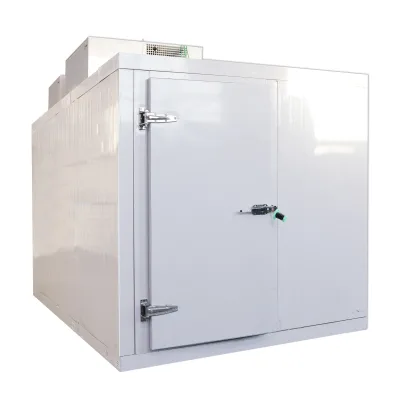
MOQ: 1 Minimum
Comprehensive Sourcing Guide
CE Certified Cold Storage Box Sourcing Guide
Procuring a CE Certified Cold Storage Box requires a disciplined approach to verifying technical integrity and regulatory compliance. Buyers must distinguish between general structural certifications and specific refrigeration standards, as the term "cold storage box" often encompasses modular cold rooms, insulated panels, and complete assembly units. The observed market signals indicate a wide variance in product configurations, ranging from small-scale units to large industrial installations. Understanding these distinctions is critical for aligning procurement specifications with actual operational needs, ensuring that the selected equipment meets both spatial constraints and thermal performance requirements.
This guide focuses on evidence-based verification steps rather than speculative claims. Sourcing decisions should be grounded in observable product attributes such as material composition, insulation thickness, and cooling methodology. By prioritizing verifiable data points like ISO certifications and specific steel types, buyers can mitigate risks associated with non-compliant or underperforming equipment. The following sections provide a structured framework for evaluating suppliers, interpreting technical specifications, and establishing robust commercial terms that protect long-term operational efficiency and safety standards.
Product Scope and Observed Listing Signals
The current market landscape for cold storage solutions reveals a diverse array of product types, primarily centered around modular construction and insulated panel systems. Observed listings frequently highlight features such as recyclability, high intensity, and earthquake resistance, which are critical for industrial environments. Products are often categorized by their structural form, including light section steel and cold-formed sectional steel, with specific models like SL-0116 and LLC indicating varied manufacturing origins. These signals suggest that buyers should look beyond simple box dimensions and consider the underlying structural integrity and material durability of the storage units.
Applications span multiple sectors, including food processing, pharmaceutical storage, and general production facilities. The observed use cases extend to storing fruits, vegetables, frozen foods, fish, meat, blood, and medicine, indicating a broad thermal range capability. Cooling methods vary, with air-cooled, water-cooled, and evaporative cooling options available, allowing for customization based on site infrastructure. Buyers should verify the specific purpose of the cold room, such as whether it is designed for rapid freezing or long-term preservation, to ensure the selected unit aligns with the intended cargo and throughput requirements.
Technical Specifications to Verify
Technical verification must begin with the core structural materials, particularly the steel type and panel composition. Observed data points to the use of carbon structural steel, specifically Q235, formed through cold drawing processes to create square tubes and other structural members. The insulation panels are typically made from polyurethane, with thicknesses ranging from 50mm to 200mm, directly impacting thermal efficiency and energy consumption. Buyers should confirm the exact panel thickness required for their target temperature range, as thinner panels may not provide adequate insulation for extreme cold applications.
The operational parameters of the cold storage box are equally critical, with temperature ranges observed from -60°C to +20°C, offering significant flexibility for different storage needs. Door types, including hinge, manual sliding, and electric options, must be selected based on access frequency and safety protocols. Additionally, the cooling method, whether air, water, or evaporative, dictates the installation requirements and maintenance schedule. Buyers should verify the compatibility of these technical specifications with their existing facility infrastructure, ensuring that power, water, and ventilation systems can support the chosen configuration.
Compliance and Safety Documentation
Regulatory compliance is a paramount concern when sourcing cold storage equipment, particularly for international trade and food safety applications. The observed certifications include ISO, CE, and CCC, which serve as indicators of adherence to quality management and safety standards. The CE mark, in particular, is essential for products intended for the European market, signifying conformity with health, safety, and environmental protection standards. Buyers must request valid certification documents and verify their authenticity with the issuing bodies to avoid potential legal and operational disruptions.
Beyond certifications, documentation should include detailed test results and performance claims that validate the equipment's capabilities. While specific test data may not be universally available, buyers should inquire about factory acceptance tests and third-party verification reports. The warranty period, observed to be between one and two years, provides a baseline for manufacturer confidence in product durability. Buyers should ensure that the warranty covers critical components such as compressors, insulation panels, and control systems, and clarify the terms for claims and repairs to minimize downtime risks.
Cost Drivers and Commercial Terms
Cost structures for cold storage boxes are influenced by multiple factors, including material quality, insulation thickness, and customization levels. The observed price range is extensive, reflecting the variability in product scale and complexity. Buyers should analyze the cost breakdown to understand the value proposition of each component, such as the premium for high-intensity steel or specialized cooling systems. Customization options, such as tailored sizes and specific door mechanisms, can significantly impact the final price, so clear specification alignment is crucial for accurate budgeting.
Commercial terms, including minimum order quantities (MOQ) and lead times, vary across suppliers. Observed MOQs range from one to fifty units, offering flexibility for both small and large projects. Packaging methods, such as standard international containers or wooden packages, affect shipping costs and handling requirements. Buyers should negotiate clear terms regarding delivery schedules, payment conditions, and after-sales support. Understanding these commercial dynamics helps in selecting suppliers who offer the best balance of cost, quality, and service reliability for the specific procurement needs.
Supplier Qualification and Quality Control
Supplier qualification involves a thorough assessment of manufacturing capabilities and quality control processes. Buyers should verify the supplier's origin, with many products originating from Qingdao, China, a hub for steel and refrigeration manufacturing. The condition of the products is typically new, but buyers should request evidence of production quality, such as factory audits or sample inspections. The availability of customization services indicates a supplier's flexibility, but it also requires rigorous oversight to ensure that custom specifications are met without compromising structural integrity.
Quality control measures should include checks on material certifications, welding quality, and insulation integrity. Buyers should inquire about the supplier's internal testing protocols and their adherence to standards like GB and ASTM. The use of branded foaming materials, such as Basf, can be a positive indicator of insulation quality. Establishing a clear quality assurance framework, including pre-shipment inspections and ongoing performance monitoring, is essential for maintaining the reliability and safety of the cold storage equipment throughout its operational life.
Long-Term Procurement Checks
Long-term procurement success depends on establishing robust relationships with suppliers who prioritize continuous improvement and customer support. Buyers should monitor supplier performance metrics, such as delivery accuracy, product defect rates, and responsiveness to service requests. The warranty period, typically one to two years, should be viewed as a starting point for a longer-term partnership, with clear agreements for extended support and maintenance services. Regular reviews of equipment performance and supplier compliance help identify potential issues early and ensure sustained operational efficiency.
Additionally, buyers should stay informed about evolving industry standards and technological advancements in cold storage solutions. The market for refrigeration equipment is dynamic, with ongoing improvements in energy efficiency and environmental sustainability. Engaging with suppliers who offer upgrade paths and modernization services can extend the lifecycle of the cold storage boxes and reduce total cost of ownership. By maintaining a proactive approach to supplier management and technology adoption, buyers can ensure that their cold storage infrastructure remains competitive, compliant, and reliable in the long term.
FAQs
What certifications do these cold storage boxes have?
These units hold ISO, CE, and CCC certifications. The CE mark confirms compliance with European safety standards. ISO certification ensures quality management processes. CCC certification is required for the Chinese market. These credentials verify product reliability and manufacturing consistency for international buyers seeking verified suppliers.
Can the cold storage box be customized for specific needs?
Yes, customization is available for various product attributes. Buyers can select customized colors and sizes to fit specific facility layouts. The steel type and panel thickness can also be adjusted. This flexibility allows for tailored solutions that meet unique operational requirements and spatial constraints in industrial settings.
What panel thickness options are available for insulation?
Panel thickness options include 50mm, 75mm, 100mm, 120mm, 150mm, and 200mm. These polyurethane insulation panels provide varying levels of thermal resistance. Thicker panels are suitable for lower temperature ranges. Selecting the correct thickness ensures energy efficiency and maintains the desired internal temperature for stored food or medicine products.
What is the temperature range for these cold rooms?
The temperature range is adjustable from -60 to +20 degrees Celsius. This wide range supports various storage purposes including frozen food, fish, meat, and vegetables. The optional temperature settings allow for precise control. This versatility makes the units suitable for diverse applications in food processing and pharmaceutical storage environments globally.
How are these units packaged for international shipping?
Units are packaged in standard international containers or wooden packages. The wooden package protects the cold room components during transit. This secure packaging method ensures that all parts arrive in new condition. Proper packing minimizes damage risks and facilitates efficient handling at the destination port for quick assembly and installation.
What steel types are used in the structure?
The structure uses carbon structural steel, specifically Q235 grade. It is formed as cold-drawn and cold-forming sectional steel. This material provides high intensity and earthquake resistance. The anti-corrosion features ensure durability in various environmental conditions. The bolt connection form allows for easy installation and structural stability in factory settings.