Source CE Certified Grease Gun for Industrial, Automotive, and Workshop Use
Explore 30 options for a CE Certified Grease Gun suitable for industrial machinery, automotive maintenance, and general workshop tasks. Compare models with varying pressure ratings, capacities, and power sources to find the right tool for your operational needs; compare the available evidence and request quotations based on your requirements.
Key considerations
Products List

Professional ISO/CE Certified Manual Grease Gun for Precision Lubrication
$4.00 - $6.00
MOQ: 500 Pieces


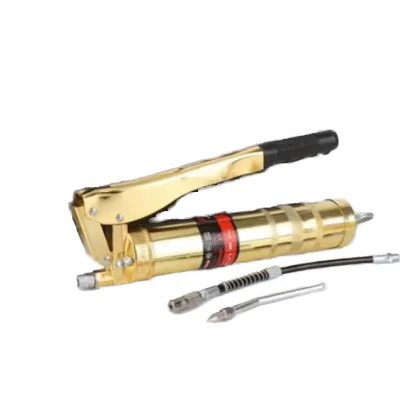
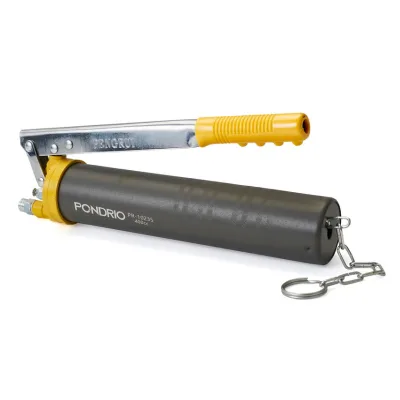


Automatic Heavy Duty Pneumatic Grease Gun Air Operated Grease Gun (48150015)
$1.00 - $2.00
MOQ: 100 Pieces

Chainsaw Sprocket Maintenance Lubricating Grease Gun
$0.56 - $0.60
MOQ: 999 Pieces
Ningbo Eastar Electromechanical Industrial Trading Co., Ltd.


Comprehensive Sourcing Guide
CE Certified Grease Gun Sourcing Guide
Procuring CE certified grease guns requires distinguishing between manual and electric variants to match specific operational demands. The market offers hand-operated models with pressures ranging from 4500 to 12000 psi, suitable for general machinery maintenance, while electric options provide consistent injection for high-volume industrial settings. Buyers must verify that the specific unit selected aligns with the intended application, whether for all machine types or specific engine car maintenance, to ensure optimal performance and safety.
Verification of the product origin and material composition is equally critical for long-term reliability. Most available units originate from China and utilize industrial-grade carbon steel or aluminum alloys to withstand high-pressure environments. Sourcing teams should confirm that the selected model, such as the FXG series or custom configurations, meets the required capacity standards, typically ranging from 400cc to 600cc, to prevent premature failure during heavy-duty usage cycles.
Product Scope and Observed Listing Signals
The observed product listings reveal a diverse range of specifications, including pressure ratings from 4500 psi up to 12000 psi depending on the model type. Hand grease guns often feature capacities of 500cc or 600cc, whereas electric variants may operate at 24VDC with specific battery configurations. Buyers should carefully review the listed pressure ranges, such as 5000-10000 psi or 8000-12000 psi, to ensure the tool can handle the viscosity and volume of grease required for their specific machinery without risking equipment damage.
Packaging and customization options vary significantly across different suppliers, influencing both logistics and branding strategies. While some units come in standard colour boxes or cartons, others offer customized packaging solutions to meet specific client requirements. The availability of OEM services allows buyers to tailor product attributes like colour, which includes grey, black, or red options, ensuring the final equipment aligns with corporate identity or safety colour-coding standards within the facility.
Technical Specifications to Verify
Pressure capacity is the primary technical metric that must be validated against the intended workload. Listings indicate maximum pressures of 8000 psi, 9000 psi, or even 12000 psi, but these figures must be cross-referenced with the actual grease gun model, such as FXG-01 or FXG-G07, to confirm suitability. Buyers should not assume all listed products meet the highest pressure claims; instead, they must verify the specific pressure range, such as 4500-6500 psi, for the exact unit being procured to avoid under-specification during critical maintenance tasks.
Material composition and weight are essential factors for durability and operator ergonomics. Industrial-grade carbon steel and aluminum are common materials, with electric models weighing approximately 5.5kg net and 6kg gross. The standard configuration for electric units often includes one battery and one charger, while manual models rely on mechanical leverage. Procurement teams must confirm these physical attributes to ensure the equipment is robust enough for industrial use yet manageable for daily operator handling without causing fatigue.
Compliance and Safety Documentation
Certification status is a non-negotiable requirement for international procurement, with CE and ISO marks being the most frequently observed standards. Some listings also include GS and RoHS certifications, indicating broader compliance with safety and environmental regulations. Buyers must request valid certification documents for the specific model number to ensure the product meets the regulatory requirements of the destination market, as the presence of a CE mark on a listing does not guarantee that every unit in a batch is certified.
Safety documentation should also cover warranty terms and operational safety features. A standard warranty period of 12 months is commonly offered, providing a baseline for manufacturer support and liability. However, buyers should verify if the warranty covers specific failure modes related to high-pressure injection systems. Ensuring that the supplier provides clear safety instructions and maintenance guidelines is crucial for preventing accidents during the injecting function of the grease gun.
Cost Drivers and Commercial Terms
Pricing in this category exhibits a wide variance, with observed ranges spanning from $0.56 to $229 per unit. This disparity is driven by factors such as the type of grease gun, material quality, and the inclusion of accessories like batteries and chargers for electric models. Buyers must analyze the total cost of ownership rather than just the unit price, considering that higher-priced electric units may offer greater efficiency and lower long-term labor costs compared to manual alternatives.
Minimum Order Quantities (MOQ) and payment terms significantly impact cash flow and inventory planning. MOQs can range from as low as 10 pieces for electric units to 1000 pieces for specific colour variants of manual guns. Payment terms typically involve LC or TT, requiring careful financial planning. Additionally, delivery times of approximately 25 days and supply abilities of up to one million pieces per month must be factored into the procurement schedule to avoid production delays.
Supplier Qualification and Quality Control
Supplier capability is often demonstrated through their stated supply ability and stock availability. Many suppliers claim a monthly capacity of one million pieces and maintain stock for immediate dispatch, which is vital for urgent procurement needs. However, buyers should verify these claims through third-party audits or by requesting recent shipment records to ensure the supplier can consistently meet volume requirements without compromising on quality or delivery timelines.
Quality control processes must be explicitly defined before placing large orders. While customization is available for models and packaging, the underlying manufacturing standards must be consistent. Buyers should request evidence of quality control procedures, such as pressure testing results for the 12000 psi models, to ensure that the industrial-grade materials perform as advertised. Establishing clear acceptance criteria for defects and return policies is essential for mitigating risks associated with bulk purchases.
Long-Term Procurement Checks
Sustaining a reliable supply chain requires regular performance reviews and adherence to agreed-upon standards. Buyers should monitor the consistency of product attributes, such as the 600cc capacity or specific pressure ratings, across multiple shipments to detect any drift in manufacturing quality. Regular audits of the supplier's production lines can help identify potential issues before they result in significant operational disruptions or safety incidents.
Future-proofing the procurement strategy involves maintaining flexibility for customization and technological upgrades. As the market evolves, suppliers may introduce new models or improve existing ones, such as enhanced battery life for electric units. Buyers should establish ongoing communication channels to stay informed about product updates and ensure that their procurement strategy remains aligned with the latest industry standards and technological advancements in grease injection equipment.
FAQs
What certifications do the grease guns have?
The products hold ISO and CE certifications, with some models also featuring GS and RoHS compliance. These certifications ensure the equipment meets international safety and quality standards for industrial use across various machinery and engine applications.
Which pressure range is available for these guns?
Available pressure ranges span from 4500psi to 12000psi depending on the specific model selected. Users can choose between hand-operated units rated up to 12000psi or electric variants operating within the 5000 to 10000psi range for different injection needs.
Can I customize the packaging and specifications?
Yes, customization is available for packaging, specifications, and product models to meet specific buyer requirements. Suppliers offer options like colour boxes, cartons, or custom packaging, allowing buyers to tailor the product standard and configuration for their unique operational needs.
What is the minimum order quantity for these items?
Minimum order quantities vary significantly, ranging from 10 pieces for electric models to 1000 pieces for specific colour batches. Buyers should verify the exact MOQ based on the selected model, as stock availability and custom orders may influence these thresholds.
How long is the delivery time for orders?
The standard delivery time is approximately 25 days from the order confirmation date. This lead time applies to bulk orders, while some items may be available from stock, potentially reducing the wait time for immediate procurement needs.
What materials are used to construct these guns?
These grease guns are constructed from industrial-grade carbon steel and aluminum materials. This combination ensures durability and resistance to wear, making them suitable for heavy-duty applications in all machines and engines requiring reliable high-pressure injection capabilities.