Source Child Resistant Stand-up Pouch for Food, Medical, and Chemical Packaging
Find and compare 30 Child Resistant Stand-up Pouch options from Guangdong suppliers. These bags feature zipper closures, customizable sizes, and certifications like BRC and ISO for secure food, medical, and household packaging needs.
Key considerations
Products List


Customized Child Resistant Soft Stand up Pouch Smell Proof Herb Flower Packaging
$0.10 - $0.50
MOQ: 1000 Pieces


High Quality Plastic Child Resistant Stand up Pouch Mylar Bag Custom Tobacco Pouch
$0.10 - $0.50
MOQ: 1000 Pieces

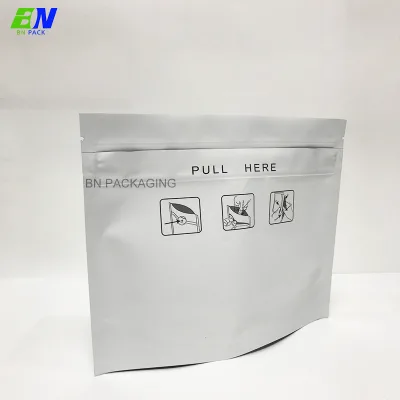


1/2oz Stand up Pouches Custom Printed Child Resistant Ziplock 14G Mylar Bags
$0.07 - $0.10
MOQ: 500 Pieces


Custom Ziplock Childproof Child Resistant Stand up Pouch Candy Edible Exit Mylar Bags
$0.02 - $0.35
MOQ: 1000 pieces


Comprehensive Sourcing Guide
Child Resistant Stand-up Pouch Sourcing Guide
Procuring child resistant stand up pouches requires a strategic approach that balances safety compliance with functional packaging performance. These specialized containers are designed to prevent accidental ingestion by children while maintaining product integrity for sensitive contents like coffee, nuts, and pharmaceuticals. Buyers must navigate a market where customization options for size, material, and sealing mechanisms vary significantly between suppliers, necessitating a clear definition of requirements before initiating contact.
The sourcing process begins with identifying suppliers who explicitly demonstrate the capability to produce child-resistant closures alongside standard stand-up pouch features. It is critical to verify that the supplier's production lines can handle the specific sealing methods required, such as zipper closures or heat seals, without compromising the structural integrity of the bag. This initial vetting ensures that the final product meets both the safety standards mandated by regulatory bodies and the logistical needs of the supply chain.
Product Scope and Observed Listing Signals
The market for child resistant stand up pouches encompasses a diverse range of applications, including food packaging for coffee, candy, and nuts, as well as potential uses in household and chemical sectors. Listings often highlight features such as moisture proofing, recyclability, and bio-degradability, which are essential for modern sustainability goals. Buyers should observe that product descriptions frequently mention specific shapes like square bottom bags or upright bags, which influence shelf presence and storage efficiency.
When evaluating listings, procurement teams should look for explicit mentions of customization capabilities, including the acceptance of custom logos, specific sizes, and tailored designs. The observed data indicates that suppliers typically offer a range of volume capacities, from 100g to 10kgs, allowing for flexibility in product line expansion. However, it is important to treat these observed attributes as potential options rather than universal guarantees, requiring direct confirmation with the supplier to ensure the specific configuration matches the intended use case.
Technical Specifications to Verify
Technical verification must begin with the sealing mechanism, as the child-resistant feature relies heavily on the precision of the zipper closure or heat seal. Buyers should confirm that the supplier utilizes materials such as PET, VMPET, or PE, which provide the necessary barrier properties against moisture and air while supporting the mechanical strength required for child-resistant latches. The surface finish, often gravure printed, must be evaluated for print quality and adhesion to ensure that branding and safety warnings remain legible throughout the product's lifecycle.
Dimensional accuracy and material composition are equally critical, with specifications often ranging from custom sizes to standard dimensions like 105mm in width. Procurement teams must verify the raw material composition, noting that some suppliers offer green PE or paper-based options to meet specific environmental mandates. Additionally, the bag variety, whether lay flat three-side seal or stand-up pouch, must align with the filling equipment and distribution requirements of the buyer's operation to prevent operational bottlenecks.
Compliance and Safety Documentation
Ensuring compliance with safety standards is paramount when sourcing child resistant packaging, as these products are subject to rigorous regulatory scrutiny. Buyers should request documentation verifying that the packaging meets relevant international safety standards, such as those related to child-resistant closures, although specific test results should be validated against current local regulations. The presence of certifications like ISO and BRC indicates a supplier's commitment to quality management systems, which is a strong indicator of their ability to produce consistent, safe packaging.
Beyond general certifications, specific safety testing for the child-resistant mechanism is essential to prevent accidental opening by young children. Procurement teams must ensure that the supplier can provide evidence of successful testing for the specific closure type, whether it is a zipper or a specialized handle. It is also important to verify that the materials used are safe for food contact if the pouch is intended for consumables, requiring documentation that confirms the absence of harmful substances in the raw materials.
Cost Drivers and Commercial Terms
The cost of child resistant stand up pouches is influenced by several factors, including the complexity of the sealing mechanism, the number of colors used in printing, and the total order quantity. Suppliers often list price terms as CIF or FOB Jiangmen, which affects the final landed cost depending on the buyer's location and logistics strategy. Buyers should be aware that customization, such as unique sizes or specific material blends, can increase the unit price, making it essential to balance customization needs with budget constraints.
Minimum Order Quantities (MOQ) typically range from 500 to 100,000 units, significantly impacting the initial investment required for a new product launch. Lead times are generally observed between 18 to 25 days, varying based on the order volume and the complexity of the customization. Procurement teams must factor these timelines into their production schedules to avoid stockouts, while also negotiating payment terms that align with the cash flow requirements of the business.
Supplier Qualification and Quality Control
Supplier qualification should extend beyond basic certifications to include an assessment of their manufacturing capabilities and quality control processes. Buyers must verify that the supplier has a proven track record in producing composite packaging bags and plastic packaging bags, ensuring they have the technical expertise to handle the specific requirements of child-resistant designs. It is advisable to request samples that demonstrate the durability of the seal and the effectiveness of the child-resistant feature before committing to a large order.
Quality control measures should be clearly defined in the procurement agreement, including protocols for inspecting the final product for defects such as poor sealing or misaligned printing. Suppliers should be required to adhere to strict standards for packaging, such as using PE bags, cartons, and pallets for shipping to prevent damage during transit. Regular audits or third-party inspections may be necessary to ensure that the supplier maintains consistent quality levels over the long term, especially when dealing with high-volume orders.
Long-Term Procurement Checks
Establishing a long-term partnership with a reliable supplier requires ongoing monitoring of performance metrics and adherence to agreed-upon standards. Buyers should implement a system for tracking delivery times, defect rates, and responsiveness to issues to ensure that the supplier continues to meet expectations as the business scales. Regular reviews of the supplier's ability to adapt to changing market demands, such as new sustainability requirements or design trends, are essential for maintaining a competitive edge.
Continuous improvement should be a shared goal, with both parties working together to optimize the packaging design for cost and functionality. This includes evaluating the potential for material innovations, such as more sustainable options, and refining the child-resistant mechanism to enhance user experience without compromising safety. By maintaining open communication and a focus on mutual growth, buyers can secure a stable supply chain that supports their brand's reputation for quality and safety.
FAQs
Can these bags be customized with my logo?
Yes, customized logo printing is accepted for these packaging solutions. Buyers can provide their design requirements for branding purposes. The supplier accepts custom orders and offers up to 10 color options. This allows for distinct visual identity while maintaining the functional integrity of the child-resistant zipper closure and moisture-proof features.
What certifications do these packaging bags hold?
The products hold BRC and ISO certifications, ensuring compliance with international quality and safety standards. These credentials are essential for food-grade applications and global trade. The manufacturing process adheres to strict protocols, providing buyers with confidence in the reliability and safety of the packaging materials for sensitive consumer goods.
What is the typical delivery lead time?
The delivery time ranges from 18 to 25 days, depending on the order quantity. This timeframe allows for proper production scheduling and quality control. Buyers should consider this lead time when planning inventory replenishment. The supplier adjusts production capacity based on the specific volume requirements to ensure timely shipment from the Guangdong origin.
What materials are used for these stand-up pouches?
Materials include Polypropylene Plastic Bags and composite structures like Pet/VMPET/PE. Some variants use Green PE or customized eco-friendly options. These materials provide moisture proof, anti-static, and shock resistance properties. The choice of material depends on the specific application, whether for coffee, food, or chemical packaging, ensuring optimal product preservation.
What sealing methods are available for these bags?
The bags feature heat seal capabilities and child-resistant zipper closures. Some designs include upright bag shapes with square bottoms for stability. The sealing method ensures airtight protection against moisture and contaminants. This combination of features is ideal for preserving the freshness of products like coffee, nuts, and cookies while providing secure access for consumers.
What are the price terms for these products?
Price terms are offered as CIF or FOB Jiangmen. This flexibility allows buyers to choose based on their logistics preferences and cost structures. The pricing is influenced by the order quantity, material selection, and customization requirements. Buyers should request specific quotes based on their desired specifications to understand the exact cost implications for their procurement needs.