Source Commercial Four Way Valve for HVAC, Industrial, and Water Systems
Compare 30 Commercial Four Way Valve options from global suppliers. Buyers can evaluate specifications like port size, material, and pressure ratings to find the right solution for HVAC, industrial, and water applications; compare the available evidence and request quotations based on your requirements.
Updated
Key considerations
Products List


$3.00 - $100.00
MOQ: 10 Pieces






$44.20 - $48.87
MOQ: 1 Pieces

$37.24 - $50.00
MOQ: 1 Pieces





Comprehensive Sourcing Guide
Commercial Four Way Valve Sourcing Guide
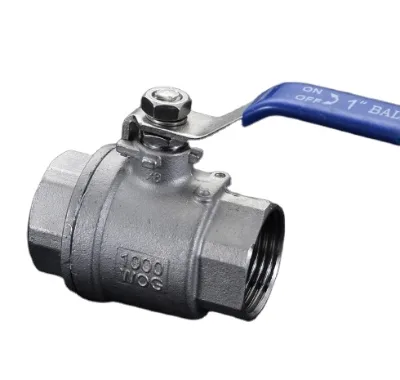
Sourcing a commercial four-way valve requires careful attention to operational parameters and material compatibility, as these components serve critical roles in fluid control systems. Buyers must first define the specific application environment, whether it involves general industrial usage, household applications, or specialized water industrial processes. The observed market listings indicate a diverse range of products, from self-operated hydraulic units to distribution valves, each with distinct functional requirements. Understanding the primary function—such as reversing, bypassing, or relieving pressure—is essential before evaluating technical specifications. This initial clarity prevents mismatches between the valve’s capabilities and the system’s operational demands, ensuring that the selected component integrates seamlessly into existing infrastructure without requiring extensive modification or additional adapters.
Furthermore, the sourcing process must account for the variety of connection modes and structural designs available in the current market. Listings reveal options ranging from internal threads to clamp connections, with some units featuring a four-way structure designed for complex flow distribution. Buyers should verify the driving mode, whether it is hydraulic, worm gear, or other mechanisms, as this directly impacts installation complexity and long-term maintenance needs. The distinction between new condition units and refurbished items also plays a significant role in procurement decisions, particularly when warranty coverage and after-sales support are considered. By aligning the valve’s physical attributes with the specific mechanical constraints of the installation site, buyers can mitigate risks associated with improper fit or inadequate performance under varying pressure differentials.
Product Scope and Observed Listing Signals
The current market for commercial four-way valves presents a wide spectrum of product types, including self-operated hydraulic valves, distribution valves, and reversing valves. Observed listings highlight models such as the DSF-4 series, which spans from DSF-4 to DSF-420, indicating a broad range of capacities and configurations. These products are often categorized by their function, such as bypass, atmospheric, or relief valves, and may feature straight-through channel designs or fixed ball valve structures. The presence of carbon steel and stainless steel materials suggests that buyers must evaluate corrosion resistance and mechanical strength based on the media being handled, whether it is gas or other fluids. This diversity in product scope necessitates a thorough review of each listing to ensure the selected valve meets the specific pressure and temperature requirements of the intended application.
Additionally, the observed listing signals reveal variations in packaging and origin, which can influence logistics and total cost of ownership. Products are reported to originate from regions such as Japan and Zhejiang, China, with packaging options including cartons and standard packing methods. The selling units are typically listed as single items, with some suppliers offering customization support through OBM, ODM, and OEM services. This flexibility allows buyers to tailor specifications to their unique needs, although it requires careful verification of the customization capabilities and associated lead times. The presence of different port sizes, such as 4-inch and 8-inch options, further emphasizes the importance of matching the valve’s physical dimensions to the existing piping system to avoid costly retrofits or flow restrictions.
Technical Specifications to Verify
When evaluating technical specifications, buyers must prioritize the verification of port size, connection form, and nominal pressure ratings to ensure compatibility with the existing system. Observed data indicates port sizes ranging from 1 inch to 8 inches, with connection forms including internal threads and clamps. It is crucial to confirm the nominal pressure range, which can vary from PN1.0 to 32.0MPa, to ensure the valve can withstand the operational pressures without failure. Additionally, the maximum operation pressure differential, noted as 2.5 for certain refrigerants like R22 and R134A, must be checked against the system’s actual operating conditions. These parameters are fundamental to preventing leaks, ensuring efficient flow, and maintaining the integrity of the fluid control system under varying load conditions.
Beyond pressure and connection details, the driving mode and power requirements are critical factors that influence both installation and long-term performance. Listings show driving modes such as worm gear and power sources ranging from hydraulic to other unspecified types, with power ratings between 0.75 and 1.5 HP for some models. Buyers should verify the internal leakage rates, which are specified as less than 1000 ml/min for certain units, to assess the valve’s sealing efficiency. The temperature rating, particularly for low-temperature applications, must also be confirmed to prevent material brittleness or operational failure in cold environments. By meticulously cross-referencing these technical specifications with the system’s design parameters, buyers can select a valve that offers reliable performance and minimizes the risk of premature failure.
Compliance and Safety Documentation
Compliance and safety documentation are essential components of the procurement process, ensuring that the selected valves meet international and regional regulatory standards. Observed listings mention certifications such as ISO9001 and BV ECE110r, which indicate adherence to quality management systems and specific engineering standards. Buyers should request and verify these certificates to confirm that the manufacturer maintains consistent quality control practices. Additionally, while some background information suggests potential compliance with RoHS and CE standards, these should be explicitly confirmed with the supplier rather than assumed. Proper documentation not only facilitates customs clearance and market entry but also provides assurance that the products have undergone rigorous testing and meet safety requirements for industrial and household applications.
In addition to formal certifications, buyers should inquire about the warranty terms and after-sales service provisions to mitigate long-term risks. Many suppliers offer a one-year warranty and 24-hour online customer service, which can be valuable for troubleshooting and maintenance support. It is important to clarify the scope of the warranty, including what components are covered and the procedures for claiming repairs or replacements. Clear communication regarding after-sales support ensures that any issues arising during the valve’s operational life can be addressed promptly, minimizing downtime and repair costs. By prioritizing suppliers with robust compliance records and comprehensive support services, buyers can enhance the reliability and longevity of their fluid control systems.
Cost Drivers and Commercial Terms
Cost drivers for commercial four-way valves include material composition, manufacturing complexity, and the level of customization required. Stainless steel and carbon steel materials offer different price points based on durability and corrosion resistance, while complex structures like four-way distribution valves may command higher prices due to intricate engineering. Customization support, such as OEM, ODM, and OBM services, can also impact costs, as tailored specifications often involve additional design and production efforts. Buyers should request detailed quotations that break down these cost components to understand the value proposition of each option. Additionally, the observed MOQ of 50 pieces for some products suggests that bulk purchasing may offer economies of scale, reducing the per-unit cost for larger orders.
Commercial terms, including payment methods and lead times, are equally important in the procurement decision. Suppliers may accept payments via T/T, Western Union, or PayPal, each with different implications for transaction security and processing time. Buyers should negotiate clear terms regarding delivery schedules, especially when sourcing from international locations like Japan or China, to avoid delays that could disrupt production. The observed standard packing dimensions of 303010 cm provide insight into shipping volume and logistics costs, which should be factored into the total cost analysis. By carefully evaluating both the direct product costs and the associated commercial terms, buyers can optimize their procurement strategy to achieve the best balance between cost efficiency and supply chain reliability.
Supplier Qualification and Quality Control
Supplier qualification is a critical step in ensuring the reliability and consistency of commercial four-way valve purchases. Buyers should verify the supplier’s manufacturing capabilities, quality management systems, and track record in the industry. The presence of ISO9001 certification, as noted in some listings, is a positive indicator of standardized quality control processes. However, buyers should also conduct due diligence to assess the supplier’s financial stability, production capacity, and ability to meet specific customization requests. Engaging with suppliers who have a proven history of delivering high-quality products and adhering to strict quality standards reduces the risk of receiving defective or non-compliant valves. This proactive approach helps build a strong foundation for a long-term procurement relationship.
Quality control measures should be integrated into the procurement process to ensure that the delivered products meet the specified technical requirements. Buyers may consider implementing incoming inspection protocols to verify key attributes such as port size, connection form, and pressure ratings upon receipt. Additionally, requesting sample units for testing before placing large orders can provide valuable insights into the valve’s performance and durability. Collaborating with suppliers who offer comprehensive after-sales support, including 24-hour online service and a one-year warranty, further enhances quality assurance by providing a safety net for any potential issues. By combining rigorous supplier qualification with active quality control practices, buyers can maintain high standards of product reliability and operational efficiency.
Long-Term Procurement Checks
Long-term procurement checks involve continuous monitoring of supplier performance and product reliability to ensure sustained value. Buyers should establish key performance indicators (KPIs) to track metrics such as delivery times, defect rates, and responsiveness to after-sales service requests. Regular reviews of these metrics help identify potential issues early and allow for corrective actions to be taken before they impact operations. Additionally, staying informed about industry trends and technological advancements in valve design can help buyers make informed decisions about future upgrades or replacements. By maintaining a proactive approach to supplier management, buyers can foster a collaborative relationship that drives continuous improvement and innovation in their fluid control systems.
Furthermore, buyers should periodically reassess their procurement strategies to align with changing business needs and market conditions. This may involve exploring new suppliers, negotiating better commercial terms, or evaluating alternative materials and designs that offer improved performance or cost efficiency. The observed diversity in product origins and specifications provides opportunities to diversify the supply base and reduce dependency on a single source. By regularly updating their supplier qualification criteria and quality control protocols, buyers can ensure that their procurement processes remain robust and adaptable. This ongoing commitment to long-term procurement checks helps mitigate risks and supports the overall success of the buyer’s operational objectives.
FAQs
What models are available for Commercial Four Way Valve products?
Listed models range from DSF-4 to DSF-420, with DSF-4U also shown in specifications. These cover different capacity points for refrigeration and heat pump applications. Since model availability varies by listing, confirm the exact model number you need with the supplier before ordering, especially when matching an existing system or replacing a specific installed valve.
Which port sizes can I order for a Commercial Four Way Valve?
Available port sizes in the listings include 4 inch, 1 inch, and size 8 with connection dimensions of 8.1 and 9.6 millimeters. Port size determines compatibility with your piping and refrigerant lines. Verify the connection type, which is internal thread or clamp depending on the listing, and match it to your system before placing an order.
Can commercial four way valves be customized for my application?
Yes, customization is available on the listed products, with OBM, ODM, and OEM support offered. Suppliers can adjust specifications to match your system requirements, though minimum order quantities and lead times may differ for customized units. Provide your model, port size, and operating conditions early so the supplier can confirm feasibility and quote accurately.
What is the minimum order quantity for a Commercial Four Way Valve?
The observed MOQ range across listings spans from 1 to 500 pieces, with one listing stating 50 pieces. Selling units are single items on some listings, so smaller trial orders may be possible. Confirm the exact MOQ directly with each supplier, since it can vary by model, customization level, and order size.
What materials and pressure ratings do these four way valves use?
Materials listed include stainless steel and carbon steel, with a structure described as four way or fixed ball valve. Nominal pressure ratings range from PN1.0 to 32.0 MPa on applicable listings. Always confirm the material and pressure class suitable for your refrigerant and operating conditions before ordering, since listings differ in construction.
How is a Commercial Four Way Valve packed for shipping?
Packing is by carton, described as standard packaging in the listings, with selling units as single items. Cartons protect the valve body and connections during standard freight handling. If you need reinforced export packaging, pallets, or specific labeling, discuss it with the supplier when ordering so packing can be arranged accordingly.
What warranty and after-sales support come with these valves?
Listings show warranties of either 1 year or 12 months, with after-sales service advertised as 24-hour online customer support. Warranty terms can vary by supplier and listing, so confirm coverage details, exclusions, and claim procedures before purchase. Documenting your operating conditions also helps with any later support requests.
Can I pay by methods other than bank transfer?
Yes, listed payment options include T, Western Union, and PayPal. Payment availability can depend on order value, buyer country, and supplier policy, so confirm accepted methods before checkout. Larger or customized orders may have different payment terms, such as deposits or staged payments, which should be agreed in advance with the supplier.