LBP RSIR Refrigeration Compressor Suppliers and Manufacturers
Source LBP RSIR Refrigeration Compressor from 28 verified suppliers in China. Compare ISO9001:2015 certifications, 15-20 day lead times, and R600A/R134A specs. Filter by MOQ and response time to find the right partner; review the available evidence before requesting comparable quotations from suitable candidates.
Updated
Suppliers List

Zhejiang Maidi Refrigeration Technology Co., Ltd.
- Verified by TUVRHEINLAND
- Combined
- China Zhejiang
- Lead time15 days
- Avg. response≤ 8h
Main productsRefrigeration Parts, Refrigerant, Refrigerator Compressor, Filter Drier, Liquid Accumulator, Liquid Receiver, Oil Separator, Heating Exchanger, Compressor, Refrigerant Gas
Main marketsDomestic,Europe


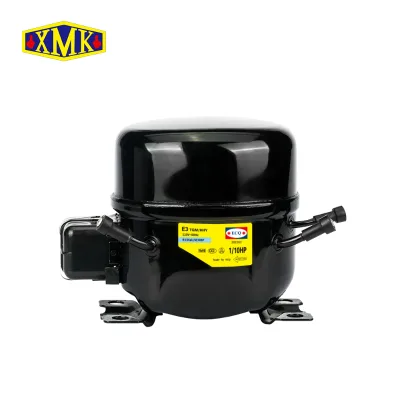
Lbp R600A Refrigerant Static Cooling Refrigerator Cooler Refrigeration Part Compressor
$18.50 - $20.50
MOQ: 100 Pieces

Liaoning Icekey Refrigeration Co., Ltd.
- Verified by TüVRheinland
- Trading Company
- Lead time20 days
- Avg. response≤ 2h
Main productsCapacitor, Refrigerant Gas, Compressor, Protector, Copper Tube
Main marketsSouth America(35%), North America(15%), Eastern Europe(15%)
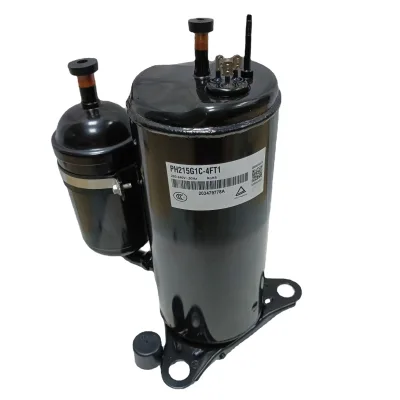
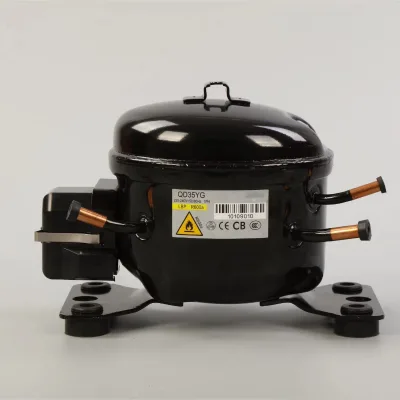
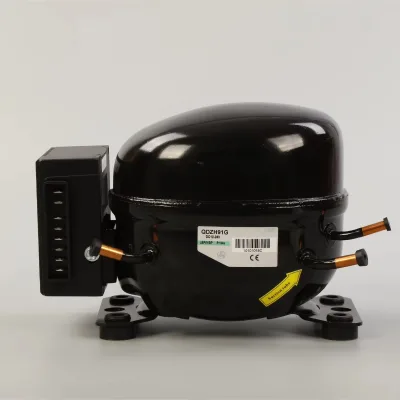
1/4HP QD52H LBP Refrigeration Compressor for Heat Exchange & Refrigeration Systems R600a,R134a
$21.2013 - $24.3324
MOQ: 300 pieces
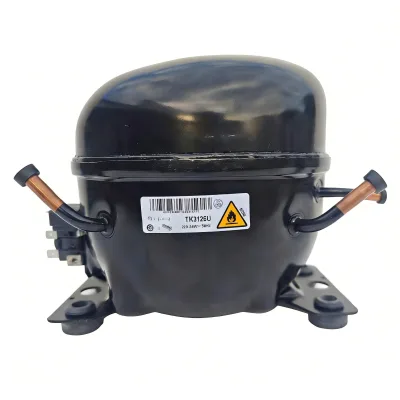
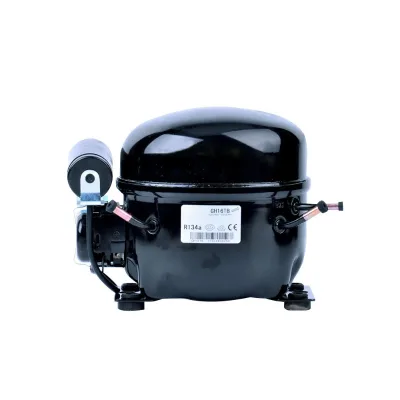
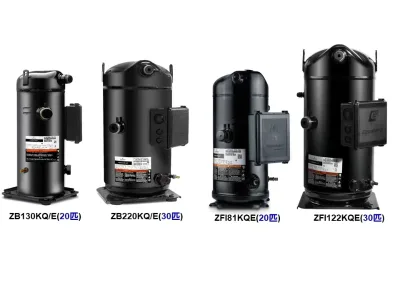
Inverter Compressor for Refrigerator and Ice Machine R134a M/HBP 220-240V~50Hz
$31.7436 - $34.8149
MOQ: 80 pieces

Zhejiang Briliant Refrigeration Equipment Co., Ltd
- Verified by BV
- Combined
- China Zhejiang
- Lead time30 days
- Avg. response≤ 8h
Main productsRefrigeration Compressor, Check Valve, Refrigeration Ball Valve, Ammonia Globe Valve, Cast Steel Valve, Safety Valve, Semi-Hermetic Piston Compressor, Ammonia Check Valve, Condensing Unit, Air Cooler
Main marketsSouth America,Africa,Southeast Asia/ Mideast,East Asia(Japan/ South Korea),Domestic,Europe,North America


Advanced Cold Storage Refrigeration Compressor for Efficient Cooling Solutions
$3000.00 - $10000.00
MOQ: 1 Pieces

High-Capacity Industrial Refrigeration Compressor for Superior Cooling Solutions
$742.00 - $762.00
MOQ: 1 Pieces

Shengzhou City Resour Products Supplying Co., Ltd.
- Verified by SGS
- Trading Company,Manufacturer/Factory
- China Zhejiang
- Lead time23 days
- Avg. response≤ 6h
Main productsRefrigeration Equipment &, Heat Exchanger, Refrigeration Compressor, Pressure Vessel for Condensing Units, Condensing Units, Refrigeration Valves, Compressor Units, Spare Parts, Water-Cooled, Air Cooled &
Main marketsSouth America,Eastern Europe,Mid East,North America,Southeast Asia,Eastern Asia,Western Europe,Africa

NINGBO Green Frost Technology Co., Ltd
- Verified by SGS
- Trading Company
- China Zhejiang
- Lead time23 days
- Avg. response≤ 1h
Main productsCondenser, Evaporator, Motor, Compressor, Axial Fans
Main marketsSouth America,Eastern Europe,Mid East,North America,Southeast Asia,Eastern Asia,Oceania,Western Europe,Africa

Lbp Type R134A Freezer 220V Compressor for Refrigeration Cooling Solutions
$12.50 - $26.00
MOQ: 100 Pieces

Lbp Operation Reciprocating Compressor 110-120V 60Hz for Home Refrigeration Units
$12.50 - $28.50
MOQ: 100 Pieces

Refrigeration Compressor 1/4HP 220V 50Hz R134A Lbp for Cooling Solution
$12.50 - $26.00
MOQ: 100 Pieces

Lbp 1/5HP 220V 50hzrefrigeration Compressor for R290A Freezer Cooling Power
$12.50 - $28.50
MOQ: 100 Pieces

Refrigeration Compressor 1/6HP 1/4HP 220V 50Hz R134A Lbp for Cooling Solution
$12.50 - $28.50
MOQ: 100 Pieces

1/4HP Lbp 110V Freezer Compressor for R134A R600A Ice Storage Solutions
$12.50 - $28.50
MOQ: 100 Pieces
Guangzhou ZhiGao Freeze Equipment Limited Company
- Verified by SGS Group
- Trading Company
- Lead time20 days
- Avg. response≤ 3h
Main productsCondensers, Evaporator and Air Coolers, Condensing Units, HVAC Spare Parts, Compressors
Main marketsMid East(60%), Southeast Asia(12%), Africa(10%)
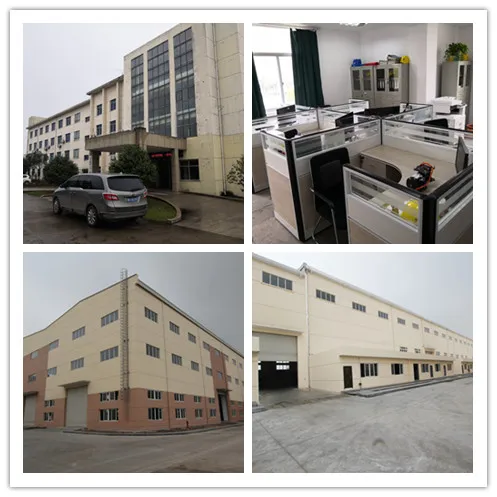
Zhejiang Four Season Thermo Co., Ltd.
- Manufacturer, Trading Company
- Zhejiang, China
- Lead time15 days
- Avg. response≤ 7h
Main productsCooling compressor,Condensing unit,DC compressor fridge,water chiller,cooling system
Main marketsNorth America(26.00%), Western Europe(10.00%), Eastern Asia(10.00%), Mid East(10.00%), Eastern Europe(8.00%), Northern Europe(5.00%), Domestic Market(5.00%), Southeast Asia(5.00%), Africa(5.00%), South America(5.00%), South Asia(5.00%), Southern Europe(3.00%), Oceania(2.00%), Central America(1.00%)
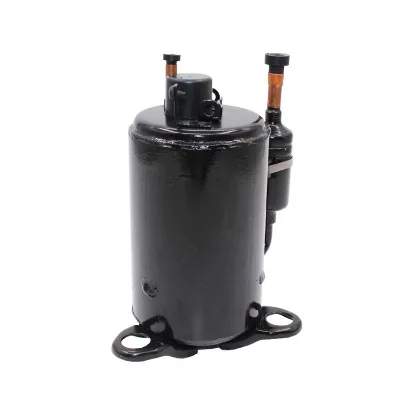
FS THERMO R290 Bldc Rotary Compressor Hbp for air Cooler
$85.00 - $120.00
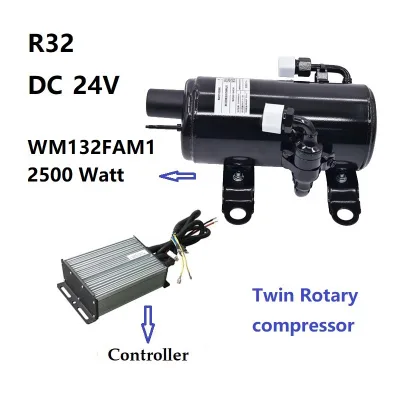
Four Season Mini Rotary Refrigeration Compressor R32 for Sales
$155.00 - $235.00
Hangzhou Huahang Energy Engineering Co., Ltd.
- Trading Company
- Zhejiang, China
- Lead time15 days
- Avg. response≤ 2h
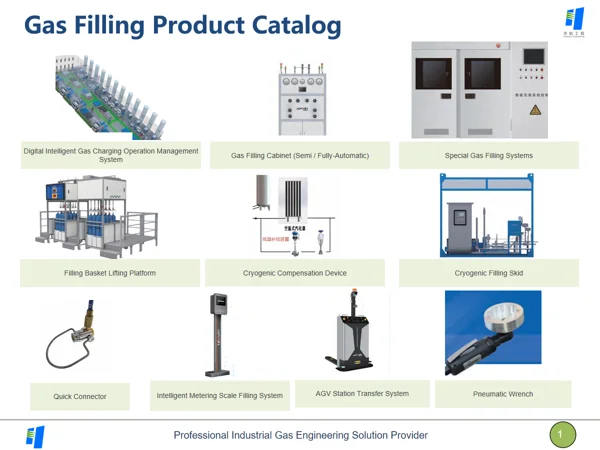
Main productsIndustrial Gas Filling Systems,Gas Analyzers & Detectors,Gas Storage & Transportation Equipment,Pumps & Gas Compressors,Vaporizers & Gasification Stations
Main marketsDomestic Market(35.00%), North America(10.00%), Western Europe(10.00%), Eastern Asia(10.00%), Mid East(10.00%), Southeast Asia(10.00%), Eastern Europe(10.00%), South Asia(5.00%)

Shengzhou City Refrigeration Equipment Factory
- Manufacturer, Trading Company
- Zhejiang, China
- Lead time25 days
- Avg. response≤ 2h
Main productsCondenser,Evaporator,Compressor,Condensing Unit,Heat exchanger
Main marketsSouth Asia(9.09%), Northern Europe(9.09%), Western Europe(9.09%), Eastern Asia(9.09%), Mid East(9.09%), Oceania(9.09%), Africa(9.09%), Southeast Asia(9.09%), Eastern Europe(9.09%), South America(9.09%), North America(9.09%)

Hangzhou Sino-Cold Sci-Tech Co., Ltd.
- Verified by TUVRHEINLAND
- Manufacturer/Factory
- China Zhejiang
- Lead time0 days
- Avg. response≤ 5h
Main productsRefrigeration, Cold Room, Cold Storage Room, Compressor, Condensing Unit, Copeland, Hanbell, Carrier


Lbp Hbp 1pH Refrigerator Refrigeration Compressor Sc15g 104G7550 R134A 115V 60Hz
$145.00 - $160.00
MOQ: 1 sets


Hangzhou Polarmint Refrigeration Technology Co., Ltd.
- Verified by SGS
- Trading Company
- China Zhejiang
- Lead time30 days
- Avg. response≤ 1h
Main productsCondensate Pump, Air Conditioning Copper Pipe, Fan Motor, Refrigeration Compressor, Air Cooler, Film Capacitor, Fastener, Condenser, Condensing Unit, Ice Maker
Main marketsSoutheast Asia/ Mideast

Lbp Refrigeraton Compressor 1/4HP R134A 220V-240V/50Hz for Refrigerator
$12.30 - $38.00
MOQ: 100 Pieces

$20.00 - $22.00
MOQ: 2400 Pieces

Zhejiang Damai Cold Chain Equipment Co., Ltd.
- Verified by CTI
- Trading Company
- China Zhejiang
- Lead time15 days
- Avg. response≤ 11h
Main productsCold Room, Condensing Unit, Air Cooler, Evaporator, Condenser, Cold Room Panel, Compressor, Cold Room Door, Refrigeration Part, Valve
Main marketsSouth America,Africa,Southeast Asia/ Mideast,Europe,North America

High Quality Compressor Refrigeration Air Conditioning Compressor Refrigeration Compressor
$457.00 - $500.00
MOQ: 1 Pieces

Air Conditioning Compressor Compressors Refrigerator Refrigeration Spare Part Compressor
$457.00 - $500.00
MOQ: 1 Pieces


Chongqing Sikepu Refrigeration Equipment Co., Ltd.
- Manufacturer, Trading Company
- Chongqing, China
- Lead time10 days
- Avg. response≤ 5h
Main productsAir-conditioning compressor,Refrigerator compressor
Main marketsMid East(70.00%), Southeast Asia(20.00%), Eastern Asia(10.00%)
Guangzhou Baida Refrigeration Equipment Co., Ltd.
- Verified by SGS Group
- Trading Company
- Lead time0 days
- Avg. response≤ 5h
Main productsCopper Pipe, Air conditioner Cleaning Cover, Insulation Pipe, Compressors, Refrigeration Tools
Main marketsAfrica(20%), Mid East(20%), Western Europe(10%)
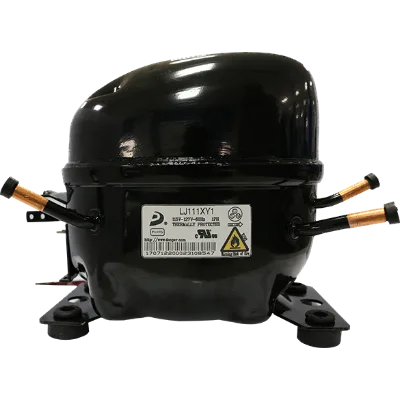
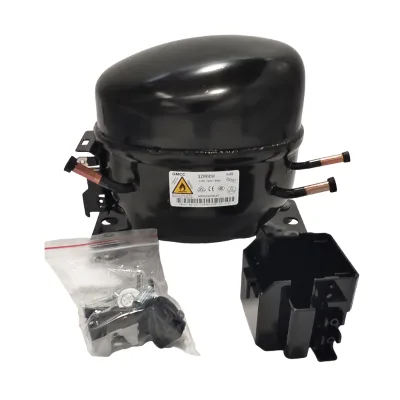
$18.9827 - $21.0861
MOQ: 120 pieces
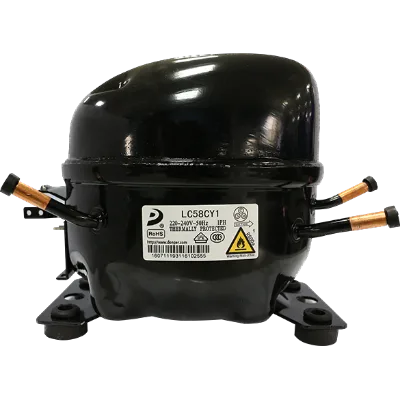
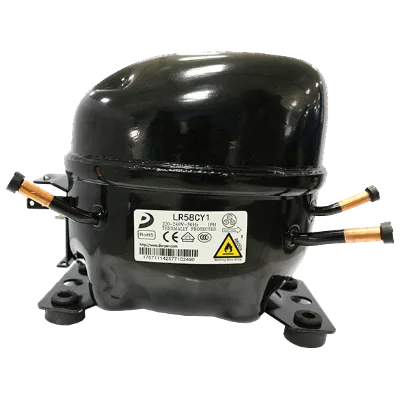
Bobiller (guangzhou) Refrigeration Equipment Co., Ltd.
- Trading Company
- Guangdong, China
- Lead time30 days
- Avg. response≤ 3h
Main productsRefrigeration Compressor
Main marketsMid East(50.00%), Southeast Asia(20.00%), South America(10.00%), North America(5.00%), Oceania(5.00%), Africa(5.00%)

- Verified by TUVRHEINLAND
- Trading Company,Manufacturer/Factory
- China Shandong
- Lead time23 days
- Avg. response≤ 6h
Main productsRefrigeration Part, Evaporator, Compressor, Condenser, Refrigerator Condenser, Filter Drier, Access Valve, Accumulator, Refrigeration, Refrigerator Part
Main marketsSouth America,Eastern Europe,Mid East,North America,Southeast Asia,Eastern Asia,Oceania,Western Europe,Africa
Zhejiang Maidi Refrigeration Technology Co., Ltd.
- Verified by TüVRheinland
- Manufacturer, Trading Company
- Lead time20 days
- Avg. response≤ 4h
Main productsRefrigeration Parts, Condensate Pump, Refrigerator Compressor, Fan Motor
Main marketsDomestic Market(50%), Mid East(16%), Africa(12%)
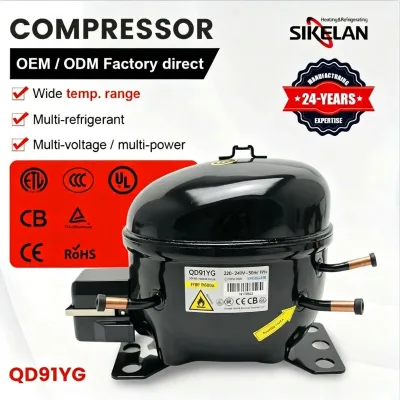
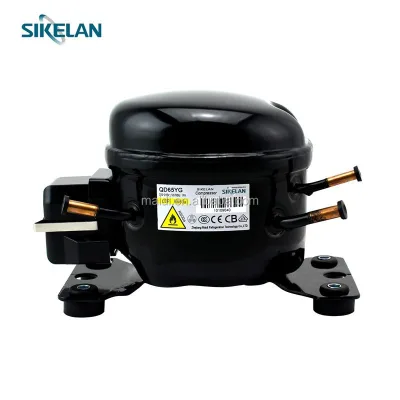
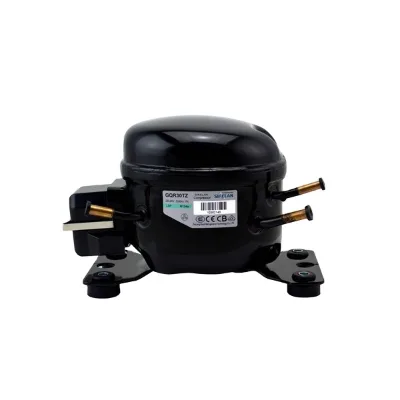
QD65YG Refrigeration Compressor 110W Cooling Capacity Rsir Motor Static Cooling
$20.00
MOQ: 100 Minimum
- Manufacturer, Trading Company
- Zhejiang, China
- Lead time25 days
- Avg. response≤ 3h
Main productsCompressor (Under 5KW),Condensing unit (only sales),cool bag,mini unit
Main marketsDomestic Market(45.00%), Western Europe(11.00%), North America(10.00%), Southern Europe(9.00%), South America(7.00%), Eastern Asia(6.00%), Mid East(4.00%), Northern Europe(3.00%), Eastern Europe(2.00%), Africa(1.00%), Southeast Asia(1.00%), Oceania(1.00%)
- Verified by TüVRheinland
- Trading Company
- Zhejiang, China
- Lead time15 days
- Avg. response≤ 2h
Main productsCompressor, Fan, Refrigerant Oil, Capacitor, Copper Fitting And Tube
Main marketsSoutheast Asia(26%), Mid East(26%), South America(21%)
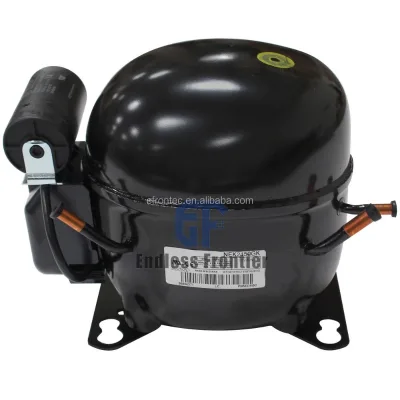
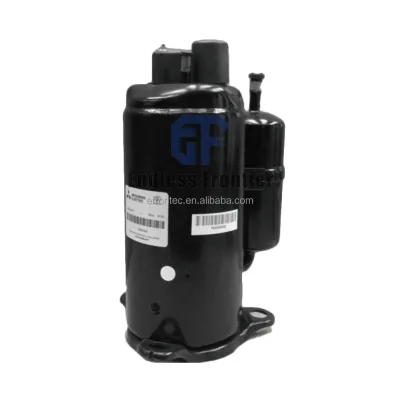
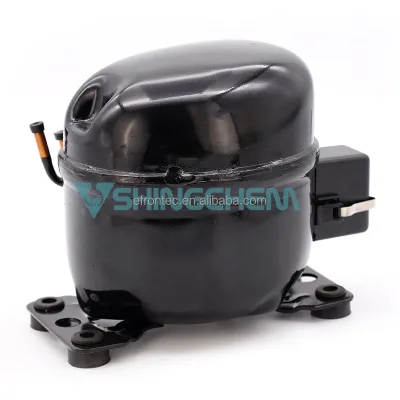
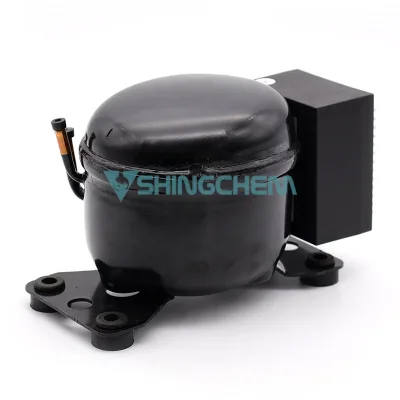
R290 Refrigerant Stainless Steel Piston Compressor for AC Dehumidifier/Cooler/Freezer New
$19.4689 - $39.9626
MOQ: 125 pieces
Wuhu Techsun Import & Export Co., Ltd.
- Trading Company
- Anhui, China
- Lead time25 days
- Avg. response≤ 6h
Main productsdrain pump,ac dc motor,washing machine,vacuum cleaner,compressor
Main marketsMid East(30.00%), Eastern Europe(30.00%), Western Europe(10.00%), Africa(10.00%), North America(10.00%), South America(1.00%)

- Verified by SGS
- Trading Company
- China Zhejiang
- Lead time23 days
- Avg. response≤ 3h
Main productsRefrigeration, HVAC, Ventilation, Washing Machine Parts, Dryer Parts, Air Conditioning Parts, Customized Metal Products, AC Installation Products, Electrical
Main marketsSouth America,Africa,Southeast Asia/ Mideast,East Asia(Japan/ South Korea),Europe,Australia,North America


Best Selling Light Commercial Refrigeration Compressor for Refrigerator
$205.00 - $240.00
MOQ: 120 Pieces
Guangzhou Coolmax Auto Accessorial Co., Ltd.
- Manufacturer
- Guangdong, China
- Lead time0 days
- Avg. response≤ 5h
Main productsFluorine Charging Tools,Piping Tools,Refrigerant Recovery Machine,Vacuum Pump,Leak Detection Tools
Main marketsAfrica(60.00%), Southeast Asia(18.00%), Eastern Asia(10.00%), Mid East(10.00%), Domestic Market(1.00%), South Asia(1.00%)
Health of Fibonacci Air purification Technology(Jinan) Co., Ltd.
- Verified by Intertek
- Manufacturer, Trading Company
- Lead time0 days
- Avg. response≤ 2h
Main productsHeat Pump Units, Hydraulic Modules, Control Modules, Air Conditioning Terminal Equipment, Central Air Conditioning Supporting Equipment
Main marketsDomestic Market(50%), North America(10%), Mid East(10%)
Ningbo Leader Import And Export Company Limited
- Verified by TüVRheinland
- Trading Company
- Lead time30 days
- Avg. response≤ 7h
Main productsCompressor, Thermostat, HVAC Tool, Contactor
Main marketsNorth America(31%), Africa(21%), South America(11%)

Borui Si Refrigeration Technology (Shengzhou) Co., Ltd
- Verified by BV
- Combined
- China Zhejiang
- Lead time30 days
- Avg. response≤ 5h
Main marketsSoutheast Asia/ Mideast


Premium Industrial Refrigeration Compressor for Superior Cooling Solutions
$1080.64 - $1100.64
MOQ: 1 Pieces


Durable Refrigeration Compressor for Optimal Temperature Control Systems
$1180.00 - $1200.00
MOQ: 1 Pieces


High-Performance Semi-Closed Refrigeration Compressor for Cold Storage Solutions
$1277.76 - $1297.76
MOQ: 1 Pieces

NINGBO SANHE REFRIGERATION CO., LTD.
- Verified by BV
- Trading Company
- China Zhejiang
- Lead time30 days
- Avg. response≤ 4h
Main productsCompressor, Refrigerant, Copper Tube & Coil, Air Conditioner Parts, Refrigeration Parts, Refrigerator Parts, Service Tools, Buildings Automation, Washing Machine Parts, Car Air Conditioning Parts
Main marketsSouth America,Africa,Southeast Asia/ Mideast,East Asia(Japan/ South Korea),Europe,Australia,North America
Foshan Leanson Refrigeration Technology Co., Ltd.
- Verified by TüVRheinland
- Trading Company
- Lead time20 days
- Avg. response≤ 1h
Main productsCompressor, Condenser, Air Cooler, Condensing Unit, Cold Room
Main marketsNorth America(20%), Southeast Asia(20%), Mid East(20%)
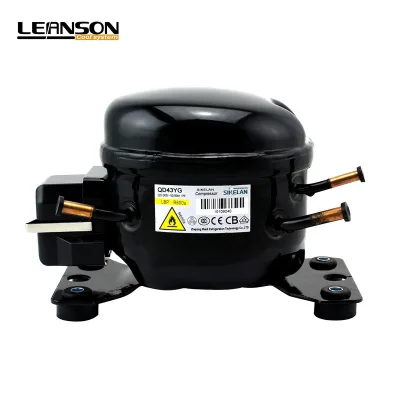
AQAW72 Low Back Pressure DC 50v Compressor for Small Mobile Refrigerator Carrier Freezer Compressor
$35.7664 - $40.8752
MOQ: 1 pieces
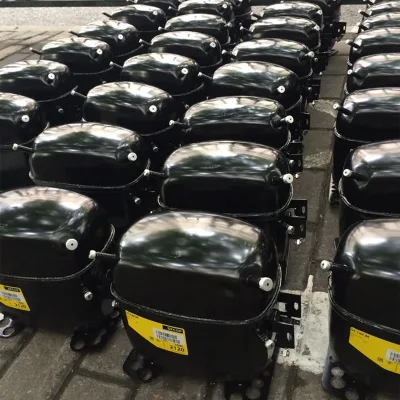
R134a Refrigerator SECOP Compressor Low Back Pressure Inverter for Home & Farm Use
$58.00 - $60.00
MOQ: 1 pieces
Vestar International Industry Co., Ltd.
- Verified by Intertek
- Trading Company
- Lead time30 days
- Avg. response≤ 1h
Main productsCompressors, Air Filters, Capacitors, Inverters, Controllers
Main marketsNorthern Europe(13%), South America(12%), Central America(12%)
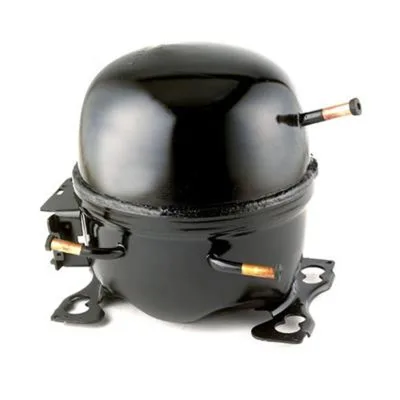
Commercial Compressor for Refrigerated Trucks Shockproof & Reliable
$47.4606 - $151.666
MOQ: 1 Minimum
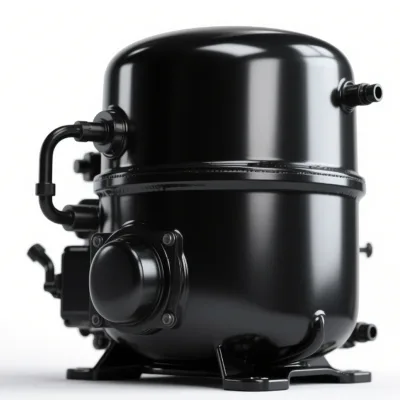
Small Volume Refrigerator Compressor High Efficiency for Under-Counter Refrigerators
$80.00 - $120.00
MOQ: 100 Minimum


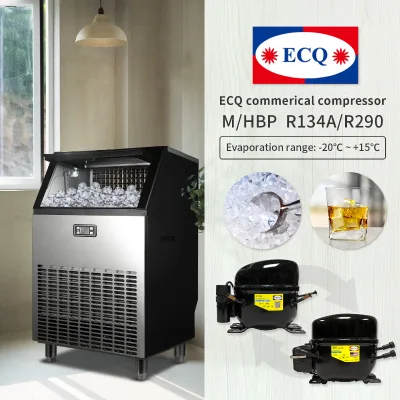
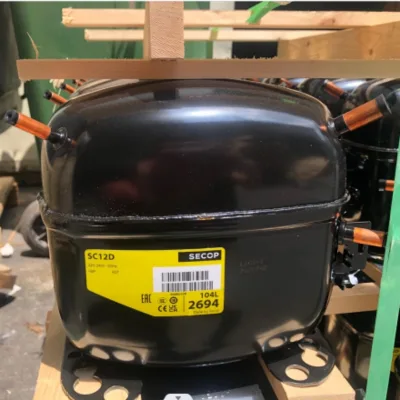
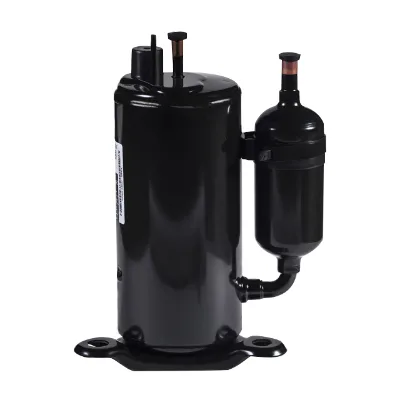
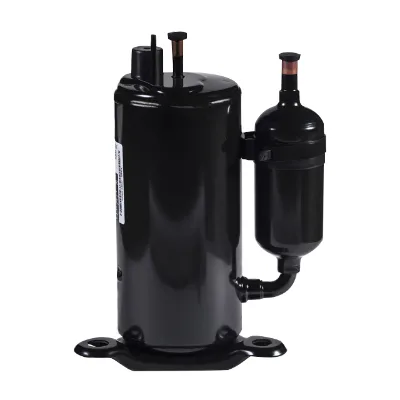




Comprehensive Sourcing Guide
LBP RSIR Refrigeration Compressor Supplier Concentration and Factory Types
The current supplier landscape for LBP RSIR Refrigeration Compressor components reveals a distinct concentration in China, specifically within the Zhejiang province. This geographic clustering suggests a mature industrial ecosystem where specialized manufacturing capabilities for refrigeration parts are centralized. Buyers evaluating potential partners should recognize that suppliers located in this region often benefit from established supply chains for raw materials such as copper tubing and steel housings, which are critical for compressor construction. The presence of both combined manufacturing entities and dedicated trading companies in these results indicates a diverse market structure. Combined companies typically offer integrated services, potentially including original design manufacturing (ODM) and original equipment manufacturing (OEM) capabilities, allowing for greater customization of compressor specifications. In contrast, trading companies may focus on aggregating products from various factories, providing a broader catalog of compatible parts like capacitors, protectors, and refrigerant gases alongside the compressors themselves. Understanding this distinction is vital for buyers seeking either bespoke engineering solutions or rapid procurement of standard replacement units. The concentration in Zhejiang does not guarantee uniform quality across all vendors, but it does provide a clear starting point for identifying suppliers with relevant industrial experience. Buyers should prioritize verifying the specific operational model of each supplier to ensure it aligns with their procurement strategy, whether that involves long-term manufacturing partnerships or short-term component sourcing.
Supplier types also vary in their primary product focus, which can influence the depth of expertise available for LBP RSIR Refrigeration Compressor inquiries. Some suppliers list main products that include a wide array of refrigeration parts, such as filter driers, liquid accumulators, and oil separators, indicating a comprehensive approach to system-level supply. Others may specialize more narrowly in compressors and related electrical components like capacitors and protectors. This variation affects the buyer’s ability to source complete kits or single replacement parts efficiently. Combined suppliers often possess the technical capacity to handle complex customization requests, such as adjusting voltage ratings or refrigerant types to meet specific regional standards. Trading companies, while potentially offering competitive pricing on standard items, may have less direct control over the manufacturing process and quality assurance protocols. Buyers must assess whether their project requires deep technical collaboration or simple transactional purchasing. The presence of suppliers offering both OEM and own brand capabilities suggests flexibility in branding and intellectual property arrangements. However, buyers should remain cautious about assuming that all suppliers in the Zhejiang cluster offer identical levels of manufacturing sophistication. Due diligence is required to confirm that the supplier’s specific factory type matches the technical demands of the LBP RSIR Refrigeration Compressor application, ensuring that the chosen partner can deliver consistent performance and reliability.
How to Verify LBP RSIR Refrigeration Compressor Suppliers
Verification of LBP RSIR Refrigeration Compressor suppliers requires a multi-layered approach that goes beyond basic company profiles. One critical step is to examine third-party verification badges, such as those issued by TÜV Rheinland, which indicate that an independent body has assessed the supplier’s business legitimacy and operational capabilities. These verifications provide a baseline of trust but should not be the sole determinant of supplier quality. Buyers must also scrutinize system certifications, particularly ISO9001:2015 and ISO14001:2015, which demonstrate adherence to international quality management and environmental standards. For refrigeration components, these certifications are essential as they reflect the supplier’s commitment to consistent manufacturing processes and regulatory compliance. Additionally, product-specific certifications such as CE, CCC, RoHS, TUV, ETL, and UL are crucial for ensuring that the compressors meet safety and performance requirements in target markets. Buyers should request copies of these certificates and verify their validity through the issuing bodies. It is also important to check if the supplier has undergone factory audits or product testing by recognized organizations. These tests often cover critical parameters like cooling capacity, COP (Coefficient of Performance), and voltage stability. Buyers should ask for detailed test reports for the specific LBP RSIR Refrigeration Compressor models they intend to purchase. This evidence helps confirm that the supplier’s claims about product performance are substantiated by objective data.
Beyond certifications, buyers should evaluate the supplier’s response time and communication efficiency as indicators of their operational maturity. A response time of under seven hours, as observed in some results, suggests a responsive customer service team capable of addressing technical queries and order updates promptly. This is particularly important for LBP RSIR Refrigeration Compressor sourcing, where technical specifications such as voltage, refrigerant type, and mounting dimensions must be precisely matched. Buyers should initiate contact with potential suppliers to gauge their technical knowledge and willingness to provide detailed product information. Questions about customization options, such as available voltage ranges (e.g., 220-240V or 12/24V) and refrigerant compatibility (e.g., R600A or R134A), can reveal the depth of the supplier’s engineering support. Furthermore, buyers should verify the supplier’s ability to provide accurate product attributes, including weight, cooling capacity, and rotation speed. These details are critical for ensuring compatibility with existing refrigeration systems. Buyers should also inquire about the supplier’s quality control processes, including incoming material inspections and final product testing. Requesting samples before placing large orders is a prudent step to physically verify build quality and performance. By combining certification checks, communication assessments, and sample evaluations, buyers can build a comprehensive profile of each supplier’s reliability and technical competence.
What to Compare Across LBP RSIR Refrigeration Compressor Suppliers
When evaluating multiple suppliers for LBP RSIR Refrigeration Compressor needs, buyers must systematically compare key operational and commercial metrics to identify the most suitable partner. Lead time is a critical factor, with observed values ranging from 15 to 20 days. This variation can significantly impact inventory management and project timelines, especially for buyers requiring just-in-time delivery. Buyers should clarify whether these lead times are standard or subject to change based on order volume or customization requirements. Similarly, the minimum order quantity (MOQ) is a decisive factor, with some suppliers requiring a minimum of 100 units. This threshold can be a barrier for small-scale buyers or those testing new product lines. Buyers should negotiate MOQs or seek suppliers with lower entry barriers if their volume needs are modest. Price is another essential comparison point, with observed ranges varying from approximately $18.50 to $58.50 per unit depending on the model and specifications. Buyers should not focus solely on the lowest price but should consider the total cost of ownership, including shipping, tariffs, and potential warranty claims. Comparing price against features such as COP, cooling capacity, and voltage options can help determine value. Additionally, buyers should assess the supplier’s capacity for customization, including ODM and OEM services. Suppliers offering flexible customization can adapt compressors to specific design requirements, which is valuable for unique applications.
Response time and after-sales support are also vital comparison dimensions. Suppliers with faster response times, such as those under two hours, may offer better support for urgent inquiries or technical issues. Buyers should evaluate the quality of pre-sales technical support, including the availability of detailed product datasheets and compatibility guides. The range of main products offered by each supplier can also influence the decision. Suppliers providing a comprehensive range of refrigeration parts, such as capacitors, protectors, and copper tubes, may offer convenience for buyers seeking a single-source solution. However, buyers should verify the quality of these ancillary products as well. Certification coverage is another differentiator; some suppliers may hold broader certification portfolios, including CB, CCC, and UL, which can simplify compliance in multiple markets. Buyers should compare the specific certifications held by each supplier against their target market requirements. Furthermore, the supplier’s ability to provide custom branding or packaging, such as wooden or plastic packing options, can be relevant for retail or branded product lines. By systematically comparing lead times, MOQs, prices, response speeds, product ranges, and certifications, buyers can make informed decisions that balance cost, quality, and service. This structured comparison ensures that the selected supplier aligns with the buyer’s specific operational and commercial needs.
Common LBP RSIR Refrigeration Compressor Sourcing Risks
Sourcing LBP RSIR Refrigeration Compressor components involves several inherent risks that buyers must proactively manage to ensure supply chain stability and product quality. One significant risk is the variability in product specifications, particularly regarding voltage and refrigerant compatibility. Compressors may be designed for specific voltage ranges, such as 220-240V or 12/24V, and using the wrong variant can lead to system failure or safety hazards. Buyers must carefully verify the electrical specifications against their local power standards and application requirements. Similarly, refrigerant type, such as R600A or R134A, must match the system design, as mixing incompatible refrigerants can damage the compressor and void warranties. Another risk is the potential for counterfeit or substandard components, especially when sourcing from unverified suppliers. Buyers should be wary of prices that seem unusually low, as this may indicate compromised materials or manufacturing shortcuts. Verifying the supplier’s authenticity through third-party audits and requesting product samples for independent testing can mitigate this risk. Additionally, buyers should be cautious about suppliers who lack clear documentation or fail to provide detailed product attributes. Incomplete information about weight, cooling capacity, or COP can signal a lack of transparency or technical competence.
Logistical and compliance risks are also prevalent in international sourcing. Shipping delays, customs hold-ups, and incorrect packaging can disrupt supply chains and increase costs. Buyers should ensure that suppliers use appropriate packaging, such as carton and pallet or wooden/plastic crates, to protect compressors during transit. Furthermore, compliance with international standards and regulations is critical. Suppliers must provide valid certifications, such as CE, CCC, or RoHS, to ensure that the compressors meet safety and environmental requirements in the destination market. Buyers should verify these certifications independently and ensure they are up-to-date. Another risk is the lack of after-sales support, which can leave buyers stranded if defects arise. Buyers should inquire about warranty terms, return policies, and technical support availability before committing to large orders. Suppliers with clear after-sales policies and responsive customer service teams are preferable. Additionally, buyers should be aware of the risks associated with trading companies that may not have direct control over manufacturing quality. Verifying the supplier’s relationship with the actual factory and requesting factory audit reports can help ensure quality consistency. By identifying and addressing these risks through thorough due diligence, clear contracts, and ongoing monitoring, buyers can protect their interests and ensure a successful sourcing experience for LBP RSIR Refrigeration Compressor components.
LBP RSIR Refrigeration Compressor Regional Sourcing and Logistics
Regional sourcing strategies for LBP RSIR Refrigeration Compressor components are heavily influenced by the geographic concentration of suppliers in China, particularly in Zhejiang province. This region offers a robust infrastructure for manufacturing and exporting refrigeration parts, including compressors, capacitors, and refrigerant gases. Buyers leveraging this cluster can benefit from proximity to raw material suppliers and specialized logistics networks. However, the concentration also means that buyers must carefully select suppliers to avoid over-reliance on a single geographic area. Diversifying suppliers across different regions or countries can mitigate risks associated with local disruptions, such as natural disasters or political instability. Logistics planning is crucial for ensuring timely delivery and cost efficiency. Buyers should consider the lead times provided by suppliers, which can range from 15 to 20 days, and factor in shipping duration to their destination. Sea freight is often the most cost-effective option for large volumes, while air freight may be necessary for urgent orders. Buyers should also evaluate the supplier’s packaging standards, as improper packaging can lead to damage during transit. Suppliers
FAQs
What is the typical lead time for LBP refrigeration compressors?
The typical lead time for LBP refrigeration compressors is 15 days. Some suppliers offer a 20-day lead time for specific models. Buyers should confirm the exact delivery schedule with the supplier before placing an order to ensure production aligns with project timelines.
What is the minimum order quantity for these compressors?
The minimum order quantity is 100 units for many LBP refrigeration compressor models. This MOQ applies to standard configurations. Buyers requiring smaller quantities should verify if the supplier offers sample orders or adjusted terms for initial testing and evaluation purposes.
What certifications do these compressors typically hold?
These compressors typically hold ISO9001:2015 and ISO14001:2015 system certifications. Product-level certifications often include CB, CCC, CE, TUV, RoHS, ETL, and UL. Buyers should request valid certificates to ensure compliance with regional safety and environmental standards for their market.
What is the price range for LBP refrigeration compressors?
The price range for LBP refrigeration compressors varies from $18.50 to $58.50 per unit. Specific models like the R600A compressor are priced between $18.50 and $20.50. Higher-specification units may reach up to $58.50. Prices depend on voltage, refrigerant type, and customization options.
Where are these compressors manufactured?
These compressors are manufactured in China, specifically in the Zhejiang province. The origin is consistently listed as China for various models. Buyers should verify the exact factory location and production capabilities to ensure quality control and logistical efficiency for their supply chain.
What refrigerants are supported by these LBP compressors?
These LBP compressors support R600A and R134A refrigerants. R600A models are common for static cooling refrigerators, while R134A units serve light commercial applications. Buyers must select the correct refrigerant type to match their equipment design and environmental regulations.
What is the supplier response time for inquiries?
The supplier response time is approximately 7.01 hours for some providers. Others respond within 2 hours. Faster response times indicate active sales teams. Buyers should expect prompt communication regarding technical specifications, pricing, and order status inquiries during business hours.