Source Compact Electric Avatr 11 SUV for fleets, rentals, and logistics
Find 30 Compact Electric Avatr 11 SUV units with varying specs like 72V voltage and 90.38kWh battery. Compare prices from 7446 to 64000 USD and request quotes for fleet, rental, or logistics needs; compare the available evidence and request quotations based on your requirements.
Updated
Key considerations
Products List

Avatr Official Retail Export Channelavatr 11 2023 Model Pure Electric Luxury SUV
$38500.00 - $49800.00
MOQ: 1 Pieces


New Car Avatr 11-China's Premium Electric SUV with Global Luxury Standards
$25000.00 - $64000.00
MOQ: 1 Pieces

Avatr 11-China's Premium Electric SUV with Global Luxury Standards
$25000.00 - $64000.00
MOQ: 1 Pieces

China Avatr 11 Electric SUV Car Future Aesthetics Performance Tension
$25000.00 - $64000.00
MOQ: 1 Pieces


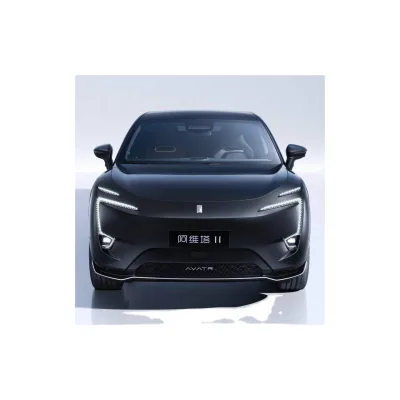
Avatr 11 2024 New Version Electric Changan Avatar 11 Ev Cars Dual Motor High Performance Suv
$47698.0421 - $47893.6526
MOQ: 1 units
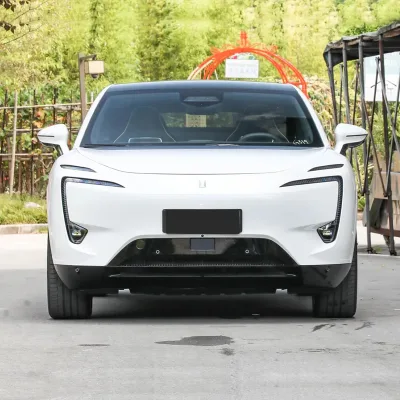
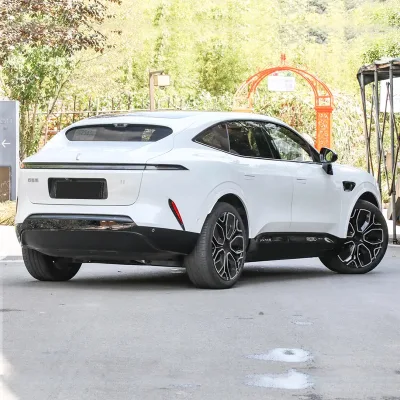
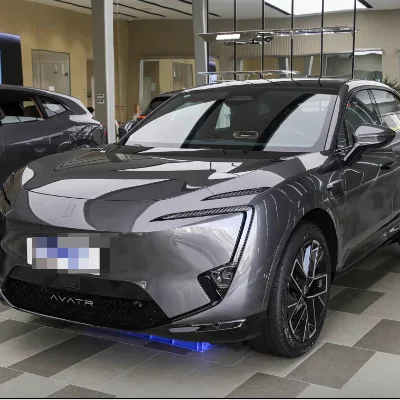
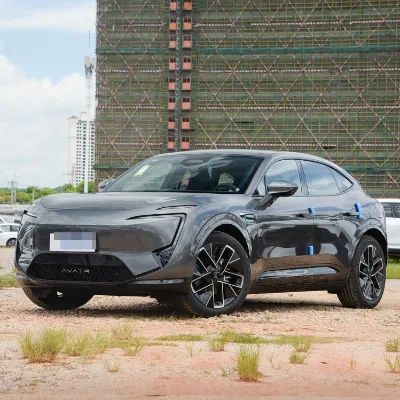
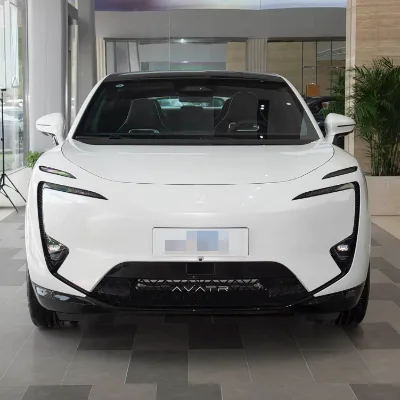
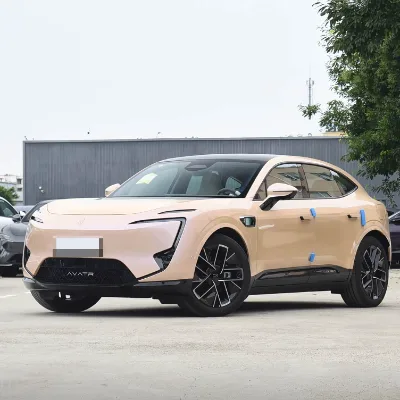
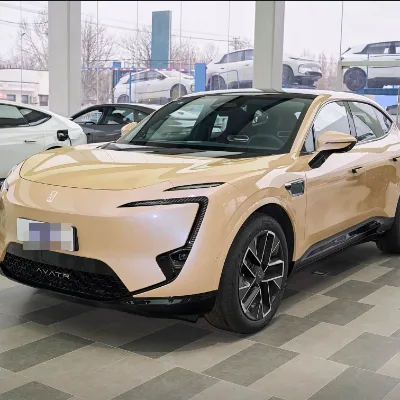
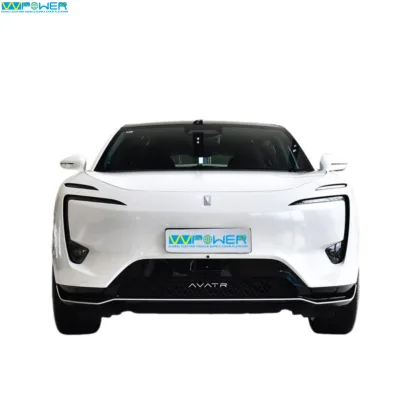

Popular Brand Avatr 11 Electric Car SUV Advanced Speed Quality for Sale
$36137.00 - $54574.00
MOQ: 2 Pieces

2025 China Advanced Quality Avatr 11 SUV Electric Car for Popular Sale
$36137.00 - $54574.00
MOQ: 2 Pieces

China Hotselling EV Avatr 11 SUV Electric Car High-Speed Long Range
$36137.00 - $54574.00
MOQ: 2 Pieces

Budget-Friendly Avatr 11 Elwctric Car SUV 4880mm Length Premium Features
$36137.00 - $54574.00
MOQ: 2 Pieces
Comprehensive Sourcing Guide
Compact Electric Avatr 11 SUV Sourcing Guide
The Compact Electric Avatr 11 SUV represents a specialized segment of new energy vehicles where buyers must distinguish between varying production batches and regional specifications. Current market observations indicate a diverse range of listings, with prices fluctuating significantly between 7,446 and 64,000 USD depending on the specific configuration and seller location. Procurement teams should prioritize verifying the exact model designation, as some listings reference the Avatr 11 while others may use similar naming conventions for different vehicle classes.
Buyers must carefully evaluate the condition and origin of each unit, noting that some sources list the vehicle as originating from Fujian, China, while others simply state China without specific provincial detail. The observed data suggests a mix of new units with minimal mileage, such as those recorded at 600 kilometers, alongside others that may have different usage histories. Establishing a clear definition of the required vehicle state is essential before engaging with suppliers to ensure the final acquisition matches the intended operational profile.
Product Scope and Observed Listing Signals
The product scope for this vehicle category includes both closed and open body types, creating a potential confusion point for buyers seeking a specific utility configuration. While the primary listing attributes describe a closed body style consistent with a standard SUV, other data points mention an open body type, which may indicate a convertible variant or a data entry inconsistency. Sourcing teams must explicitly confirm the physical body style in the contract to avoid receiving a vehicle that does not meet the intended usage requirements for passenger transport or cargo hauling.
Listing signals also reveal significant variation in packaging standards, ranging from containerized shipments to CBU (Completely Built Unit) and even "in Nude" configurations. These differences directly impact logistics planning and insurance requirements, as unpackaged units require different handling protocols compared to those in standard export packing. Buyers should verify the exact packing method listed for each supplier to ensure the vehicle arrives without damage and complies with the destination country's import regulations regarding vehicle condition.
Technical Specifications to Verify
Technical verification must focus on the powertrain and battery architecture, as the data presents conflicting energy types including Pure Electric, Reev, and Electric classifications. The observed specifications list a battery capacity of 90.38 kWh for some units, while others indicate a total capacity of 39.05 kWh, necessitating a strict confirmation of the energy storage system before finalizing any purchase order. Additionally, the power output varies, with some records showing a maximum power of 230 kW and a maximum torque of 370 N.M, which are critical metrics for performance validation.
Dimensional and performance data also require rigorous cross-referencing, as length and width measurements appear in multiple formats, such as 4880x1970x1601 mm versus 4895x1970x1601 mm. Buyers must confirm the exact wheelbase of 2975 mm and the tire size of 265/45 R21 to ensure compatibility with existing infrastructure and maintenance schedules. The acceleration capability is listed as 0-100 km/h in 1.93 seconds, a figure that demands independent verification through third-party testing to ensure it aligns with the actual vehicle delivered.
Compliance and Safety Documentation
Compliance verification is paramount given the presence of CCC certification and ISO management certifications for seats and steering systems in the available data. Buyers must request physical copies of these certificates to confirm they are current and applicable to the specific batch of vehicles being sourced, as certifications can vary by production date and region. The presence of ISO standards for seating and steering indicates a focus on occupant safety, but this must be validated against the specific regulatory requirements of the destination market.
Safety documentation should also include detailed reports on the braking system, which is described as electromagnetic in the provided specifications. This specific technology requires specialized maintenance and diagnostic tools, so buyers must ensure that the supplier provides comprehensive manuals and training materials for local service teams. Furthermore, the fast charging time of 0.25 hours to reach 80% energy and the slow charging duration of 10.5 hours must be verified against the actual charging infrastructure available at the intended deployment location.
Cost Drivers and Commercial Terms
Cost drivers for the Avatr 11 SUV are heavily influenced by the observed price range and the specific configuration of the battery and powertrain. The wide variance in listed prices suggests that factors such as battery capacity, energy density, and the inclusion of customization options significantly impact the final unit cost. Buyers should analyze the cost per kilowatt-hour and the total energy capacity to understand the value proposition of each listing, ensuring that the price aligns with the technical specifications provided.
Commercial terms must address the minimum order quantity, which ranges from 1 to 2 units, allowing for flexible procurement strategies for smaller fleets. However, the lead time and delivery conditions, such as CBU versus containerized shipping, introduce additional variables that affect the total landed cost. Procurement teams should negotiate clear terms regarding payment schedules and risk transfer, particularly given the high value of the vehicle and the potential for damage during transit if the packing method is not standardized.
Supplier Qualification and Quality Control
Supplier qualification requires a deep dive into the manufacturing origin, with specific attention paid to facilities in Fujian, China, versus other unspecified Chinese locations. The distinction in origin can affect the quality of assembly and the availability of spare parts, as regional supply chains may differ in their reliability and speed. Buyers should conduct on-site audits or request detailed factory certifications to ensure that the supplier adheres to consistent quality control standards across all production batches.
Quality control protocols must also verify the condition of the vehicle upon delivery, specifically checking for discrepancies in mileage and battery health. The observed data includes units with 600 kilometers of running mileage, but buyers must establish a clear acceptance criteria for battery degradation and cosmetic condition. Implementing a pre-shipment inspection process is essential to confirm that the vehicle matches the listed specifications regarding gearboxes, drive types, and overall structural integrity before the final payment is released.
Long-Term Procurement Checks
Long-term procurement checks should focus on the sustainability of the supply chain and the availability of critical components like the ternary lithium battery model. As the market evolves, buyers must ensure that the supplier can provide a steady stream of compatible batteries and that the energy density of 180 Wh/kg remains consistent with future performance expectations. Establishing a long-term partnership with a supplier who can guarantee component availability is crucial for maintaining fleet uptime and minimizing operational disruptions.
Buyers must also monitor the evolution of vehicle standards and regulations, particularly regarding the medium-large SUV classification and the specific dimensions observed in the market. As standards shift, the compatibility of the Avatr 11 with new infrastructure and safety laws may change, requiring ongoing assessment of the vehicle's relevance. Regular reviews of the supplier's ability to adapt to these changes will ensure that the procurement strategy remains robust and that the fleet continues to meet the operational needs of the organization.
FAQs
What is the battery capacity of the Avatr 11?
The Avatr 11 features a 90.38 kWh battery pack. This capacity supports a range of 680 km under NEDC standards. The battery model uses ternary lithium technology. It offers an energy density of 180 Wh/kg. Fast charging reaches 80% energy in just 0.25 hours. Slow charging requires approximately 10.5 hours for a full cycle.
How fast does the Avatr 11 accelerate from 0 to 100 km/h?
The Avatr 11 accelerates from 0 to 100 km/h in 1.93 seconds. This performance is driven by a maximum power output of 230 kW. The vehicle delivers a max torque of 370 N.m. It achieves a top speed of 200 km/h. The power is rated at 313 PS. This rapid acceleration highlights its high-performance electric capabilities.
What certifications does the Avatr 11 hold?
The Avatr 11 holds CCC certification for product compliance. It also adheres to ISO management certification standards. These certifications ensure quality and safety for the vehicle. The product originates from China, specifically Fujian. The vehicle is classified as a medium large SUV. These standards support its reliability in international markets.
What are the dimensions of the Avatr 11 SUV?
The Avatr 11 measures 4880 mm in length, 1970 mm in width, and 1601 mm in height. The wheelbase is 275 mm. The curb weight is 2240 kg. It is designed as a closed body type SUV. The vehicle seats four passengers. These dimensions define its classification as a medium-size electric SUV.
Can the Avatr 11 be customized for buyers?
Yes, customization is available for the Avatr 11. Buyers can request specific configurations to meet their needs. The vehicle is produced as a new condition unit. It uses an automatic gearbox and rear-wheel drive. The steering is positioned on the left. Customization options allow for tailored procurement experiences for B2B clients.
What is the minimum order quantity for the Avatr 11?
The minimum order quantity for the Avatr 11 ranges from 1 to 2 units. This low MOQ allows for flexible procurement strategies. The vehicle is packed in containers or standard export packing. It can also be shipped in nude condition. This flexibility supports both individual and bulk purchasing requirements for buyers.