Source Electric Power Steering for Cars and Carts
Source Electric Power Steering for Cars and Carts from 26 verified listings. Compare specifications including voltage, torque, and certifications like CE and ISO to find suitable components for low-speed vehicles and golf course buggies; compare the available evidence and request quotations based on your requirements.
Updated
Key considerations
Products List
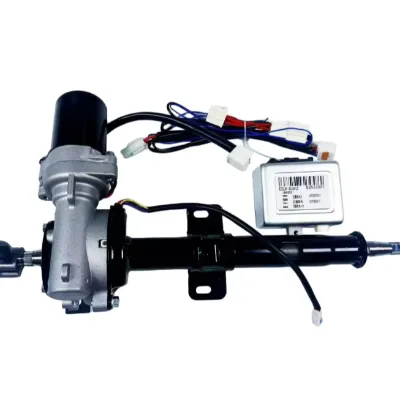

Electric Golf Cart Power Steering 4 Seats for Sightseeing & Utility Golf Hunting Cart
$4184.00 - $4484.00
MOQ: 1 Pieces
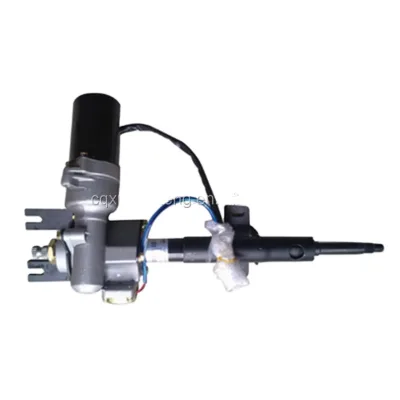
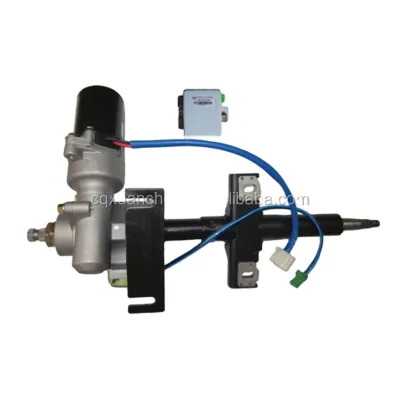


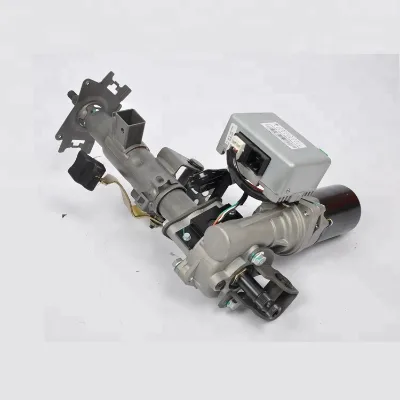
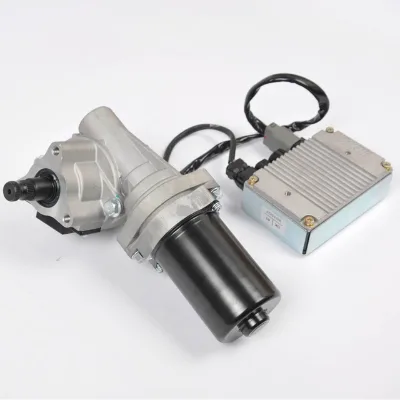
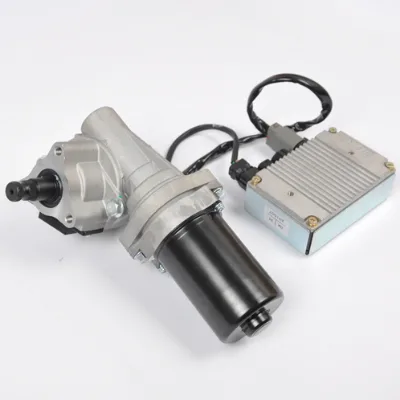
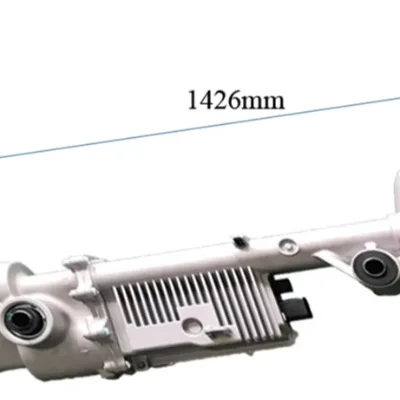
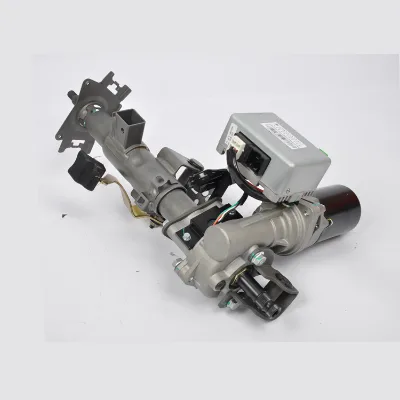
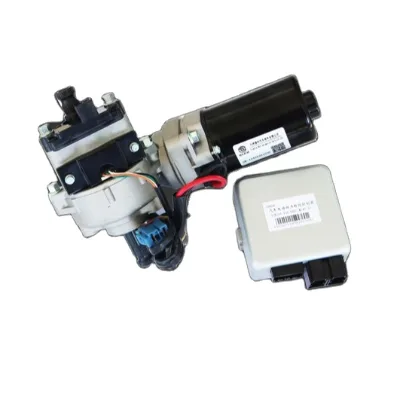
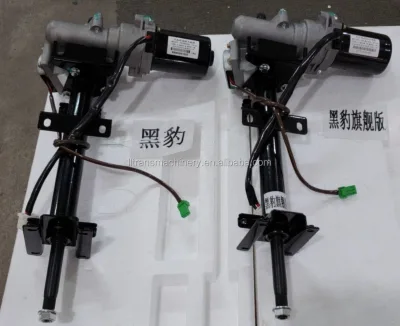
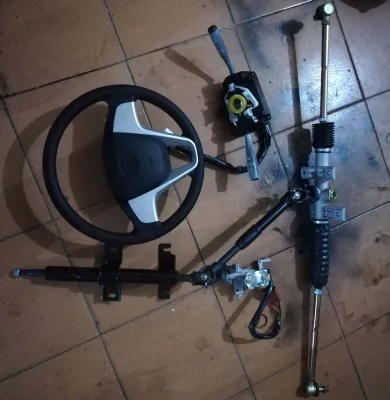
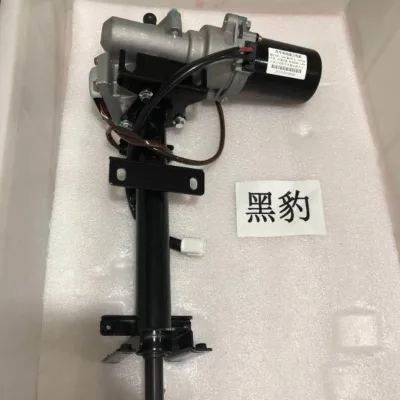


Electric 4 Passenger Golf Cart Power Steering for Sightseeing Farm Utility Tasks
$3749.00 - $3799.00
MOQ: 1 Pieces
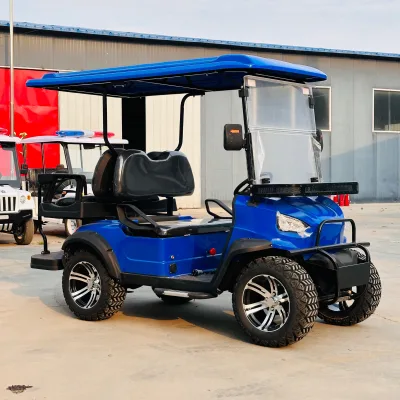

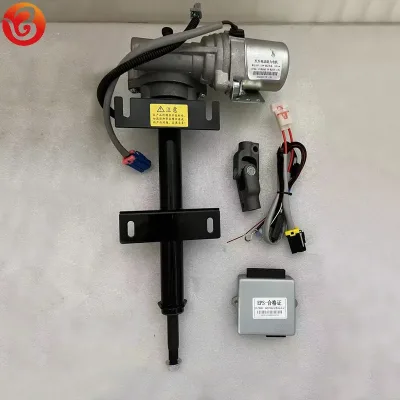
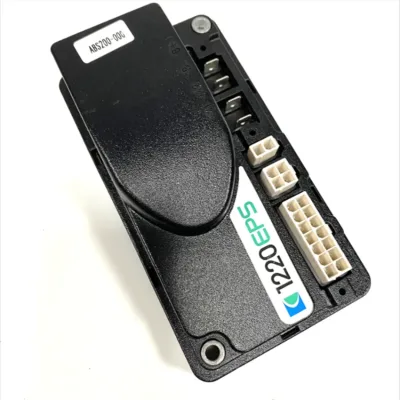
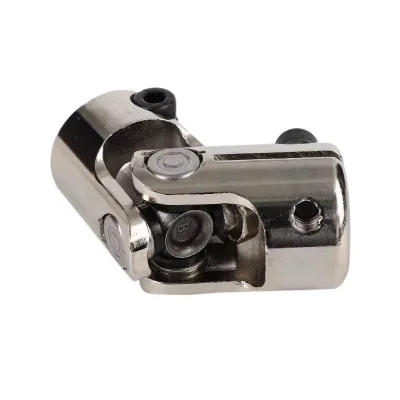
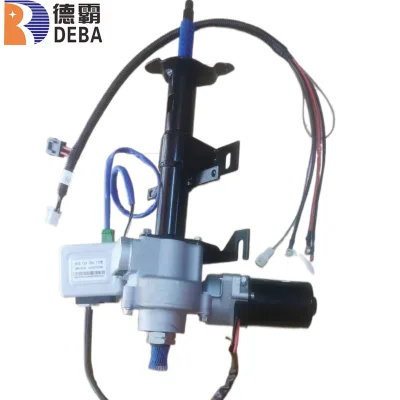
Suitable for Golf car Electric power steering additional EPS column system
$115.00 - $120.00
MOQ: 1 acres


Comprehensive Sourcing Guide
Electric Power Steering for Cars and Carts Sourcing Guide
Sourcing electric power steering systems for low-speed vehicles and golf carts requires a clear understanding of the distinct mechanical and electrical interfaces involved in these specialized applications. The market offers a variety of components, ranging from complete steering assemblies for multi-seat buggies to individual electric power steering units designed for repair or replacement purposes. Buyers must distinguish between systems intended for full automotive use and those optimized for the lower torque and speed profiles of utility vehicles. This distinction is critical because the input and output torque requirements differ significantly between a standard passenger car and a golf cart or low-speed electric vehicle.
Procurement teams should also evaluate the voltage compatibility and control logic of the steering systems available. Many observed listings specify a 12V ECU voltage, which is standard for many automotive applications, while other components may interface with higher voltage battery systems such as 48V or 72V configurations common in electric carts. Understanding the electrical architecture of the target vehicle is essential to ensure that the steering system’s power draw and signal processing align with the vehicle’s existing battery and control unit infrastructure. This alignment prevents electrical conflicts and ensures reliable operation under varying load conditions.
Product Scope and Observed Listing Signals
The current market landscape for electric power steering components includes a diverse range of products, from complete steering columns for specific cart models to standalone electric power steering racks. Listings frequently highlight products such as the SDlG-B model, which is designed for 2+2 seat configurations, indicating a focus on utility and recreational vehicles rather than high-performance automobiles. These products often come with specific dimensional standards, such as a standard size of 290012201880mm for certain cart frames, which helps buyers identify compatible replacements for existing fleets. The presence of customization options suggests that suppliers can adapt these systems to unique chassis requirements, providing flexibility for specialized vehicle manufacturers.
Observations also reveal a strong emphasis on replacement and repair markets, with many products explicitly labeled for these purposes. This indicates a mature aftermarket for maintaining existing fleets of low-speed electric vehicles and golf carts. Buyers will encounter products with varying package sizes, such as single packages measuring 45X25X15 cm or larger dimensions like 160X45X45 cm, which impacts logistics and storage planning. The availability of stainless steel materials in some components suggests a focus on durability and corrosion resistance, which is particularly important for vehicles operating in outdoor environments. These signals help buyers assess the intended lifecycle and usage intensity of the steering systems they are considering.
Technical Specifications to Verify
When evaluating electric power steering systems, verifying the torque specifications is paramount to ensuring adequate steering assistance. Observed data indicates input torques ranging from 0-7 Nm and output torques up to 0-36 Nm, which are typical for low-speed applications. Buyers must confirm that these torque values match the steering effort requirements of their specific vehicle model, as insufficient output torque can lead to difficult maneuvering, while excessive torque may cause instability. Additionally, the number of teeth on the input and output gears should be verified as standard or custom, depending on the vehicle’s existing steering gear configuration. Mismatched gear ratios can prevent proper installation or cause premature wear on the steering mechanism.
Electrical specifications also require careful scrutiny, particularly regarding voltage and current consumption. The ECU voltage is typically listed as 12V, but the overall system may operate within a 48V or 72V battery architecture, depending on the vehicle. Buyers should verify the ECU current draw, which is observed at 30A, to ensure the vehicle’s electrical system can support the peak load without tripping breakers or draining the battery excessively. Furthermore, the charge time for associated battery systems, often cited as 8-10 hours, should be considered in the context of operational downtime. Ensuring that all electrical parameters are compatible with the vehicle’s power management system is essential for reliable long-term performance.
Compliance and Safety Documentation
Compliance with regional safety standards is a critical factor when sourcing electric power steering systems, especially for vehicles intended for public roads or regulated environments. Many suppliers provide certifications such as CE, EEC, and ISO, which indicate adherence to specific quality and safety management systems. Buyers should request documentation to verify that these certifications are current and applicable to the specific product model being purchased. The presence of ISO certification suggests a standardized approach to manufacturing quality, which can reduce the risk of defects in critical safety components like steering systems. However, buyers must ensure that the certification covers the specific electrical and mechanical aspects of the steering unit.
Safety features such as braking distance and gradeability also influence the overall safety profile of the vehicle, even though they are not direct functions of the steering system. Observed data indicates braking distances of less than 4 meters and gradeability of less than 20%, which are relevant for low-speed vehicles. Buyers should verify that the steering system’s response time and feedback are compatible with these vehicle dynamics to ensure safe handling. Additionally, the waterproof level of the steering components, noted as 100% in some listings, is crucial for vehicles operating in wet conditions. Confirming the IP rating or waterproofing standards helps prevent electrical failures due to moisture ingress, which is a common failure mode in outdoor utility vehicles.
Cost Drivers and Commercial Terms
The cost of electric power steering systems is influenced by several factors, including the complexity of the electronic control unit, the materials used in construction, and the level of customization required. Products with standard specifications, such as the GP6002 or GB3015 models, may offer more competitive pricing due to economies of scale, while custom solutions may incur higher costs. Buyers should also consider the packaging and shipping dimensions, as larger single package sizes can increase freight costs. The choice of payment terms, such as L/C, Western Union, or T/T, can also impact the overall transaction cost and cash flow management for the purchasing organization.
Commercial terms like EXW, FOB, CNF, and CIF define the responsibilities and costs associated with shipping and insurance. Buyers must carefully review these terms to understand who bears the risk and cost at each stage of the logistics chain. For instance, an EXW price does not include any shipping or insurance costs, while CIF includes cost, insurance, and freight to the destination port. Understanding these terms helps in accurately comparing quotes from different suppliers and avoiding unexpected expenses. Additionally, the warranty period, often listed as one year, provides a safety net against early failures, but buyers should clarify the scope of coverage and the process for claiming warranty service.
Supplier Qualification and Quality Control
Supplier qualification is essential to ensure that the electric power steering systems meet the required quality and reliability standards. Buyers should verify the supplier’s production capabilities, including their ability to maintain consistent quality across batches. The presence of certifications like ISO suggests a structured quality management system, but buyers should also request recent quality control reports or test results for the specific steering models they are interested in. Verifying the supplier’s experience in manufacturing components for low-speed electric vehicles and golf carts can provide insight into their understanding of the specific application requirements and potential failure modes.
Quality control processes should include checks for dimensional accuracy, electrical functionality, and material integrity. Buyers should inquire about the supplier’s inspection procedures for incoming materials, such as stainless steel components, and final product testing before shipment. The condition of the products, typically listed as new, should be confirmed to avoid receiving refurbished or damaged goods. Additionally, the supplier’s ability to provide technical support and spare parts is crucial for long-term maintenance. Establishing a clear communication channel for addressing quality issues and ensuring timely resolution is vital for maintaining operational continuity in fleet management.
Long-Term Procurement Checks
Long-term procurement success depends on establishing a robust supply chain that can support ongoing maintenance and expansion needs. Buyers should assess the supplier’s ability to provide consistent supply volumes and maintain inventory levels for critical components. The availability of customization options allows for future adaptations as vehicle designs evolve, but buyers should ensure that the supplier has the engineering capacity to support these changes without significant lead time delays. Regularly reviewing the supplier’s performance metrics, such as on-time delivery and defect rates, helps in maintaining high standards of quality and reliability.
Additionally, buyers should monitor changes in technology and regulations that may affect the compatibility and legality of the steering systems. As electric vehicle technology advances, newer steering systems may offer improved efficiency and safety features. Staying informed about these developments allows buyers to plan for upgrades and replacements proactively. Establishing a relationship with the supplier for continuous feedback and improvement can also lead to better product designs and service levels. By focusing on long-term partnership and strategic sourcing, buyers can ensure that their electric power steering systems remain reliable, compliant, and cost-effective over the lifecycle of their vehicles.
FAQs
What certifications do these electric power steering systems have?
These systems carry CE, EEC, and ISO certifications to ensure compliance with international safety standards. The products are manufactured in China and meet specific gradeability requirements under 20 percent. Buyers can verify these certifications directly on the product pages before placing orders for replacement or repair purposes.
How long does it take to charge the battery for these vehicles?
The charge time for these electric vehicles ranges between eight and ten hours to fully recharge the battery. The system typically operates with a 48V or 72V battery configuration depending on the specific model. This charging duration ensures reliable performance for golf course applications and low-speed electric vehicles.
Which specifications define the size of the electric power steering unit?
The standard size specifications vary by model, with some units measuring 2900 by 1220 by 1880 millimeters. Single package sizes can be as small as 45 by 25 by 15 centimeters or larger at 160 by 45 by 45 centimeters. Buyers should check the specific model number for exact dimensional requirements.
Can I customize the electric power steering system for my needs?
Yes, customization is available for these electric power steering systems to meet specific operational requirements. The products are designed for replacement or repair and can be adapted for various vehicle types including golf carts. Buyers should contact suppliers directly to discuss specific customization options and feasibility.
What is the warranty period for these electric power steering components?
The warranty period for these components is one year from the date of purchase. This coverage applies to new condition items manufactured in locations like Chongqing, Zhejiang, and Tianjin. Buyers should retain proof of purchase to validate warranty claims during the specified period.
How much torque can the electric power steering system output?
The output torque for these systems ranges from zero to 36 Newton meters depending on the specific configuration. Input torque typically falls between zero and seven Newton meters to drive the steering mechanism effectively. This torque range supports stable operation for low-speed electric vehicles and golf carts.
What payment terms are accepted for purchasing these steering systems?
Accepted payment terms include L/C, Western Union, Paypal, and T/T for various transaction types. Buyers can also negotiate EXW, FOB, CNF, or CIF price terms based on their shipping preferences. These flexible options facilitate international trade and ensure secure transactions for all parties involved.