Source Small Electric SUV for delivery, urban transit, and fleets
Explore 30 listings for Small Electric SUV options including models from Polestar and Geely. Buyers can compare specifications like range, charging time, and motor power to find suitable vehicles for various applications; compare the available evidence and request quotations based on your requirements.
Updated
Key considerations
Products List
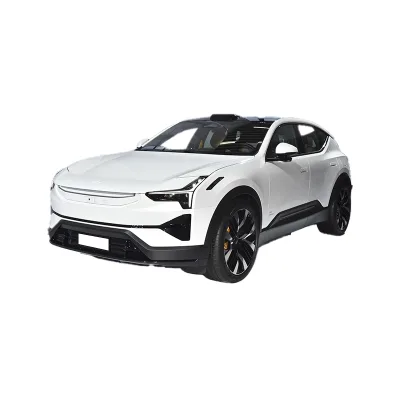
Cheap Small Adults 4 Wheel Suv Electric Car Original Ev Cars Made in China Electric Ev Car
$83358.5326 - $95266.8944
MOQ: 1 units
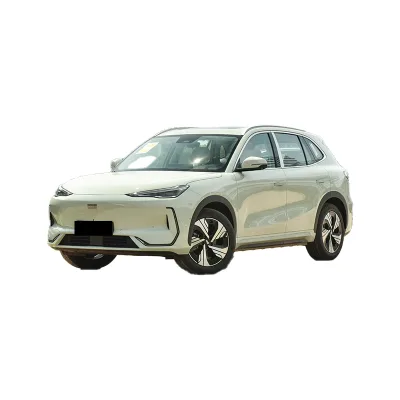
Micro 4 Wheel New Energy Vehicle 5 Door 5 Seat Mini EV SUV Made in China Electric Car
$14580.00 - $16663.00
MOQ: 2 units
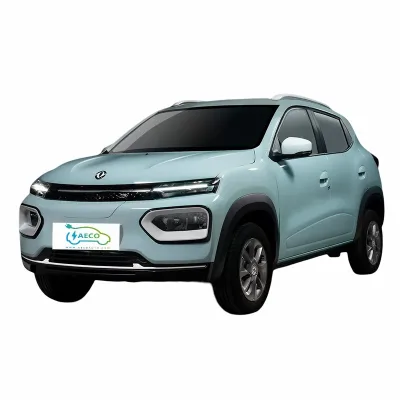
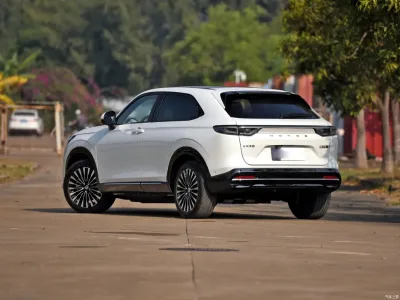

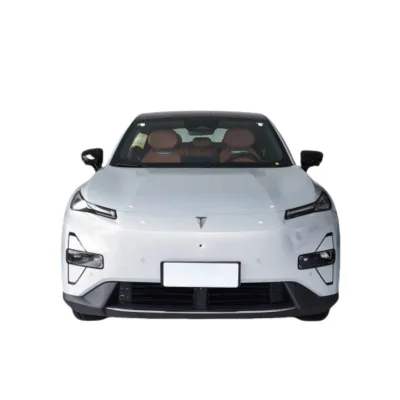
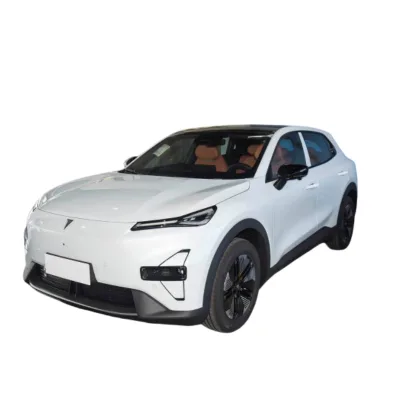
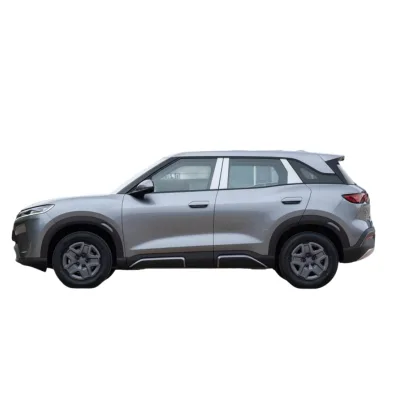


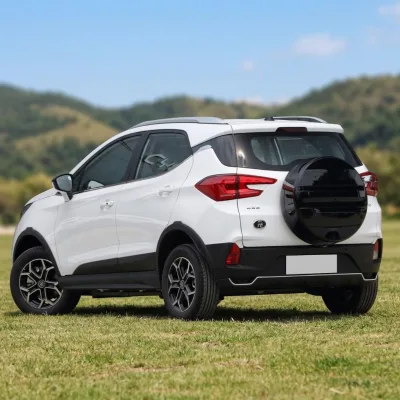

SUV Electric Carelectric Car Electric Car SUV Electric Car Low Speed Cars
$4080.00 - $4300.00
MOQ: 4 Pieces


Energy Electric Vehicle Motors Car Automobile Cars Made in China Car SUV Electric
$12000.00 - $20000.00
MOQ: 1 Sets

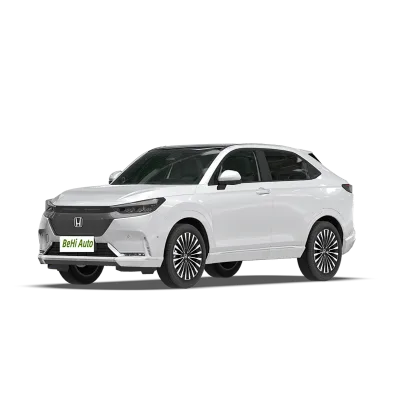
China-Bought Small SUV New Energy Hybrid Electric Car with HD LED Screen Oil-Lit Subwoofer HD Screen
$16900.00 - $17500.00
MOQ: 1 units

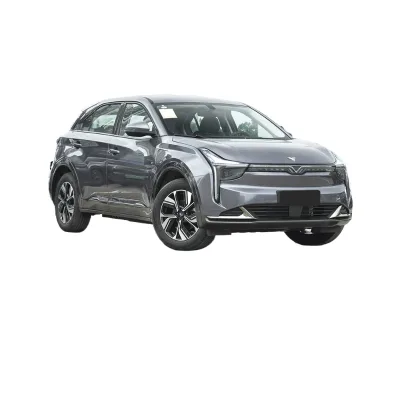
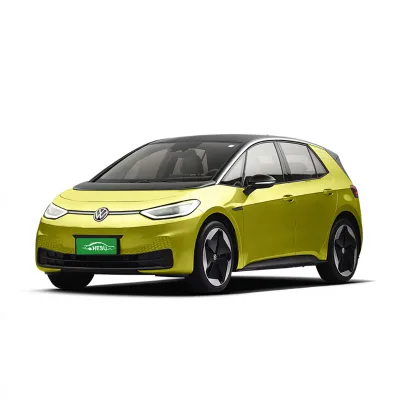
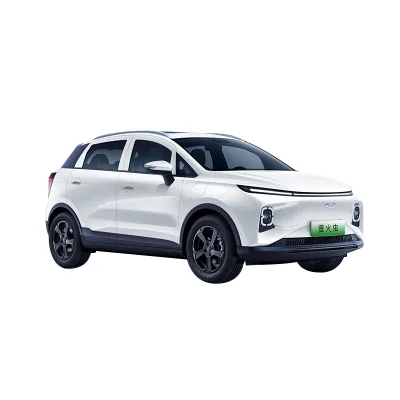
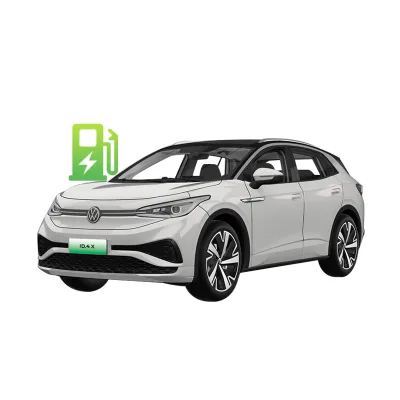
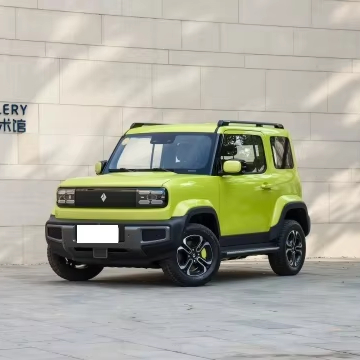
China Small SUV New Energy Yep Plus 3 Doors 4 Seats Baojun Yep Mini Electric Cars
$8950.7658 - $10133.9131
MOQ: 1 units
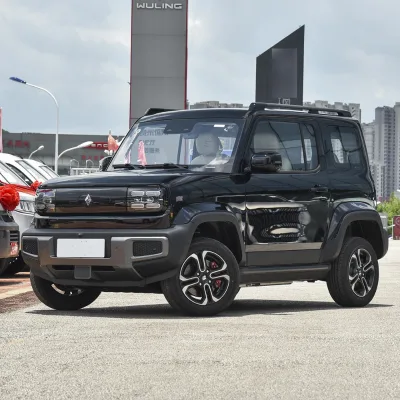
New Lady's Cool 3 Doors 4 Seat New Energy Mini Car Wuling Baojun Yep Mini SUV
$13000.00 - $14300.00
MOQ: 1 sets

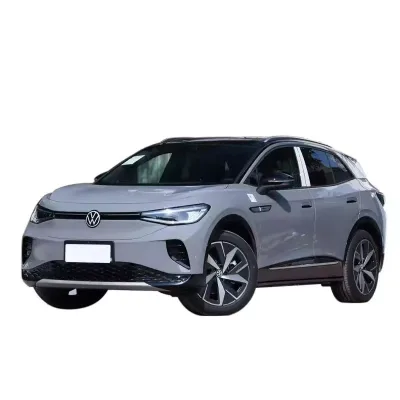
Comprehensive Sourcing Guide
Small Electric SUV Sourcing Guide
Procuring small electric SUVs requires a disciplined approach to verifying technical specifications against actual listing data, as market signals often vary significantly between suppliers. Buyers must navigate a wide price spectrum, observing ranges from approximately $2,316 to over $95,000 USD, which indicates diverse product tiers from low-speed utility vehicles to premium passenger models. This variance necessitates rigorous due diligence to ensure that the quoted price aligns with the intended application, whether for commercial fleet deployment or personal luxury transport.
The observed minimum order quantities (MOQ) typically range from one to four units, suggesting flexibility for both trial orders and small-scale fleet acquisitions. However, buyers should recognize that these figures may represent sample units or specific promotional tiers rather than standard wholesale terms. Understanding the MOQ structure is critical for budgeting and logistics planning, as it directly impacts the total landed cost and the feasibility of testing multiple vehicle configurations before committing to larger volume purchases.
Product Scope and Observed Listing Signals
The current market landscape for small electric SUVs includes distinct categories ranging from compact urban commuters to medium and large SUVs with higher performance metrics. Listings indicate brands such as Polestar and Geely, with model numbers like Polestar 3 and Dongfeng Ens1, highlighting a mix of established OEMs and generic manufacturers. The powertrain options observed include pure electric motors with outputs ranging from 218 horsepower to 517 horsepower, catering to different performance expectations and use cases.
Battery specifications and range estimates vary widely, with some units offering an NEDC range of 331km to 600km, while others specify CLTC ranges around 530km. Charging capabilities are another key differentiator, with fast charging times noted as low as 0.33 hours for 30-80% capacity and slow charging times extending up to 11 hours. Buyers must carefully cross-reference these energy type attributes with their specific operational requirements to avoid mismatches in range anxiety or charging infrastructure compatibility.
Technical Specifications to Verify
When evaluating technical data, buyers must scrutinize motor power and torque figures to ensure they match the vehicle’s intended load and speed requirements. Observed specifications include maximum torques ranging from 100-200 Nm for smaller units to 910 Nm for high-performance models, with maximum speeds varying from 100 km/h to higher limits. It is essential to verify the actual battery capacity, which can range from 27.17 kWh to larger packs, and confirm the battery chemistry, such as ternary lithium, to assess longevity and safety profiles.
Dimensional constraints and seating configurations also play a crucial role in the selection process. Listings show wheelbases as short as 2423mm and overall dimensions like 373215791515 mm for compact models, while others offer five-door, four-seat SUV layouts. Buyers should verify tire sizes, such as 165/70 R14, and steering configurations, typically left-hand drive, to ensure compatibility with local road regulations and parking infrastructure. Accurate verification of these physical attributes prevents costly modifications post-purchase.
Compliance and Safety Documentation
Regulatory compliance is a non-negotiable aspect of importing electric vehicles, requiring buyers to verify that suppliers hold necessary certifications for their target markets. Observed certifications include CE, EEC, DOT, CCC, and EPA, which indicate varying levels of adherence to regional safety and environmental standards. Buyers must confirm that the specific model they intend to purchase has been tested and certified for their destination country, as generic listings may not reflect the compliance status of every unit produced.
Documentation should also include detailed technical manuals and battery safety reports, especially given the diverse battery capacities and types observed. Buyers should request proof of quality control processes, including factory audits and third-party testing results, to ensure that the vehicles meet international safety norms. Without proper documentation, shipments may be held at customs, leading to significant delays and additional storage fees, which can erode the initial cost advantages of sourcing from overseas manufacturers.
Cost Drivers and Commercial Terms
The total cost of ownership for small electric SUVs is influenced by several factors beyond the initial unit price, including shipping, tariffs, and after-sales support. The observed price range of $2,316 to $95,266 USD reflects differences in brand prestige, battery capacity, and technological features. Buyers should analyze the cost breakdown to understand what is included in the quote, such as whether it covers packaging, insurance, and basic warranty services, to avoid hidden expenses.
Commercial terms, including payment methods and lead times, must be clearly defined in the contract. While some listings suggest an MOQ of one unit, larger orders may offer better pricing tiers, but buyers must balance this with storage and cash flow constraints. It is advisable to negotiate clear terms for customization, as some suppliers offer available customization options that can affect production lead times and final costs. Understanding these commercial dynamics helps in creating a realistic budget and avoiding unexpected financial burdens.
Supplier Qualification and Quality Control
Selecting a reliable supplier involves verifying their manufacturing capabilities and quality assurance processes. Buyers should prioritize suppliers with a proven track record in producing electric vehicles, as evidenced by their brand names and model numbers. It is crucial to request references from previous clients and conduct virtual or on-site factory audits to assess production line efficiency and quality control measures. This due diligence helps mitigate the risk of receiving substandard vehicles that may fail in the field.
Quality control should extend to the final inspection of each unit before shipment, ensuring that all technical specifications match the agreed-upon contract. Buyers should establish clear acceptance criteria, including battery health checks, motor performance tests, and cosmetic inspections. Implementing a robust quality control protocol, potentially involving third-party inspection services, ensures that the delivered vehicles meet the required standards and reduces the likelihood of post-delivery disputes or returns.
Long-Term Procurement Checks
Sourcing small electric SUVs is not a one-time transaction but an ongoing relationship that requires continuous monitoring and evaluation. Buyers should establish key performance indicators (KPIs) to track supplier performance, including on-time delivery rates, defect rates, and responsiveness to after-sales support. Regular reviews of these metrics help identify potential issues early and allow for corrective actions to be taken before they escalate into major problems.
Additionally, buyers must stay informed about changes in regulations, technology, and market trends that may affect the viability of their procurement strategy. This includes monitoring advancements in battery technology, charging infrastructure, and local incentives for electric vehicles. By maintaining a proactive approach to supplier management and market analysis, buyers can ensure that their fleet remains competitive, compliant, and cost-effective over the long term.
FAQs
What is the maximum power output for the Polestar 3 Small Electric SUV?
The Polestar 3 Small Electric SUV features a maximum power output of 380 kW, which is equivalent to 517 horsepower. This high-performance specification supports its classification as a medium and large SUV. The vehicle also delivers a maximum torque of 910 N/m, ensuring robust acceleration and driving dynamics for electric mobility needs.
How long does it take to fast charge the Polestar 3 battery?
Fast charging the Polestar 3 battery takes approximately 0.5 hours to reach 80% capacity. This rapid charging capability minimizes downtime during long-distance travel. For slower charging options, the process requires 11 hours, providing flexibility for overnight charging at home or workplace locations where time permits a full battery replenishment cycle.
What is the electric range of the Geely compact SUV model?
The Geely compact SUV offers an electric range of 530 km under the CLTC testing standard. This range is supported by a pure electric motor producing 218 horsepower and 320 N/m of torque. The vehicle is designed for efficient urban and suburban commuting, balancing performance with practical daily driving distances.
Which certifications are available for the OEM Small Electric SUV?
The OEM Small Electric SUV is available with multiple international certifications including CE, EEC, DOT, CCC, and EPA. These certifications ensure compliance with various regional safety and environmental standards. Buyers can select models that meet specific regulatory requirements for their target markets, facilitating smoother import and registration processes globally.
Can the Small Electric SUV be customized for specific buyer requirements?
Yes, customization is available for the Small Electric SUV to meet specific buyer requirements. The product page explicitly states that customization options are open, allowing for tailored specifications. This flexibility supports B2B sourcing needs where unique branding, interior configurations, or technical adjustments are necessary for distinct market applications.
What is the battery type used in the H-EX1 Small Electric SUV?
The H-EX1 Small Electric SUV utilizes a Ternary Lithium battery type. This battery technology is known for its high energy density and stability. The battery capacity ranges between 30-50 kWh, supporting a NEDC max range of 501 to 600 km. This configuration ensures reliable performance and extended driving range for various operational scenarios.