Source Wuling Hongguang EV with LED Camera for fleets, delivery, and urban transport
Compare 30 listings for Wuling Hongguang EV with LED Camera to find suitable options for commercial fleets, last-mile delivery, and urban commuting. Buyers can evaluate specifications like battery capacity, range, and customization availability across verified suppliers; compare the available evidence and request quotations based on your requirements.
Updated
Key considerations
Products List

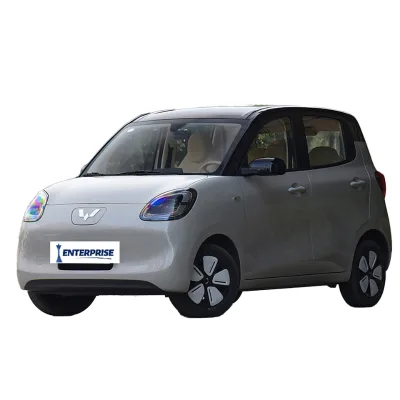
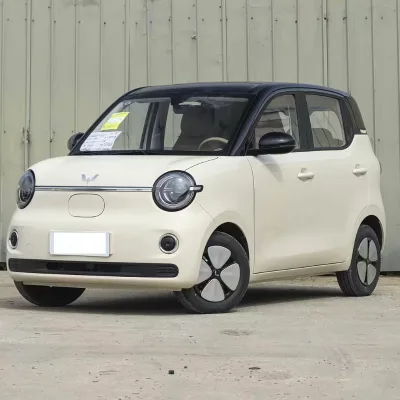
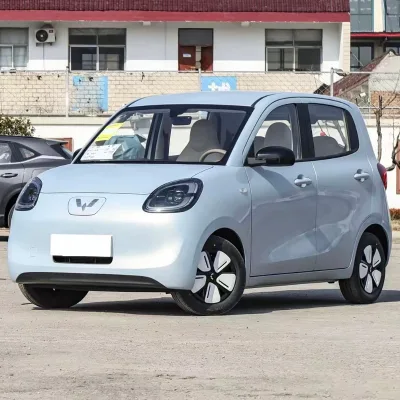
Adult Wuling Hongguang Air EV Qingkong Electric EV Car Wuling Mini EV
$4500.00 - $5000.00
MOQ: 1 Pieces
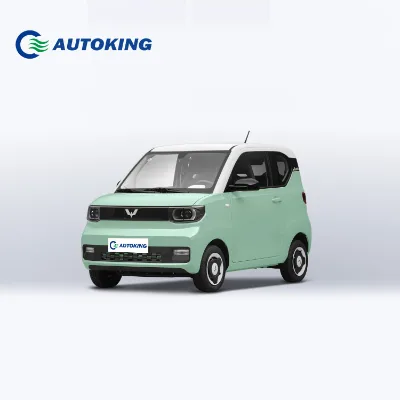
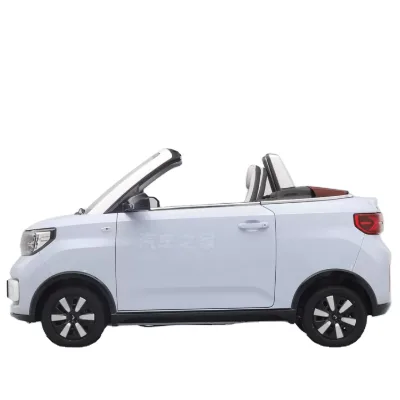
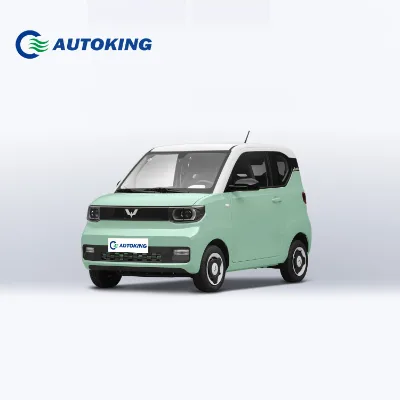
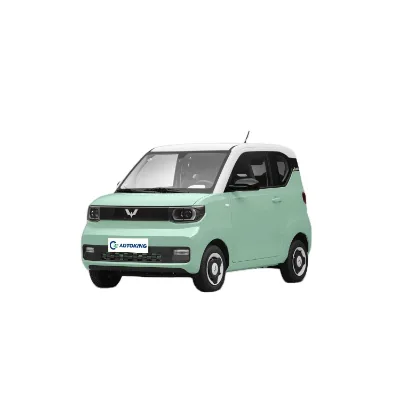
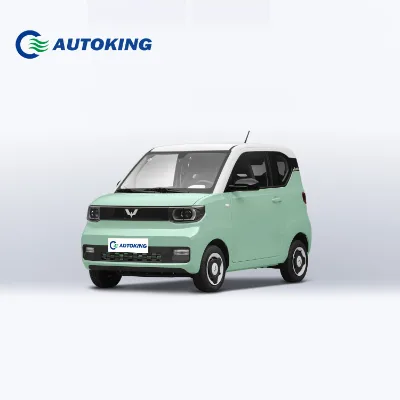
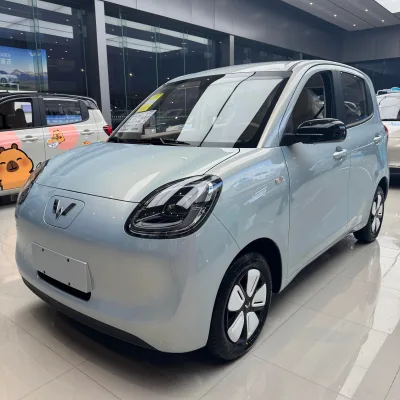
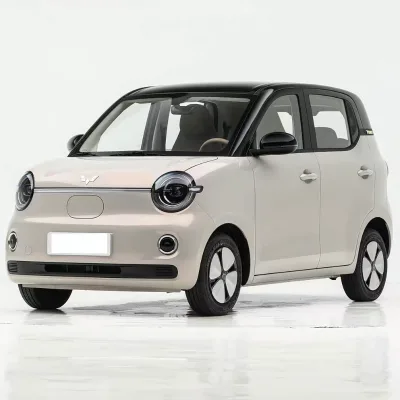
Pure Electric Car Wuling MINIEV General Global Manufacturing Quality GMS-BIQ4 Certification
$3304.3042 - $4437.2079
MOQ: 10 units


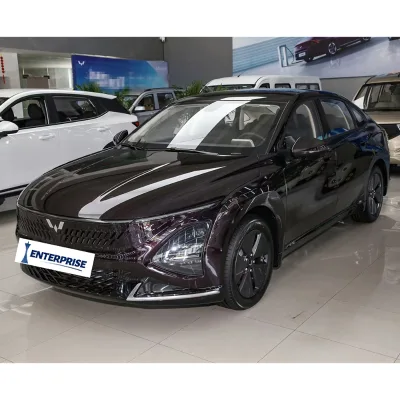
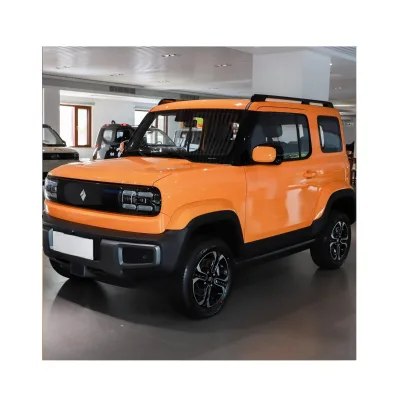
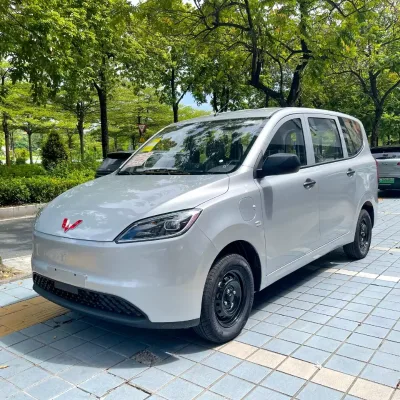
Wuling Rongguang EV Electric Commercial Minivan Large Space Low Cost City Delivery
$7890.00 - $8900.00
MOQ: 1 unit

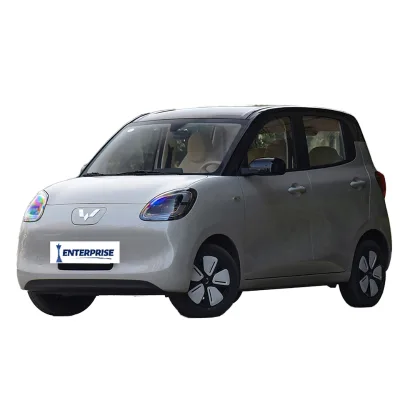
Wuling Rongguang EV New Energy Minivan Quiet Comfortable & Eco-Friendly
$7890.00 - $8900.00
MOQ: 1 unit




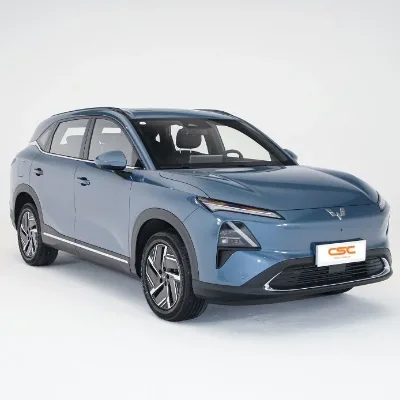
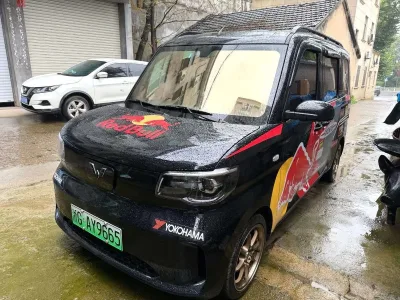
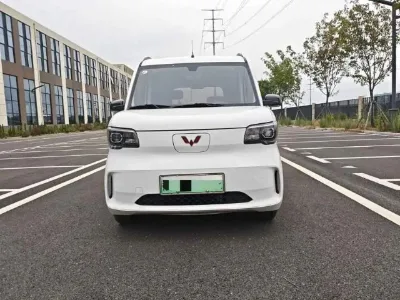

Comprehensive Sourcing Guide
Wuling Hongguang EV with LED Camera Sourcing Guide
Procuring electric vehicles from China requires a disciplined approach to verifying supplier claims against actual product specifications. The market offers a wide array of models, often sharing similar branding but differing significantly in technical capabilities and compliance status. Buyers must distinguish between generic listings and verified inventory to avoid procurement risks. This guide focuses on the specific attributes associated with the Wuling Hongguang EV line, providing a framework for evaluating offers based on observable data points rather than marketing assertions.
Successful sourcing depends on aligning commercial requirements with technical realities. The observed market presents a price range of $3,150 to $18,700 USD, indicating significant variation in trim levels, battery capacity, and included features. Understanding these financial parameters helps buyers set realistic budgets and negotiate effectively. Furthermore, recognizing the diversity in model designations, such as the MINI EV, ROADSTER, and various van-type deliveries, ensures that procurement teams request accurate quotations for the exact vehicle configuration needed for their operational use cases.
Product Scope and Observed Listing Signals
The product landscape for Wuling electric vehicles is diverse, encompassing compact city cars, utility vans, and specialized commercial units. Listings frequently reference models like the Hongguang MINI EV, Wuling Rongguang EV, and the Starlight PHEV, each serving distinct market segments. Buyers should note that while some units are described as pure electric, others may be hybrid or plug-in hybrid variants, such as the Starlight PHEV with a 9.2 kWh battery capacity. This variation necessitates careful review of the fuel type and power source specifications in every quotation to ensure alignment with fleet electrification goals.
Visual and physical attributes also vary across the available inventory. Exterior colors such as white and silver are commonly observed, alongside body styles ranging from mini SUVs to closed-body commercial vans. The observed gross weight and single volume metrics often appear as zero or placeholder values in generic listings, which signals that detailed dimensional data must be requested directly from the supplier. Buyers should treat these placeholder figures as indicators to verify actual cargo space, wheelbase dimensions, and overall vehicle footprint before committing to a purchase order.
Technical Specifications to Verify
Technical verification is critical when sourcing electric vehicles, particularly regarding powertrain and performance metrics. Observed specifications include power outputs ranging from 501-800W for certain components, while maximum power is listed as 20kW (27PS) for specific models. The drive configurations vary, with both Rear-Wheel Drive (RWD) and All-Wheel Drive (AWD) options available in the market. Buyers must confirm the exact drive type and motor specifications for their intended application, as these factors directly impact vehicle range, towing capacity, and suitability for different terrain conditions.
Chassis and suspension details also require close scrutiny to ensure operational reliability. Some listings specify an integral bridge non-independent front suspension, which may affect ride comfort and load-bearing capabilities compared to independent systems. The wheelbase is observed at 1940mm for certain compact models, influencing interior space and maneuverability. Additionally, braking systems are described as electromagnetic in some contexts, a feature that may offer specific maintenance advantages. Buyers should request detailed engineering drawings or technical datasheets to validate these mechanical attributes against their fleet maintenance standards.
Compliance and Safety Documentation
Regulatory compliance is a paramount concern when importing electric vehicles, especially those intended for markets with strict safety and emission standards. While some listings mention CCC certification, buyers must verify if this certification applies to the specific model year and configuration being purchased. The emission standard is listed as Euro VI for certain units, which is relevant for internal combustion or hybrid variants, but less applicable for pure electric models. Buyers should clarify whether the vehicle meets the specific regulatory requirements of their destination country, including homologation and type-approval processes.
Safety features and lighting systems are other critical documentation areas. LED daytime running lights are observed in several listings, indicating a baseline level of modern safety equipment. However, the presence of an LED camera, as suggested by the search keyword, is not explicitly confirmed in the provided product facts. Buyers must explicitly request evidence of camera functionality, resolution, and integration with the vehicle’s display system. Additionally, verifying the condition of the vehicle as "New" and confirming the steering configuration (Left-hand drive) is essential for ensuring the vehicle meets local traffic laws and operational needs.
Cost Drivers and Commercial Terms
Understanding the cost structure of electric vehicle procurement involves analyzing price ranges, minimum order quantities, and packaging details. The observed price range of $3,150 to $18,700 USD reflects differences in battery capacity, trim levels, and included accessories. Minimum Order Quantities (MOQ) are observed between 1 and 10 units, offering flexibility for both individual buyers and small fleet operators. Buyers should negotiate based on volume, as higher quantities may unlock better pricing tiers or additional value-added services such as extended warranties or free maintenance packages.
Packaging and logistics costs are significant components of the total landed cost. Products are typically shipped in standard packages, but the single gross weight and volume metrics often require direct confirmation from the supplier. Buyers should inquire about container loading efficiency, as this impacts shipping costs per unit. Additionally, the selling unit is listed as a single item, which simplifies inventory management but may affect bulk shipping discounts. Clarifying Incoterms, such as FOB or CIF, is crucial to determine who bears the risk and cost during transit, ensuring accurate budgeting for the entire procurement cycle.
Supplier Qualification and Quality Control
Supplier qualification is essential to mitigate risks associated with counterfeit parts, substandard manufacturing, or non-compliant vehicles. Buyers should verify the supplier’s business license, export credentials, and history of dealing with electric vehicles. The brand name "Wuling" and its variants, such as "Wuling Mini SUV," should be cross-referenced with official manufacturer channels to ensure authenticity. Suppliers claiming to offer customized options should provide detailed catalogs of available modifications, including exterior colors, interior materials like leather seats, and technological upgrades.
Quality control procedures must be clearly defined before placing orders. Buyers should request pre-shipment inspection reports, including battery health checks, motor performance tests, and cosmetic inspections. The condition of the vehicle should be confirmed as "New," and any discrepancies between the quoted specifications and the actual product should be addressed in the contract. Establishing a clear protocol for handling defects or non-conforming goods is vital, as is verifying the supplier’s after-sales support capabilities, including warranty terms and access to spare parts for the specific model year and configuration.
Long-Term Procurement Checks
Long-term procurement success depends on establishing robust relationships with suppliers and implementing continuous monitoring of product performance. Buyers should track the reliability of the vehicles in real-world conditions, focusing on battery degradation, motor efficiency, and software updates. The observed model years, such as 2021 and 2024, indicate that technology evolves rapidly, and buyers should ensure that their fleet remains compatible with current charging infrastructure and software ecosystems. Regular audits of supplier performance, including delivery times and communication responsiveness, help maintain supply chain stability.
Strategic planning for future procurement cycles involves staying informed about market trends and regulatory changes. Buyers should monitor developments in electric vehicle technology, such as improvements in battery capacity and charging speeds, to make informed decisions about fleet upgrades. Additionally, maintaining a diverse supplier base can reduce dependency on a single source and provide leverage in negotiations. By focusing on data-driven decision-making and continuous improvement, buyers can optimize their electric vehicle procurement strategy, ensuring cost-effectiveness, compliance, and operational efficiency over the long term.
FAQs
What is the power output of the Wuling Hongguang EV?
The Wuling Hongguang EV features a maximum power output of 20 kW, which equates to approximately 27 PS. This power rating supports efficient urban driving and short-distance commuting. The vehicle is designed for practical daily use, ensuring reliable performance for city logistics and personal transport needs without excessive energy consumption.
Can the Wuling Hongguang EV be customized for specific needs?
Yes, customization is available for the Wuling Hongguang EV to meet specific business or personal requirements. Buyers can request tailored configurations to suit their operational needs. This flexibility allows for adjustments in features or specifications, ensuring the vehicle aligns perfectly with the intended use case, whether for commercial delivery or private transport.
What is the minimum order quantity for Wuling Hongguang EV?
The minimum order quantity for the Wuling Hongguang EV ranges from 1 to 10 units. This flexible MOQ allows buyers to start with small batches for testing or immediate deployment. It supports both individual purchasers and small businesses looking to acquire electric vehicles without committing to large inventory volumes initially.
Where are the Wuling Hongguang EV vehicles manufactured?
The Wuling Hongguang EV vehicles are manufactured in China, with specific origins noted in Chongqing. This location ensures access to established automotive supply chains and manufacturing expertise. Buyers can rely on consistent production standards and logistical efficiency when sourcing these electric vehicles directly from the designated manufacturing regions in China.
What certification does the Wuling Hongguang EV hold?
The Wuling Hongguang EV holds CCC certification, indicating compliance with Chinese national standards for electric vehicles. This certification ensures the vehicle meets safety and quality requirements for the domestic market. Buyers can trust that the product adheres to rigorous regulatory standards, providing assurance of reliability and safety for end-users in various applications.
What is the driving range of the Wuling Hongguang EV?
The Wuling Hongguang EV offers a NEDC pure electric cruising range of 120 km. This range is suitable for urban commuting and short-distance deliveries. The vehicle is designed to provide efficient mobility within city limits, making it an ideal choice for businesses and individuals requiring reliable electric transport for daily routines and local operations.