70-90kwh hybrid electric suv Suppliers and Manufacturers
Source 28 verified suppliers for 70-90kwh hybrid electric suv units from China. Compare dimensions like wheelbase, charging time, and pricing to find the right fit. Contact suppliers directly to request quotes and verify specifications; review the available evidence before requesting comparable quotations from suitable candidates.
Updated
Suppliers List

Fujian Century Sea Group Co., Ltd.
- Verified by TUVRHEINLAND
- Trading Company,Manufacturer/Factory
- China Fujian
- Lead time0 days
- Avg. response≤ 7h
Main productsElectric SUV, Gasoline SUV, Electric Car, Gasoline Car, Electric MPV, Mini Car, Electric Truck, Cold Room, Solar Cold Room, Ice Machine
Main marketsSouth America,Eastern Europe,Mid East,North America,Southeast Asia,Eastern Asia,Oceania,Western Europe,Africa


Energy Efficient High Performance Hybrid SUV with Luxury Electric Car Features
$5364.00 - $5662.00
MOQ: 1 sets


TAIYUAN BRILLIANT AUTOMOBILE CO., LTD
- Trading Company
- China Shanxi
- Lead time0 days
- Avg. response≤ 3h
Main productsRight-Hand Drive Vehicles, Electric Car, Rhd Van, Rhd Pickup, Electric SUV, National Agency, Kd Cooperation, After-Sale Service

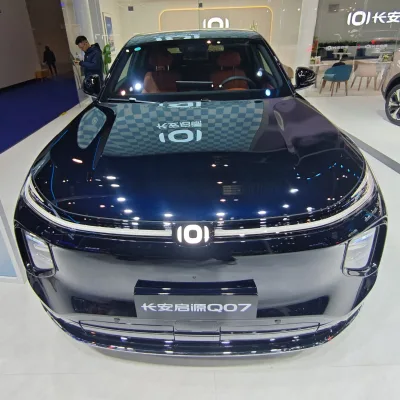
Changan Qiyuan E07 Compact Electric SUV Midsize Hybrid SUV 7 Seater Electric SUV
$19000.00 - $20000.00
MOQ: 1 set


Jinan Kalechi Automobile Service Co., Ltd.
- Trading Company
- Shandong, China
- Lead time0 days
- Avg. response≤ 9h
Main productsUsed car export,Car washing service,Import and export of goods,Car trailer
Main marketsAfrica(30.00%), Southeast Asia(20.00%), Domestic Market(10.00%), Southern Europe(10.00%), Central America(10.00%), Western Europe(10.00%), Eastern Europe(10.00%)

Qingdao Yuanhe Chelian New Energy Vehicle Service Co., Ltd.
- Verified by SGS
- Trading Company
- China Shandong
- Lead time30 days
- Avg. response≤ 5h
Main productsAuto Parts, Byd Electrical Car, Mercedes Smart #1 Electric Car, Byd Qin Electric Car, Byd Haiyang Song, Byd Dolphin Electric Car, Byd Han Electric Car, Byd Seal Electric Car, Byd E5 Electric Car, Xpeng Electric Car
Main marketsSouth America,Southeast Asia/ Mideast,Domestic
Chongqing Lanlan Automobile Sales Co., Ltd.
- Verified by Intertek
- Trading Company
- Lead time0 days
- Avg. response≤ 7h
Main productsUsed Cars, Used New Energy Vehicles
Main marketsDomestic Market(80%), Eastern Europe(10%), Mid East(10%)

Chelian Guomao (Yunnan) Co., Ltd.
- Trading Company
- Yunnan, China
- Lead time20 days
- Avg. response≤ 6h
Main productscar,New Energy Vehicles,Passenger Cars,Chinese Automobile,Used Cars
Main marketsNorthern Europe(10.00%), South Asia(10.00%), Western Europe(10.00%), Eastern Asia(10.00%), Mid East(10.00%), Africa(10.00%), Southeast Asia(10.00%), South America(10.00%), Southern Europe(10.00%), Central America(5.00%), North America(5.00%)
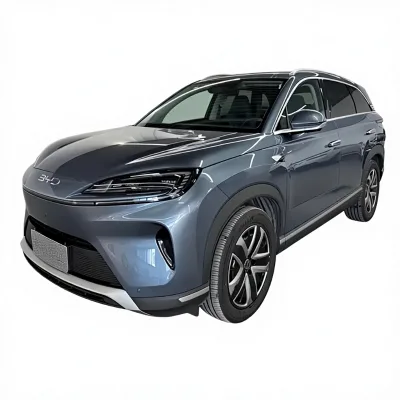
2025 BYD Sea Lion 7 Electric SUV Top Configuration Vehicle Motor Hybrid New Energy EV
$13361.00 - $19088.00
MOQ: 1
Chongqing Broker Technology Co., Ltd.
- Verified by TüVRheinland
- Trading Company
- Lead time3 days
- Avg. response≤ 2h
Main productsElectric Cars, Fuel Cars, Used Cars, Commercial Vehicle, Auto Parts
Main marketsEastern Europe(35%), Africa(20%), Mid East(15%)
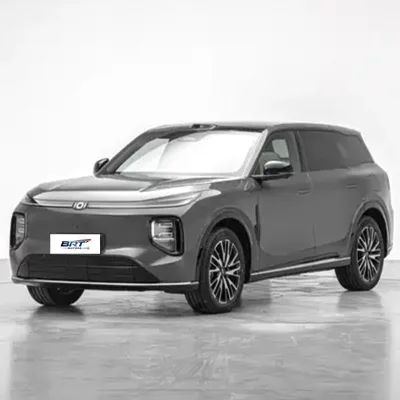
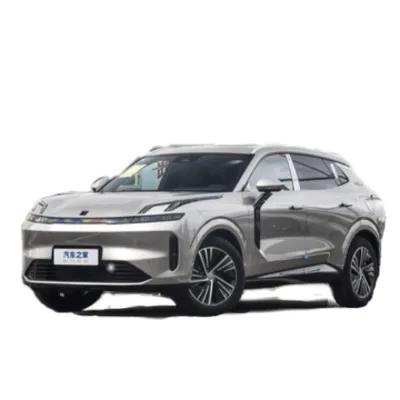
$21500.00 - $31400.00
MOQ: 1 Minimum
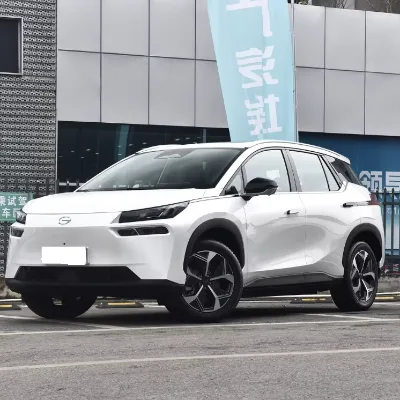
$15712.2239 - $16996.5222
MOQ: 1 units

Guangzhou Anhua Auto-Trading Co., Ltd.
- Verified by SGS
- Trading Company
- China Guangdong
- Lead time15 days
- Avg. response≤ 5h
Main productsCar, Used Car, Electric Car, Gasoline Car, Hybrid Electric Vehicle
Main marketsDomestic


Plug-in Hybrid SUV Tank 400 400HP Eco-Friendly Phev Electrical Car
$26500.00 - $27100.00
MOQ: 1 Pieces

Power Efficiency Setting New SUV Standards Plug-in Hybrid Tank 400 SUV Car
$26500.00 - $27100.00
MOQ: 1 Pieces

Advanced 4WD Smooth off-Road Rides Tank 700 Phev Electrical New SUV Car
$45500.00 - $83300.00
MOQ: 1 Pieces
Xiamen Aecoauto Technology Co., Ltd.
- Verified by SGS Group
- Trading Company
- Lead time15 days
- Avg. response≤ 3h
Main productsElectric Car, Used Car, EV Charger, Charing Station, Spare Parts
Main marketsSouth America(40%), Eastern Europe(30%), Mid East(20%)
Fujian Century Sea Power Co., Ltd.
- Verified by SGS Group
- Trading Company
- Lead time10 days
- Avg. response≤ 5h
Main productsCold Room, Solar Cold Room, Second Hand Refrigerated Container, Ice Machine, Cars
Main marketsAfrica(50%), South America(20%), Southeast Asia(20%)
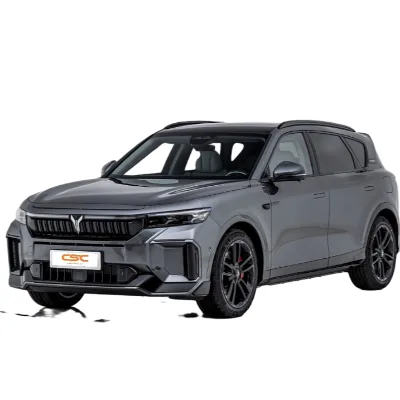
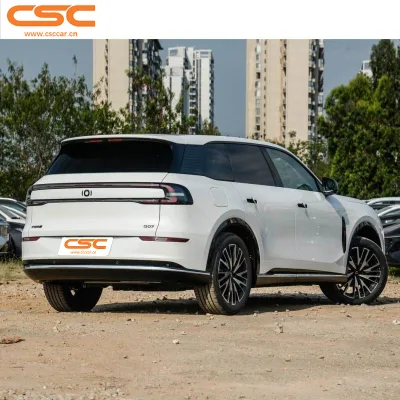
Buy New Lantu Free Compact Plug-in Hybrid SUV
$27573.00 - $29716.00

Chizhong (Chongqing) Imp. & Exp. Co., Ltd.
- Verified by TUVRHEINLAND
- Trading Company
- China Chongqing
- Lead time30 days
- Avg. response≤ 7h
Main productsElectric Car, EV Car, Used Car, Used Electric Car, Mini Truck, Mini Van, Electric SUV, Auto Parts
Main marketsSouth America,Africa,Southeast Asia/ Mideast,Europe

Launch Best Luxury Hybrid Compact Electric Suvs ED-I E5 with E-Smart SUV
$14500.00 - $16600.00
MOQ: 1 Pieces


Tianjin Huichi Tongda International Trade Co., Ltd.
- Verified by BV
- Trading Company
- China Tianjin
- Lead time30 days
- Avg. response≤ 2h
Main marketsDomestic


China Factory Efficient Plug-in Hybrid SUV for Global Wholesale Trade Business
$52000.00 - $56000.00
MOQ: 1 A vehicle


Stylish Tough Hybrid SUV Trustworthy Automobile From Chinese Factory
$26500.00 - $31500.00
MOQ: 1 A vehicle
Fujian Century Sea Group Co., Ltd.
- Verified by SGS Group
- Trading Company
- Lead time10 days
- Avg. response≤ 6h
Main productsNew Cars, Used Cars, Cold Room, Ice Machine, Solar Cold Room
Main marketsSouth America(50%), Africa(20%), Southeast Asia(20%)
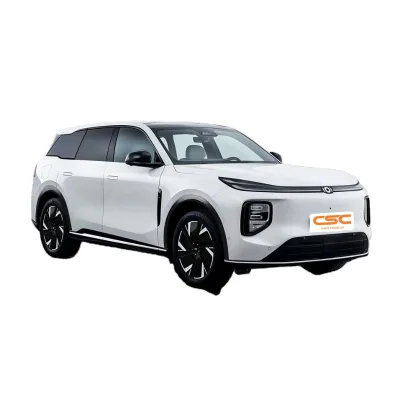
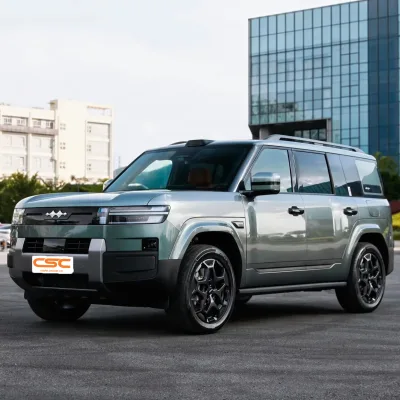
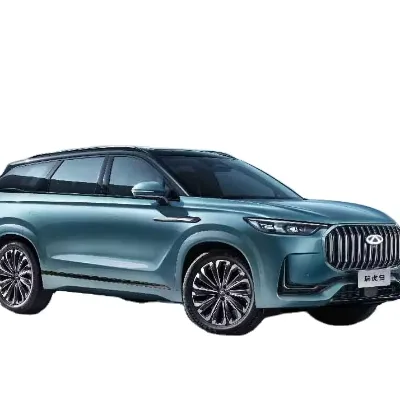
2026 Plug-in Hybrid SUV 1.5T 156HP 700km Range 90-110kWh Battery LHD Export
$9000.00 - $9100.00
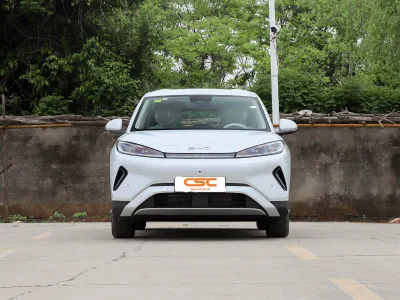
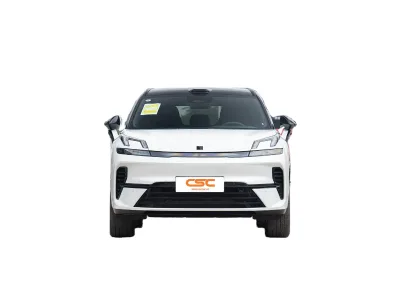
2026 Plug-in Hybrid Compact SUV 220km EV Range Automatic Turbo R17 5-Seat LHD Export
$10589.00 - $12589.00
Xiamen Sirisky Import And Export Co., Ltd.
- Trading Company, Distributor/Wholesaler
- Fujian, China
- Lead time15 days
- Avg. response≤ 1h
Main productsElectric Cars,New Energe Cars,Used Cars,Electric Vehicles,Chinese EV
Main marketsMid East(40.00%), Eastern Asia(30.00%), Eastern Europe(20.00%), Africa(10.00%)
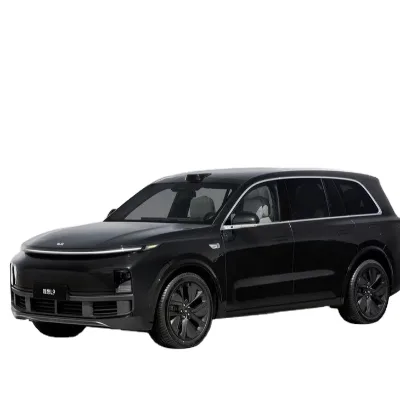
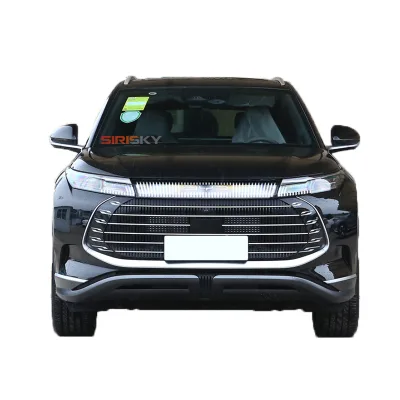
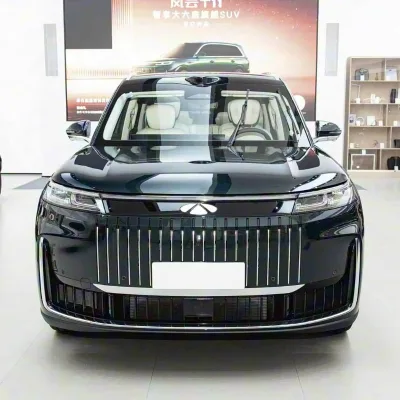
2026 New Fengyun T11 New Energy SUV 156 Horsepower Hybrid Fuel Left Steering
$42999.00 - $44599.00
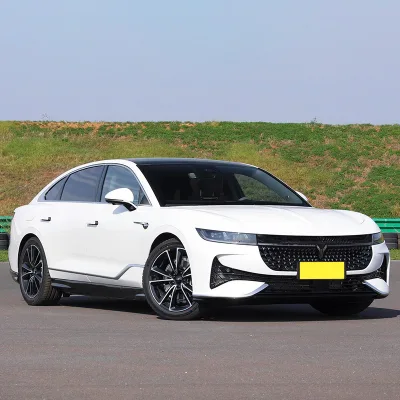
$37900.00 - $39685.00
MOQ: 1 sets
Jinan Runyuan Automobile Sales Co., Ltd.
- Trading Company
- Lead time旺季: "1 - 3":30,"4 - 10":40,"11 - 20":50,"> 20":"To be negotiated", 淡季: "1 - 3":30,"4 - 10":40,"11 - 20":50,"> 20":"To be negotiated"
- Avg. response≤ 1h
Main productsCargo Trucks, Dump Trucks, Refrigerator Trucks, New Energy Vehicle
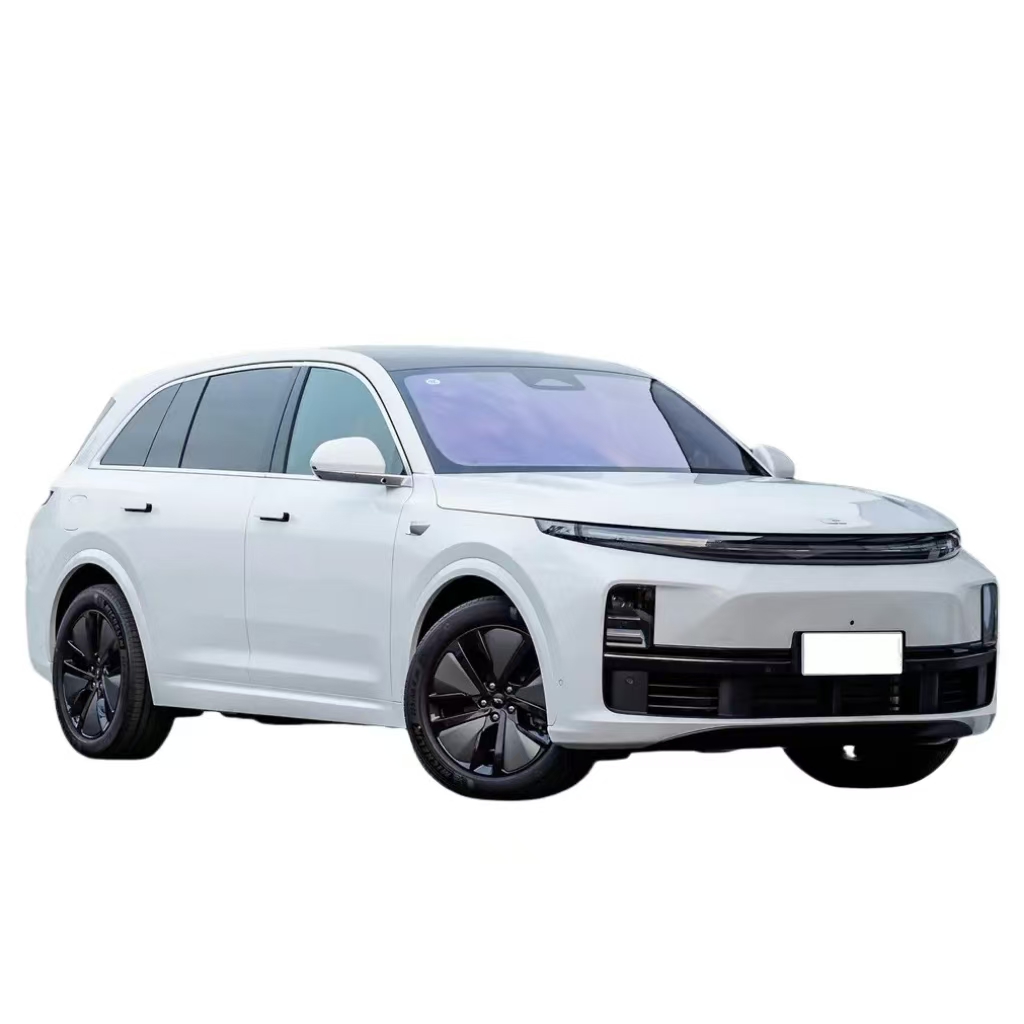

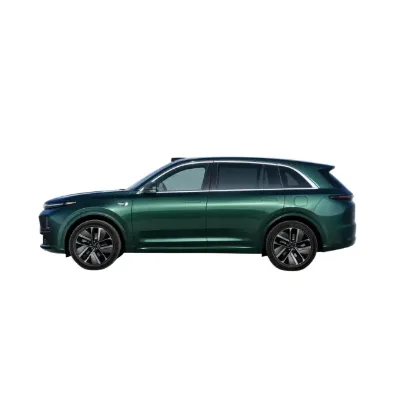
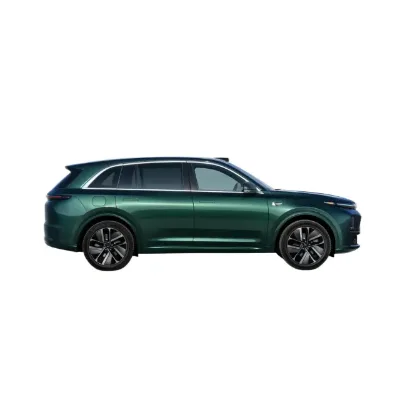
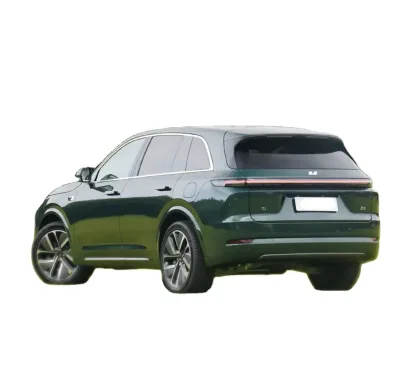
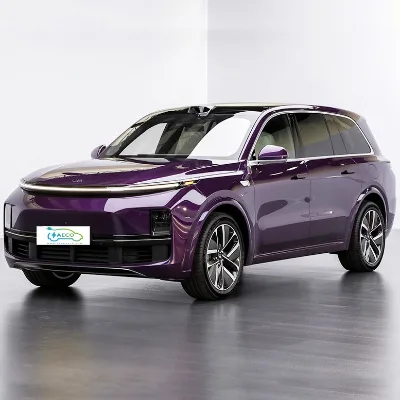
Luxury New Energy Vehicles-SUV L7/L8/L9 Hybrid Electric Cars Luxury Green Car
$31599.00 - $31765.00
$26808.6125 - $30006.9938
MOQ: 1 units
Tianjin Yijie Automobile Sales Co., Ltd.
- Trading Company
- Lead time旺季: "1 - 1":15,"> 1":"To be negotiated", 淡季: "1 - 1":15,"> 1":"To be negotiated"
- Avg. response≤ 2h
Main productsNew Energy Vehicles, New Cars, Used Cars
Qingdao Csd Auto And Equipment Co., Ltd.
- Manufacturer, Trading Company
- Lead time旺季: "1 - 4":7,"5 - 10":14,"11 - 15":20,"> 15":"To be negotiated", 淡季: "1 - 4":7,"5 - 10":14,"11 - 15":20,"> 15":"To be negotiated"
- Avg. response≤ 3h
Main productsNew Energy Vehicle, Pickup Truck, Light Truck, Heavy Truck, Semi Trailer
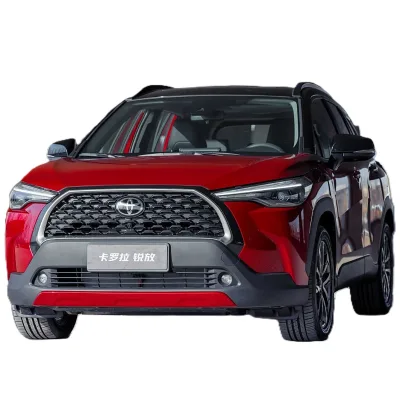
Cross 5-door 5-seat Compact SUV 2024 Model 2.0L New Car Hybrid High Power High Mileage
$18600.00 - $20000.00
MOQ: 1 units

$31666.6295 - $32077.8844
MOQ: 1 units
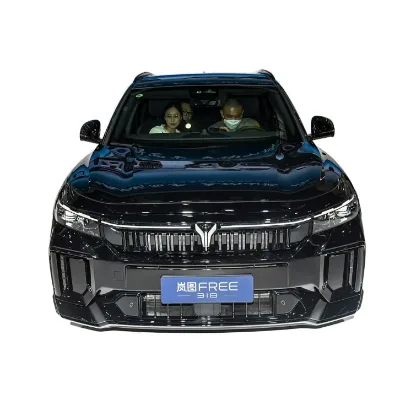
$29700.00 - $30000.00
MOQ: 1 units

$24469.6682 - $24880.9231
MOQ: 1 units
Qingdao Csd Auto And Equipment Co., Ltd.
- Manufacturer, Trading Company
- Lead time旺季: "1 - 5":25,"6 - 10":30,"11 - 15":35,"> 15":"To be negotiated", 淡季: "1 - 5":25,"6 - 10":30,"11 - 15":35,"> 15":"To be negotiated"
Main productsTruck Trailers
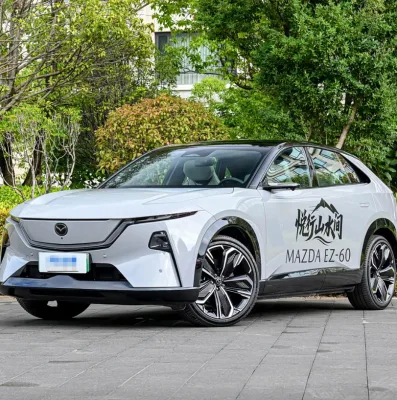
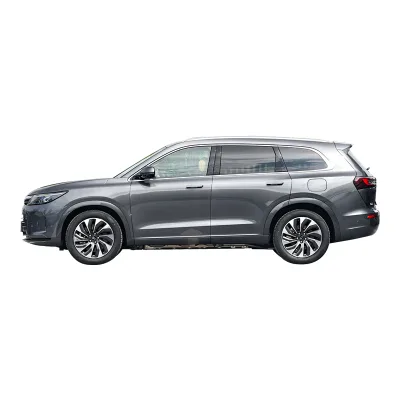
Hot Sale Hua-wei M7 2024 5-door 5-seater Chinese New Energy Vehicle
$28283.8878 - $30378.9906
MOQ: 1 units
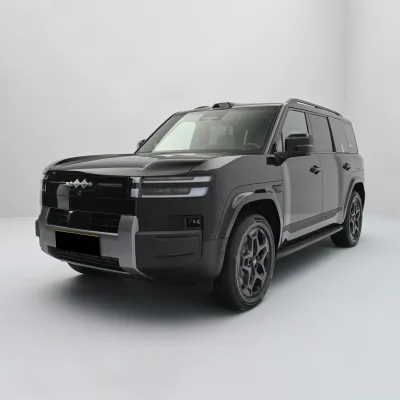
Fangchengbao Titanium 7 Extended Range Suv 2Wd 4Wd New Energy Vehicle
$19902.4295 - $21997.5323
MOQ: 1 units

Willstar Auto Import&Export(Shanghai) Co., Ltd
- Verified by TUVRHEINLAND
- Trading Company
- China Shanghai
- Lead time30 days
- Avg. response≤ 2h
Main productsElectric Car, Hybrid Car, Gasoline Car
Main marketsOthers(foreignTradeCapacity.exportBusinessCapacityMarketOther)

Hot Sell Tank 700 Plug-in Hybrid Engine EV Car New Cars Variable Suspension Adjustment
$55000.00 - $59000.00
MOQ: 1 Pieces

$21000.00 - $24100.00
MOQ: 1 Pieces
Qingdao Csd Auto And Equipment Co., Ltd.
- Verified by Intertek
- Manufacturer, Trading Company
- Lead time30 days
Main productsNew Energy Vehicles, Heavy Truck, Pickup Truck, Trailer, Light Truck
Main marketsMid East(30%), Western Europe(22%), Eastern Europe(18%)
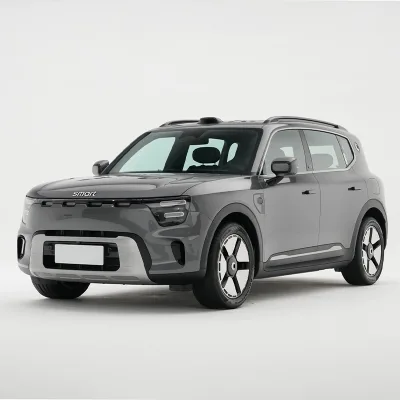
$31411.2804 - $32136.9535
MOQ: 1 sets
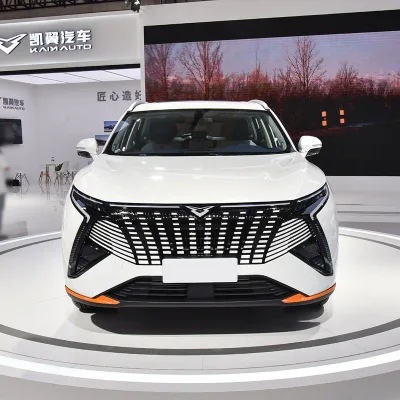
$25000.00 - $25700.00
MOQ: 1 sets
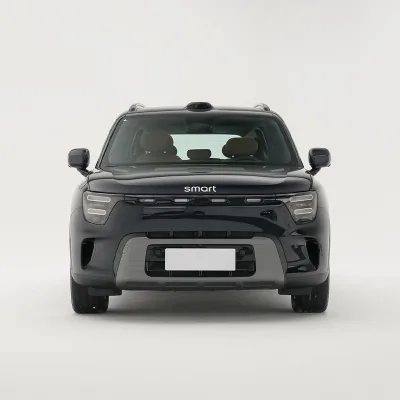
$25410.5021 - $26127.734
MOQ: 1 sets

Taizhou Jiechi Automobile Sales Co., Ltd.
- Trading Company
- China Jiangsu
- Lead time0 days
- Avg. response≤ 4h
Main productsGeely Auto, Chery Auto, Used Car, SUV Car, New Car, Electric Car, EV Car, Second Hand Car, Electric Vehicle, Used Electric Car
Henan Kutonghang Automobile Service Co., Ltd.
- Verified by TüVRheinland
- Trading Company
- Lead time30 days
- Avg. response≤ 2h
Main productsNew Car, Used Car, New Energy Vehicles, Pickup Truck, Commercial Vehicle
Main marketsEastern Europe(30%), Africa(30%), South America(10%)
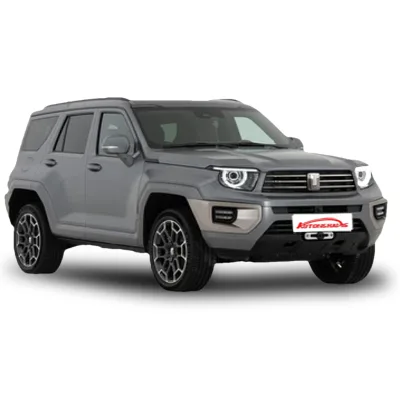
$57363.11 - $58798.36
MOQ: 1 units
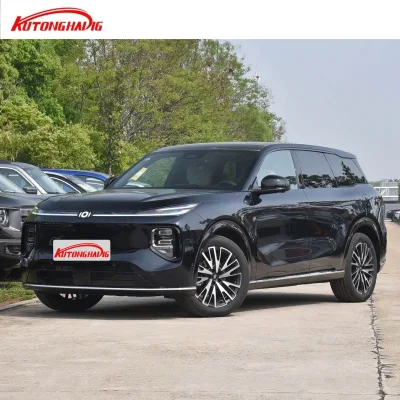
New Energy SUV Leader 2025 Qiyuan Q07 PHEV 1.5L Turbo Golden Bell Battery
$13390.00 - $17890.00
MOQ: 1 pieces
Xinxiang County Bada Automobile Sales Co., Ltd.
- Verified by SGS Group
- Trading Company
- Lead time0 days
- Avg. response≤ 2h
Main productsNew Energy Vehicles, Commercial Cars, Used Car, Passenger Car, Automotive Parts

Henan Zlin Heavy Industry Group Co., Ltd.
- Verified by SGS
- Trading Company
- China Henan
- Lead time90 days
- Avg. response≤ 4h
Main productsLight Truck, Heavy Truck, Special Vehicle, Wheel Loader, Mini Bus, Dump Truck, Farm Machinery, Construction Machinery, Pickup Truck
Main marketsAfrica,Southeast Asia/ Mideast

Jishi 01 Extended Range Hybrid Electric SUV Comfortable Family Full Vehicle
$35000.00 - $40000.00
MOQ: 1 Pieces

Jishi 01 Hybrid Extended Range SUV Intelligent New Energy Passenger Vehicle
$35000.00 - $40000.00
MOQ: 1 Pieces

Jishi 01 Hybrid Extended-Range SUV Full Vehicle New Energy Smart Family Car
$35000.00 - $40000.00
MOQ: 1 Pieces

Jishi 01 Range Extended Hybrid SUV Long Distance New Energy Full Car
$35000.00 - $40000.00
MOQ: 1 Pieces
Sichuan Carkiss Automobile Co., Ltd.
- Trading Company
- Sichuan, China
- Lead time0 days
- Avg. response≤ 4h
Main productsUsed Vehicle, Used Car, Used EV Car, Used Special Car, Used Fuel Car
Main marketsMid East(50.00%), South Asia(20.00%), Northern Europe(10.00%), Africa(10.00%), Eastern Europe(10.00%)
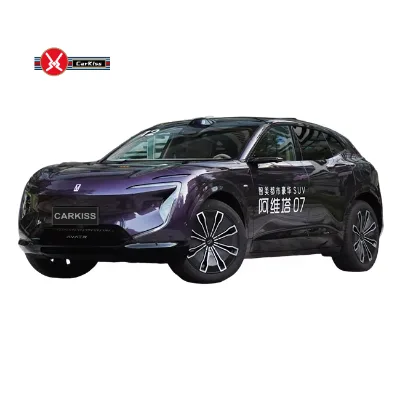
$22557.0638 - $25633.027
MOQ: 1 units
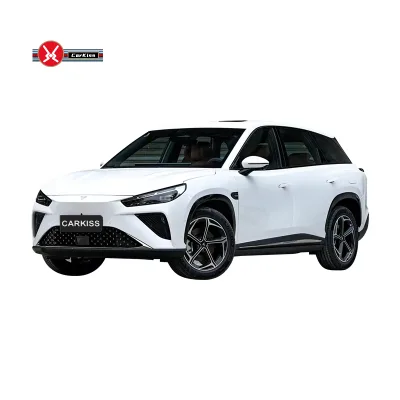
$16987.7469 - $21723.7249
MOQ: 1 units

Henan Elorry Industrial Co., Ltd.
- Verified by SGS
- Trading Company
- China Henan
- Lead time90 days
- Avg. response≤ 6h
Main productsDump Truck, Light Truck, Mini Bus, Pickup Truck, Tanker Truck, Farm Tractor, Trailer, Excavator, Forklift, Heavy Truck
Main marketsAfrica,Others(foreignTradeCapacity.exportBusinessCapacityMarketOther),Southeast Asia/ Mideast

Jishi 01 Hybrid Extended Range SUV Intelligent New Energy Passenger Vehicle
$35000.00 - $40000.00
MOQ: 1 Pieces

Jishi 01 Hybrid Extended-Range SUV Full Vehicle New Energy Smart Family Car
$35000.00 - $40000.00
MOQ: 1 Pieces

Jishi 01 Range Extended Hybrid SUV Long Distance New Energy Full Car
$35000.00 - $40000.00
MOQ: 1 Pieces

Beijing EFON Technology Co., Ltd.
- Verified by SGS
- Trading Company
- China Beijing
- Lead time60 days
- Avg. response≤ 12h
Main productsCommercaial Vehicle, EV Truck, Ice Truck, Pickup Truck, Van, Construction Machinery, Sanitation Vehicle, Pickup Truck Prats, Self-Research Parts, Epto
Main marketsEurope


Efficient Compact SUV: Exceptional Fuel Efficiency and Spacious Interior
$15000.00 - $18000.00
MOQ: 1 Unit
Changsha Chejuhui Automobile Trading Co., Ltd.
- Trading Company
- Hunan, China
- Lead time20 days
- Avg. response≤ 8h
Main productsNew Energy Vehicle,Fuel Vehicle,Van,Used Car,Pick-up
Main marketsMid East(40.00%), Domestic Market(30.00%), Africa(20.00%), South America(10.00%)
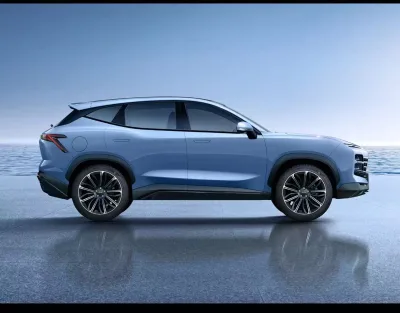




Comprehensive Sourcing Guide
70-90Kwh Hybrid Electric Suv Supplier Concentration and Factory Types
Supplier results for this category cluster in China, with location data pointing to provinces such as Fujian and Shanxi. These are large automotive and new-energy manufacturing provinces, but buyers should not assume every listing originates from a factory floor. The visible supplier base splits into two company types: manufacturers and factories on one side, and trading companies on the other. Trading companies often consolidate multiple vehicle models, handle export documentation, and offer right-hand-drive programs, while factories control production scheduling and specification changes. When you shortlist, check which type each profile declares, because it changes how you negotiate specification, inspection access, and responsibility for defects.
The product breadth in this category is wider than the keyword suggests. Supplier main-product lists include electric and gasoline SUVs, electric MPVs, mini cars, electric trucks, and even cold-room equipment at some Fujian-based profiles, indicating diversified trading businesses rather than dedicated hybrid-SUV specialists. Other profiles emphasize right-hand-drive vehicles, RHD vans, RHD pickups, and national agency or KD cooperation services. For a 70-90kWh hybrid electric SUV specifically, prioritize suppliers whose listings show detailed EV attribute data — energy type, wheelbase, charging time, displacement range — because that signals genuine familiarity with new-energy vehicles rather than a general vehicle broker. The cluster identification rule: confirm the registered address, cross-check it against the declared company type, and treat location plus specialization together as your first filter.
How to Verify 70-90Kwh Hybrid Electric Suv Suppliers
Verification for high-value vehicles must go deeper than a profile badge. Some listings in this category display third-party verification such as a TUV Rheinland mark, which indicates an inspection body has checked business credentials, but it does not certify the vehicles themselves. Treat verification marks as a floor, not proof. Then verify the supplier's relationship to the vehicle brand: ask whether they are an authorized dealer, a regional agency, or a KD (knocked-down) cooperation partner, since several profiles in this category advertise national agency and after-sale service structures. Request the business license, export history for vehicles of this class, and evidence of past shipments to your destination market.
Next, validate the product data rather than the company claims. Listings here publish granular attributes — steering side (left or right), drive type (FWD or RWD), wheelbase, curb weight, maximum speed, packing method such as naked or standard export packing — and you should confirm every attribute that matters for your market's homologation. If a listing shows a model name and dimensions, ask the supplier to match them against the manufacturer's official specification sheet; discrepancies between a listing's stated energy type (for example, one X7 PHEV listing declares hydrogen as fuel type) and the product keyword suggest careless data entry that must be reconciled in writing. Finally, test responsiveness before commitment: response-time figures in this category range from roughly two to six hours, and a slow pre-sale reply usually worsens after payment. Document all verification steps so any later dispute has a written trail.
What to Compare Across 70-90Kwh Hybrid Electric Suv Suppliers
Build a comparison sheet using only dimensions actually displayed on supplier profiles, because not every supplier shows every attribute. Useful label dimensions include: location (Fujian versus Shanxi changes logistics and possibly factory access), company type (trading company versus manufacturer), main products (right-hand-drive focus versus mixed electric and gasoline portfolio), response time, lead time, whether escrow or trade assurance is offered, establishment year, and third-party verification status. One supplier may show a six-hour average response while another shows under three; for a six-figure vehicle order, that difference compounds across a long negotiation cycle. Lead time fields may be empty or zero on some profiles, so ask directly and record answers rather than assuming.
On the product side, compare listed specifications line by line. Visible listings span a wide price band: compact pure-electric models listed around the low thousands of US dollars, mid-size hybrid SUVs in the five-to-ten-thousand range on some profiles, and a right-hand-drive Changan Qiyuan E07 listed between roughly nineteen and twenty thousand. MOQ also varies — some EV listings show a minimum order of one unit — which matters if you want a sample vehicle before fleet commitment. Compare battery-capacity documentation (the 70-90kWh class claim), charging time, drive configuration, and right-hand versus left-hand steering against your market's requirements. Score suppliers on completeness and consistency of data, not just price; a listing with coherent, verifiable attributes is a stronger signal than the lowest quoted figure.
Common 70-90Kwh Hybrid Electric Suv Sourcing Risks
The most common risk in this category is specification mismatch between listing and delivered vehicle. Listings can carry internal contradictions — one profile's X7 PHEV listing declares hydrogen as the fuel type despite being marketed as a plug-in hybrid — and model names are sometimes written with altered spelling. If such errors survive into a contract, you may receive a vehicle that fails registration or homologation at destination. Mitigate by attaching a manufacturer-issued specification sheet to the contract and making it the governing document, overriding any listing text.
Second, watch for capability inflation. A Fujian profile listing cold rooms, ice machines, and trucks alongside SUVs is likely a diversified trading business; that is not automatically bad, but it means vehicle expertise may be thin and after-sales support may be outsourced. Third, homologation and steering-side risk: several listings here are left-hand-drive, while others target right-hand-drive markets. Ordering the wrong steering configuration is rarely recoverable. Fourth, warranty and parts risk for high-voltage systems — a 70-90kWh hybrid powertrain needs battery warranty terms, diagnostic access, and spare-parts availability in your country, which trading companies may not control. Fifth, documentation risk: vehicles need conformity documentation for customs and registration, and export packing (naked versus standard export packing) affects port handling and insurance. Finally, price-driven fraud: unusually low quotes in this category, far below the visible listing ranges, warrant extra escrow protection and an inspection before shipment rather than a deposit by direct transfer.
70-90Kwh Hybrid Electric Suv Regional Sourcing and Logistics
The evidence for this category points to two distinct sourcing geographies within China. Fujian-based profiles combine manufacturer and trading-company types with a broad new-energy vehicle lineup, suggesting a coastal export orientation where port access simplifies ro-ro or container shipment of finished vehicles. Shanxi-based profiles emphasize right-hand-drive programs, RHD vans and pickups, national agency arrangements, and after-sale service — a signal that they serve markets requiring right-hand steering and ongoing support networks. Choose geography based on your destination market's steering requirement and service expectations, then confirm the declared origin on each product listing, since one listing shows Shanxi as production origin even though the parent profile sits elsewhere.
Logistics planning for vehicles differs from general cargo. Confirm which incoterm the supplier quotes, whether vehicles ship naked or in standard export packing, and how battery-containing vehicles are handled under dangerous-goods rules for sea freight — high-voltage lithium battery systems can restrict carrier choice and documentation. Ask each supplier which port they ship from and what export licenses they hold for new-energy vehicles. Also clarify pre-shipment inspection logistics: you or a third-party inspector should verify VIN, specification match, battery state of health, and cosmetic condition before loading. For right-hand-drive units, confirm that the conversion or original RHD build is manufacturer-backed rather than aftermarket, because registration authorities in RHD markets frequently reject converted vehicles. Build lead-time buffers for vessel space, since finished-vehicle sailings are less frequent than container sailings.
70-90Kwh Hybrid Electric Suv Commercial Terms and Order Planning
Commercial structuring for this category should start with payment protection. Prefer escrow or platform-mediated payment where offered, tie the majority of payment to inspection passage and bill-of-lading issuance, and avoid large direct deposits. Use the supplier's displayed attributes to frame negotiation: ask why a trading company's lead time differs from a factory's, request written lead-time commitments since some profiles display no lead-time figure at all, and confirm the MOQ in writing even when a listing shows a one-unit minimum, because quotation-level MOQs can differ from listing-level values. Price ranges visible on listings — from several thousand US dollars for compact EVs to around twenty thousand for a right-hand-drive mid-size electric SUV — are starting points; require an itemized quotation covering the vehicle, battery pack documentation, export packing, inland transport to port, and freight.
Order planning should account for the long tail of after-sale obligations. Before signing, agree in writing on: warranty duration and coverage for the high-voltage battery and hybrid system; supply of spare parts and diagnostic tools; training or manuals in your market's language; and the process for handling in-transit damage given that vehicles often ship naked. Plan a sample-unit order where MOQ allows, inspect it at destination, and only then commit to volume. Finally, synchronize your import timeline with homologation testing, which can take longer than shipping itself, and build contractual remedies for late delivery given that vehicle lead times vary widely between trading companies and factories in this category.
FAQs
What is the price range for hybrid electric SUVs?
Hybrid electric SUVs are available at prices ranging from approximately $4,530 to $20,000. Specific models like the Lixiang Mega start around $9,130, while the Changan Qiyuan E07 is listed near $19,000. Buyers should verify exact pricing for their desired configuration and order volume.
What is the minimum order quantity for these vehicles?
The minimum order quantity is typically one unit for many listed hybrid electric SUVs. This allows buyers to test market demand or acquire single units for personal or fleet use. Always confirm the specific MOQ with the supplier before finalizing the purchase agreement.
Where are these hybrid SUVs manufactured?
These vehicles are primarily manufactured in China, with specific origins noted in Fujian and Shanxi provinces. Buyers can source from both trading companies and manufacturers located in these regions. Verify the exact origin on the product listing to ensure alignment with your logistics requirements.
How fast do these SUVs charge?
Fast charging times vary by model, with some units supporting charging in approximately one hour. Other compact models may offer faster charging cycles around 0.53 hours. Check the specific product attributes for the exact fast charging time relevant to the hybrid electric SUV you intend to purchase.
What is the supplier response time?
Supplier response times vary, with some suppliers responding within 2.40 hours and others taking around 6.33 hours. Faster response times can help expedite negotiations and order processing. Select suppliers with quicker response rates to ensure efficient communication throughout the sourcing and procurement process.
Are these vehicles verified by third parties?
Some suppliers are verified by TÜV Rheinland, indicating a level of quality assurance and compliance. This verification helps buyers trust the supplier's operational standards. Look for this badge when evaluating potential partners to ensure a more secure and reliable sourcing experience for your hybrid electric SUV needs.