Source CR With Aramid Fiber EV Drive Belt for Aixam, Mega, Minauto
Find 30 CR With Aramid Fiber EV Drive Belt options from Taizhou, China. Compare models like AV9.5 and AX51 for light diesel vehicles. Review specs including ISO 9001 certification and wear-resistant features to select the right drive belt for your application.
Updated
Key considerations
Products List
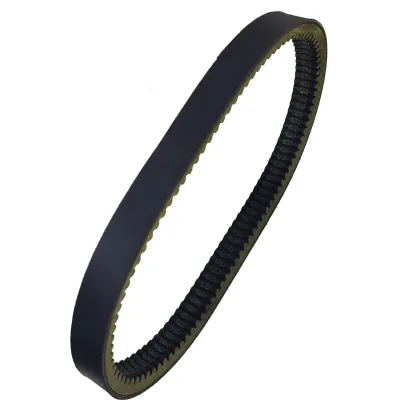
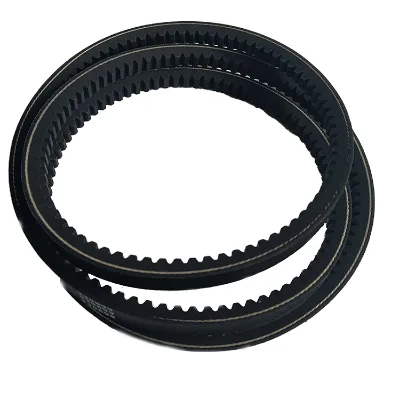
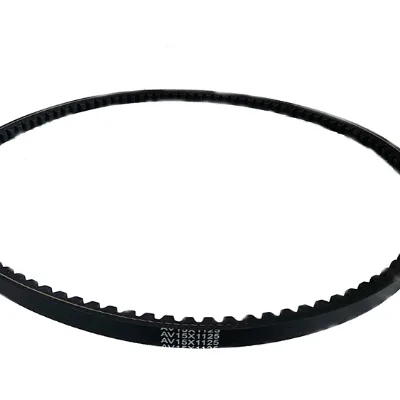
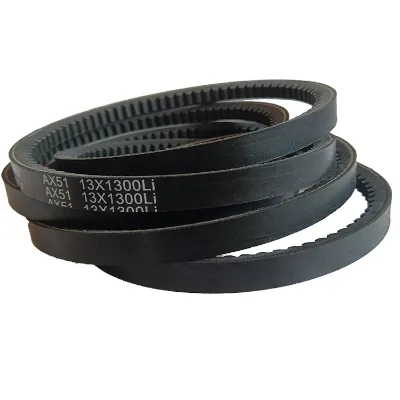
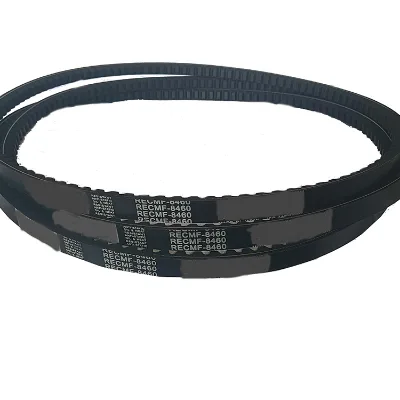


Rubber Transmission Belt for Electronic Equipment Cars Motorcycle Drive Part
$0.20 - $20.00
MOQ: 100 Pieces


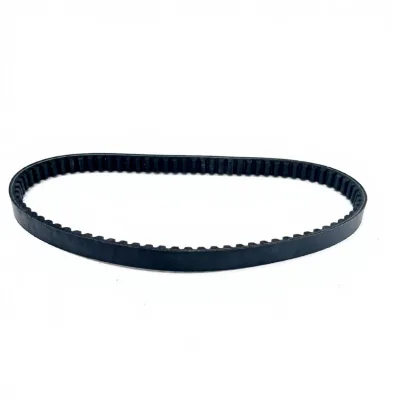
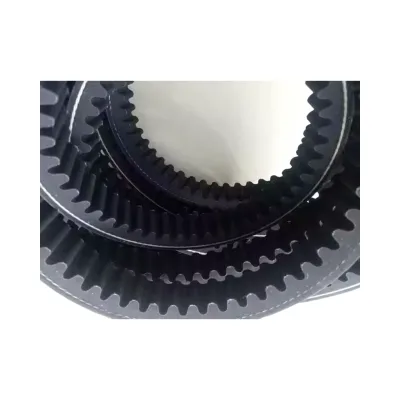
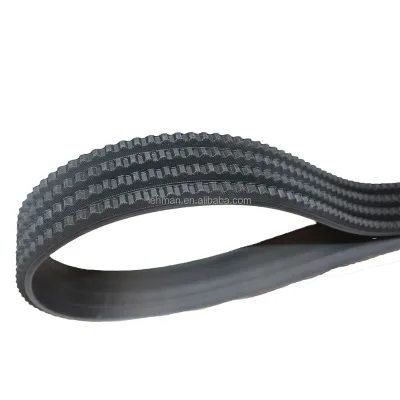
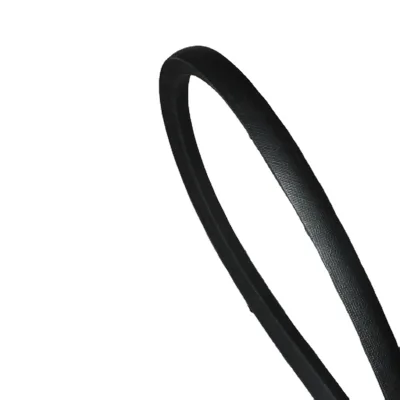
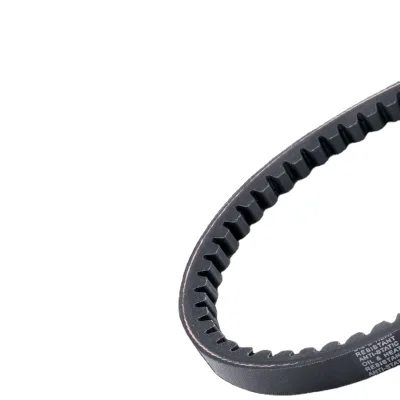
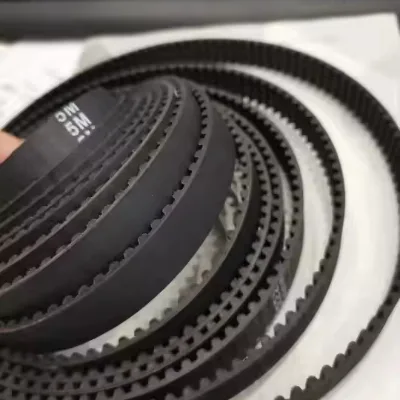
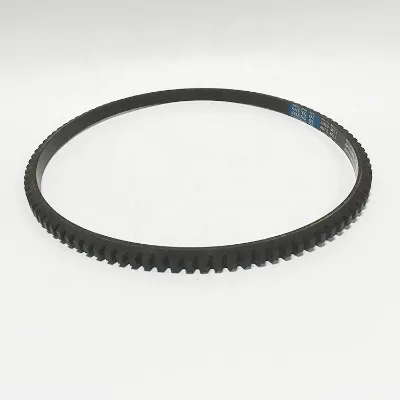
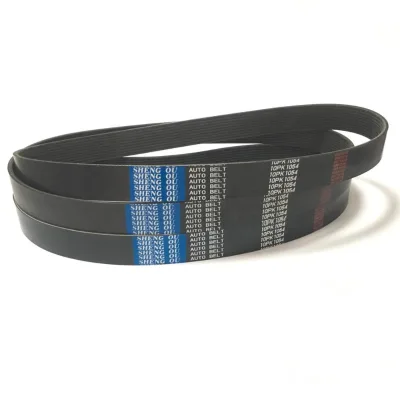
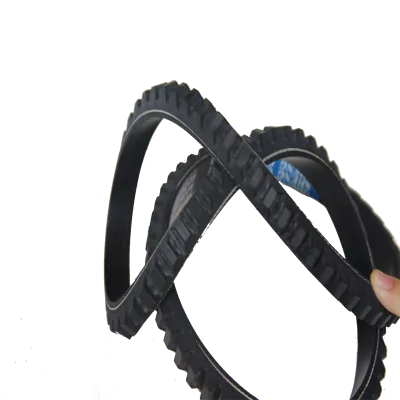
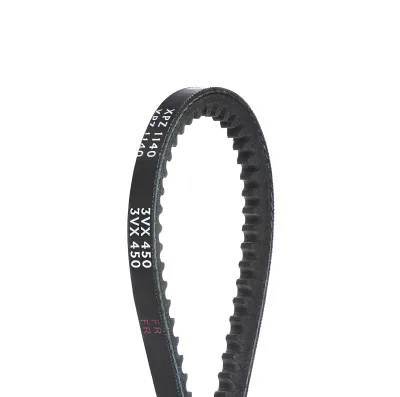


Comprehensive Sourcing Guide
CR With Aramid Fiber EV Drive Belt Sourcing Guide
Sourcing drive belts constructed from CR with Aramid fiber requires a nuanced understanding of material compatibility and mechanical stress profiles. The observed product attributes indicate that these belts are primarily designed for light vehicles with diesel engines, specifically fitting Aixam, Mega, and Minauto models. While the core keyword suggests an EV application, the supplied facts explicitly link this material composition to diesel-powered light utility vehicles. Buyers must carefully verify whether the specific Aramid-reinforced CR belt is suitable for electric vehicle drivetrains, as the torque characteristics and thermal environments differ significantly between internal combustion and electric systems.
The material composition of CR with Aramid fiber offers a distinct advantage in durability and tensile strength. Aramid fibers serve as the tensile member, providing high resistance to stretching and breakage under load, while the CR rubber compound ensures flexibility and resistance to environmental degradation. This combination is critical for maintaining transmission efficiency and preventing slippage in high-stress applications. Procurement teams should prioritize suppliers who can demonstrate the integrity of the bond between the Aramid tensile member and the CR rubber cover, as delamination is a common failure mode in composite drive belts.
Product Scope and Observed Listing Signals
The current market listings for these components reveal a diverse range of specifications, including various model numbers such as AV9.5, AV10, AV12.5, and AX51. The observed price range spans from 0.1 to 20 USD, with minimum order quantities varying between 1 and 100 units. This wide variance suggests that buyers are accessing both generic aftermarket parts and specialized OEM-compatible components. It is essential to correlate the specific model number with the vehicle’s original equipment manufacturer specifications to ensure proper fitment. The presence of brands like Guangzheng and Genlei indicates a competitive supplier base, but buyers must verify that the listed model numbers correspond to the exact belt dimensions required for their specific vehicle platform.
Packaging and logistical data provide additional insights into the product nature and handling requirements. The single package sizes range from compact dimensions like 2.2x4.5x1 cm for smaller components to larger boxes measuring 65x35x26 cm for bulkier items. The single gross weights vary from 0.143 kg to 0.4 kg, reflecting the density of the CR rubber and the length of the belt. These metrics are crucial for calculating landed costs and optimizing warehouse storage. Buyers should note that the selling units are typically single items, which simplifies inventory management but may increase per-unit shipping costs if not consolidated effectively with other procurement orders.
Technical Specifications to Verify
Verifying the precise dimensional and material specifications is paramount to ensuring proper belt function and longevity. Key attributes to confirm include the width, length, and cross-sectional profile, such as the AVX15*1125 or 17X1168LI models observed in the data. The tensile member is identified as polyester in some listings, while others specify Aramid fiber, so buyers must explicitly confirm the reinforcement material to match their performance requirements. Additionally, the top and bottom fabrics, including polyester cotton canvas and elastic fabric, play a significant role in heat dissipation and grip. Misidentifying these layers can lead to premature wear or slippage, particularly in high-temperature environments.
The processing services and manufacturing techniques also influence the belt’s performance characteristics. Listings indicate that molding and cutting are standard processing services, which affect the precision of the cogged edges and the overall structural integrity. Features such as wear resistance, heat resistance, flame resistance, and tear resistance are highlighted as key advantages. Buyers should request detailed technical datasheets that specify the exact compound formulations for the CR rubber and the quality of the Aramid fiber integration. Understanding these technical nuances allows for more accurate predictions of service life, which is estimated to range from 30,000 to 80,000 kilometers depending on the specific model and application conditions.
Compliance and Safety Documentation
Ensuring that the drive belts meet relevant international standards is a critical step in the procurement process. The observed certifications include ISO9001:2008 CE and ISO 9001-2015, which indicate that the manufacturers have established quality management systems. However, buyers must verify that these certifications are current and applicable to the specific product line being purchased. Compliance with safety standards ensures that the belts can withstand operational stresses without catastrophic failure, which is vital for vehicle safety. It is advisable to request copies of the certification documents and validate them with the issuing bodies to confirm their authenticity and scope.
In addition to quality management certifications, buyers should inquire about any specific safety or performance tests conducted on the belts. While specific test results are not provided in the supplied facts, reputable suppliers should be able to provide data on tensile strength, fatigue life, and heat resistance. The mention of ISO 2208:2016 in the background context suggests a relevant standard for drive belts, although buyers should confirm if this standard applies to their specific application. Documentation regarding the raw materials used, such as the source of the CR rubber and Aramid fiber, can also provide insights into the consistency and reliability of the final product.
Cost Drivers and Commercial Terms
The cost of CR with Aramid fiber drive belts is influenced by several factors, including material costs, manufacturing complexity, and order volume. The observed price range of 0.1 to 20 USD reflects the variability in belt sizes and specifications. Larger or more complex belts, such as those with longer lengths or specialized profiles, will naturally command higher prices. Minimum order quantities ranging from 1 to 100 units offer flexibility for different procurement needs, but larger orders may yield better unit economics. Buyers should negotiate based on total volume commitments and consider the trade-offs between inventory holding costs and per-unit savings.
Commercial terms such as payment methods, shipping options, and warranty policies also impact the total cost of ownership. The observed warranty periods range from 30,000 to 80,000 kilometers, which provides a benchmark for expected performance. Buyers should clarify the terms of the warranty, including what constitutes a valid claim and the process for replacement. Additionally, shipping costs can vary significantly depending on the package size and weight, so consolidating orders or negotiating freight rates can reduce overall expenses. Understanding these commercial dynamics allows buyers to make informed decisions that balance cost efficiency with risk mitigation.
Supplier Qualification and Quality Control
Selecting a reliable supplier is essential for ensuring the consistent quality of CR with Aramid fiber drive belts. Buyers should evaluate suppliers based on their manufacturing capabilities, quality control processes, and track record. The observed processing services, such as molding and cutting, indicate that suppliers have the necessary equipment to produce precise belts. However, buyers should visit the factory or request detailed quality assurance protocols to verify that these processes are consistently applied. Suppliers who offer customization support, as indicated in the product attributes, may be better equipped to meet specific requirements.
Quality control measures should include incoming material inspections, in-process checks, and final product testing. Buyers should inquire about the supplier’s procedures for verifying the quality of the CR rubber and Aramid fiber tensile members. Consistency in material composition and manufacturing techniques is crucial for maintaining performance standards. Additionally, suppliers should have a robust system for handling defects and customer complaints. Establishing a clear communication channel with the supplier can facilitate quick resolution of any issues that arise during the procurement process. Building a long-term relationship with a qualified supplier can lead to better pricing and priority service.
Long-Term Procurement Checks
Establishing a framework for long-term procurement checks ensures that the drive belts continue to meet performance expectations over time. Buyers should implement a system for monitoring belt performance in the field, tracking metrics such as service life, failure rates, and customer feedback. This data can be used to evaluate supplier performance and identify areas for improvement. Regular audits of the supplier’s quality management system can also help maintain high standards. By continuously monitoring these factors, buyers can make data-driven decisions about future procurement strategies.
It is also important to stay informed about advancements in belt technology and materials. The CR with Aramid fiber composition offers significant benefits, but new materials or manufacturing techniques may emerge that offer even greater performance or cost efficiency. Buyers should engage with suppliers to discuss potential upgrades or alternative products that may better suit their needs. Additionally, maintaining a diverse supplier base can mitigate risks associated with supply chain disruptions. By proactively managing these aspects, buyers can ensure a resilient and efficient procurement process for CR with Aramid fiber drive belts.
FAQs
What materials are used in this drive belt?
The drive belt is constructed from CR or CR combined with Aramid Fiber. The tensile member utilizes polyester for strength, while the top fabric consists of polyester cotton canvas. The bottom rubber layer incorporates CR and synthetic fiber to ensure durability and reliable performance in light vehicles with diesel engines.
Which vehicle brands fit this belt?
This drive belt is designed to fit Aixam, Mega, and Minauto vehicles. It is specifically engineered for light vehicles equipped with diesel engines. Buyers should verify their specific model requirements against the listed compatible brands to ensure proper fitment and optimal transmission efficiency for their equipment.
What certifications does the product hold?
The product holds ISO9001:2008 CE certification and ISO 9001-2015 certification. These credentials indicate adherence to established quality management standards. Buyers can rely on these documented certifications to verify the manufacturing quality and compliance of the drive belt suppliers, ensuring consistent product performance and reliability.
What is the typical quality lifespan?
The quality lifespan ranges from 30,000 to 60,000 kilometers. Some variants offer a warranty covering 30,000 to 80,000 kilometers. This durability is supported by features such as excellent wear resistance and good durability, making the belt suitable for demanding applications in light diesel vehicles.
Where is the product manufactured?
The product originates from Taizhou, China, and Zhejiang, China. These locations are the primary places of origin for the manufacturing facilities. Buyers sourcing these items should consider the geographical location when evaluating logistics, lead times, and supplier proximity for their specific procurement needs.
Can the belt be customized?
Yes, the product supports customization. The processing services include molding and cutting to meet specific requirements. Buyers seeking tailored solutions can request modifications to the standard specifications, such as length or width, to ensure the drive belt aligns perfectly with their unique machinery or vehicle applications.