Source Damascus Japanese Bread Knife for Kitchen, Chef, and Gift
Compare 30 listings for the Damascus Japanese Bread Knife featuring stainless steel and pakka wood handles. Buyers can evaluate models like DS-2876B with HRC 58 hardness and custom logo options for wholesale sourcing.
Key considerations
Products List


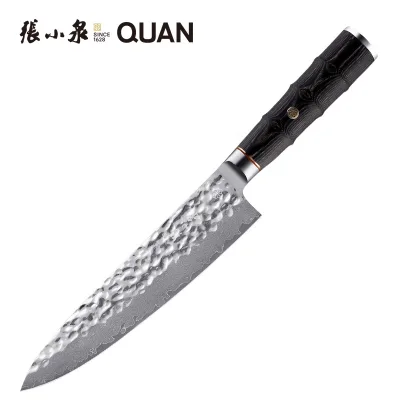


7 Inch Kitchen Cooking Japanese Chef Knife Hammered Damascus Steel Blade
$17.00 - $18.00
MOQ: 500 Pieces
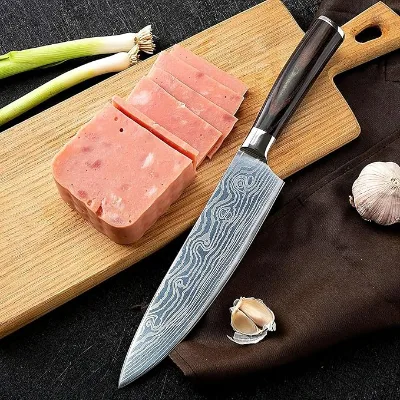


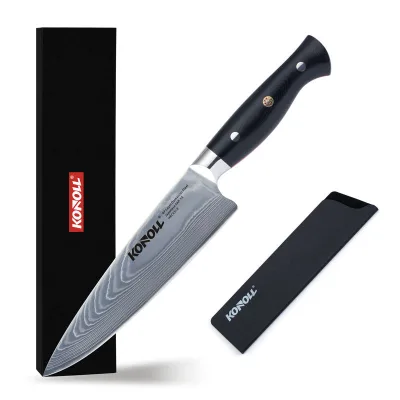
Comprehensive Sourcing Guide
Damascus Japanese Bread Knife Sourcing Guide
Sourcing high-quality bread knives with a Damascus steel pattern requires a nuanced understanding of both aesthetic appeal and functional performance. Buyers must distinguish between knives that are fully forged from layered Damascus steel and those that are merely etched or stamped to mimic the visual pattern. The core keyword "Damascus Japanese Bread Knife" suggests a product that combines the traditional Japanese blade geometry, often associated with sharpness and precision, with the distinctive layered look of Damascus steel. This guide provides evidence-based procurement advice to help buyers navigate the complexities of this specific niche, ensuring that the final product meets both visual expectations and practical kitchen demands.
The procurement process for these specialized knives involves verifying material authenticity, blade geometry, and handle ergonomics. While the visual appeal of the Damascus pattern is a significant selling point, the underlying steel quality determines the knife’s edge retention, corrosion resistance, and ease of maintenance. Buyers should focus on suppliers who provide transparent information about the steel composition, such as the use of high-carbon stainless steel cores, rather than relying solely on marketing imagery. This guide outlines the critical verification steps, commercial considerations, and quality control measures necessary to secure a reliable supply of premium bread knives.
Product Scope and Observed Listing Signals
The observed product listings indicate a diverse range of specifications, with models ranging from standard chef knives to specialized bread knives. For instance, specific models like DS-2876B are explicitly identified as bread knives, featuring an HRC (Rockwell Hardness) rating of 58, which is a critical indicator of blade hardness and edge retention. Other models, such as DS-2844E and DS-2949, are listed with detailed packaging dimensions, suggesting a focus on bulk shipping efficiency. The presence of various model numbers, including ZXQ-KN0051A3, highlights the importance of verifying the exact model against the desired specifications, as not all listed items may be bread knives or feature Damascus steel.
Color and material attributes vary significantly across the observed listings, with options including Sky Blue, Light Gray, and Wood handles. Some products are described as having Pakka wood handles, which are known for their durability and resistance to moisture, making them suitable for kitchen environments. The blade materials mentioned include Stainless Steel and Damascus Steel, with some products explicitly labeled as "Chefs knife damascus 8 inch Japanese knife damascus steel knife." Buyers must carefully cross-reference these attributes to ensure that the product they are sourcing matches the specific requirements for a Damascus bread knife, as generic stainless steel knives may not meet the aesthetic or performance expectations associated with the term.
Technical Specifications to Verify
Verifying the blade geometry and hardness is paramount when sourcing bread knives. The HRC rating of 58 observed in specific models provides a baseline for hardness, but buyers should confirm if this applies to the entire blade or just the cutting edge. Japanese-style bread knives often feature a longer blade with a serrated edge, designed to slice through crusty bread without crushing the soft interior. Buyers should request detailed drawings or specifications that confirm the blade length, serration type, and grind style. Additionally, the distinction between a full tang and a partial tang construction affects the balance and durability of the knife, which should be clearly defined in the product specifications.
The handle material and construction are equally critical for user comfort and longevity. While wood handles are common, the type of wood and the method of attachment to the blade significantly impact performance. Pakka wood, mentioned in some listings, is a high-pressure laminated wood that offers superior stability compared to traditional solid wood, which can warp or crack with exposure to water. Buyers should verify the handle’s ergonomic design, ensuring it provides a secure grip even when wet. Furthermore, the connection between the handle and the blade, whether through rivets, epoxy, or a full tang, should be inspected to prevent loosening over time, which is a common failure point in lower-quality knives.
Compliance and Safety Documentation
Food safety compliance is non-negotiable for any kitchenware product. Buyers must ensure that all materials in contact with food, including the steel, handle, and any adhesives or finishes, comply with relevant international standards such as FDA (USA) or EU regulations for food contact materials. While specific certification statuses are not provided in the observed listings, buyers should request test reports or declarations of conformity from the supplier. This is particularly important for Damascus steel, which may involve multiple layers of different metals; buyers need to confirm that all layers are food-safe and that no harmful substances are present in the etching or finishing processes.
Labeling and packaging requirements also play a crucial role in compliance. Products must be clearly labeled with the country of origin, material composition, and care instructions. The observed listings mention packaging types such as "Box" and "Carton," with specific dimensions like 392725.5 cm for carton packaging. Buyers should verify that the packaging protects the knife during transit and includes all necessary documentation, including user manuals and safety warnings. Additionally, any claims made on the product or packaging, such as "Eco-Friendly" or "OEM," must be substantiated to avoid misleading consumers and potential regulatory issues.
Cost Drivers and Commercial Terms
The cost of Damascus bread knives is influenced by several factors, including the complexity of the blade forging, the quality of the steel, and the craftsmanship involved in handle attachment. The observed MOQ (Minimum Order Quantity) ranges from 5 to 1000 pieces, with some listings specifying an MOQ of 100 pcs. Buyers should consider the trade-off between lower MOQs, which offer flexibility, and higher volumes, which may result in better unit prices. The supply ability of 900000 pieces per month mentioned in some listings indicates that larger suppliers can handle significant orders, but buyers should verify if this capacity is consistent with their specific quality requirements.
Payment terms and lead times are critical components of the commercial agreement. The observed listings mention payment terms such as TT (Telegraphic Transfer) and sample times of 3-7 Days. However, delivery times can vary significantly, with some listings indicating a lead time of 55-75 Days. Buyers should negotiate clear delivery schedules and penalties for delays, especially if the knives are intended for seasonal sales or specific marketing campaigns. Additionally, buyers should inquire about the cost of samples, as this is an essential step in verifying product quality before committing to a large order.
Supplier Qualification and Quality Control
Supplier qualification involves assessing the manufacturer’s capabilities, reputation, and quality management systems. Buyers should request information about the factory’s production capacity, equipment, and workforce expertise. The observed listings mention a place of origin in Guangdong, China, a region known for its manufacturing capabilities. However, buyers should conduct due diligence to verify the supplier’s legitimacy, including checking business licenses and past performance records. Customization options, such as logo printing and design changes, are available, but buyers should ensure that the supplier has the technical expertise to execute these changes without compromising quality.
Quality control measures should be established before production begins. Buyers should define clear acceptance criteria for blade sharpness, edge alignment, handle attachment, and overall finish. Random sampling and inspection during production and before shipment are recommended to identify and rectify defects early. The observed features such as "Sharp / Labor-Saving / Easy to Grind" and "Durability" should be tested through practical use scenarios. Buyers may also consider hiring third-party inspection agencies to conduct pre-shipment inspections, ensuring that the products meet the agreed-upon specifications and quality standards.
Long-Term Procurement Checks
Building a long-term relationship with a reliable supplier requires ongoing monitoring and evaluation. Buyers should establish a feedback loop with end-users to gather insights on product performance, durability, and customer satisfaction. This information can be used to refine specifications and improve future orders. Regular audits of the supplier’s quality control processes and production facilities are also recommended to ensure consistency and compliance with agreed-upon standards. The observed selling areas being "Worldwide" suggests that the supplier has experience in international markets, but buyers should verify their ability to handle logistics and customs requirements for their specific destination.
Continuous improvement and innovation are key to staying competitive in the market. Buyers should encourage suppliers to explore new materials, designs, and manufacturing techniques that can enhance product value. The observed trend towards "Eco-Friendly" and "Stocked" items indicates a growing demand for sustainable and readily available products. Buyers should stay informed about market trends and consumer preferences, adjusting their sourcing strategies accordingly. By maintaining a proactive approach to supplier management and quality assurance, buyers can secure a steady supply of high-quality Damascus Japanese bread knives that meet the evolving needs of their customers.
FAQs
What materials are used for the blade and handle?
The blade is made of Damascus steel and the handle is crafted from wood or Pakka wood. Some models feature stainless steel blades with wooden handles, ensuring durability and a classic aesthetic for professional kitchen use.
Which knife types are available in this collection?
Available types include chef knives, bread knives, and slicing knives. Specific models like DS-2876B are designated as bread knives, while others serve general kitchen cooking or meat slicing tasks for chefs and housewives.
Can I request custom logos and packaging options?
Yes, customization is available for logos and packaging. Buyers can choose between single or carton packing, and the product supports OEM branding with customized logos to meet specific brand requirements for gifts or retail.
What are the typical MOQ and sample times?
The minimum order quantity starts at 100 pieces for some models, while others range up to 1000. Sample time is typically 3 to 7 days, allowing buyers to verify quality before committing to larger orders.
Where are these knives manufactured and shipped from?
These knives originate from Guangdong, China, with a supply ability of 900,000 pieces per month. Delivery times vary between 55 and 75 days, and the products are sold worldwide with various payment terms like TT.
What are the standard dimensions and hardness ratings?
Standard sizes include 7-inch blades with specific package dimensions like 38x6x3 cm. The hardness rating reaches 58 HRC, ensuring sharpness and longevity, while overall product standards vary by model size and type.