Source Disposable Circumcision Anastomat for Urology, Anorectal, and Abdominal Use
Find and compare 30 models of disposable circumcision anastomat devices designed for urology and anorectal applications. Options include steel and plastic instruments with CE and ISO certifications, available in sterile blister packaging with customizable logos and sizes ranging from 11mm to 36mm.
Key considerations
Products List


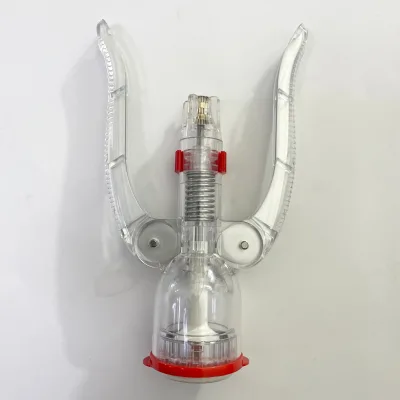
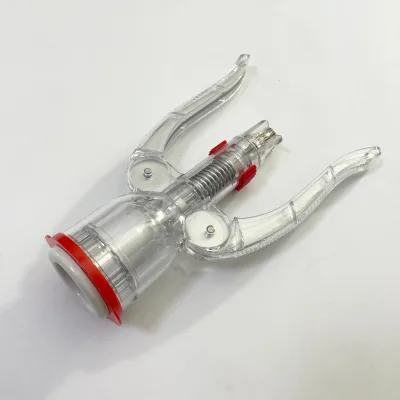
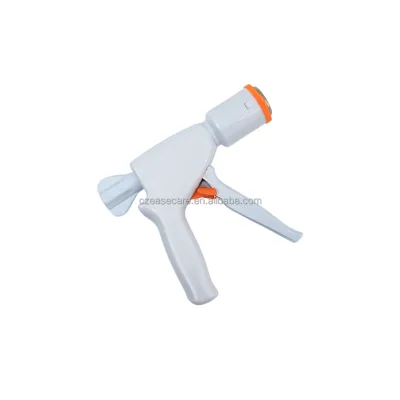
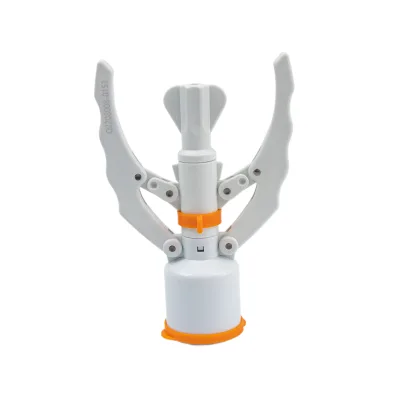
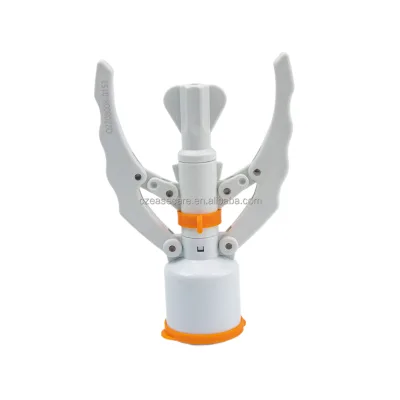
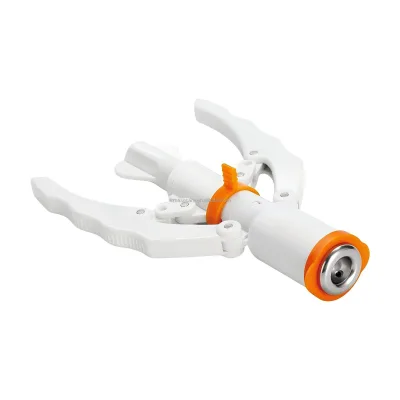


Comprehensive Sourcing Guide
Disposable Circumcision Anastomat Sourcing Guide
Procurement of disposable circumcision anastomats requires careful selection based on specific clinical applications such as anorectal and urology procedures. The observed market data indicates a diverse range of product models, including CSFA-C and CSFA-A variants, which are designed for adult and pediatric groups respectively. Buyers must distinguish between these models to ensure the device matches the intended patient demographic and surgical requirements.
The product landscape features distinct material compositions, ranging from steel surgical scissors to plastic staplers, each serving different functional needs within the surgical kit. While some listings highlight a quality guarantee period of two or three years, others emphasize the disposable nature of the instrument to maintain sterility. Understanding these material and structural differences is essential for aligning procurement with specific hospital protocols and infection control standards.
Product Scope and Observed Listing Signals
Buyers should verify the specific product structure and application scope before finalizing orders, as listings vary between abdominal and anorectal uses. The available data shows models with sizes ranging from 11mm to 34mm, alongside specific model numbers like 18 and 36, which dictate the appropriate fit for different anatomical requirements. This variation necessitates a clear definition of the surgical procedure to avoid purchasing incompatible equipment.
Commercial listings often include customization options such as logo printing and specific packaging formats like sterile blister packs or corrugated boxes. The observed price range of 4.3 to 36 USD suggests significant variance based on features, though buyers must treat these figures as market observations rather than fixed quotes. It is critical to confirm whether the listed price includes the full surgical kit or just the primary stapling device to prevent budget overruns.
Technical Specifications to Verify
Technical due diligence must focus on the precise model numbers and size specifications to ensure compatibility with the surgical team's workflow. The market offers models with dimensions such as 11mm, 13mm, 15mm, and up to 32mm, alongside standard configurations like 12/15/18/21/26/30/32/36. Procurement teams should cross-reference these measurements against their inventory of compatible instruments to guarantee seamless integration during operations.
Verification of the sterilization method is equally critical, as the supplied facts indicate Ethylene Oxide or EO sterilization as the standard for these disposable devices. Buyers must confirm that the packaging maintains this sterility until the point of use, as the product structure is explicitly designed for single-use applications. Additionally, checking the transportation methods, such as DHL or FedEx, ensures that the cold chain or sterile barrier is not compromised during logistics.
Compliance and Safety Documentation
Regulatory compliance is a primary concern, with observed certifications including CE, ISO13485, and ISOCE appearing across various supplier listings. Buyers must request valid certificates for the specific model being purchased, as the presence of a certification on one listing does not guarantee its validity for another. The distinction between Class I instrument classification and other regulatory statuses should be clearly documented to meet local hospital accreditation requirements.
Safety documentation must also address the quality guarantee period, which varies between two and three years in the observed data. While the product is disposable, the guarantee often covers the integrity of the device and the packaging until the expiration date. Procurement officers should verify that the supplier provides a clear statement on the sterilization validity and the specific conditions under which the quality guarantee applies to avoid liability issues.
Cost Drivers and Commercial Terms
Cost structures are heavily influenced by the minimum order quantity, which ranges from 10 pieces to 1000 pieces depending on the supplier and model. Buyers should negotiate based on their projected annual usage, as smaller orders may incur higher per-unit costs while bulk purchases often unlock better pricing tiers. The observed MOQ of 10 pieces allows for smaller clinics to test products, whereas larger institutions may benefit from the 1000-piece threshold.
Packaging and logistics represent significant cost drivers, with options ranging from 15x5x10cm cartons to larger 48x44x30cm containers holding 30 pieces. The choice between standard corrugated packaging and sterile blister packaging directly impacts the unit price and storage requirements. Additionally, the availability of OEM services and custom logo printing can add value but may also increase the total cost of ownership, requiring a clear cost-benefit analysis.
Supplier Qualification and Quality Control
Supplier qualification should prioritize manufacturers with a proven track record in producing surgical scissors and staplers, as indicated by the product type and material specifications. The origin of the products, primarily from Shandong and Jiangsu provinces in China, suggests a concentrated manufacturing hub that buyers can leverage for supply chain efficiency. However, verifying the specific factory location and its production capacity is essential to ensure consistent supply during peak demand periods.
Quality control processes must be validated through the supplier's adherence to the stated standards, such as the 20 pcs/ctn or 30 pcs/ctn packing standards. Buyers should request evidence of the sterilization process and the quality assurance period to confirm that the devices meet the required safety thresholds. The availability of after-sale services, including return and replacement policies, provides an additional layer of security for the procurement team.
Long-Term Procurement Checks
Establishing a long-term partnership requires regular audits of the supplier's ability to maintain the specified product standards and certification validity. Buyers should monitor changes in the product model numbers or material compositions, as shifts from steel to plastic or changes in size ranges could impact surgical outcomes. Continuous verification of the sterilization method and packaging integrity ensures that the supply chain remains robust and compliant with evolving medical regulations.
Performance tracking should include the operational time of the device, which is noted as approximately 5 minutes in some listings, to assess efficiency gains in the operating room. Procurement teams must also evaluate the reliability of the transportation methods, such as air or sea freight, to ensure timely delivery without compromising the sterile condition of the anastomat. Regular reviews of the quality guarantee period and after-sale service responsiveness will help maintain a high standard of patient care.
FAQs
What certifications do the disposable circumcision anastomat products hold?
The products hold ISOCE, CE, and ISO13485 certifications as documented in the product specifications. These certifications ensure compliance with international medical device standards for safety and quality assurance in surgical applications.
How are the surgical scissors and staplers packaged for shipping?
Packaging options include corrugated packages, carton boxes, and sterile blister packaging depending on the specific model. Standard packing configurations vary from 15 to 30 pieces per carton with defined dimensions for efficient transport.
Can buyers request custom logo printing on the medical devices?
Yes, customization is available including custom logo printing services for bulk orders. This allows buyers to brand the disposable anastomat products while maintaining the required sterile and surgical specifications for their specific market needs.
What sterilization methods are used for these surgical instruments?
Ethylene Oxide sterilization is the primary method used for these disposable surgical instruments. This ensures the products are sterile and safe for immediate use in anorectal, urology, and abdominal surgical procedures without additional processing.
Which specifications are available for the disposable circumcision stapler models?
Available specifications include various sizes ranging from 11mm to 34mm and models labeled A, B, C, D. These dimensions cater to different patient requirements and surgical needs for both adult and pediatric applications effectively.
What is the minimum order quantity for purchasing these surgical kits?
The minimum order quantity ranges from 1 piece to 1000 pieces depending on the specific product and supplier terms. Some listings indicate a specific MOQ of 10 pieces for certain surgical kit categories to accommodate small buyers.
Where are these disposable medical devices manufactured and shipped from?
The products are manufactured in China with specific origins in Shandong and Jiangsu provinces. Shipping is handled via major carriers like DHL, TNT, and FedEx to ensure timely delivery of sterile surgical instruments to global buyers.