Source Disposable Cosmetic Twist Pen for Nail Oil and Lip Gloss
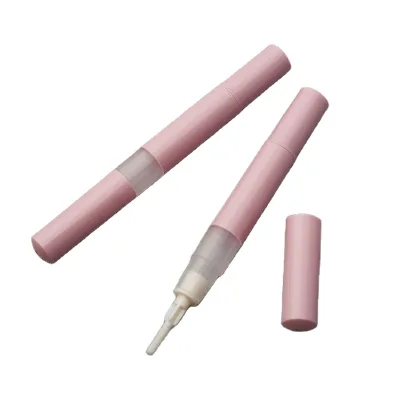
Compare 30 listings for the disposable cosmetic twist pen, ideal for cuticle oil, lip gloss, and nail care packaging. Options include 1ml to 3ml capacities with custom branding and plastic materials like ABS and PETG; compare the available evidence and request quotations based on your requirements.
Key considerations
Products List




Comprehensive Sourcing Guide
Disposable Cosmetic Twist Pen Sourcing Guide
Sourcing disposable cosmetic twist pens requires a careful balance between aesthetic customization and functional reliability, particularly for viscous formulations like cuticle oils, lip glosses, and nail nutrition serums. Buyers must prioritize containers that maintain structural integrity under pressure while offering a smooth dispensing mechanism that prevents clogging or leakage during transit. The market offers a variety of materials, including PETG, ABS, and PP, each providing distinct advantages in clarity, durability, and cost-efficiency. Understanding these material properties is essential for selecting the right packaging that aligns with brand positioning and product stability requirements.
Procurement teams should also evaluate the customization capabilities of potential suppliers, as branding plays a critical role in retail success. Many manufacturers support OEM services, allowing for custom colors, screen printing, and logo application to enhance shelf appeal. However, extensive customization can impact lead times and minimum order quantities, so it is vital to align design ambitions with production capacity. By verifying these operational details early in the sourcing process, buyers can avoid delays and ensure that the final packaging meets both aesthetic and functional expectations for their specific cosmetic lines.
Product Scope and Observed Listing Signals
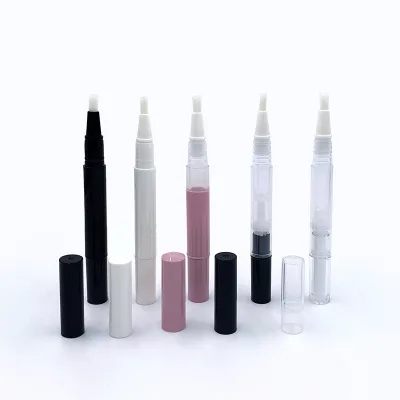
The observed product landscape for disposable cosmetic twist pens reveals a diverse range of specifications tailored to various personal care applications. Listings indicate capacities typically ranging from 1ml to 3ml, with some options extending up to 20ml, catering to concentrated treatments and larger volume products alike. Materials such as PETG, ABS, and PP are commonly cited, offering different levels of transparency and rigidity. These variations allow buyers to choose packaging that best protects light-sensitive ingredients or provides a premium feel through opaque or metallic finishes, ensuring the container complements the product’s intended use in skin care and beauty routines.
Commercial signals from current listings highlight significant variability in minimum order quantities and production timelines. While some suppliers offer low MOQs starting at 1,000 pieces, others require volumes up to 30,000 pieces, reflecting differences in manufacturing scale and flexibility. Lead times generally span from 15 to 25 days, depending on the complexity of customization and current factory workload. Additionally, the availability of free samples is a common practice, enabling buyers to assess quality before committing to large orders. These factors collectively influence procurement strategy, requiring careful negotiation to balance cost, speed, and volume requirements.
Technical Specifications to Verify
When evaluating technical specifications, the sealing mechanism and material composition are paramount for ensuring product integrity and user experience. Buyers should verify whether the twist pen utilizes a pump sprayer or an easy-open end design, as this affects dispensing precision and hygiene. The collar material, often made from ABS, must provide a secure fit to prevent leaks, while the main body material, whether PETG or PP, should be compatible with the cosmetic formulation to avoid chemical interactions. Confirming these details ensures that the packaging maintains its seal throughout the product’s shelf life and performs reliably under various environmental conditions.
Surface finishing and printing techniques also play a crucial role in the final product’s appearance and durability. Screen printing is a common method for applying logos and designs, but buyers should inquire about the ink’s resistance to scratching and fading. Additionally, the installation type, such as internal threaded connections, impacts the ease of assembly and the overall robustness of the container. Verifying these technical aspects helps prevent issues like misalignment or poor adhesion, ensuring that the packaging not only looks professional but also functions seamlessly in retail and consumer settings.
Compliance and Safety Documentation
Ensuring that cosmetic packaging complies with relevant safety and regulatory standards is a critical step in the sourcing process. Buyers must request documentation confirming that materials used, such as PETG, ABS, and PP, are food-grade or cosmetic-grade safe, free from harmful substances like BPA or phthalates. Certifications such as ISO can indicate a supplier’s commitment to quality management systems, but it is essential to verify the specific scope of these certifications. This due diligence helps mitigate risks associated with product contamination and ensures that the packaging meets international safety requirements for personal care products.
In addition to material safety, buyers should assess the supplier’s adherence to environmental regulations, especially if sustainability is a brand priority. While the provided facts do not specify biodegradability, understanding the recyclability of the chosen materials is important for compliance with evolving waste management laws. Requesting test reports or material safety data sheets (MSDS) can provide further assurance that the packaging components meet stringent health and safety criteria. This proactive approach to compliance protects the brand from potential legal issues and enhances consumer trust in the product’s safety and quality.
Cost Drivers and Commercial Terms
Several factors influence the total cost of disposable cosmetic twist pens, with material selection and customization complexity being primary drivers. Premium materials like PETG may incur higher costs compared to standard PP, while intricate screen printing or custom color matching can add to the unit price. Buyers should also consider the impact of minimum order quantities on pricing, as larger volumes often result in more favorable per-unit costs. Understanding these cost dynamics allows for more accurate budgeting and helps in negotiating favorable terms that align with the project’s financial constraints and volume expectations.
Commercial terms, including lead times and payment conditions, significantly affect the overall procurement strategy. Suppliers with higher daily capacities, such as 50,000 pieces, may offer faster turnaround times, which is crucial for meeting tight launch deadlines. However, these benefits may come with stricter MOQs or less flexibility for last-minute changes. Buyers should clarify packing details, such as export carton specifications, to ensure efficient logistics and minimize damage during shipping. Establishing clear agreements on these terms helps prevent unexpected costs and ensures a smooth supply chain operation from order placement to delivery.
Supplier Qualification and Quality Control
Evaluating supplier qualifications is essential for ensuring consistent quality and reliable delivery of cosmetic packaging. Buyers should verify the supplier’s production capabilities, including their daily capacity and experience with similar products, to gauge their ability to meet volume demands. Requesting references or case studies can provide insights into their track record with other cosmetic brands. Additionally, assessing their quality control processes, such as in-line inspections and final product testing, helps ensure that every batch meets the specified standards for durability, appearance, and functionality.
Implementing a robust quality control plan is crucial for maintaining product integrity throughout the supply chain. Buyers should define clear acceptance criteria for defects, such as scratches, misalignments, or printing errors, and communicate these expectations to the supplier. Conducting pre-shipment inspections or third-party audits can provide an additional layer of assurance, identifying potential issues before the goods are dispatched. By establishing strong supplier relationships and rigorous quality checks, buyers can minimize the risk of receiving substandard products and ensure that their cosmetic lines are packaged in high-quality, reliable containers.
Long-Term Procurement Checks
Long-term procurement success depends on continuous monitoring of supplier performance and market trends. Buyers should regularly review key performance indicators, such as on-time delivery rates, defect percentages, and responsiveness to issues, to identify areas for improvement. Maintaining open communication with suppliers facilitates collaborative problem-solving and fosters a partnership focused on mutual growth. Additionally, staying informed about advancements in packaging materials and technologies can help buyers identify opportunities for innovation, such as more sustainable options or enhanced dispensing mechanisms, keeping their product offerings competitive in the evolving cosmetic market.
Adapting to changing regulatory landscapes and consumer preferences is also vital for long-term sustainability. Buyers should periodically reassess their packaging choices to ensure compliance with new environmental regulations and shifting consumer demands for eco-friendly solutions. This may involve exploring alternative materials or redesigning packaging to reduce waste and improve recyclability. By proactively addressing these factors, buyers can future-proof their supply chain, reduce risks associated with regulatory changes, and enhance their brand’s reputation for responsibility and innovation in the cosmetic industry.
FAQs
What materials are used for the cosmetic twist pen?
The cosmetic twist pen is constructed from plastic materials including PETG, ABS, and PP. These materials ensure durability and safety for personal care products. The collar specifically uses ABS plastic, while the cap is also made of plastic to match the overall design requirements for cosmetic packaging applications.
Can I get free samples for the cosmetic twist pen?
Yes, free samples are available for the cosmetic twist pen upon request. This allows buyers to verify quality before placing a bulk order. The supplier provides these samples freely to facilitate the evaluation process for potential clients interested in customizing their cosmetic packaging solutions.
What is the minimum order quantity for this pen?
The minimum order quantity for the cosmetic twist pen is 1000 pieces. Some listings indicate a higher threshold of 10000 pieces depending on specific customization needs. Buyers should confirm the exact MOQ with the supplier to ensure their order meets the production requirements for the selected model.
How long does it take to produce the cosmetic pen?
The lead time for producing the cosmetic twist pen ranges from 15 to 25 days. This duration depends on the specific order volume and customization requirements. Buyers should plan their procurement schedule accordingly to account for the manufacturing timeline required to complete their cosmetic packaging orders.
Which certifications does the cosmetic bottle hold?
The cosmetic twist pen holds ISO certification, ensuring it meets international quality standards. This certification applies to the manufacturing process and the final product quality. Buyers can rely on this standard when sourcing packaging for cosmetics and personal care products that require verified safety and quality compliance.
Can the color and logo be customized for the pen?
Yes, both the color and logo can be customized for the cosmetic twist pen. Buyers can choose from colors like white, black, silver, and gold. The supplier offers OEM services with custom printing options, allowing brands to create unique packaging that aligns with their specific identity and marketing strategies.
What is the capacity of the cosmetic twist pen?
The cosmetic twist pen is available in capacities such as 1ml, 3ml, 10ml, 15ml, and 20ml. The 3ml model is specifically noted for use with cuticle oil or lip gloss. These volume options cater to various cosmetic applications, ensuring the packaging fits the specific product type and usage requirements of the buyer.