Hard Enamel Casting Nameplate Suppliers and Manufacturers
Compare 18 verified suppliers offering Hard Enamel Casting Nameplate with ODM and OEM capabilities. Review response times, lead times, and certifications like ISO9001:2015 to select a factory in China Guangdong. Request samples to verify product quality and customization options.
Updated
Suppliers List

Dongguan Haixinda Nameplate Technology Co., Ltd.
- Manufacturer
- China Guangdong
- Lead time15 days
- Avg. response≤ 7h
Main productsNameplate, Label, Sticker, Badge, Epoxy Dome Label, Car Logo Badge, Headphone Logo
Main marketsSouth America,Europe,Australia,North America

Custom Cheap Zinc Alloy Metal Label Luxury Surface Brushed Hard Metal Nameplate
$0.20 - $1.20
MOQ: 500 Pieces

China Factory Chain Brushed Hard Metal Nameplate Zinc Alloy Private Custom Metal Nameplate
$0.20 - $1.20
MOQ: 500 Pieces

Global Custom Round Shape Aluminum Metal Nameplate Punched Brushed Hard Metal Nameplate
$0.20 - $1.20
MOQ: 500 Pieces

OEM Custom Die-Cast Zinc Alloy Logo Label Filled with Paint Metal Chamfered Mirror Surface Nameplate
$0.30 - $1.20
MOQ: 500 Pieces


Global Custom Die-Casting Zinc Alloy Metal Nameplate Full-Color Printing Cartoon Metal Nameplate
$0.20 - $1.20
MOQ: 500 Pieces

SHENZHEN YANMING PLATE PROCESS CO., LTD.
- Manufacturer
- China Guangdong
- Lead time15 days
- Avg. response≤ 6h
Main productsMetal Etching, Speaker Grill, Chemical Netching, Metal Nameplate, Stainless Steel Etching, Ceiling Speaker, Graphic Overlay, Photo Etching
Main marketsEast Asia(Japan/ South Korea),Europe,North America

- Verified by CTI
- Trading Company
- China Zhejiang
- Lead time23 days
- Avg. response≤ 3h
Main marketsSouth America,Europe,Australia,North America


Long Lasting Industrial Nameplate with Fine Detail Etched Stainless Steel Name Plates
$0.10 - $0.95
MOQ: 200 Pieces

High-Yield Factory Environmentally Friendly Production Mode Bespoke Size Metal Nameplate
$0.09 - $0.85
MOQ: 200 Pieces

Cangnan Jiahe Craft & Gift Factory
- Manufacturer, Trading Company
- Zhejiang, China
- Lead time10 days
- Avg. response≤ 2h
Main productslicense plate,metal nameplate,aluminum nameplate,certificate holder,metal logo nameplate
Main marketsEastern Europe(18.00%), North America(18.00%), Southeast Asia(16.00%), South America(15.00%), Africa(8.00%), Northern Europe(7.00%), Oceania(6.00%), Western Europe(3.00%), Eastern Asia(3.00%), Mid East(2.00%), Central America(2.00%), South Asia(1.00%), Southern Europe(1.00%)
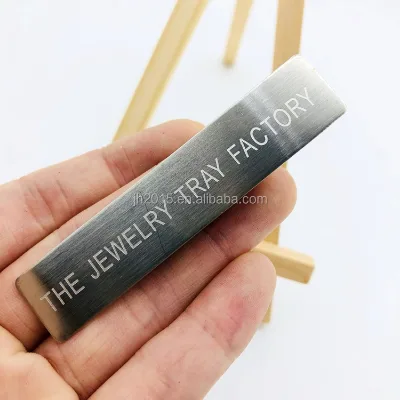
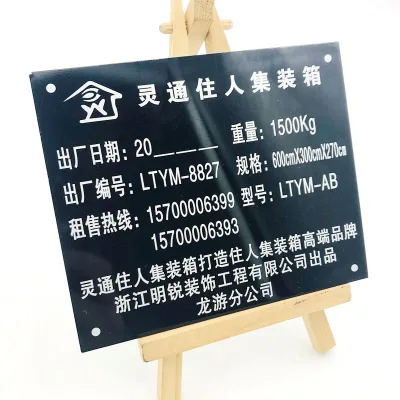
$0.10 - $0.30
MOQ: 500 pieces
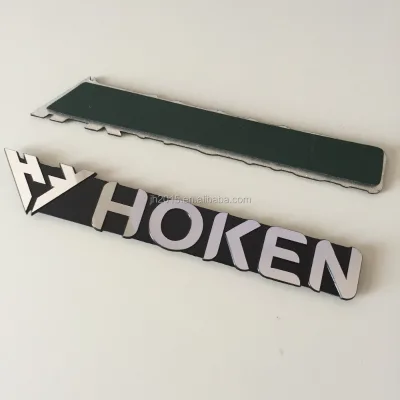
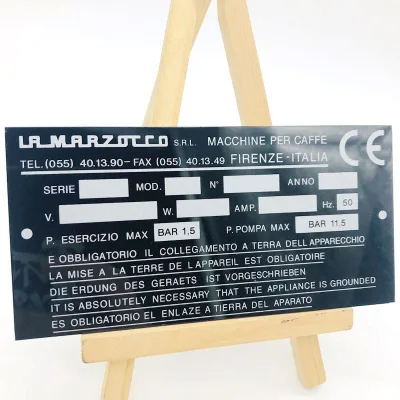
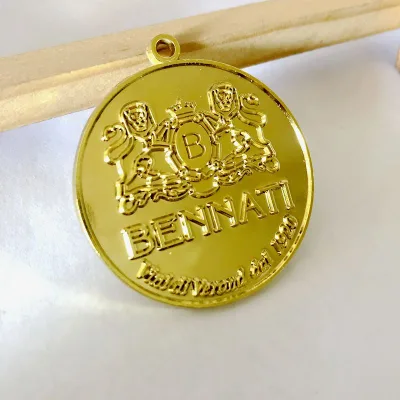
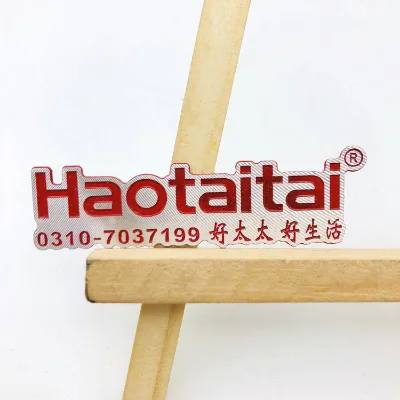
Shenzhen Haixinda Nameplate Co., Ltd.
- Verified by SGS Group
- Manufacturer, Trading Company
- Lead time10 days
- Avg. response≤ 4h
Main productsAluminum Nameplate, Metal Sticker, Stainless Steel Nameplate, Plastic label, Panel
Main marketsDomestic Market(45%), Southeast Asia(13%), Eastern Europe(11%)
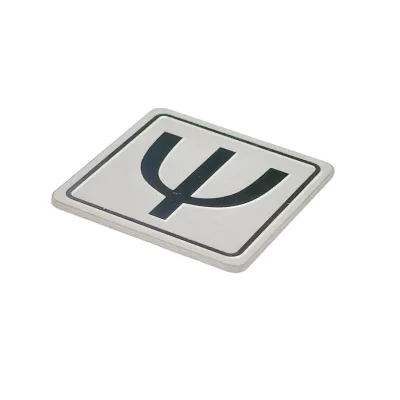
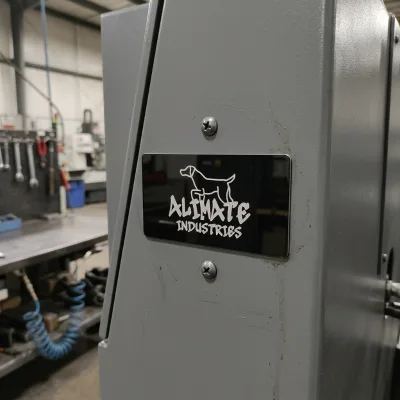
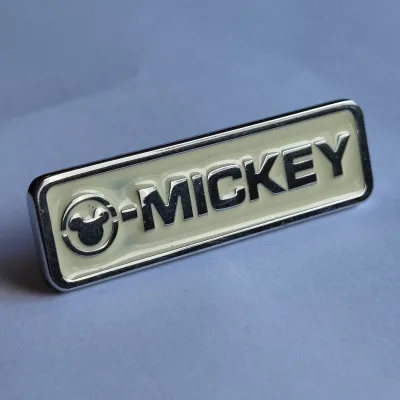
Customized Die Casting Embossed 3D Logo Zinc Alloy Nameplate with Flexible Metal Buckle
$0.205 - $0.8198
MOQ: 300 Minimum
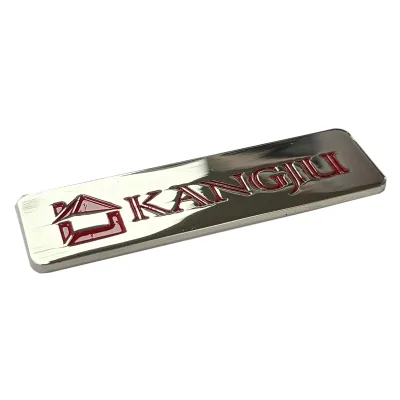
Custom Zinc Alloy Nameplate Metal Die-cast Hardware Tag Painting Red Logo Label
$0.20 - $1.20
MOQ: 500 Minimum
- Manufacturer, Trading Company
- Zhejiang, China
- Lead time7 days
- Avg. response≤ 7h
Main productsName badge,Medal,Keychain,Badge,Sign
Main marketsWestern Europe(20.00%), North America(20.00%), South America(15.00%), Eastern Europe(10.00%), Central America(5.00%), Southern Europe(5.00%), Northern Europe(5.00%), Domestic Market(5.00%), Oceania(5.00%), South Asia(4.00%), Southeast Asia(3.00%), Eastern Asia(2.00%), Mid East(1.00%)
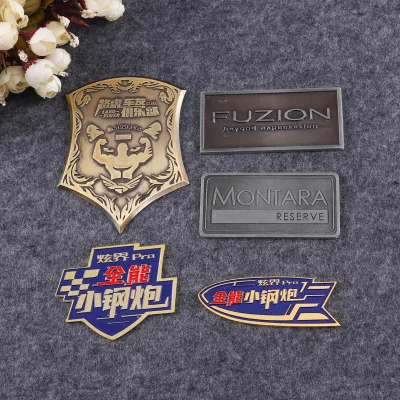
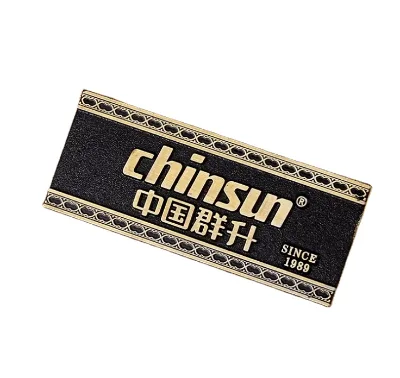
Metal Stamping Name Plate Metal Zinc Alloy Nameplate
$0.92 - $1.00
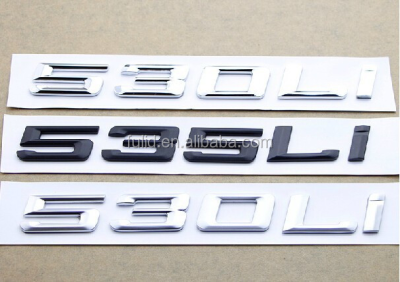
Plastic ABS Nameplate, Plastic Chrome Nameplate, Plastic ABS Nickel Plating Nameplate
$0.20 - $0.70
MOQ: 1000 Minimum

Qingdao Jinchuan Machinery Co., Ltd.
- Verified by TUVRHEINLAND
- Manufacturer/Factory
- China Shandong
- Lead time0 days
- Avg. response≤ 2h
Main productsForging, Casting, Forging Part, Casting Part, Die Casting Part, Investment Casting Part, Machining Parts, Machinery Part, Stamping Part, Hot Forging


Customized Various Metal Nameplates with Precise Laser Cutting and Precision Casting Services
$1.00 - $2.00
MOQ: 10 pieces

Hangzhou Ruijia Technology Co., Ltd.
- Verified by BV
- Trading Company
- China Zhejiang
- Lead time30 days
- Avg. response≤ 2h
Main marketsSouth America,Southeast Asia/ Mideast,Europe,Australia,North America

$0.10 - $0.80
MOQ: 500 Pieces

Premium Brass Engraved Rustproof Metal Nameplate for House Door Metal Nameplate
$0.10 - $0.80
MOQ: 500 Pieces


$0.10 - $0.80
MOQ: 500 Pieces


Dongguan Changping Wande Hardware Firm
- Trading Company
- Guangdong, China
- Lead time0 days
- Avg. response≤ 4h
Main productssolid perfume,balm,blush,lip scrub,lip balm
Main marketsMid East(20.00%), Southeast Asia(20.00%), Eastern Europe(20.00%), Eastern Asia(20.00%), Central America(10.00%), North America(10.00%)

Qingdao Risheng Sign Co., Ltd.
- Combined
- China Shandong
- Lead time23 days
- Avg. response≤ 3h
Main productsNameplate
Main marketsDomestic

Custom Metal Badge Name Plate Engraved Plate Stamping Name Plate Nameplate
$0.01 - $0.90
MOQ: 1 Pieces


Machinery and Equipment Stainless Steel Nameplate Custom Metal Equipment Nameplate
$0.10 - $1.00
MOQ: 1 Pieces

- Verified by Intertek
- Trading Company
- Lead time14 days
- Avg. response≤ 2h
Main productsLapel Pin, Key Chain, Medal, Coin, Metal Plates
Main marketsNorth America(40%), Mid East(30%), Oceania(5%)

Ningbo Suijin Machinery Technology Co., Ltd.
- Verified by CTI
- Combined
- China Zhejiang
- Lead time30 days
- Avg. response≤ 8h
Main productsInvestment Casting Parts, Precision Casting Parts, Machining Parts, Auto Parts, Industry Parts, Building Parts, Marine Hardware, Valve/Pump Parts
Main marketsSoutheast Asia/ Mideast,Europe

Stainless Steel Casting China Factory Adaptable High-Quality Functional Nameplate
$0.80 - $1.30
MOQ: 1000 Pieces


Dongguan Jmny Craft & Gift Co., Ltd.
- Trading Company
- Guangdong, China
- Lead time10 days
- Avg. response≤ 4h
Main productsMetal Crafts,Plastic Crafts,Wooden Crafts,Promotional Gifts,Apparel and Textiles
Main marketsNorth America(23.80%), Western Europe(20.50%), Domestic Market(10.00%), Southern Europe(9.50%), South America(8.90%), Oceania(5.50%), Central America(5.30%), Eastern Asia(3.80%), Eastern Europe(3.00%), Northern Europe(2.50%), Mid East(2.30%), South Asia(2.20%), Africa(1.50%), Southeast Asia(1.20%)
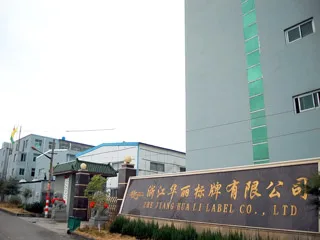
Zhejiang Huali Label Co., Ltd.
- Manufacturer, Trading Company
- Zhejiang, China
- Lead time15 days
- Avg. response≤ 4h
Main productsAluminum Label,Logo,Nameplate,Label,Badge
Main marketsDomestic Market(65.00%), Southeast Asia(8.00%), Eastern Europe(7.00%), Mid East(6.00%), North America(3.00%), Oceania(3.00%), Southern Europe(3.00%), Western Europe(2.00%), South America(1.00%), Africa(1.00%), Northern Europe(1.00%)
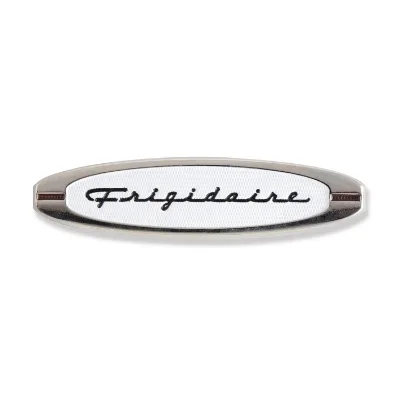
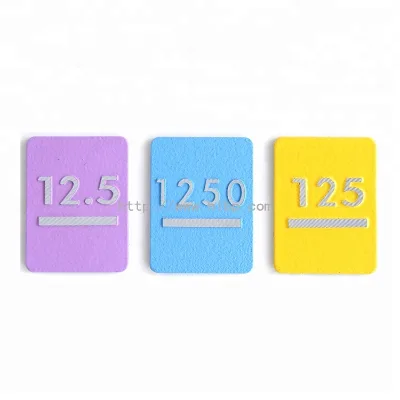
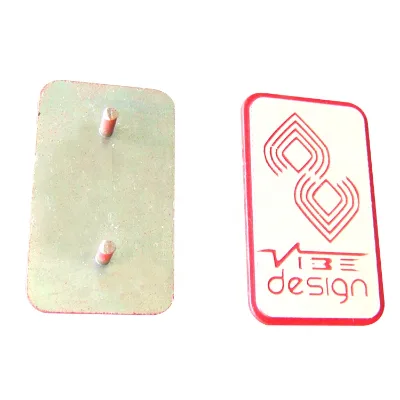
$0.15 - $1.00
MOQ: 1000 pieces

Xiamen Mingcai Electronic Technology Co., Ltd.
- Combined
- China Fujian
- Lead time15 days
- Avg. response≤ 2h
Main productsMembrane Switch, Membrane Keyboards, Industrial Nameplate, Metal Badge, Screen Printing Graphic Overlays, Touch Panel
Main marketsSouth America,Africa,Southeast Asia/ Mideast,East Asia(Japan/ South Korea),Europe,Australia,North America
Wenzhou Xinyue Crafts Co., LTD
- Manufacturer
- zhejiang, China
- Lead time15 days
- Avg. response≤ 1h
Main productsMetal Business Cards,Metal Tags,Pins & Badges,Bookmarks,Souvenir Coins
Main marketsEastern Europe(15.00%), North America(15.00%), Mid East(10.00%), Northern Europe(10.00%), Eastern Asia(9.00%), Western Europe(8.00%), Southern Europe(7.00%), South Asia(7.00%), South America(7.00%), Domestic Market(5.00%), Central America(3.00%), Oceania(2.00%), Africa(1.00%), Southeast Asia(1.00%)
- Manufacturer, Trading Company
- Zhejiang, China
- Lead time15 days
- Avg. response≤ 9h
Main productswine label,car badge,metal label,bottle cap,medal badge
Main marketsEastern Europe(28.00%), Western Europe(20.00%), North America(18.00%), Oceania(8.00%), Central America(8.00%), Domestic Market(5.00%), Southeast Asia(5.00%), Mid East(5.00%), Africa(2.00%), South Asia(1.00%)

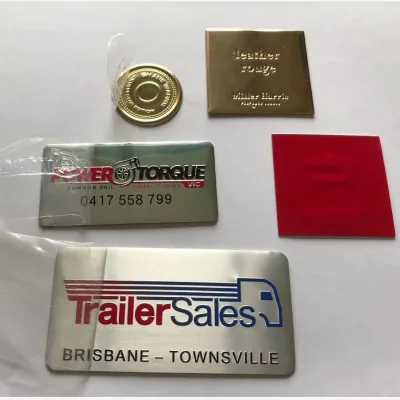
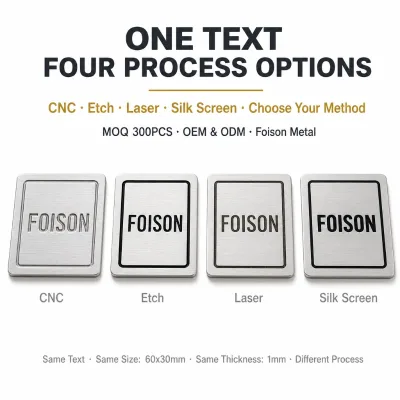
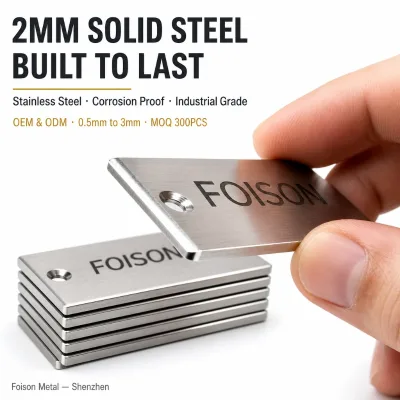
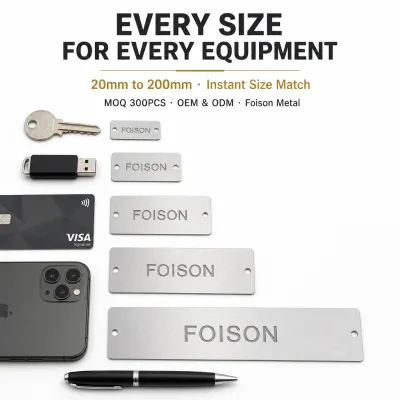
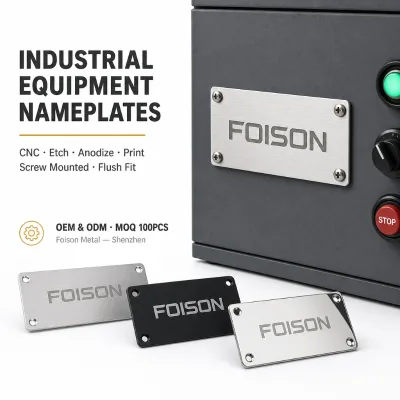
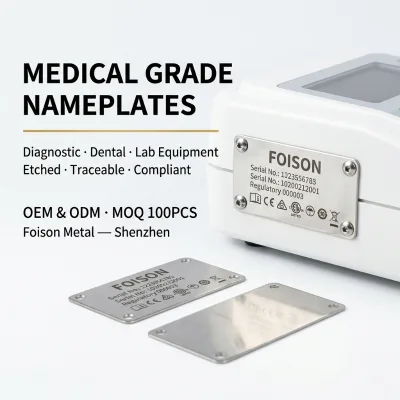
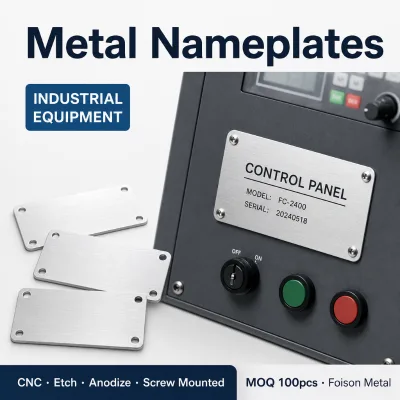
Shenzhen Foison Metal Co., Ltd.
- Manufacturer
- Guangdong, China
- Lead time15 days
- Avg. response≤ 8h
Main productsMetal Cards,Metal Labels,Aluminum Nameplate,Metal asset tag,metal badge&medal
Main marketsNorth America(35.00%), Domestic Market(30.00%), Southeast Asia(15.00%), Mid East(5.00%), Southern Europe(5.00%), Northern Europe(5.00%), Western Europe(5.00%)




Comprehensive Sourcing Guide
Hard Enamel Casting Nameplate Supplier Concentration and Factory Types
The current supplier landscape for hard enamel casting nameplates reveals a distinct concentration of manufacturing capabilities within specific industrial regions, with China Guangdong emerging as a primary hub for this specialized production. This geographic clustering is not arbitrary but reflects the mature supply chain infrastructure required for metal casting, surface finishing, and precision machining. Buyers evaluating potential partners should recognize that suppliers located in this region often possess integrated facilities capable of handling the entire lifecycle of nameplate production, from initial die-casting to final polishing and enamel filling. The presence of numerous manufacturers in this area suggests a competitive environment where economies of scale can drive down unit costs, particularly for high-volume orders. However, this concentration also means that buyers must carefully distinguish between true factories and trading companies that may simply be reselling goods from these local workshops. Understanding the local ecosystem allows buyers to better assess the authenticity of a supplier’s claims regarding production capacity and quality control measures.
Factory types in this sector vary significantly in their operational focus and technical capabilities, ranging from pure OEM providers to those offering comprehensive ODM services. Many suppliers in the current results identify themselves as manufacturers with robust R&D capacities, indicating they can handle custom designs and proprietary specifications rather than just producing generic stock items. This distinction is crucial for buyers seeking unique branding solutions, as it implies the supplier has the engineering expertise to translate complex design files into physical metal products. Some factories specialize in specific materials like zinc alloy or aluminum, leveraging their expertise in die-casting techniques to produce durable and aesthetically pleasing nameplates. Others may focus on post-processing techniques such as acid etching or chemical etching, which offer different textural and visual outcomes compared to traditional casting. By identifying the specific factory type that aligns with their product requirements, buyers can streamline their sourcing process and avoid mismatches in technical expectations.
How to Verify Hard Enamel Casting Nameplate Suppliers
Verifying the legitimacy and capability of a Hard Enamel Casting Nameplate supplier requires a multi-layered approach that goes beyond surface-level marketing claims. One of the most critical steps is to validate the supplier’s stated certifications, such as ISO9001:2015 or ISO14001:2015, which indicate adherence to international quality and environmental management standards. Buyers should request copies of these certificates and verify their validity through the issuing bodies, ensuring that the certification covers the specific manufacturing processes relevant to nameplate production. Additionally, examining the supplier’s main product listings can provide insight into their technical proficiency; a diverse range of metal crafts, including nameplates, badges, and labels, suggests a versatile manufacturing base. However, buyers must be cautious of suppliers who list unrelated products, as this may indicate a lack of specialization. Cross-referencing the supplier’s claimed capabilities with their actual product portfolio helps in assessing whether they have the necessary machinery and expertise to deliver high-quality hard enamel casting results.
Another essential verification step involves assessing the supplier’s responsiveness and communication efficiency, which are strong indicators of their operational maturity. The response time metric, which can vary significantly between suppliers, offers a preliminary gauge of how quickly a potential partner can address inquiries and provide necessary documentation. A faster response time often correlates with a more organized internal workflow and a higher likelihood of timely project execution. Buyers should also inquire about the supplier’s sample production process, including sample lead times and costs, to understand their flexibility and commitment to quality assurance. Requesting physical samples before committing to a large order allows buyers to evaluate the actual finish, durability, and accuracy of the hard enamel casting. Furthermore, verifying the supplier’s location and facility details through third-party inspections or video tours can provide tangible evidence of their manufacturing capabilities, reducing the risk of engaging with fraudulent or non-existent entities.
What to Compare Across Hard Enamel Casting Nameplate Suppliers
When evaluating multiple suppliers for hard enamel casting nameplates, buyers must systematically compare key operational metrics to identify the most suitable partner for their specific needs. Lead time is a critical factor, as it directly impacts inventory management and product launch schedules. Suppliers may offer varying lead times, ranging from standard production cycles to expedited options for urgent orders, so buyers should clarify these timelines during the initial negotiation phase. Similarly, the minimum order quantity (MOQ) is a significant consideration, especially for small to medium-sized businesses. Some suppliers may have low MOQs to accommodate smaller orders, while others might require higher volumes to justify the setup costs associated with die-casting and enamel filling. Understanding these thresholds helps buyers align their procurement strategy with their budget and sales projections, avoiding unnecessary inventory buildup or production delays.
Price and customization options are also pivotal dimensions for comparison, as they influence the overall cost-effectiveness and brand alignment of the final product. Buyers should request detailed quotations that break down costs for materials, labor, and finishing processes, allowing for a transparent comparison across suppliers. While some suppliers may offer competitive base prices, others might provide better value through additional services such as free design assistance or premium packaging. Customization capabilities, including the ability to produce custom shapes, colors, and logos, should be thoroughly evaluated to ensure the supplier can meet the buyer’s branding requirements. Additionally, comparing the supplier’s main product offerings can reveal their specialization; a supplier focusing primarily on metal nameplates and badges may offer higher quality and more consistent results than a generalist manufacturer. By meticulously comparing these factors, buyers can make informed decisions that balance cost, quality, and service.
Common Hard Enamel Casting Nameplate Sourcing Risks
Sourcing hard enamel casting nameplates from overseas manufacturers introduces several potential risks that buyers must proactively manage to ensure successful procurement outcomes. One of the most significant risks is quality inconsistency, particularly in the enamel filling and polishing processes. Variations in temperature, material composition, or technician skill can lead to defects such as chipping, discoloration, or uneven surfaces, which can compromise the aesthetic appeal and durability of the nameplates. Buyers should mitigate this risk by establishing clear quality standards and conducting rigorous pre-shipment inspections. Requesting detailed photos or videos of the production process and finished goods can provide early warning signs of potential issues. Additionally, implementing a robust quality control protocol, including random sampling and stress testing, helps ensure that the final products meet the buyer’s specifications and performance expectations.
Another common risk is communication breakdown and cultural misunderstandings, which can lead to errors in design interpretation or order fulfillment. Language barriers and differing business practices may result in misaligned expectations regarding product specifications, packaging requirements, or delivery schedules. To minimize this risk, buyers should maintain clear and documented communication channels, using written confirmations for all critical details. Employing professional translation services or hiring local agents can also facilitate smoother interactions and reduce the likelihood of misunderstandings. Furthermore, buyers should be cautious of suppliers who are unwilling to provide references or case studies from previous clients, as this may indicate a lack of experience or reliability. By anticipating these risks and implementing appropriate mitigation strategies, buyers can protect their interests and ensure a smoother sourcing experience.
Hard Enamel Casting Nameplate Regional Sourcing and Logistics
Regional sourcing decisions for hard enamel casting nameplates are heavily influenced by logistical considerations, including shipping costs, transit times, and import regulations. Suppliers located in China Guangdong, for instance, benefit from well-established export infrastructure and proximity to major ports, which can facilitate efficient and cost-effective shipping to global markets. Buyers should evaluate the supplier’s experience with international logistics, including their ability to handle customs clearance and provide necessary documentation such as commercial invoices and packing lists. Understanding the specific shipping terms, such as FOB or CIF, is crucial for determining who bears the responsibility and cost for transportation and insurance. Additionally, buyers should consider the impact of seasonal fluctuations and peak shipping periods on transit times, planning their orders accordingly to avoid delays.
Logistics planning also involves assessing the supplier’s packaging capabilities to ensure that the nameplates arrive in pristine condition. Hard enamel casting nameplates are susceptible to damage during transit if not properly protected, so buyers should inquire about the supplier’s packaging methods, such as the use of cushioning materials, sturdy cartons, and palletization. Custom packaging solutions may be available for buyers with specific branding or protection requirements, but these often come at an additional cost. Buyers should also consider the environmental impact of packaging materials and whether the supplier offers sustainable options. By carefully planning the logistics and packaging aspects of their sourcing strategy, buyers can minimize the risk of damage and ensure that their products reach their destination in optimal condition, enhancing customer satisfaction and brand reputation.
Hard Enamel Casting Nameplate Commercial Terms and Order Planning
Commercial terms and order planning are foundational elements of a successful sourcing relationship for hard enamel casting nameplates, requiring careful negotiation and strategic foresight. Payment terms, such as deposits and balance payments, should be clearly defined and aligned with the buyer’s cash flow management strategies. Buyers should also explore the availability of secure payment methods, such as escrow services, which can provide an additional layer of protection against fraud and non-delivery. Understanding the supplier’s refund and return policies is equally important, as it outlines the recourse available in case of quality issues or order discrepancies. Buyers should negotiate terms that are fair and balanced, ensuring that both parties have clear obligations and expectations.
Order planning involves coordinating production schedules, inventory levels, and market demand to ensure a smooth supply chain operation. Buyers should provide accurate forecasts and update them regularly to help suppliers plan their production runs and material procurement. Flexibility in order quantities and delivery schedules can also be beneficial, allowing buyers to adjust their orders in response to changing market conditions. Additionally, buyers should establish a long-term partnership strategy with their chosen suppliers, focusing on continuous improvement and mutual growth. This may include joint product development initiatives, volume discounts, or priority production slots. By treating their sourcing relationship as a strategic partnership rather than a transactional exchange, buyers can secure better terms, improved quality, and greater reliability in their supply of hard enamel casting nameplates.
FAQs
What is the typical lead time for custom nameplates?
Manufacturers generally require 15 days for standard production runs. Some suppliers offer faster delivery within 10 to 15 days after sample approval. Buyers should confirm specific timelines based on order volume and customization complexity before placing bulk orders.
What is the minimum order quantity for metal nameplates?
Minimum order quantities typically start at 500 pieces for basic metal nameplates. Some suppliers require a higher MOQ of 1000 pieces for specific etched or die-cast products. Buyers should verify the exact threshold with the supplier based on the chosen material and design.
What materials are used for hard enamel nameplates?
Common materials include zinc alloy, aluminum, and stainless steel. Zinc alloy allows for detailed die-casting, while aluminum offers lightweight durability. Stainless steel provides high corrosion resistance. Buyers can choose materials based on the intended application, whether indoor or outdoor use.
Are custom designs available for metal nameplates?
Yes, customization is widely available for shape, color, and design. Suppliers offer OEM and ODM services to create unique logos and branding. Buyers can request specific finishes like brushed, glossy, or antique styles to match their product aesthetics and brand identity requirements.
What certifications do nameplate manufacturers hold?
Many manufacturers hold ISO9001:2015 and ISO14001:2015 certifications. These ensure quality management and environmental standards are met during production. Buyers should request valid certificates to verify compliance with international standards and ensure consistent product quality for their specific sourcing needs.
What is the price range for metal nameplates?
Prices typically range from $0.10 to $1.20 per piece. Costs vary based on material, size, and customization complexity. Bulk orders often reduce unit prices. Buyers should request detailed quotes to understand pricing structures and potential discounts for larger volume purchases.