Source Double Wheel Bench Grinder for Metal, Wood, and Steel
Compare 30 Double Wheel Bench Grinder options from verified Chinese suppliers. Buyers can evaluate specifications like motor power, wheel size, and voltage to find the right tool for general purpose grinding and cut-off operations; compare the available evidence and request quotations based on your requirements.
Updated
Key considerations
Products List

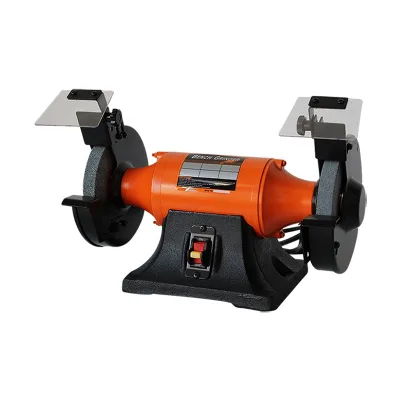
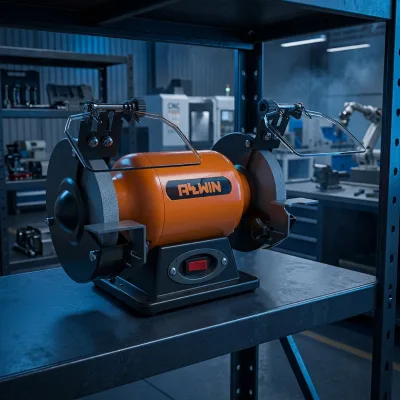
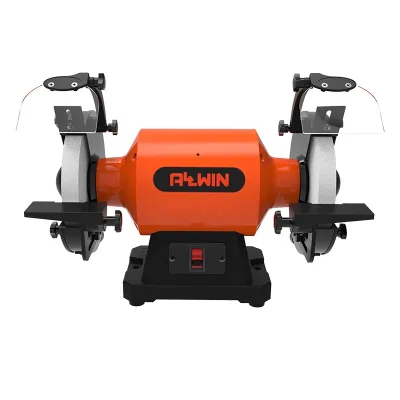


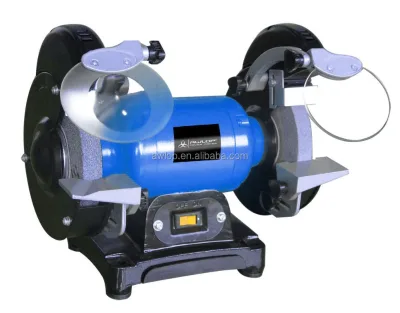
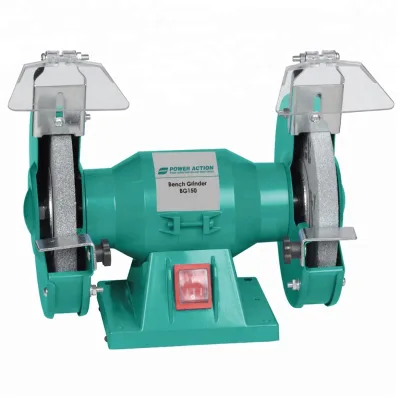
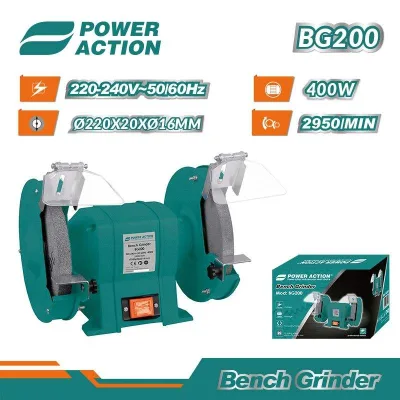
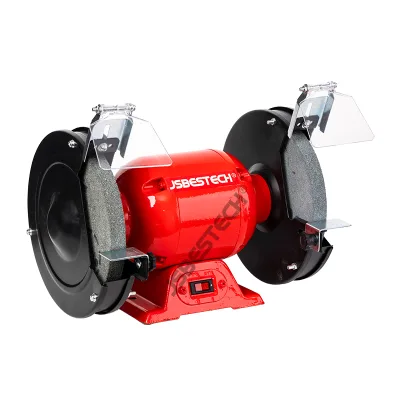
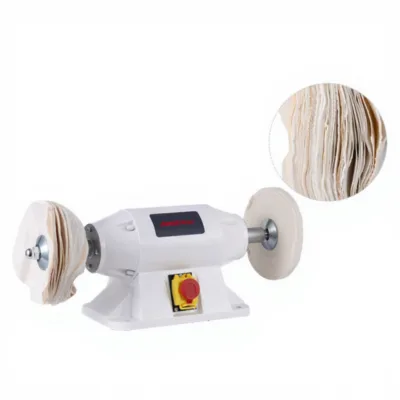


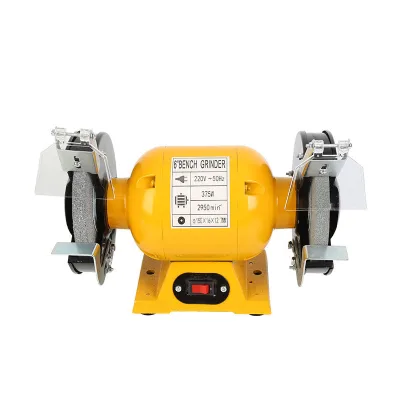
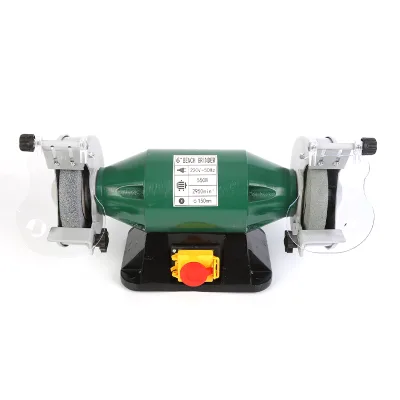
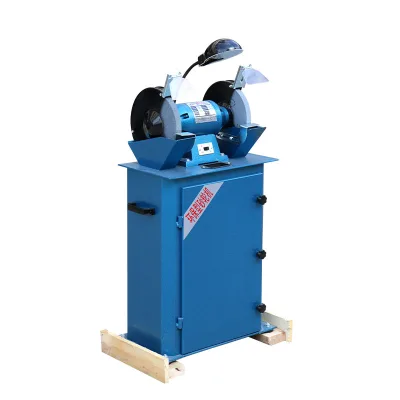
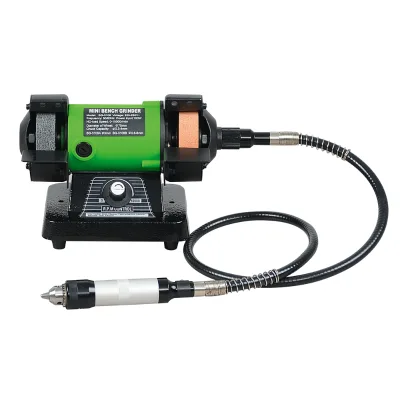
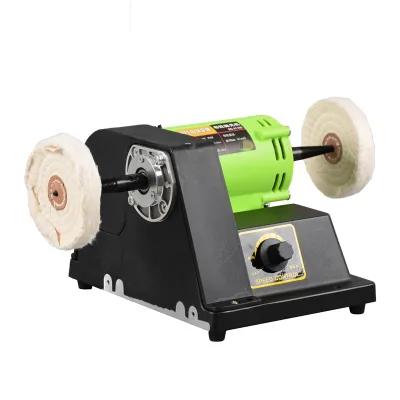
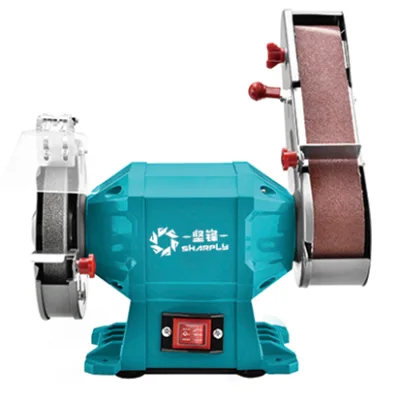
Comprehensive Sourcing Guide
Double Wheel Bench Grinder Sourcing Guide
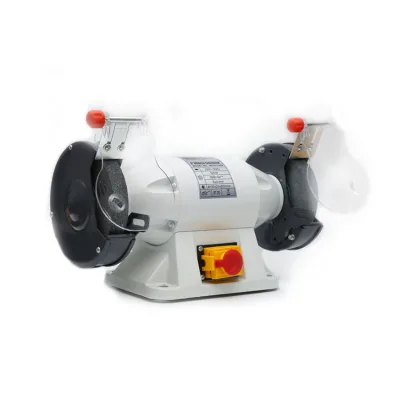
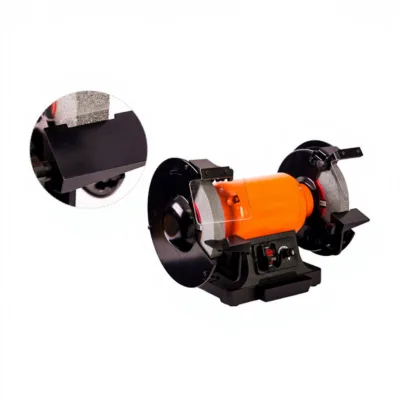
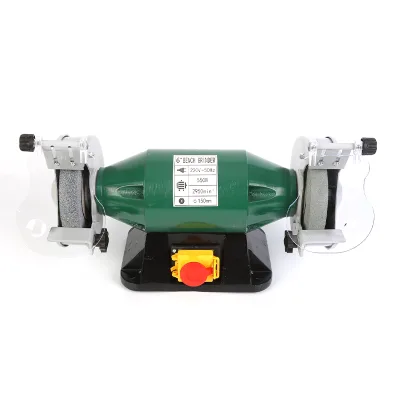
Sourcing double wheel bench grinders requires careful attention to technical specifications and supplier capabilities. These tools are essential for general-purpose grinding and cutting tasks in industrial and DIY settings. Buyers must verify power ratings, wheel sizes, and voltage compatibility to ensure the equipment meets their operational needs. The market offers various models with different customization options, including OEM, ODM, and OBM support.
Procurement decisions should be guided by observed listing signals and product attributes. Key factors include motor speed, wheel grit, and base material construction. Buyers should also consider dust management features and warranty terms. Understanding these elements helps in selecting the right grinder for specific applications, ensuring efficiency and safety in the workplace.
Product Scope and Observed Listing Signals
The observed product range includes bench grinders with power ratings from 0.18 to 1.1 kW, catering to diverse industrial and professional needs. Prices vary significantly, ranging from $12.8 to $1090, reflecting differences in build quality, brand, and features. Minimum order quantities (MOQ) span from 1 to 500 units, offering flexibility for both small-scale and bulk procurement. These variations allow buyers to align purchases with their budget and volume requirements.
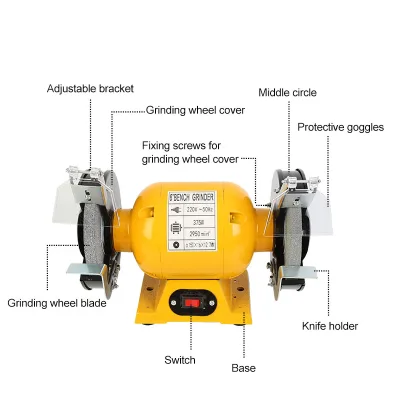
Product attributes highlight key specifications such as wheel sizes of 150mm and shaft sizes of 12.7mm. Some models feature cast iron bases for stability, while others offer customized colors and packing options. Dust management is included in some units but absent in others, impacting workplace cleanliness. Buyers should carefully review these details to ensure the selected grinder aligns with their operational environment and safety standards.
Technical Specifications to Verify
Motor speed and power source are critical technical parameters to verify. Observed speeds include 2800/2840 R/Min and 2980 rpm, with power options of 150W, 250W, and up to 1.1 kW. Voltage compatibility is essential, with options for 220V, 230-240V, and 380V, supporting single-phase and three-phase systems. Buyers must confirm these specifications match their facility’s electrical infrastructure to avoid operational disruptions.
Wheel grit and thickness also influence performance. Common grits include 36#, 60#, and 120#, with wheel thicknesses of 20mm and 25mm. The base material, often cast iron, provides durability and stability during use. Buyers should verify these attributes to ensure the grinder meets their specific grinding and cutting requirements, optimizing efficiency and tool longevity.
Compliance and Safety Documentation
Certifications such as ISO9001 and CE are critical for ensuring product quality and safety. Buyers should verify that suppliers hold these certifications to guarantee adherence to international standards. Compliance with safety standards reduces the risk of accidents and ensures the equipment meets regulatory requirements in the buyer’s region. Documentation should be readily available and up-to-date.
Safety features like dust management systems and proper wheel guards are essential for workplace safety. Buyers should confirm the inclusion of these features to protect operators from hazards. Additionally, warranty terms, typically one year, provide assurance against defects. Verifying these aspects ensures the grinder is safe, reliable, and compliant with industry regulations.
Cost Drivers and Commercial Terms
Cost drivers include power ratings, wheel specifications, and customization options. Higher power ratings and specialized features, such as OEM support, increase costs. Buyers should balance these factors with their budget and operational needs. Observed MOQs range from 1 to 500 units, allowing flexibility for different procurement scales. Understanding these drivers helps in negotiating favorable terms.
Commercial terms such as packing size, weight, and lead times impact logistics and inventory management. Standard packing and dimensions like 505295285mm are common, affecting shipping costs. Buyers should consider these details when planning procurement. Clear communication with suppliers regarding terms ensures transparency and avoids unexpected expenses, facilitating smoother transactions.
Supplier Qualification and Quality Control
Supplier qualification involves verifying certifications, production capabilities, and quality control processes. Buyers should prioritize suppliers with ISO9001 and CE certifications, indicating adherence to quality standards. Assessing their ability to provide OEM, ODM, and OBM services ensures flexibility in meeting specific requirements. Quality control measures, such as material inspections and performance testing, are crucial for product reliability.
Quality control extends to post-production checks, including warranty support and after-sales service. Buyers should confirm the supplier’s commitment to addressing defects and providing timely support. Evaluating these aspects ensures the supplier can consistently deliver high-quality grinders. Building a relationship with a qualified supplier enhances procurement efficiency and reduces risks associated with product failures.
Long-Term Procurement Checks
Long-term procurement checks involve monitoring supplier performance and product consistency. Buyers should regularly assess the quality of delivered grinders, ensuring they meet specified standards. Tracking warranty claims and supplier responsiveness helps identify potential issues early. Consistent performance and reliable support are key indicators of a strong supplier relationship.
Market trends and technological advancements may influence future procurement decisions. Buyers should stay informed about new features, such as improved dust management or energy-efficient motors. Adapting to these changes ensures the procurement strategy remains competitive and aligned with operational needs. Regular reviews and updates to supplier agreements help maintain quality and cost-effectiveness over time.
FAQs
What certifications do the double wheel bench grinders have?
The double wheel bench grinders carry ISO9001 and CE certifications. These standards ensure the equipment meets international quality and safety requirements for industrial and professional use in various global markets.
Which power options are available for these grinding machines?
Available power options range from 0.18 to 1.1kw with single-phase or three-phase configurations. Voltage settings include 220V or 380V to accommodate different electrical infrastructure needs across various industrial facilities.
Can I request custom branding for the bench grinder?
Yes, customized support including OEM, ODM, and OBM services is available for these units. Buyers can request specific branding or design modifications to align the product with their unique business requirements.
What is the warranty period for the double wheel grinder?
The standard warranty period for the Double Wheel Bench Grinder is one year. This coverage protects buyers against manufacturing defects and ensures reliable performance during the initial operational phase of the equipment.
How are the grinding wheels sized for this machine?
The grinding wheels measure 150mm in diameter with a thickness of 20mm or 25mm. The shaft size is 12.7mm, ensuring compatibility with standard mounting requirements for general purpose grinding applications.
Where are these double wheel bench grinders manufactured?
These units originate from Shandong, China, with a specific product model identified as Deyuan Marine. The manufacturing location ensures access to established industrial supply chains and standardized production processes.
What is the minimum order quantity for these grinders?
The minimum order quantity ranges from 1 to 500 units depending on the specific supplier and customization needs. Buyers can negotiate flexible terms to match their inventory requirements and budget constraints.
Does the machine include dust management features?
Some models include dust management features while others do not, depending on the specific configuration selected. Buyers should verify the inclusion of dust control systems when reviewing individual product specifications.