Source Eco-Friendly Carved Quartz Crystal Rose for gifts decor
Compare 30 listings of Eco-Friendly Carved Quartz Crystal Rose items from verified suppliers. Buyers can review prices, MOQs, and specifications for home decoration, wedding gifts, and energy practices.
Key considerations
Products List
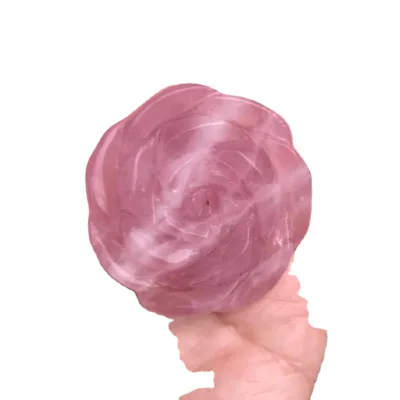
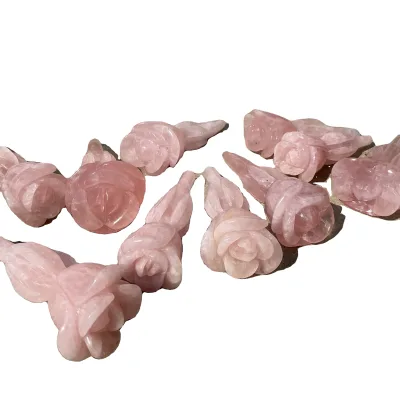
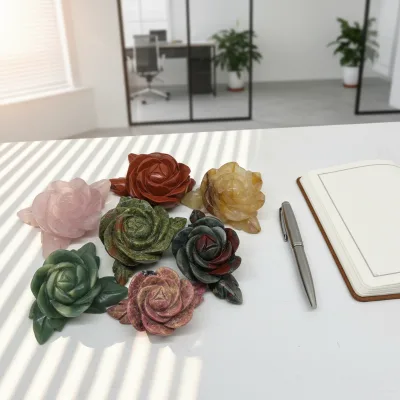
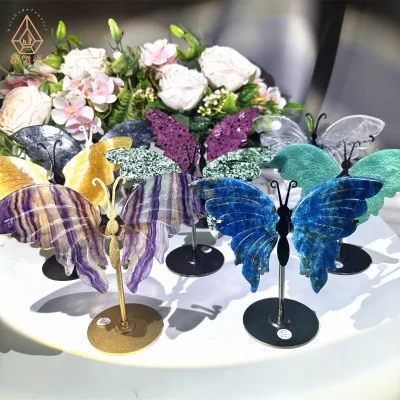
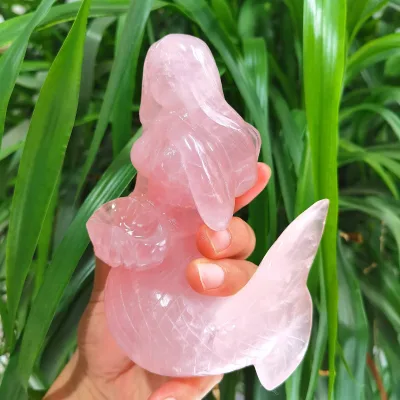
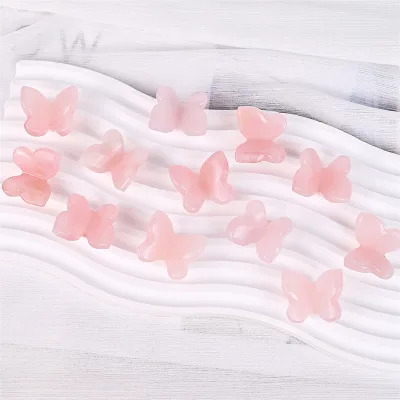
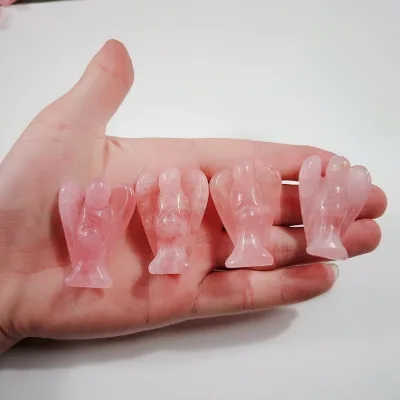
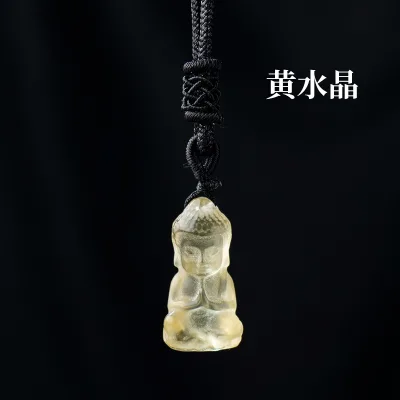
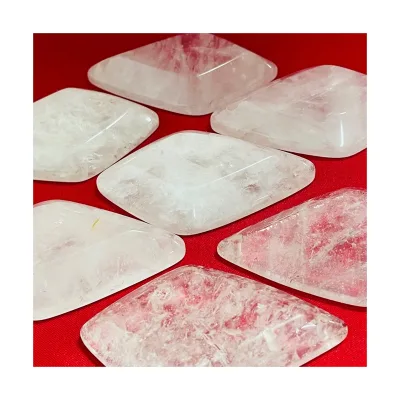
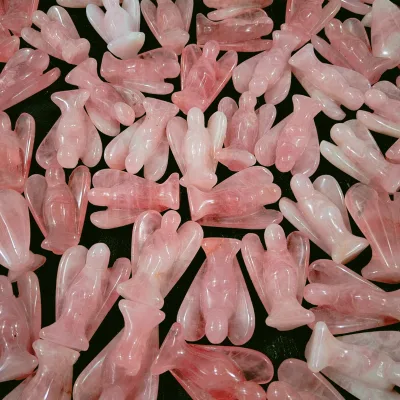
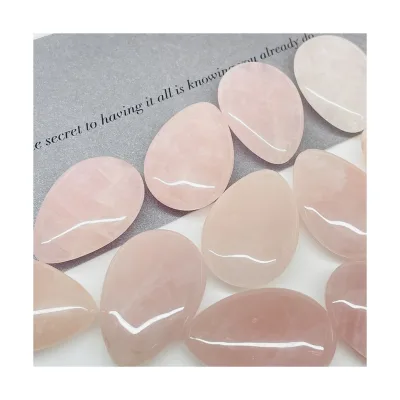
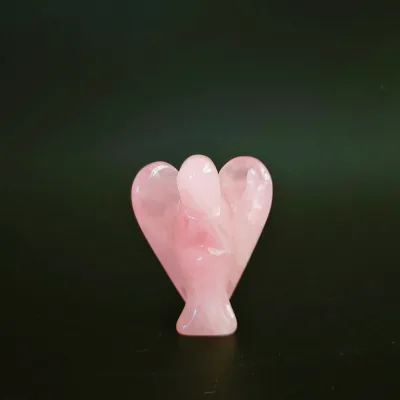
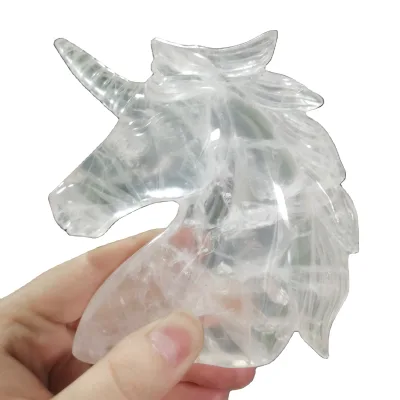


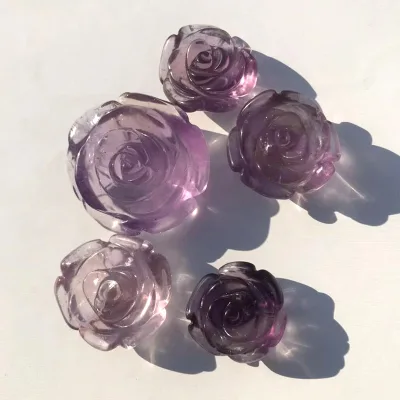
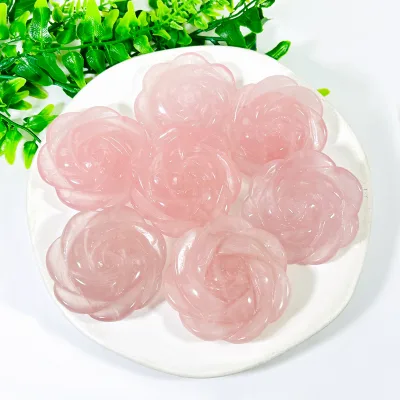
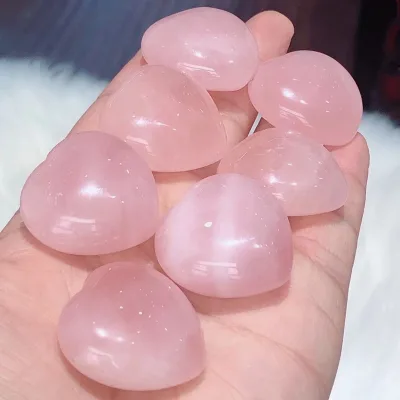
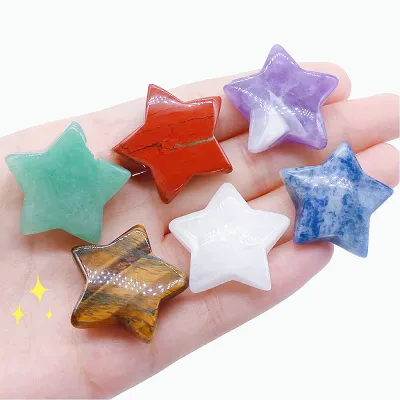
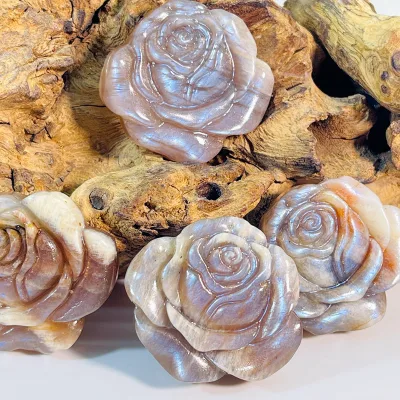
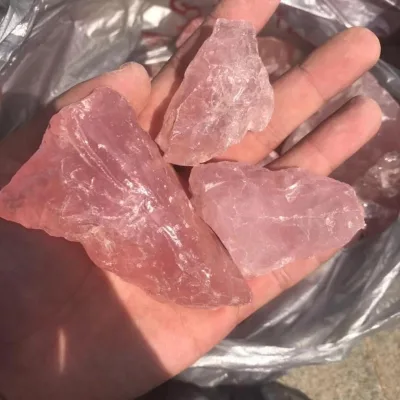


Comprehensive Sourcing Guide
Strategic Sourcing Guide for Eco-Friendly Carved Quartz Crystal Rose
The global demand for sustainable decorative elements and metaphysical products has elevated the profile of natural stone carvings, specifically those featuring rose quartz. For B2B procurement professionals, sourcing an "eco-friendly carved quartz crystal rose" requires a nuanced understanding of material authenticity, manufacturing techniques, and supply chain transparency. This guide synthesizes observed market data and technical specifications to provide a disciplined framework for evaluating suppliers and products. The focus remains on verifying claims through observable attributes rather than accepting marketing assertions at face value.
Material Authenticity and Natural Formation Verification
The foundation of any eco-friendly sourcing strategy lies in the verification of the raw material. In the context of the provided product data, the primary material is identified as "natural rose crystal" or "natural rose quartz." This distinction is critical because the term "eco-friendly" in the stone industry often hinges on the absence of synthetic dyes, glass imitations, or resin binders that compromise the material's natural integrity. Buyers must verify that the "natural form" and "nature formation" attributes listed in product specifications are genuine.
When evaluating a supplier, procurement teams should request detailed material certificates or laboratory reports that confirm the stone is untreated or minimally treated. The observed product attributes indicate a "natural form" technique, suggesting the carving process respects the stone's inherent geometry rather than forcing it into an artificial shape. However, the data also lists "Polished" as a technique for certain items, which introduces a variable. While polishing is a standard mechanical process, buyers must ensure that no chemical sealants or dyes were applied to enhance the pink hue, as this would negate the "eco-friendly" claim. The presence of "random material" in some listings further complicates the picture; a buyer seeking a specific "rose crystal" must explicitly filter for "natural rose crystal" to avoid receiving mixed or lower-grade materials.
Technical Specifications and Dimensional Consistency
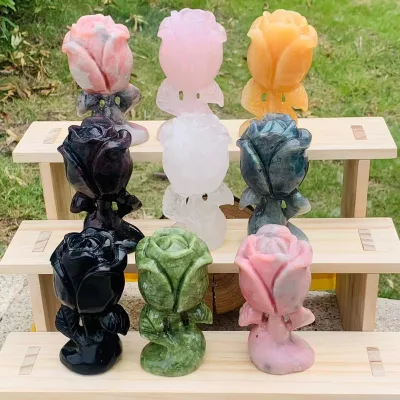
Technical specifications for carved crystal roses vary significantly based on the intended application, ranging from small souvenirs to large home decoration pieces. The observed market data reveals a wide spectrum of size specifications. Some items are listed as "free" size or "Customzied," indicating a high degree of flexibility in the manufacturing process. Others are defined by precise metrics, such as "About 10-12cm" or "One Size," while single package dimensions are recorded as "25X30X30 cm" or "25X18X22 cm."
This variability presents a challenge for B2B buyers who require consistency for retail display or inventory management. A comparison of the observed specifications highlights the need for clear definition in purchase orders:
| Specification Category | Observed Variations | Procurement Implication |
|---|---|---|
| Product Size | Free, Customzied, One Size, 10-12cm | Must define tolerance limits in the contract. |
| Package Dimensions | 25X30X30 cm, 25X18X22 cm, 15X25X20 cm | Affects logistics planning and shipping costs. |
| Weight | 350-400 grams, 1.000 kg, 0.600 kg | Critical for freight classification and pricing. |
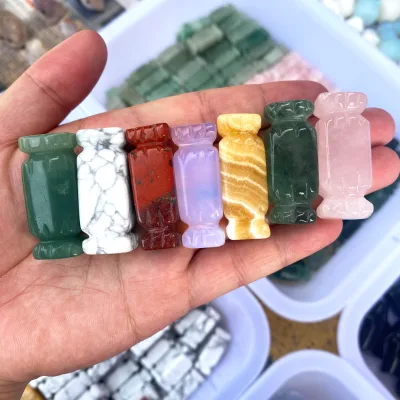
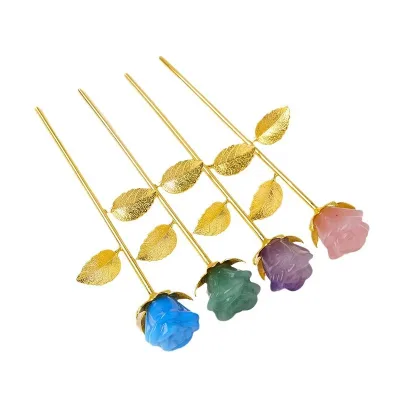
| Shape | Flower, Butterfly, Wings | Determines the aesthetic category and target market. |
Buyers must verify that the "Single gross weight" and "Single package size" align with the actual product weight to avoid discrepancies in shipping calculations. The "Model Number" field, with examples like "TMQ25-2-10-3" or "LJY-24041802," serves as a unique identifier for these variations. Relying on these alphanumeric codes ensures that the specific dimensions and weight requirements are met, rather than relying on generic descriptions like "crystal flower."
Compliance, Certification, and Ethical Sourcing Standards
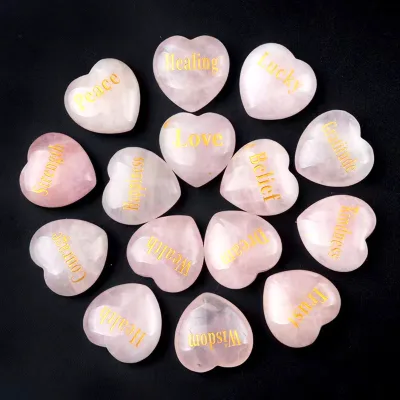
While the term "eco-friendly" is frequently used in marketing, it lacks a universal legal definition in the stone carving industry. Consequently, buyers cannot assume a product is compliant based on the label alone. The provided data mentions "Feng Shui" and "Love" as style attributes, which are cultural classifications rather than environmental certifications. To substantiate an eco-friendly claim, buyers must verify specific compliance standards.
First, the sourcing of the raw material must be traceable. The "Place of Origin" is listed as "Jiangsu, China," a region known for stone processing. However, the environmental impact of mining and the labor conditions in the carving workshops are not detailed in the product attributes. Buyers should request evidence of adherence to international labor standards and environmental management systems, such as ISO 14001, which is not explicitly mentioned in the provided data but is a standard expectation for reputable suppliers.
Furthermore, the "Payment" methods listed, including "Paypal," "Western Union," and "TT," indicate the financial channels available but do not reflect compliance status. Ethical sourcing requires that the supplier can demonstrate the absence of conflict minerals and that the mining operations do not violate local environmental regulations. Since the data does not list specific certifications, the procurement strategy must include a supplier audit to verify these claims. The "Quality: high quality" attribute is a subjective observation and should be validated through third-party testing rather than accepted as a guarantee of ethical production.
Cost Drivers and Pricing Dynamics
The observed price range for these products spans from $0.47 to $86.45 USD, a significant variance that reflects differences in material quality, carving complexity, and size. The Minimum Order Quantity (MOQ) also varies, with observations ranging from "1pc" to "100" units, and specific instances of "2pcs" or "1set." This flexibility suggests a market catering to both small boutique buyers and large-scale distributors.
Several factors drive the cost of carved quartz roses. The primary driver is the material itself; "natural rose crystal" commands a higher price than "mix crystal" or synthetic alternatives. The "Technique" also plays a pivotal role. Items described as "hand carving" or "natural form" require more skilled labor and time compared to mass-produced, polished items, leading to higher unit costs. The "Single gross weight" of 1.000 kg versus 0.600 kg directly impacts shipping costs, which are a significant component of the total landed cost for heavy stone products.
Buyers should analyze the cost structure relative to the "Selling Units." If a supplier offers a low MOQ of 1pc, the unit price will likely be higher due to the lack of economies of scale. Conversely, an MOQ of 100 may offer a lower unit price but requires a larger capital outlay. The "Packaging Details," which specify "foam inside and case outside," add to the cost but are essential for preventing breakage during transit. Buyers must balance the initial purchase price against the risk of damage and the potential for returns, which can erode margins.
Supplier Evaluation and Operational Capabilities
Evaluating a supplier for carved crystal products requires a focus on their operational capabilities and consistency. The data indicates a "Brand Name" of "FORTUNE" or "kindfull crystal," suggesting that branding is a factor in the market. However, the presence of multiple model numbers and varying specifications implies that many suppliers may operate as aggregators or manufacturers with diverse product lines.
When assessing a potential partner, buyers should verify the "Production Capacity" and "Lead Time," which are not explicitly provided in the data but are critical for supply chain planning. The "Style" attributes, such as "Feng Shui" or "Love," indicate the supplier's ability to cater to specific cultural or thematic markets. A supplier that can produce "Crystal Image" products alongside "crystal flower" carvings demonstrates versatility.
The "Usage" and "Application" fields provide insight into the supplier's market focus. Products are listed for "home decoration," "Wedding Decoration & Gift," and "Souvenir," as well as specific holidays like "New Year" and "Christmas." A supplier with experience in these diverse applications is better equipped to handle fluctuating demand. Buyers should also inquire about the "Carving Type," noting the presence of "Etched" techniques, which may require specialized equipment or artisanal skill. Verifying the supplier's ability to maintain consistency in "Etched" details versus "Polished" finishes is essential for maintaining brand integrity.
Quality Control and Long-Term Procurement Strategy
Quality control for natural stone products involves rigorous inspection of both the material and the craftsmanship. The "Pattern" is listed as "other," which is a non-specific descriptor that buyers must clarify. In the context of "crystal flower" or "butterfly" shapes, the "Shape" and "Feature" attributes, such as "Diy," suggest that some products may require assembly or customization by the end user. This introduces a risk of quality variance that must be managed through clear quality assurance protocols.
Buyers should implement a multi-stage quality control process. First, verify the material composition to ensure it matches the "natural rose crystal" specification. Second, inspect the physical dimensions against the "Single package size" and "Model Number" requirements. Third, assess the finish for any chips, cracks, or uneven polishing that could detract from the aesthetic value. The "weight" variance of 350-400 grams for a specific item type indicates that weight tolerances should be established in the quality control plan.
For long-term procurement, building a relationship with a supplier who can provide consistent "natural form" and "hand carving" products is vital. The "Eco-friendly" claim must be continuously validated through periodic audits and material testing. As the market evolves, buyers should remain vigilant for changes in supply chain regulations and environmental standards. The ability of the supplier to adapt to new requirements, such as sustainable packaging or carbon-neutral shipping, will determine their viability as a long-term partner. By focusing on these technical and operational details, B2B buyers can secure a reliable supply of high-quality, eco-friendly carved quartz crystal roses that meet both commercial and ethical standards.
FAQs
What material is used for the Eco-Friendly Carved Quartz Crystal Rose?
The product uses natural rose crystal as the primary material. Some listings specify natural rose quartz, while others may use mix crystal or random materials, so buyers must verify the specific material attribute before purchasing.
Which size options are available for the carved crystal rose?
Size options vary significantly, including free size, customized dimensions, one size, or specific measurements like 10-12cm. Buyers should check the single package size and model number to ensure the dimensions match their inventory needs.
Can I order a single unit of the natural rose crystal flower?
Yes, some suppliers offer a minimum order quantity of just one piece. However, other listings require two pieces or one set, so the specific MOQ must be confirmed for each model number before placing an order.
How is the product packaged to ensure safe delivery?
The packaging typically includes foam inside and a case outside to prevent breakage. This safe packing method is standard for items like the natural rose quartz carving flower to protect the crystal sculpture during transit.
What is the typical weight range for a single crystal rose item?
Single gross weights observed range from 0.600 kg to 1.000 kg, with specific product weights listed between 350 and 400 grams. These variations affect shipping costs and freight classification, so the exact weight should be verified.
Which techniques are used to create the carved crystal shape?
Techniques include natural form, hand carving, polished finishes, and etched carvings. The specific method, such as polishing or etching, determines the final aesthetic and should be matched to the desired style like Feng Shui or Love.
Where is the place of origin for these crystal products?
The place of origin is Jiangsu, China, which is a known region for stone processing. Buyers should note this location when evaluating suppliers for potential lead times and regional shipping logistics.