Source Eco Friendly Cat Scratching Bed for Cats, Multi Cats, Family
Source 30 Eco Friendly Cat Scratching Bed options from Zibo, China. Compare models made of corrugated paper or sisal and wood, featuring integrated designs for cats and multi-cat households with customizable logos.
Key considerations
Products List


Eco Friendly L-Shape Cat Scratcher Bed for Sustainable Pet Furniture and Cats
$2.00 - $3.00
MOQ: 5000 Pieces

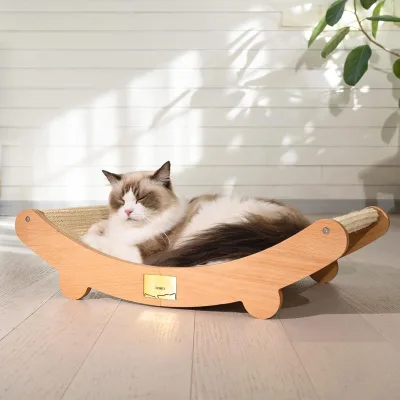


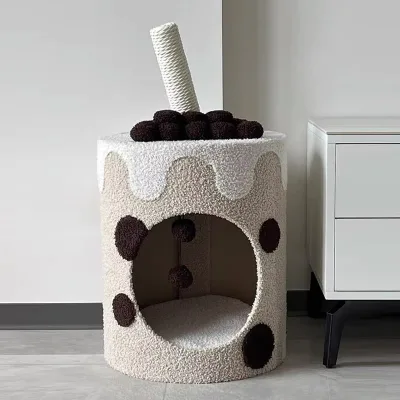
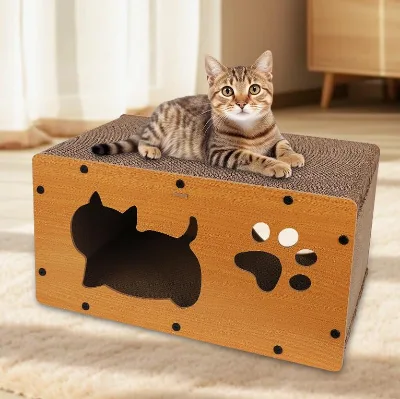

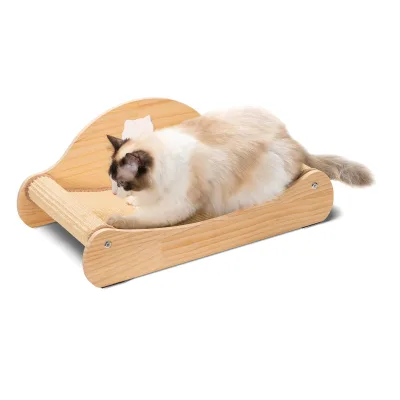

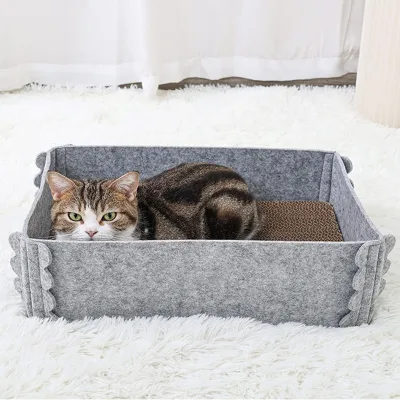
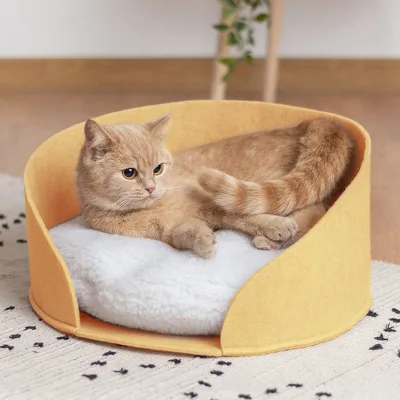
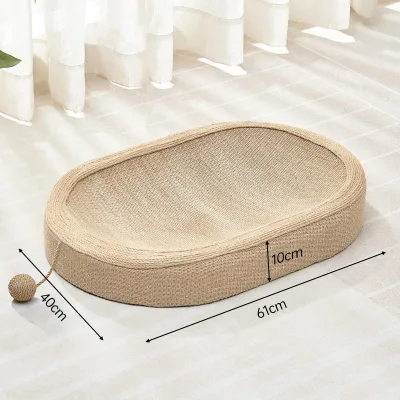

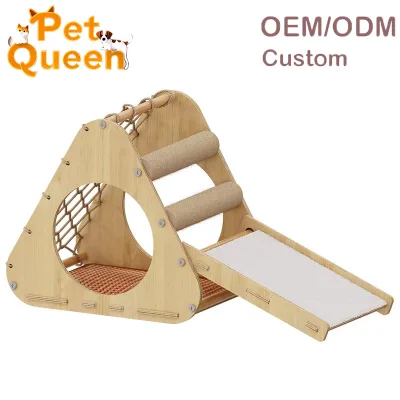



Comprehensive Sourcing Guide
Eco Friendly Cat Scratching Bed Sourcing Guide
Sourcing eco-friendly cat scratching beds requires a nuanced understanding of material science, supply chain transparency, and functional design. Unlike traditional pet furniture that relies heavily on synthetic foams, plastics, and glued fabrics, this category emphasizes sustainable substrates such as corrugated paper, sisal, and reclaimed wood. Buyers must navigate a market where "eco-friendly" is often a marketing term rather than a verified specification. The core challenge lies in distinguishing between products that use genuinely recyclable or biodegradable materials and those that merely incorporate small percentages of green content while relying on non-recyclable adhesives or coatings. This guide provides a structured approach to evaluating suppliers, verifying material claims, and ensuring that the final product meets both environmental standards and the practical needs of feline consumers.
The procurement process for these items involves balancing aesthetic appeal with durability and safety. Cats are natural scratchers, and the primary function of these beds is to provide a designated surface that satisfies this instinct while protecting household furniture. Consequently, the material must withstand significant abrasion and weight without degrading quickly. For buyers, this means prioritizing suppliers who can demonstrate rigorous quality control over their raw material sourcing and manufacturing processes. The goal is to secure a product that not only aligns with corporate sustainability goals but also delivers a positive user experience for pet owners, thereby reducing return rates and enhancing brand reputation in the competitive pet accessories market.
Product Scope and Observed Listing Signals
The current market landscape for eco-friendly cat scratching beds reveals a diverse range of product configurations, primarily driven by material choices and structural design. Observed listings indicate a strong prevalence of corrugated paper-based products, which are valued for their recyclability and low carbon footprint. These items often feature modular designs, allowing for easy replacement of worn scratching surfaces. In addition to paper-based options, there is a significant segment of products utilizing sisal rope and wood, which offer enhanced durability and a more premium aesthetic. Buyers should note that while "One Size" is a common listing attribute, actual dimensions vary widely, with some models measuring approximately 43cm by 32cm with a height of 9cm, while others may have a diameter of 55cm. Understanding these physical variations is critical for logistics planning and shelf-space optimization.
Color and customization options are also key differentiators in this category. Listings frequently highlight color variations such as yellow and gray, alongside OEM/ODM capabilities for outside colors, allowing brands to tailor products to their specific visual identity. The presence of logo printing services indicates that many suppliers are equipped to handle branded orders, which is essential for private label strategies. However, buyers must be cautious of conflicting attributes in listings, such as claims of being "Not Waterproof" while also advertising "Moisture Resistance" for minor water stains. These nuances suggest that while the products may handle light spills, they are not suitable for wet environments. Additionally, the distinction between "Without Mattress" and integrated designs helps buyers identify whether the product is a pure scratching surface or a multi-functional bed, which impacts the target price point and consumer appeal.
Technical Specifications to Verify
Verifying technical specifications is paramount to ensuring that the eco-friendly cat scratching bed meets functional requirements. The primary material composition must be confirmed, with corrugated paper, sisal, and wood being the most common sustainable options. Buyers should request detailed material breakdowns to ensure that adhesives and coatings used in assembly do not compromise the eco-friendly claim. For instance, while the product may be made of paper, the binding agents must be non-toxic and preferably water-based. Weight is another critical specification, with observed listings ranging from 420g to 1.65kg. Lighter products may be easier to ship but could lack the stability required for larger cats, while heavier items offer better durability but increase freight costs. Understanding the weight-to-volume ratio is essential for calculating landed costs accurately.
Load-bearing capacity and structural integrity are vital safety considerations. Some listings specify a load-bearing limit of 5.4kg, which is suitable for small to medium-sized cats but may not support larger breeds. Buyers must verify this specification against their target demographic to avoid product failures and potential liability issues. The assembly process is another area requiring attention; many eco-friendly products are designed as "Integrated" units to minimize the use of hardware and simplify assembly for the end-user. However, this also means that the structural integrity relies heavily on the manufacturing quality of the joints and connections. Buyers should inquire about edge processing techniques, such as burr-free finishes, to ensure that the product is safe for pets and does not pose a risk of injury. Additionally, breathability and ventilation features should be evaluated, especially for enclosed cat house designs, to ensure comfort and hygiene.
Compliance and Safety Documentation
Compliance and safety documentation form the backbone of a trustworthy procurement strategy for pet products. While specific certifications like FSC (Forest Stewardship Council) are mentioned in background contexts, buyers must actively verify the current status and validity of such certifications with the supplier. FSC certification ensures that the wood or paper products come from responsibly managed forests, which is a key selling point for eco-conscious consumers. However, buyers should not assume that a supplier holds this certification without requesting valid certificates and checking their authenticity. Other relevant standards may include REACH compliance for chemical substances in Europe or CPSIA compliance in the United States, particularly if the products contain any treated materials or coatings.
Safety testing is another critical area where documentation is required. Buyers should request test reports that verify the non-toxicity of materials, ensuring that they are free from harmful chemicals such as lead, phthalates, and formaldehyde. Since cats are prone to chewing and ingesting small particles, the durability of the material is also a safety issue. Products that degrade too quickly may create choking hazards or intestinal blockages if ingested. Therefore, buyers should ask for data on the product's resistance to scratching and tearing. Additionally, cleaning methods should be clearly defined; products that require only dry cloth wiping are generally safer and easier to maintain, reducing the risk of mold or bacterial growth that can occur with wet cleaning methods.
Cost Drivers and Commercial Terms
Cost drivers in the eco-friendly cat scratching bed market are influenced by material quality, customization levels, and order volume. The use of premium materials such as high-density corrugated paper or sustainably sourced sisal can increase the base cost of the product. Customization options, including logo printing and OEM/ODM services, also add to the cost due to the setup fees and additional labor required. Buyers should note that MOQs (Minimum Order Quantities) can vary significantly, ranging from 5 to 5000 pieces, depending on the supplier's production capacity and flexibility. Lower MOQs may be suitable for testing the market or for smaller brands, but they often come with higher per-unit costs. Conversely, larger orders can leverage economies of scale to reduce unit prices.
Pricing structures should be analyzed in the context of total landed cost, including shipping, duties, and insurance. Observed price ranges in the market can vary widely, from as low as $0.95 to $58 per unit, reflecting differences in material quality, design complexity, and brand positioning. Buyers must be wary of prices that seem too good to be true, as they may indicate the use of inferior materials or non-compliant manufacturing practices. Payment terms and lead times are also important commercial considerations. Suppliers with established supply chains may offer more favorable terms, such as partial payments upfront and the balance upon shipment. However, buyers should ensure that these terms are clearly defined in the contract to avoid disputes. Understanding the cost structure helps in negotiating better deals and maintaining healthy profit margins.
Supplier Qualification and Quality Control
Supplier qualification is a multi-step process that goes beyond checking basic business licenses. Buyers should conduct thorough due diligence to assess the supplier's manufacturing capabilities, quality control systems, and ethical practices. This includes visiting the factory or hiring a third-party inspection agency to verify production conditions. Key areas to inspect include the raw material storage, production lines, and finished goods packaging. Suppliers who are transparent about their processes and willing to share detailed information are generally more reliable. Additionally, buyers should evaluate the supplier's ability to handle customization requests, as this is a common requirement in the pet accessories market.
Quality control measures should be implemented at every stage of production. Pre-production inspections should verify that raw materials meet the specified standards, while in-process inspections ensure that manufacturing procedures are followed correctly. Final random inspections (FRI) are crucial to catch any defects before shipment. Buyers should define clear acceptance criteria for defects, such as structural weaknesses, material inconsistencies, or packaging damage. Communication with the supplier is also vital; establishing a clear channel for addressing issues can help resolve problems quickly and maintain a good working relationship. Regular performance reviews can help identify trends and areas for improvement, ensuring that the supplier continues to meet the buyer's expectations over time.
Long-Term Procurement Checks
Long-term procurement success depends on continuous monitoring and adaptation to market changes. Buyers should regularly review supplier performance metrics, including on-time delivery rates, product quality consistency, and responsiveness to issues. This data can help identify potential risks and opportunities for improvement. Additionally, staying informed about industry trends and regulatory changes is essential. For example, new environmental regulations may impact the types of materials that can be used, requiring buyers to update their specifications and supplier requirements accordingly. Engaging with suppliers to discuss future product developments can also provide insights into emerging technologies and materials that could enhance the product line.
Building a resilient supply chain involves diversifying suppliers and maintaining healthy inventory levels. Relying on a single supplier can pose significant risks, especially in the event of production disruptions or quality issues. By working with multiple suppliers, buyers can mitigate these risks and ensure a steady supply of products. Furthermore, fostering a collaborative relationship with suppliers can lead to better pricing, priority treatment during peak seasons, and joint innovation efforts. Regular feedback loops between the buyer and supplier can help align expectations and drive continuous improvement. Ultimately, a proactive approach to procurement management ensures that the eco-friendly cat scratching bed remains a competitive and sustainable offering in the market.
FAQs
What materials are used for the Eco Friendly Cat Scratching Bed?
The product is constructed from corrugated paper and pulp, ensuring an environmentally friendly composition. Some variants also incorporate sisal and wood for enhanced durability. This combination supports the scratching function while maintaining an eco-conscious profile for pet owners.
Can the cat scratching bed be customized with a logo?
Yes, the product supports customized logo printing to meet specific branding needs. Buyers can request OEM or ODM options for the outside color and branding elements. This customization is available for orders meeting the minimum quantity requirements.
How much does the Eco Friendly Cat Scratching Bed weigh?
The weight varies by model, with observed values ranging from 420 grams to 1.65 kilograms. Specific models like the ASP202510-3 weigh 420 grams, while others may reach 1.65 kilograms. This lightweight design facilitates easy handling and shipping for bulk orders.
What is the minimum order quantity for this cat bed?
The minimum order quantity ranges from 5 to 5000 pieces depending on the specific supplier and model. One listed specification indicates an MOQ of 500 pieces for certain configurations. Buyers should verify the exact MOQ with the manufacturer before placing an order.
Is the cat scratching bed waterproof or water-resistant?
The product is not fully waterproof but offers minor water stain resistance. It is designed for indoor use in family settings with pets. Cleaning should be performed using a dry cloth to maintain the integrity of the corrugated paper material.
Where are these eco friendly cat scratching beds manufactured?
The products originate from Zibo, China, as indicated by the product origin facts. This location serves as the primary manufacturing hub for the listed cat beds and scratchers. Buyers can expect shipping logistics to be managed from this Chinese production center.
What functions does the cat scratching bed provide?
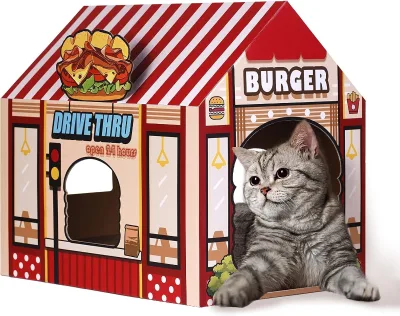
The item serves multiple functions including a cat bed, cat scratcher, and cat house. It features an open type space design with integrated assembly for immediate use. The durable and scratch-resistant surface ensures longevity for multi-cat households.