Source Eco Friendly Cat Climbing Tree for Resting, Climbing, and Playing
Compare 30 Eco Friendly Cat Climbing Tree options from verified Chinese manufacturers. Buyers can evaluate specifications, customization, and delivery times for resting, climbing, and playing applications.
Key considerations
Products List


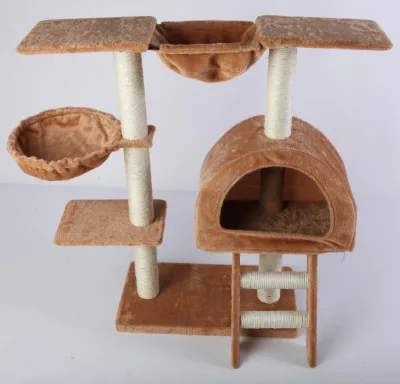
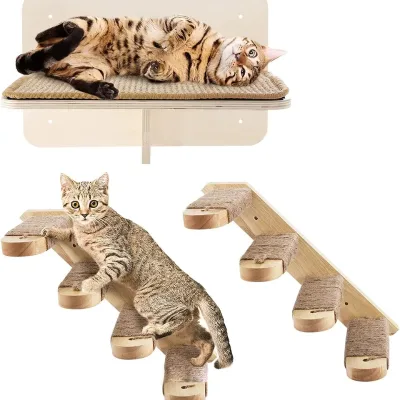


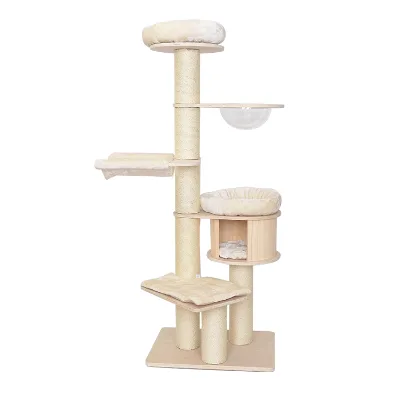
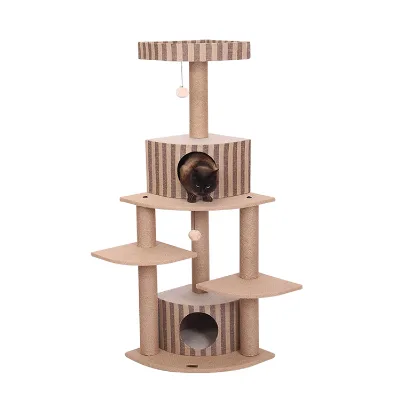
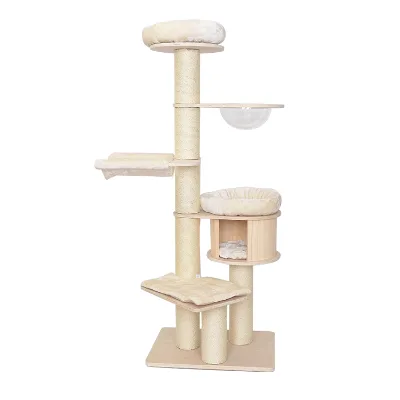
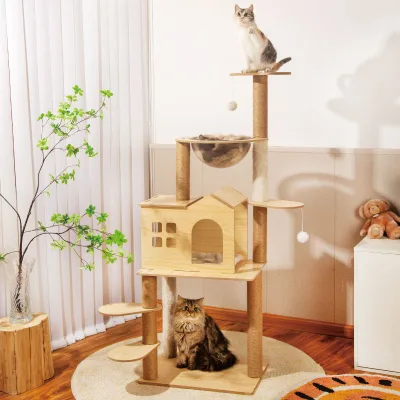
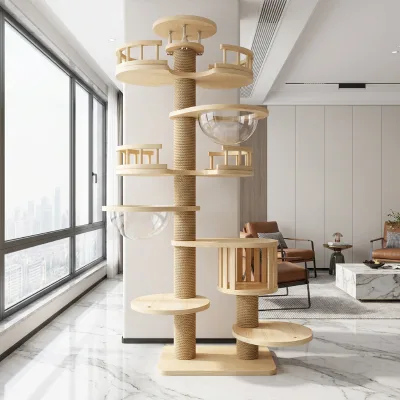
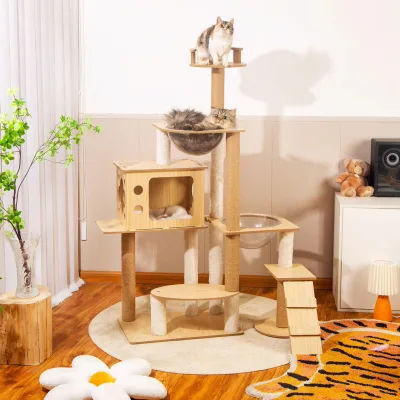
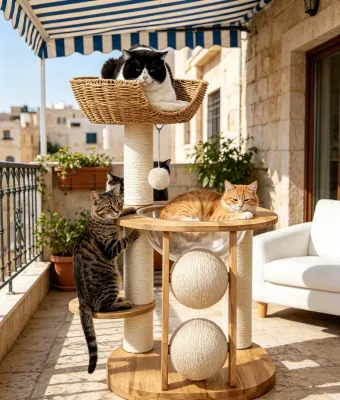
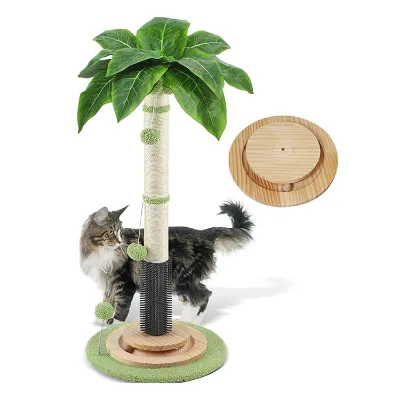
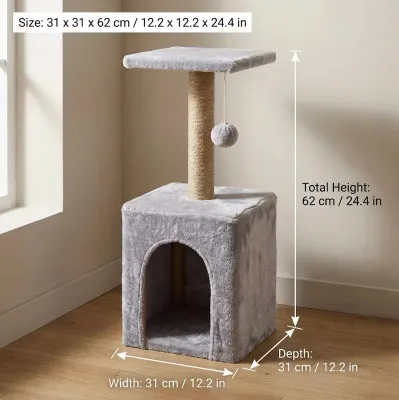


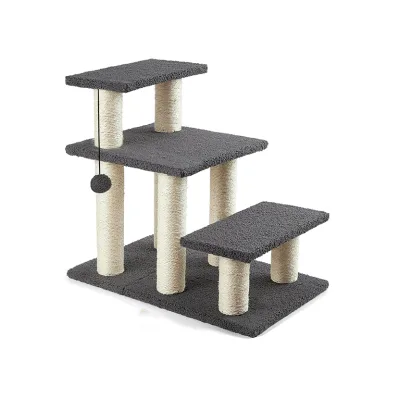

Comprehensive Sourcing Guide
Strategic Sourcing Guide for Eco-Friendly Cat Climbing Trees
Understanding Material Composition and Structural Integrity
When sourcing eco-friendly cat climbing trees, the primary focus must be on the fundamental materials that define the product's sustainability profile and durability. Based on the available market data, the dominant material for these structures is wood. This observation is critical because wood, when sourced responsibly, offers a renewable alternative to synthetic composites or plastic-heavy constructions. The specific product attributes indicate that the material is consistently identified as "Wood" or "Wooden," forming the backbone of the climbing tree's frame.
However, "wood" is a broad category. Buyers must verify the specific type of timber used and the treatment processes applied. In the context of eco-friendly procurement, the presence of formaldehyde-free adhesives and non-toxic finishes is a non-negotiable requirement. The structural integrity of these trees relies heavily on the stability of the wooden base. Market observations highlight a "High" stability attribute for these products, suggesting that the design prioritizes a wide footprint or weighted base to prevent tipping during vigorous cat activity.
The physical dimensions of the climbing trees vary significantly, which impacts both the material usage and the shipping logistics. Observed specifications range from compact units measuring approximately 60x48x85 cm to larger structures reaching up to 200 cm in height with an 80x80 cm base. When evaluating eco-friendly claims, buyers should request a Bill of Materials (BOM) that details the percentage of recycled wood, the origin of the timber, and the binding agents used. The absence of electric components is a standard feature, as these are purely mechanical structures designed for resting and climbing, which inherently reduces the carbon footprint associated with manufacturing and energy consumption during use.
Compliance Standards and Certification Verification
In the B2B procurement of pet furniture, compliance and certification serve as the primary indicators of quality and safety. While the term "eco-friendly" is often used loosely in marketing, verified certifications provide the necessary evidence to support these claims. The data indicates that suppliers in this sector often hold certifications such as ISO 9001, BSCI, and CE. These standards are not merely administrative hurdles but represent adherence to specific management and safety protocols.
ISO 9001, specifically the 2008 version noted in some product listings, relates to quality management systems. For an eco-friendly product, this ensures that the manufacturing process is consistent and that quality control measures are in place to minimize waste and defects. BSCI (Business Social Compliance Initiative) certification is particularly relevant for ethical sourcing, ensuring that the labor practices involved in harvesting and processing the wood meet international social standards. CE marking indicates conformity with health, safety, and environmental protection standards for products sold within the European Economic Area, which is a crucial benchmark for international buyers.
Buyers must exercise caution when interpreting these certifications. The presence of "and so on" in some product descriptions suggests that the list of certifications may vary by batch or specific supplier. Therefore, it is imperative to request current, valid certificates for the specific production run being ordered. The verification process should include checking the scope of the certification to ensure it covers the specific manufacturing site and the specific product line. Relying solely on a supplier's claim of "Eco-Friendly" without supporting documentation from recognized bodies like ISO or BSCI exposes the buyer to reputational risk and potential regulatory non-compliance in their own markets.
Cost Drivers and Pricing Dynamics
The pricing of eco-friendly cat climbing trees is influenced by a complex interplay of material costs, labor, and logistical factors. The observed price range in the market spans from $2 to $98 USD, a significant variance that reflects differences in size, complexity, and material quality. The lower end of this spectrum likely corresponds to smaller, simpler models with minimal customization, while the higher end represents large, multi-level structures with premium finishes and custom branding.
A primary cost driver is the customization level. The market data confirms that customization is available, including logo printing and specific design requests. However, it is important to note that some listings specify "Without Logo Printing," while others offer "Customized" options. Customization inherently increases production costs due to the setup time required for new molds, the need for specialized labor, and the potential for lower production efficiency. Furthermore, the "OEM/ODM" availability indicates that buyers can engage in Original Equipment Manufacturing or Original Design Manufacturing, which typically involves higher minimum order quantities (MOQ) and longer lead times, thereby affecting the unit cost.
The MOQ ranges observed between 5 and 500 units also play a pivotal role in pricing. Smaller MOQs, such as 5 or 100 pieces, often carry a higher per-unit cost due to the fixed costs of production setup being spread over fewer units. Conversely, larger orders allow for economies of scale. Buyers must balance the desire for a lower unit price with the financial risk of holding excess inventory. Additionally, the packaging method, ranging from simple paper to carton packing or hangtags, impacts the overall cost. Standard export carton packing is often required for international shipping to prevent damage, adding to the material and labor expenses.
Typical Applications and Functional Design
The functional design of eco-friendly cat climbing trees is centered around providing a safe and engaging environment for felines. The primary applications identified in the market data include "Cat Climbing," "Resting," and general "Cats" usage. These trees are designed to mimic natural climbing behaviors, utilizing vertical space to satisfy a cat's instinct to perch and observe their surroundings. The "Simple" and "Modern" styles observed suggest a trend toward minimalist designs that blend seamlessly into contemporary home decor while maintaining functionality.
A notable feature in many of these products is the inclusion of a "Cat House." This enclosed space provides a secure retreat for cats, offering privacy and a sense of safety, which is a key aspect of feline well-being. The application of these trees extends beyond mere play; they serve as essential furniture for multi-cat households, helping to reduce territorial disputes by providing multiple vertical territories. The "Eco-Friendly" attribute is particularly relevant here, as it ensures that the environment created for the pet is free from harmful chemicals that could be ingested or inhaled during grooming.
The dimensions of the trees are tailored to accommodate various cat sizes and activity levels. Whether it is a compact 59x39x132 cm unit or a massive 200 cm structure, the design must ensure that the climbing surfaces are stable and the platforms are sufficiently large for the cat to rest comfortably. The "High" stability attribute is a critical design feature that prevents accidents, ensuring that the tree remains a safe application for the pet regardless of the intensity of their activity.
Supplier Evaluation and Production Capabilities
Evaluating suppliers for eco-friendly cat climbing trees requires a deep dive into their production capabilities and operational transparency. The majority of the observed products originate from China, specifically from regions like Zhejiang and China (Mainland). This concentration suggests a mature supply chain with specialized expertise in wooden pet furniture. However, geographic origin alone does not guarantee quality or sustainability. Buyers must verify the specific factory's adherence to environmental standards and their ability to scale production.
Key evaluation criteria include the supplier's capacity for OEM and ODM services. The data indicates that many suppliers accept these requests, which is a positive sign of flexibility and customer-centricity. However, buyers should assess the supplier's ability to maintain quality control during the customization process. The ability to provide "on Your Request" packing and specific product models (e.g., STS-260306010, YS73216) demonstrates a level of operational maturity.
Lead times are another critical factor in supplier evaluation. The observed delivery times range from about 20 to 50 days, with some specific listings citing 35-50 days. These timelines must be factored into the buyer's inventory planning. Suppliers with longer lead times may offer better quality control or more sustainable sourcing practices, but they require more advanced planning. Buyers should also verify the payment terms, with T/T (Telegraphic Transfer) being a common method, and ensure that the payment structure aligns with their cash flow management.
Quality Control and Long-Term Procurement Considerations
Implementing a robust quality control (QC) strategy is essential for ensuring that eco-friendly cat climbing trees meet the expected standards of durability and safety. Given the variability in product models and specifications, a standardized QC checklist is necessary. This checklist should cover structural integrity, finish quality, and material safety. The "High" stability attribute must be verified through physical testing to ensure the tree does not tip under load. Additionally, the "Eco-Friendly" claim must be validated through material testing to confirm the absence of harmful substances.
Long-term procurement considerations involve building a sustainable relationship with suppliers who can consistently deliver high-quality products. This includes establishing clear communication channels regarding specifications, such as the "Standard Export Carton Packing" and specific dimensions like 61x50x13 cm. Buyers should also consider the lifecycle of the product. Wooden structures, when properly maintained, can last for years, but the sustainability of the material sourcing is a long-term concern. Ensuring that the wood is sourced from certified sustainable forests is a key aspect of long-term procurement strategy.
Furthermore, the packaging plays a vital role in the long-term success of the procurement process. The use of carton packing and standard export methods helps prevent damage during transit, reducing waste and returns. Buyers should work with suppliers to optimize packaging designs that minimize material usage while ensuring product safety, aligning with the broader eco-friendly ethos of the product.
Comparative Analysis of Product Specifications
To facilitate informed decision-making, the following table summarizes key specifications observed in the market for eco-friendly cat climbing trees. This comparison highlights the diversity in size, material, and certification that buyers must navigate.
| Product Model | Material | Standard Size (Approx.) | Certification | Origin | MOQ | Delivery Time |
|---|---|---|---|---|---|---|
| STS-260306010 | Wooden | 200CM 8080Cm | Not Listed | China | 5-500 | 20-40 Days |
| YS73216 | Wood | 60X48X85cm | CE, BSCI, ISO9001 | China (Mainland) | 100 PCS | 35-50 Days |
| YS117160 | Wood | Not Listed | ISO | Zhejiang | Not Listed | Not Listed |
| YS107518 | Wood | 5939h132cm | BSCI | Zhejiang | Not Listed | 20-50 Days |
| YS95669 | Wood | Not Listed | Not Listed | Zhejiang, China | Not Listed | Not Listed |
This table illustrates that while the core material (Wood) remains consistent, the certifications and dimensions vary widely. Buyers must align their specific requirements with these variations to ensure the selected product meets their functional and compliance needs. The absence of specific data for some models underscores the importance of direct communication with suppliers to fill in these gaps before placing an order.
FAQs
What materials are used for eco friendly cat climbing trees?
Wood is the primary material used for these structures, offering a renewable alternative to synthetic composites. The design prioritizes high stability to prevent tipping during vigorous cat activity, ensuring safety and durability for the pet.
Which certifications verify the quality and safety of these trees?
Common certifications include ISO 9001, BSCI, and CE, which indicate adherence to quality management and safety protocols. Buyers should request current certificates to ensure the manufacturing site meets international social and environmental standards.
How long does delivery typically take for these products?
Delivery times generally range from about 20 to 50 days depending on the specific order and customization. Some standard models may take around 20 to 40 days, while customized orders often require 35 to 50 days for production.
Can I request custom designs or logo printing for these trees?
Customization is available for many models, including specific design requests and OEM or ODM services. However, some listings specify without logo printing, so buyers must confirm the customization options and packaging requirements with the supplier before ordering.
What is the typical price range for these cat climbing trees?
The observed price range spans from 2 to 98 USD, varying based on size, complexity, and material quality. Smaller, simpler models are priced lower, while larger structures with premium finishes and custom branding command higher prices.
Where are these eco friendly cat climbing trees manufactured?
The majority of these products originate from China, specifically from regions like Zhejiang and China Mainland. This concentration suggests a mature supply chain with specialized expertise in wooden pet furniture and export-ready production capabilities.
What are the standard dimensions for these climbing trees?
Dimensions vary significantly, ranging from compact units around 60x48x85 cm to larger structures reaching up to 200 cm in height. Buyers should verify specific product models to ensure the size fits their available space and meets the cat's needs.
What is the minimum order quantity for these products?
The minimum order quantity ranges from 5 to 500 units, depending on the supplier and product model. Smaller MOQs often carry higher per-unit costs, while larger orders allow for economies of scale and potentially lower pricing.