Source eco-friendly gold-plated ring for Decoration, Gift, Party
Compare 30 verified listings for eco-friendly gold-plated ring options suitable for decoration, gifts, and parties. Buyers can review customization, materials, and pricing details to find the best match for their needs; compare the available evidence and request quotations based on your requirements.
Updated
Key considerations
Products List


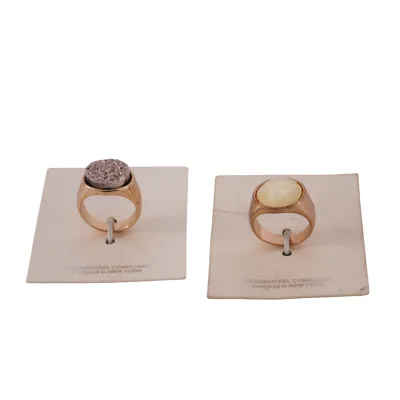
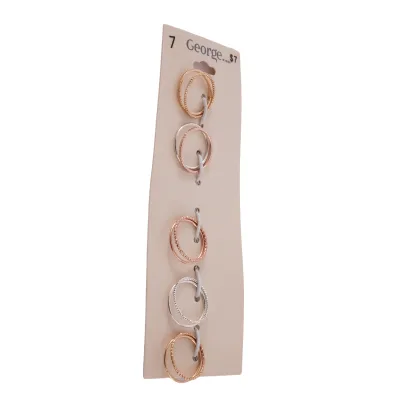
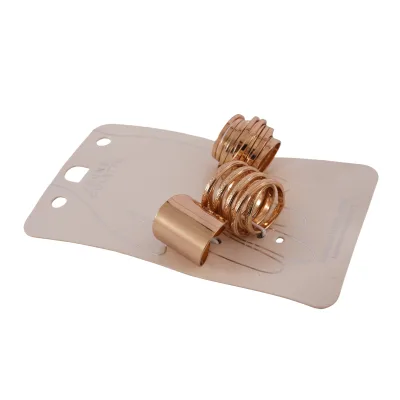
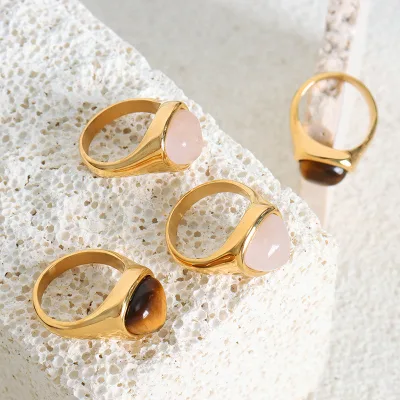


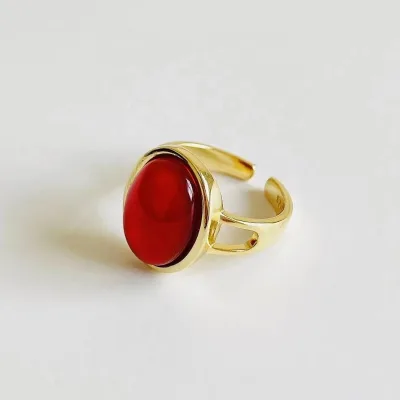
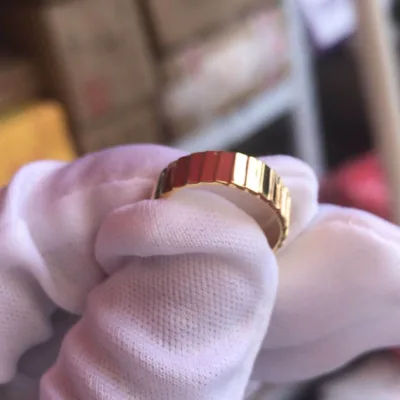
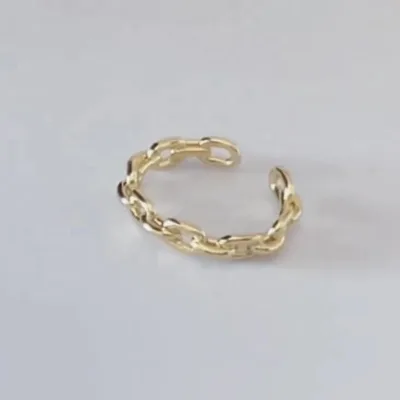
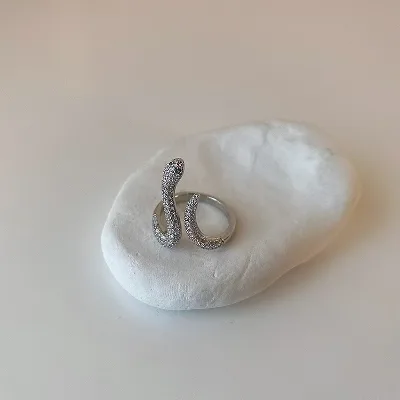


Luxury High quality jewelry gold plated sterling silver golden yellow wide ring
$48.05 - $61.64
MOQ: 1 Pieces

Fashion Irregular Triangle Design Jewelry Gold Plated Adjustable 925 Silver Ring
$13.69 - $15.92
MOQ: 1 Pieces

New style simple rose gold plated Elegant Colorful Enamel plain Silver Ring
$11.50 - $12.59
MOQ: 15 Pieces

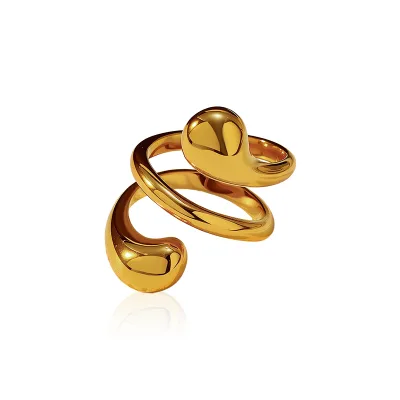
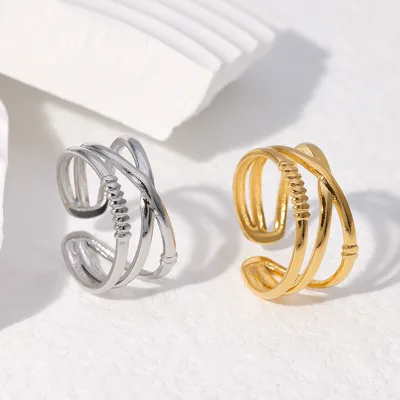
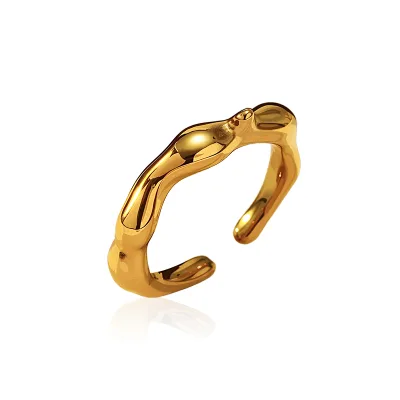
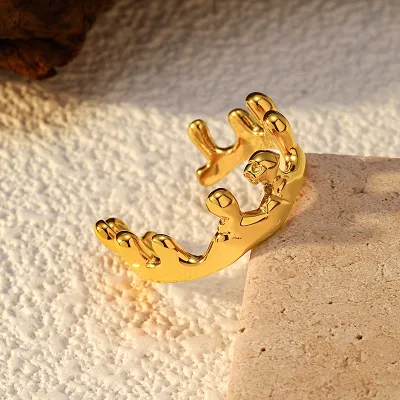

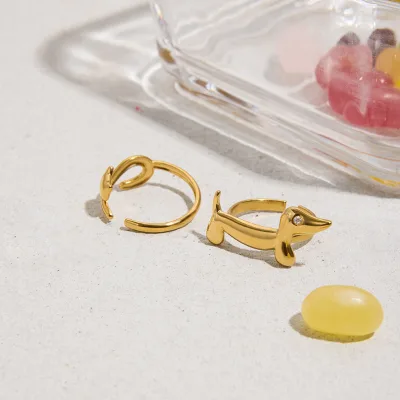
Comprehensive Sourcing Guide
Eco-Friendly Gold-Plated Ring Sourcing Guide
Sourcing eco-friendly gold-plated rings requires a nuanced understanding of material composition, plating processes, and supplier transparency. Buyers must navigate a market where terms like "eco-friendly" are often used loosely, necessitating strict verification of supply chain practices. The core challenge lies in distinguishing between genuine sustainable manufacturing and superficial marketing claims. This guide provides a structured approach to evaluating suppliers, ensuring that procurement decisions align with both environmental standards and commercial viability. By focusing on verifiable data points such as material origins, plating technologies, and certification statuses, buyers can mitigate risk and secure high-quality inventory.
The following sections detail the critical aspects of sourcing these products, from technical specifications to long-term supplier relationships. Each section is designed to help procurement professionals make informed decisions based on observed market signals and industry best practices. The goal is to provide a comprehensive framework for evaluating potential suppliers, ensuring that the final products meet both quality and sustainability expectations. This approach minimizes the risk of non-compliance and ensures that the sourced rings are suitable for the intended market, whether for decoration, gifts, or special occasions.
Product Scope and Observed Listing Signals
The current market for gold-plated rings exhibits a diverse range of styles, materials, and customization options, reflecting varied consumer preferences. Observed listings indicate a strong presence of stainless steel and 925 sterling silver bases, with plating processes such as electroplating and rose gold polishing being common. Shapes vary significantly, including oval, round, and other forms, catering to different aesthetic demands. The color palette is predominantly silver and gold, with some products featuring rose gold finishes. These variations suggest that buyers should not assume a uniform product offering but rather expect a wide array of choices based on specific design requirements.
Customization is a key feature in this segment, with many suppliers offering OEM and ODM services. Buyers can expect options for customized logos, specific ring sizes ranging from 5# to 11#, and even resizable designs. The usage categories extend beyond simple decoration to include gifts, parties, and anniversaries, indicating a broad target market. Some products are marketed as "cute" or "fashion" items, while others are positioned as "elegant" or "prime" quality. This diversity requires buyers to clearly define their target audience and product specifications before engaging with suppliers, ensuring that the selected items align with their brand identity and customer expectations.
Technical Specifications to Verify
Verifying technical specifications is crucial to ensuring product quality and consistency. Buyers should confirm the base material, whether it is stainless steel or 925 sterling silver, as this impacts durability and hypoallergenic properties. The plating process, such as electroplating or specific technologies like "Plating Rose," must be clearly defined to assess longevity and resistance to tarnishing. Ring sizes should be explicitly stated, with options for standard sizes (5# to 11#) or resizable designs, to accommodate diverse customer needs. Additionally, the presence of any main stones or decorative elements should be verified, as these can affect the overall weight, cost, and aesthetic appeal of the product.
Packaging and shipping details are also critical technical aspects. Buyers should inquire about packaging materials, such as PP bags or OPP bags, and whether export cartons are used for bulk orders. Single package dimensions, such as 1x1x1 cm, can impact storage and shipping efficiency. Furthermore, the availability of sample making and mould making services should be confirmed, as these are essential for custom orders. Buyers should also verify the origin of the products, with many listings indicating origins in China, specifically in regions like Fujian, Shenzhen, and Guangdong. This information helps in assessing logistics costs and lead times, ensuring that the supply chain is efficient and reliable.
Compliance and Safety Documentation
Compliance with safety and environmental standards is paramount when sourcing gold-plated rings, especially for markets with strict regulations. Buyers should request documentation for relevant certifications, such as CE and SGS, which indicate adherence to specific quality and safety benchmarks. While some listings mention "eco-friendly" attributes, buyers must verify what specific practices or materials contribute to this claim. This may include the use of lead-free plating solutions, recyclable packaging, or ethical sourcing of raw materials. Without concrete evidence, the term "eco-friendly" remains a marketing claim rather than a verified attribute.
Additionally, buyers should ensure that the products comply with international standards for jewelry, particularly regarding nickel content and other potential allergens. Documentation should include test results from accredited laboratories, confirming that the rings meet these standards. For products intended for specific occasions, such as weddings or anniversaries, buyers may need to verify additional compliance requirements related to gift regulations or consumer protection laws. It is essential to maintain a clear record of all compliance documents, as these may be required for customs clearance or retailer onboarding. Proactive verification of these documents helps prevent potential legal issues and enhances brand credibility.
Cost Drivers and Commercial Terms
Understanding the cost drivers and commercial terms is essential for effective budgeting and negotiation. The primary cost factors include the base material (stainless steel vs. 925 sterling silver), the complexity of the plating process, and the level of customization required. MOQs vary significantly, ranging from small quantities like 100 pieces to larger orders of 10,000 pieces, impacting unit pricing and inventory management. Buyers should negotiate terms that align with their sales volume and cash flow, considering the trade-offs between lower MOQs and higher unit costs. Additionally, shipping methods such as DHL, UPS, FedEx, or EMS should be evaluated for cost and speed, as these can significantly affect the total landed cost.
Payment terms and lead times are also critical commercial considerations. Buyers should clarify the payment structure, including deposits and final payments, and ensure that these terms are favorable and secure. Lead times should be confirmed for both sample production and bulk orders, as delays can impact market availability and customer satisfaction. It is advisable to include penalties for late delivery in the contract to mitigate risks. Furthermore, buyers should inquire about any additional costs for customization, such as logo printing or specific packaging, to avoid unexpected expenses. Clear communication of these terms ensures a transparent and mutually beneficial partnership with suppliers.
Supplier Qualification and Quality Control
Supplier qualification is a critical step in ensuring the reliability and quality of sourced products. Buyers should conduct thorough due diligence, verifying the supplier's business license, production capacity, and past performance. Requesting references from previous clients can provide insights into the supplier's reliability and customer service. Quality control processes should be clearly defined, including inspection points during production and final pre-shipment checks. Buyers should consider implementing their own quality control measures, such as third-party inspections, to ensure that the products meet their specifications. This proactive approach helps identify and rectify issues before they reach the end customer.
Additionally, buyers should assess the supplier's ability to handle custom orders and provide samples. The availability of mould making and sample making services is a positive indicator of flexibility and responsiveness. Buyers should request samples to evaluate the quality of materials, plating, and craftsmanship. It is also important to verify the supplier's communication channels and responsiveness, as effective communication is key to resolving issues promptly. By establishing a robust supplier qualification process, buyers can build a reliable supply chain that supports their business goals and maintains high standards of quality and service.
Long-Term Procurement Checks
Long-term procurement checks are essential for maintaining a sustainable and efficient supply chain. Buyers should regularly review supplier performance, tracking metrics such as on-time delivery, product quality, and responsiveness to issues. Establishing a scorecard system can help quantify supplier performance and identify areas for improvement. Regular audits, both remote and on-site, can provide deeper insights into the supplier's operations and compliance with agreed-upon standards. These checks help ensure that the supplier continues to meet the buyer's expectations and adapt to changing market conditions.
Furthermore, buyers should foster a collaborative relationship with their suppliers, encouraging open communication and continuous improvement. Regular meetings and feedback sessions can help address any concerns and explore opportunities for innovation. Buyers should also stay informed about industry trends and regulatory changes, ensuring that their sourcing practices remain compliant and competitive. By implementing these long-term checks, buyers can build a resilient supply chain that supports their business growth and maintains high standards of quality and sustainability. This proactive approach helps mitigate risks and enhances the overall value of the procurement process.
FAQs
Can I get a customized logo on the ring?
Yes, a customized logo is available for this product. The listing confirms that logo customization is offered alongside OEM services. Buyers can request specific branding to match their needs while maintaining the oval or round shape options.
What materials are used for these rings?
The rings are primarily made from stainless steel and 925 sterling silver. Some models feature gold plating or rose gold plating processes. These materials ensure durability while providing the desired silver or gold aesthetic for decoration and gifts.
Which certifications do the products meet?
Certain models meet CE and SGS standards as listed in the specifications. These certifications apply to specific product lines like the HDX series. Buyers should verify the standard for the exact model number they intend to purchase.
How is the product packaged for shipping?
Products are typically packed in PP bags or OPP bags with export cartons. Custom packaging requirements are also welcome based on buyer specifications. This ensures safe transport while allowing flexibility for different distribution needs.
What is the minimum order quantity for rings?
The minimum order quantity varies significantly by product model. Some items require 100 pieces while others may need 10,000 pieces. Buyers must check the specific MOQ for the desired model number before placing an order.
Can I request a specific ring size?
Yes, specific sizes like 5 through 11 are available for certain models. Some rings are also listed as resizable to accommodate different finger sizes. Custom sizing options may be available depending on the specific product model selected.
Where are these rings manufactured?
The rings originate from various locations in China including Fujian, Shenzhen, and Guangdong. The specific origin depends on the manufacturer and the product model. Buyers can expect production from these established manufacturing hubs.