Find eco-friendly hdpe portable toilet for Dormitories, Villas, Construction Sites
Source 30 eco-friendly hdpe portable toilet units designed for dormitories, villas, and construction sites. Buyers can compare models like SH102 and Tpt-L03, review specifications including waste tank capacity, and evaluate customization options from verified suppliers.
Key considerations
Products List


Plastic HDPE Portable Toilet External Construction Site Portable Toilet
$470.00 - $550.00
MOQ: 10 Sets


Hot Selling Prefabricated Portable Shower Bathroom Outdoor Mobile Toilet
$608.00 - $668.00
MOQ: 10 Unit
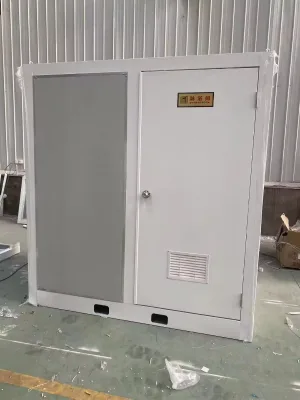


Economic Site Toilets Portable Toilet Movable Toilet
$250.00 - $300.00
MOQ: 20 Sets
Guangdong Wellcamp Steel Structure & Modular Housing Co., Ltd.

Portable Movable Toilet with Sanitary Container Toilet
$250.00 - $300.00
MOQ: 20 Sets
Guangdong Wellcamp Steel Structure & Modular Housing Co., Ltd.

Wellcamp HDPE Portable Sitting Toilet for Sale
$750.00 - $900.00
MOQ: 50 Pieces
Guangdong Wellcamp Steel Structure & Modular Housing Co., Ltd.


Comprehensive Sourcing Guide
Strategic Sourcing Guide for Eco-Friendly HDPE Portable Toilet Systems
Understanding the HDPE Material Profile and Structural Integrity
When sourcing portable sanitation units, the material composition is the primary determinant of longevity, environmental impact, and maintenance costs. High-Density Polyethylene (HDPE) has emerged as a preferred material for the construction of portable toilets due to its exceptional resistance to corrosion, UV degradation, and chemical exposure. Unlike traditional metal or lower-grade plastics, HDPE offers a non-porous surface that inhibits bacterial growth and simplifies cleaning protocols. In the context of the current market, buyers should verify that the structural style of the unit aligns with composite-unit designs, which often integrate the HDPE tank and body into a single, robust assembly. This design approach minimizes leak points and enhances the overall durability of the unit during transport and deployment.
The structural integrity of these units is often tested against severe environmental conditions. Buyers must inquire about the seismic and wind resistance capacities of the specific models they are considering. While standard portable units may not require high-grade structural reinforcement, those deployed in outdoor construction sites or temporary disaster relief zones benefit significantly from units rated for high wind speeds and seismic activity. Specifically, some advanced portable cabin and toilet systems are engineered to withstand wind speeds exceeding 220 km/h and seismic resistance capacities greater than Grade 8. This level of resilience ensures that the units remain stable and functional in adverse weather, protecting the sanitation infrastructure and the users within.
Furthermore, the design style of the unit plays a crucial role in its suitability for various applications. The "Economic And Practical Type" design is common in the industry, focusing on maximizing utility while minimizing material waste. This approach often results in a compact footprint that is easy to maneuver yet spacious enough for user comfort. When evaluating HDPE units, procurement teams should look for evidence of this design philosophy, ensuring that the unit is not only durable but also optimized for the specific space constraints of the intended application site.
Technical Specifications and Operational Capabilities
The technical specifications of an eco-friendly HDPE portable toilet are critical for ensuring operational efficiency and user satisfaction. A key specification to verify is the capacity of the waste and water tanks, as these directly influence the frequency of servicing required. In the current market, standard configurations often include a waste tank capacity of approximately 190 liters and a water tank capacity of around 50 liters. These dimensions are suitable for medium-traffic applications, balancing the need for a clean experience with the logistical constraints of waste removal.
Weight is another vital specification that affects transportation and handling costs. Units designed for portability typically weigh between 85 kg and 110 kg. This weight range allows for easy movement by a small team of workers or a single forklift operator, reducing the labor costs associated with site setup and relocation. The lightweight nature of HDPE contributes significantly to the cost-effective transportation of these units. For instance, efficient packing strategies allow for the bundling of multiple units, such as four units in one bundle, which can be shipped within a standard 20-foot container. This packing efficiency reduces the carbon footprint per unit and lowers the overall freight costs for the buyer.
The sewage treatment method is a defining characteristic of eco-friendly units. The "Ordinary Water Flush Type" is a prevalent technology that utilizes water to facilitate waste removal while maintaining hygiene. Buyers should confirm that the flushing mechanism is compatible with the available water supply at the deployment site. Additionally, the unit's dimensions, such as a standard size of 2.438m by 6.058m or 2.438m by 12.192m for larger cabin-style units, must be considered to ensure they fit within the designated area. For smaller portable toilets, the dimensions are often more compact, but the internal volume must still meet the needs of the intended user base.
| Specification Category | Typical Observed Value | Verification Requirement |
|---|---|---|
| Waste Tank Capacity | 190 Liters | Confirm capacity matches usage frequency |
| Water Tank Capacity | 50 Liters | Ensure compatibility with local water supply |
| Unit Weight | 85kg - 110kg | Verify handling equipment requirements |
| Seismic Resistance | > Grade 8 | Check for site-specific seismic zones |
| Wind Resistance | > 220 km/h | Validate for high-wind deployment areas |
| Assembly Time | ~4 Hours | Confirm labor availability for setup |
Compliance, Certification, and Regulatory Standards
Navigating the regulatory landscape is essential for any B2B procurement process involving portable sanitation. Buyers must prioritize suppliers who can provide documented evidence of compliance with international standards. The presence of certifications such as ISO and CE is a strong indicator that the manufacturer adheres to rigorous quality management and safety protocols. These certifications are not merely marketing tools; they represent a commitment to consistent product quality and operational safety.
In addition to ISO and CE, buyers should look for verification from other recognized bodies such as BV (Bureau Veritas). The combination of ISO, BV, and CE standards suggests a comprehensive approach to quality control, covering everything from material sourcing to final assembly. It is important to note that while some models may be labeled as "customized" regarding their standards, the core compliance requirements for safety and hygiene remain non-negotiable. Buyers should explicitly request copies of these certificates to ensure that the units meet the specific regulatory requirements of the country or region where they will be deployed.
The origin of the product is also a factor in compliance. Many high-quality HDPE portable toilets are manufactured in major industrial hubs like Shanghai or Fujian, China. These regions have established manufacturing ecosystems that support large-scale production and adherence to international standards. However, the origin alone does not guarantee compliance; the specific certifications attached to the model number are the true indicators of regulatory adherence. Buyers should cross-reference the model number, such as SH115, SH168, or Tpt-L03, with the provided certification documents to ensure a direct match.
Cost Drivers and Economic Efficiency Analysis
The total cost of ownership for portable toilets extends far beyond the initial purchase price. While the observed price range in the market for these units can vary from $250 to $3,400, the true economic value lies in the long-term operational efficiency. One of the primary cost drivers is the transportation and logistics of the units. As noted in the product attributes, the ability to bundle four units into a single 20-foot container significantly reduces shipping costs. This efficiency is a critical factor for buyers managing large-scale projects with multiple units, as it lowers the per-unit freight cost and minimizes the environmental impact of transportation.
Another significant cost driver is the assembly and deployment time. Units that can be assembled in just four hours offer substantial savings in labor costs. This rapid deployment capability allows for quick site setup, which is particularly valuable in time-sensitive projects such as construction sites or temporary event venues. The "Easy Built" attribute ensures that the units can be installed with minimal specialized equipment or labor, further reducing the overhead associated with project management.
Maintenance and replacement costs are also influenced by the material quality and design. HDPE units, with their resistance to corrosion and UV damage, typically require less frequent replacement than metal or lower-grade plastic alternatives. The warranty period, which can extend to more than five years, provides an additional layer of financial security. Buyers should evaluate the warranty terms carefully, ensuring that they cover potential defects in materials and workmanship. The combination of a long warranty, durable materials, and efficient logistics creates a compelling economic case for investing in high-quality HDPE portable toilets.
Typical Applications and Deployment Scenarios
The versatility of eco-friendly HDPE portable toilets makes them suitable for a wide range of applications. From dormitories and warehouses to temporary offices and workshops, these units can be adapted to meet the specific needs of various industries. The "Usage" attribute often lists a broad spectrum of applications, including villa communities, urban streets, tourist attractions, station docks, squares, park greenery, and construction sites. This diversity highlights the adaptability of the units to both permanent and temporary environments.
In the context of construction sites, the durability and ease of transport are paramount. Units deployed in these environments must withstand harsh conditions and frequent movement. The high wind and seismic resistance capacities ensure that the units remain stable and safe for workers. Similarly, in tourist attractions and park greenery, the aesthetic design and eco-friendly nature of the units are crucial. The "Economic And Practical Type" design often features a clean, modern look that blends well with outdoor environments, enhancing the overall visitor experience.
For temporary events and disaster relief operations, the rapid deployment capability is a key advantage. The ability to assemble units in just four hours allows for the quick establishment of sanitation infrastructure in areas where it is urgently needed. The compact size and lightweight nature of the units facilitate easy transport to remote locations, ensuring that sanitation needs are met even in challenging logistical environments. Whether for a large-scale construction project or a small community event, the HDPE portable toilet offers a reliable and efficient solution.
Supplier Evaluation and Quality Control Protocols
Selecting the right supplier is a critical step in the procurement process. Buyers should evaluate suppliers based on their project solution capabilities, particularly their ability to provide 3D model design services. This capability indicates a high level of technical expertise and a commitment to customizing solutions to meet specific client needs. Suppliers who offer 3D modeling can help buyers visualize the deployment of units on their site, ensuring that the layout and configuration are optimized for efficiency and user comfort.
Quality control is another essential factor in supplier evaluation. Buyers should verify that the supplier has a robust quality assurance process in place, backed by the aforementioned certifications. The presence of ISO, CE, and BV certifications suggests that the supplier adheres to strict quality standards. Additionally, buyers should inquire about the supplier's after-sales service capabilities. Online technical support is a common offering, but the availability of on-site support or a dedicated account manager can be a significant differentiator for complex projects.
The warranty period is also a key indicator of supplier confidence in their product. A warranty of more than five years demonstrates that the supplier stands behind the durability and reliability of their units. Buyers should review the terms of the warranty carefully, ensuring that it covers all aspects of the product, including the HDPE material, the flushing mechanism, and the structural integrity. By prioritizing suppliers with strong quality control protocols and comprehensive after-sales support, buyers can mitigate risks and ensure a successful procurement outcome.
Long-Term Procurement Considerations and Sustainability
Long-term procurement considerations extend beyond the initial purchase to include the entire lifecycle of the portable toilet. Sustainability is a growing concern for buyers, and the eco-friendly nature of HDPE materials aligns well with these goals. The recyclability of HDPE and the durability of the units contribute to a reduced environmental footprint. Buyers should consider the end-of-life options for the units, ensuring that they can be recycled or disposed of in an environmentally responsible manner.
Customization is another important aspect of long-term procurement. While some units are non-customized, many suppliers offer customized options to meet specific client requirements. This flexibility allows buyers to tailor the units to their unique needs, whether it involves specific dimensions, color schemes, or additional features. The "Customized" attribute in the product data suggests that suppliers are willing to work with buyers to create bespoke solutions.
Finally, buyers should consider the scalability of their procurement strategy. As projects grow or change, the ability to easily add or remove units is crucial. The modular nature of HDPE portable toilets facilitates this scalability, allowing buyers to adjust their fleet size as needed. By focusing on long-term value, sustainability, and flexibility, buyers can make informed decisions that benefit their organization and the environment for years to come.
FAQs
How long does assembly take for these portable cabins?
Assembly requires just four hours to complete on a single unit. This rapid setup applies to the composite-unit design which simplifies the installation process for temporary offices or dormitories without needing specialized labor.
What certifications do these units hold for safety compliance?
These units hold ISO, CE, and BV certifications to ensure international safety standards. Buyers should verify that the specific model matches these documented standards before deployment in any regulated environment.
Can the units withstand high wind speeds and seismic activity?
Yes, the units are engineered to resist wind speeds exceeding 220 km per hour and seismic activity greater than Grade 8. This structural integrity makes them suitable for deployment in adverse weather conditions.
What is the waste tank capacity for the portable toilet models?
The standard waste tank capacity is 190 liters for the eco-friendly HDPE models. This volume supports medium-traffic applications while balancing the need for frequent servicing with user comfort requirements.
How many units can be shipped in a single 20-foot container?
Four units can be bundled together to fit into one 20-foot container for cost-effective transportation. This packing strategy significantly reduces freight costs and minimizes the carbon footprint per unit during shipping.
What is the minimum order quantity for purchasing these toilets?
The minimum order quantity starts at one unit for most models. This low threshold allows buyers to acquire single units for small projects or test deployments without committing to large bulk orders.
Which design styles are available for these portable structures?
The available design style is categorized as Economic And Practical Type for optimal utility. This approach ensures a compact footprint that is easy to maneuver while providing sufficient space for intended applications.