Source Eco-Friendly Hard Urine Sample Cup for Labs, Hospitals, Clinics
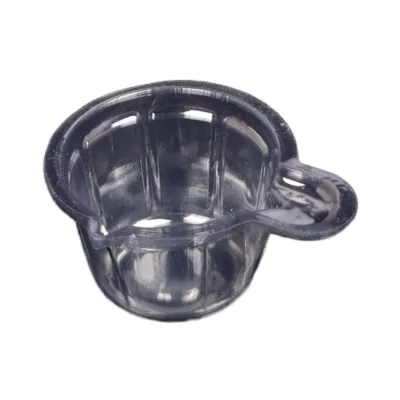
Compare 30 Eco-Friendly Hard Urine Sample Cup options from verified manufacturers. These medical-grade containers feature CE and ISO certifications, offering reliable storage for laboratory and hospital use with customizable sizes and packaging; compare the available evidence and request quotations based on your requirements.
Key considerations
Products List


Disposable Sterile 60ml Sample Urine Specimen Collection Container Cup
$0.03 - $0.06
MOQ: 10000 Pieces


Disposable Plastic 100ml 120ml Urine Sample Cup Container Urine Specimen Cups
$0.04 - $0.50
MOQ: 100000 Pieces


Disposable Plastic Sterile Urine Specimen Collection Container Urine Cup
$0.10 - $0.20
MOQ: 100000 Pieces

Disposable Medical Urine Sample Container Urine Cup with Factory Price
$0.10 - $0.20
MOQ: 100000 Pieces

Urine Collection Cup Disposable Transparent PP Specimen Sample Urine Cup
$0.01 - $0.02
MOQ: 10000 Pieces


Urine Cup Urine Urine Container Urine Container/Urine Sample/Urine Specimen Cup
$0.03 - $0.06
MOQ: 50000 Pieces


40ml Urine Sample Cup Laboratory Use Urine Container Laboratory Specimen
$0.04 - $0.05
MOQ: 50000 Pieces




Comprehensive Sourcing Guide
Eco-Friendly Hard Urine Sample Cup Sourcing Guide
Procuring eco-friendly hard urine sample cups requires balancing material sustainability with strict medical-grade rigidity. The observed product attributes confirm that suppliers offer hard plastic construction designed for laboratory and hospital environments, ensuring the container maintains structural integrity during transport and storage. Buyers must verify that the "Eco-Friendly" designation aligns with the use of recycled materials, as the data indicates a specific focus on recycled content within the plastic composition. This dual requirement ensures the device meets environmental goals without compromising the physical durability needed for handling biological specimens.
Commercial listings reveal a wide range of customization options, including specific volume capacities and logo printing services, which allows for tailored procurement strategies. While some entries note a lack of logo printing, others explicitly offer offset printing capabilities, giving buyers the flexibility to brand their own medical supplies or maintain generic inventory. The availability of OEM and ODM services suggests that manufacturers can adapt the standard hard plastic form to specific client needs, provided the core material properties remain consistent with medical safety standards.
Product Scope and Observed Listing Signals
The market signals indicate a diverse product scope ranging from 10ml to 120ml capacities, with specific models like TJDUC01 and TJMUC02 offering distinct volume profiles. Buyers should expect to find standard sizes such as 30ml, 50ml, and 60ml, alongside larger options like 100ml and 120ml, catering to various clinical testing requirements. The "Hard" flexibility attribute is a critical observation, distinguishing these cups from flexible alternatives and ensuring they resist deformation during shipping or when stacked in laboratory settings.
Listing data shows that packaging varies significantly, from simple bagging to color boxes and customized shipping methods via sea or air. This variability impacts the final cost and logistics planning, as some suppliers offer "1 PC/Bag" while others provide bulk box packaging. The "Fast" delivery time mentioned in some listings contrasts with specific lead times of 20-25 days, indicating that procurement timelines depend heavily on order volume and customization complexity. Buyers must clarify these logistics early to avoid delays in critical medical supply chains.
Technical Specifications to Verify
Verifying the exact material composition is essential, as the "Plastic" attribute combined with "Recycled" content requires confirmation of the specific polymer type used. Buyers should demand technical data sheets that confirm the recycled plastic meets the necessary rigidity and chemical resistance standards for urine specimen collection. The "Hard" classification must be validated through physical testing to ensure the cup does not crack or deform under standard handling pressures, which is vital for maintaining sample integrity in laboratory environments.
Volume accuracy and dimensional consistency are other critical technical parameters that require strict verification against the listed standards of 10ml through 120ml. The "As Your Requirement" standard for size and model suggests that while standard sizes exist, custom dimensions are possible, necessitating precise engineering drawings for any non-standard orders. Additionally, the "Ethylene Oxide Sterilization" attribute must be confirmed for each batch to ensure the cups are free from biological contaminants before reaching the patient or laboratory user.
Compliance and Safety Documentation
Regulatory compliance is paramount, with observed certifications including CE, ISO, and ISO13485, which are essential for medical device distribution in international markets. Buyers must ensure that the specific model they select carries the correct certification for their target region, as some listings mention FDA and ISOCE alongside standard CE marks. The presence of these certifications indicates that the manufacturer adheres to quality management systems required for medical devices, but verification of the specific certificate validity for the current production batch is necessary.
Safety standards such as EN 149-2001+A1-2009 are referenced in the data, though this standard typically applies to respiratory protection rather than specimen cups. Buyers should exercise caution and verify if this standard is correctly cited or if it refers to a different safety protocol relevant to plastic medical containers. The "Medical Device Regulatory Type" is listed as Test Strips & Test Tube, which may imply a broader category classification; therefore, confirming the specific regulatory classification for urine specimen cups is a critical step to ensure legal compliance in the destination market.
Cost Drivers and Commercial Terms
Pricing in this sector is described as "Competitive," yet the observed price range of 0-0.5 USD suggests significant variation based on volume and customization. The Minimum Order Quantity (MOQ) ranges from 1 to 100,000 pieces, meaning unit costs will fluctuate dramatically depending on whether the buyer is purchasing a small trial batch or a large industrial order. Buyers should anticipate that higher customization levels, such as specific logo printing or unique volume sizes, will increase the per-unit cost and potentially raise the MOQ threshold.
Payment terms and delivery schedules are key commercial factors that influence the total cost of ownership. The data indicates "Tt" (Telegraphic Transfer) as a payment method and delivery times ranging from "Fast" to 20-25 days, which impacts cash flow and inventory planning. The "Quality Guarantee Period" of two years adds value but requires clear terms on what constitutes a defect versus normal wear. Understanding these commercial terms is vital for negotiating a contract that balances cost efficiency with reliable supply chain performance.
Supplier Qualification and Quality Control
Supplier qualification should focus on their ability to maintain consistent quality over the two-year guarantee period while adhering to ISO13485 standards. The "Excellent" quality attribute observed in listings must be substantiated by the supplier's internal quality control processes and their history of meeting the "As Your Requirement" standard for production. Buyers should request evidence of their sterilization processes, specifically the Ethylene Oxide method, to ensure that the hard plastic cups are safe for patient use and do not introduce chemical residues.
Quality control checks must extend to the packaging and labeling, as the data shows options ranging from simple bags to color boxes and customized shipping. The "Without Logo Printing" and "With Logo Printing" options indicate that the supplier must have robust processes to handle both generic and branded production runs without cross-contamination or labeling errors. Verifying the supplier's capacity to handle the "Fast" delivery claims while maintaining the "Hard" structural integrity of the product is essential for ensuring that the final delivered goods meet all medical specifications.
Long-Term Procurement Checks
Establishing a long-term procurement strategy requires regular audits of the supplier's ability to maintain the "Recycled" material content and "Eco-Friendly" claims over time. As regulations regarding recycled plastics and medical devices evolve, buyers must ensure that the supplier can adapt their production processes to meet new environmental and safety standards without disrupting the supply chain. The "OEM, ODM: Acceptable" status suggests flexibility, but this must be managed through clear contracts that define quality benchmarks for future production runs.
Continuous monitoring of lead times and delivery performance is necessary to mitigate risks associated with the observed 20-25 day delivery windows. Buyers should track whether the "Fast" delivery claims are consistent across different order sizes and whether the supplier can scale production to meet the 100,000-piece MOQ without compromising quality. Regular review of the certification status, particularly the CE and ISO marks, ensures that the products remain compliant with international medical device regulations throughout the lifecycle of the procurement relationship.
FAQs
What certifications do these urine sample cups have?
These cups hold CE and ISO certifications, including ISO13485 for medical device quality management. They also meet FDA standards and specific safety standards like EN 149-2001+A1-2009. This ensures compliance for laboratory and hospital use, providing reliable sterility and safety for patient specimens during medical testing procedures.
Can I customize the logo on these cups?
Yes, logo printing is available using offset printing techniques. You can choose to have your brand printed or opt for no logo printing. The customization service accepts OEM and ODM requests, allowing you to tailor the packaging and product appearance to match your specific branding requirements and market needs effectively.
What is the minimum order quantity for these cups?
The minimum order quantity is 10,000 pieces. This MOQ applies to standard orders for these eco-friendly hard plastic cups. Buyers should plan their procurement accordingly to meet this threshold. Bulk orders beyond this minimum are supported, ensuring cost-effective sourcing for laboratories and hospitals requiring consistent supplies of specimen containers.
How long is the delivery time for these cups?
The delivery time is typically 20 to 25 days. This fast turnaround ensures timely supply for medical and laboratory needs. The products are packed in bags, boxes, or color boxes and can be shipped by sea or air. This reliable lead time supports efficient inventory management for global buyers.
Are these urine sample cups made from recycled materials?
Yes, these cups are made from recycled plastic, making them eco-friendly. They are hard, durable containers designed for medical applications. The material choice supports sustainability goals while maintaining the structural integrity required for handling urine specimens. This feature appeals to institutions prioritizing environmental responsibility in their procurement decisions.
What payment terms are accepted for these cups?
The accepted payment method is TT, or Telegraphic Transfer. This standard banking method ensures secure transactions for bulk orders. Buyers should arrange payment according to the supplier's terms before production or shipment. This straightforward payment structure facilitates smooth international trade for medical device suppliers and their global client base.