Source Eco Friendly HDPE Small Pallet for Packaging, Transport, and Storage
Find 30 Eco Friendly HDPE Small Pallet options with varying load capacities and entry types. Compare specifications for packaging, transportation, and storage scenarios to select the right industrial solution.
Key considerations
Products List


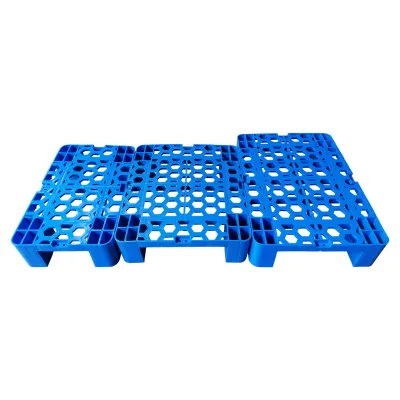


Cheap Light Duty Recycled HDPE Nestable Plastic Pallet 4 Way Entry Plastic Pallet
$21.60 - $31.00
MOQ: 100 Pieces

Cheap Plastic Pallets HDPE Recycled 4 Way Entry Pallet Plastic Transport Pallet
$20.00 - $28.10
MOQ: 100 Pieces


Anti-Slip Plastic Pallet Euro Large Size Plastic Pallet HDPE Euro Pallet
$19.60 - $29.00
MOQ: 100 Pieces


Comprehensive Sourcing Guide
Eco Friendly HDPE Small Pallet Sourcing Guide
Sourcing eco-friendly High-Density Polyethylene (HDPE) small pallets requires a strategic balance between material sustainability, structural integrity, and logistical efficiency. HDPE is a preferred material in modern supply chains due to its inherent resistance to moisture, chemicals, and corrosion, which significantly extends the lifecycle of the pallet compared to traditional wood alternatives. The "small" designation typically refers to compact dimensions, such as the observed 600x500mm or 1000x600mm formats, which are optimized for specific storage racking systems, automated guided vehicles (AGVs), and tight warehouse layouts. Buyers must recognize that while the material is recyclable, the "eco-friendly" claim often hinges on the manufacturing process, the use of post-consumer recycled content, and the pallet’s ability to be fully recycled at the end of its service life without contaminating waste streams.
The procurement landscape for these items is characterized by a wide variance in technical specifications and commercial terms. Observed market data indicates a product count of approximately 30 distinct listings, with prices ranging from $4 to $185 USD and Minimum Order Quantities (MOQs) varying from 1 to 500 units. This disparity suggests a market segmented by both volume buyers seeking bulk industrial solutions and smaller enterprises requiring prototype or low-volume orders. The presence of customization options, including OEM/ODM support and free silk printing logos, indicates that many suppliers are flexible manufacturing hubs rather than rigid catalog distributors. Buyers should leverage this flexibility to tailor pallets to specific brand identities or internal tracking systems, provided they account for the potential impact on lead times and unit costs.
Product Scope and Observed Listing Signals
The current market signals reveal a diverse array of HDPE pallet configurations, ranging from single-face flat pallets to double-faced special pallets designed for heavy-duty applications. Key attributes observed include entry types such as 1-way, 2-way, and 4-way, which dictate how forklifts and pallet jacks can access the load. For instance, 4-way entry pallets offer maximum flexibility in automated warehouses, while 1-way or 2-way designs may provide enhanced structural rigidity for specific stacking scenarios. The color options are not merely aesthetic; they often serve as visual management tools within warehouses, with blue, green, and yellow being common choices. Some suppliers offer customized colors, allowing companies to color-code pallets for different product lines, hygiene zones, or inventory rotation systems.
Material composition is a critical differentiator, with many listings specifying HDPE or a blend of HDPE and other polymers. The surface treatment is typically smooth, which facilitates easy cleaning and reduces the risk of product contamination, a vital feature for food, pharmaceutical, and chemical industries. Additionally, some products incorporate PP honeycomb boards as sleeve materials, offering a lightweight yet rigid alternative for specific packaging needs. The load capacity varies significantly, with observed ratings of 1T and 2T, indicating that buyers must carefully match the pallet’s static and dynamic load limits to their specific handling equipment and storage requirements. The "moisture-proof" and "anti-static" features further expand the applicability of these pallets to sensitive electronic components or humid environments where wood pallets would fail.
Technical Specifications to Verify
When evaluating technical specifications, buyers must prioritize the dimensional accuracy and structural design of the pallet. Standard sizes such as 1000x600x130mm and 600x500x130mm are prevalent, but custom dimensions are also available. It is essential to verify the exact height and deck thickness, as these factors influence racking compatibility and stackability. The entry type must be confirmed against the buyer’s material handling equipment; for example, a 2-way entry pallet may not be compatible with standard 4-way pallet jacks, leading to operational inefficiencies. Furthermore, the distinction between single-face and double-face designs should be aligned with the stacking method; double-face pallets often allow for interlocking stacks, which can improve stability during transport but may require specific handling protocols.
The material grade and processing methods are equally critical for long-term performance. Buyers should inquire about the specific type of HDPE used, whether it is virgin or recycled, and the processing techniques employed, such as molding, cutting, or extrusion. These processes affect the pallet’s density, impact resistance, and overall durability. For applications requiring static control, the presence of anti-static additives must be verified through technical data sheets. Additionally, the locking mechanisms, whether plastic or belt-based, should be assessed for their ability to secure loads during transit. The folding design, indicated as M or Z type, is another key specification for collapsible pallets, which can reduce return shipping costs and storage space when empty.
Compliance and Safety Documentation
Compliance with international standards is a non-negotiable aspect of sourcing HDPE pallets, particularly for global supply chains. While specific certification statuses like ISO 9001, ISO 14001, and ISO 45001 are mentioned in background contexts, buyers must request current, valid certificates from suppliers to ensure that their manufacturing processes meet quality, environmental, and safety management standards. The presence of ISO SGS certification in some listings suggests a level of third-party verification, but buyers should confirm the scope of these certifications to ensure they cover the specific products being purchased. Documentation should also include material safety data sheets (MSDS) to verify that the HDPE used is free from harmful contaminants, especially for food-grade or pharmaceutical applications.
Safety features such as anti-static properties and load capacity ratings must be backed by rigorous testing. Buyers should request test reports that demonstrate the pallet’s performance under dynamic and static load conditions, as well as its resistance to impact and temperature variations. For pallets used in hazardous environments, evidence of flame retardancy or chemical resistance may be required. The "eco-friendly" claim should be supported by documentation regarding the recyclability of the material and the environmental impact of the manufacturing process. Buyers should also verify that the pallets comply with relevant phytosanitary regulations, which is a significant advantage of plastic pallets over wood, as they do not require fumigation or heat treatment for international shipping.
Cost Drivers and Commercial Terms
The cost of HDPE small pallets is influenced by several factors, including material prices, manufacturing complexity, and order volume. The observed price range of $4 to $185 USD reflects the diversity in design, size, and load capacity. Simple, single-face pallets with standard dimensions tend to be on the lower end of the spectrum, while custom-designed, double-faced, or heavy-duty pallets with specialized features like anti-static properties command higher prices. Buyers should analyze the total cost of ownership, which includes not only the purchase price but also maintenance, replacement frequency, and logistics costs. HDPE pallets, while initially more expensive than wood, often offer a lower total cost due to their durability and reusability.
Commercial terms such as MOQ, lead times, and payment conditions vary significantly among suppliers. The observed MOQ range of 1 to 500 units provides flexibility for buyers with varying demand levels. However, buyers should be aware that lower MOQs may come with higher unit prices due to setup costs. Customization options, such as logo printing or specific color requirements, can also impact pricing and lead times. Buyers should negotiate clear terms regarding packaging, shipping, and warranty policies. The "bulk plastic pallet" and "wooden pallet" packing options suggest that suppliers may offer different packaging solutions to protect the goods during transit, which can affect the overall shipping cost.
Supplier Qualification and Quality Control
Supplier qualification is a critical step in ensuring the reliability and consistency of HDPE pallet supplies. Buyers should assess suppliers based on their manufacturing capabilities, quality control processes, and track record. The presence of OEM/ODM support indicates that suppliers are capable of customizing products to meet specific buyer requirements. Buyers should request samples to evaluate the physical quality, dimensional accuracy, and finish of the pallets. It is also important to verify the supplier’s ability to maintain consistent quality across large production runs, as variations in material density or molding parameters can affect performance.
Quality control measures should include regular inspections of raw materials, in-process checks during manufacturing, and final product testing. Buyers should inquire about the supplier’s defect rate and their procedures for handling non-conforming products. The use of high-quality HDPE and advanced processing techniques, such as molding and extrusion, should be verified through site audits or third-party inspections. Additionally, buyers should assess the supplier’s responsiveness to issues and their ability to provide technical support. A reliable supplier will have a robust quality management system in place and will be transparent about their processes and standards.
Long-Term Procurement Checks
Long-term procurement success depends on establishing a sustainable and resilient supply chain for HDPE pallets. Buyers should regularly review supplier performance metrics, including on-time delivery, product quality, and responsiveness to issues. Building a strong relationship with suppliers can lead to better pricing, priority production, and collaborative innovation. Buyers should also stay informed about advancements in HDPE technology and recycling processes, as these can impact the availability and cost of materials. The ability to recycle pallets at the end of their life should be a key consideration in long-term planning, as it aligns with sustainability goals and reduces waste disposal costs.
Continuous improvement in pallet design and usage practices can also enhance long-term value. Buyers should monitor how pallets perform in their specific operational environments and provide feedback to suppliers for product improvements. This collaborative approach can lead to the development of more efficient and durable pallet designs. Additionally, buyers should consider the environmental impact of their pallet usage and explore options for reducing carbon footprint, such as optimizing load configurations or using lightweight designs. By focusing on these long-term factors, buyers can ensure that their HDPE pallet procurement strategy supports both operational efficiency and sustainability objectives.
FAQs
What materials are used for eco friendly hdpe small pallets?
These pallets are primarily made from HDPE plastic, ensuring durability and recyclability. Some variants also incorporate PP honeycomb board for specific insulation needs, offering a lightweight yet strong solution for various transportation scenarios.
Can I customize the logo on these plastic pallets?
Yes, customized logos are acceptable and free silk printing is often available for branding. Buyers can request specific designs to match their corporate identity while maintaining the structural integrity of the high load capacity pallets.
What is the minimum order quantity for these pallets?
The standard minimum order quantity is 100 units for most models. However, some specific listings may allow orders starting from 1 unit, depending on the supplier and the specific product model selected for your project.
Which entry types are available for these flat pallets?
Available entry types include 1-way, 2-way, and 4-way configurations to suit different forklift needs. The style can be single face or double faced, providing flexibility for various storage and racking applications in warehouses.
How much load capacity do these HDPE pallets support?
Load capacities range from 1 ton to 2 tons depending on the specific design and structure. Heavy duty flastic pallets are available to ensure high load capacity for industrial applications requiring robust support during transportation.
Are these pallets suitable for all transportation scenarios?
Yes, they are suitable for all transportation scenarios including packaging, car parts, and general logistics. Their waterproof and recyclable features make them ideal for diverse environments while maintaining stability during movement and storage.