Source Eco Friendly Inflatable Life Ring for boating, swimming, and rescue
Compare 30 Eco Friendly Inflatable Life Ring options from verified suppliers. Explore models with manual and auto activation, varying buoyancy levels, and CE certifications for professional aquatic safety equipment; compare the available evidence and request quotations based on your requirements.
Updated
Key considerations
Products List


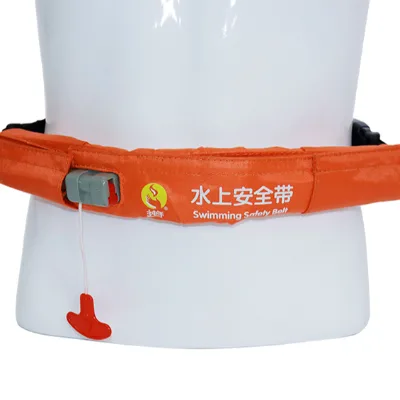
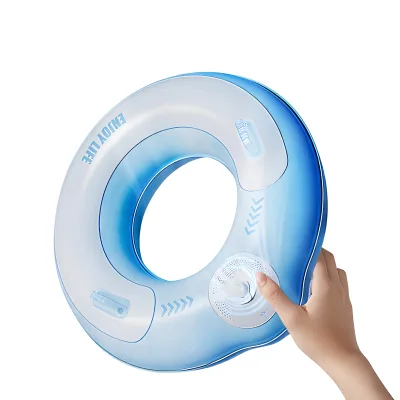
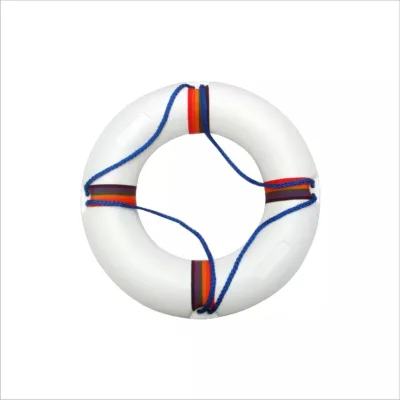



Comprehensive Sourcing Guide
Eco Friendly Inflatable Life Ring Sourcing Guide
Procurement teams must first distinguish between general life vests and specialized inflatable life rings when sourcing eco-friendly options. The available market data indicates a strong presence of inflatable life jackets and belts designed for professional aquatic equipment, with specific models like HTAQBZD and HT066 offering manual and automatic activation. Buyers should verify if the "eco-friendly" claim refers to the water-repellent polyester materials or the manufacturing process, as the observed listings focus heavily on buoyancy performance and activation speed rather than explicit sustainability certifications.
When evaluating product scope, it is critical to note that the observed inventory includes various buoyancy ratings ranging from 75N to 150N, suitable for adult users in professional settings. The listings confirm that these devices are primarily manufactured in Zhejiang, China, with packaging often utilizing cartons or PP bags. Sourcing strategies should prioritize suppliers who can demonstrate the specific material composition of their water-repellent polyester, ensuring that the "eco-friendly" designation aligns with the actual product attributes observed in the commercial listings rather than generic marketing claims.
Technical Specifications to Verify
Buyers must rigorously verify the inflation time and buoyancy retention capabilities, as the observed data specifies an inflation time of less than 5 seconds for some models and exactly 5 seconds for others. The technical requirement for buoyancy loss after 24 hours is consistently listed as less than 5%, a critical metric for ensuring the device remains effective during extended aquatic operations. Procurement teams should request specific test reports confirming that the CO2 cylinder, often 17g, delivers the required thrust to inflate the ring within the stated timeframe under various temperature conditions.
Weight and activation mechanisms are equally vital technical parameters that vary across the observed product range. Some inflatable life belts weigh less than 0.5kg, while others are listed under 0.8kg or 1.0kg, influencing user comfort and deployment speed. The activation models observed include both manual and automatic options, requiring buyers to specify their operational needs clearly. Verification should also include checking the accessory list, such as the inclusion of ISO whistles and SOLAS reflective tape, to ensure the device meets the functional requirements of the intended aquatic field.
Compliance and Safety Documentation
Safety documentation must explicitly confirm compliance with recognized maritime standards, as the observed listings cite SOLAS, CE, ISO, GL/EC, and CCS certifications. Buyers should demand certificates that specifically validate the buoyancy standards of 75N, 110N, 130N, or 150N, depending on the target user weight and activity level. The presence of multiple certification bodies like CCS and GL/EC suggests a robust regulatory framework, but procurement teams must ensure these documents are current and applicable to the specific model number, such as HT106 or ZHAQHZS, being purchased.
In addition to standard certifications, the documentation should address the validity period and maintenance requirements of the life-saving equipment. The observed data indicates a validity of 3 years for certain inflatable units, which necessitates a clear procurement strategy for replacement cycles and storage conditions. Buyers must verify that the safety orange color of the life-saving rings and the reflective tape meet SOLAS visibility requirements. Ensuring that the supplier provides a complete compliance dossier, including test results for buoyancy loss and inflation integrity, is essential for mitigating liability and ensuring user safety.
Cost Drivers and Commercial Terms
Cost structures for inflatable life rings are heavily influenced by the complexity of the activation mechanism and the specific buoyancy rating required. Models offering both manual and automatic activation, along with higher buoyancy ratings like 150N, typically command a higher price point compared to basic 75N units. The observed price range spans from 0.78 to 99 USD, reflecting significant variation based on material quality, certification depth, and the inclusion of accessories like whistles and reflective tapes. Buyers should analyze the cost per unit against the required safety standards to avoid overpaying for unnecessary features or under-specifying for critical safety needs.
Commercial terms such as Minimum Order Quantity (MOQ) and packaging configurations also play a decisive role in the total cost of ownership. The market data shows an MOQ range from 1 piece to 3000 pieces, offering flexibility for small trials or large-scale procurement. Packaging is typically standardized as 15 pieces per carton or individual PP bags, which impacts shipping logistics and storage efficiency. Procurement teams should negotiate based on these volume tiers, ensuring that the unit price decreases appropriately as order quantities increase while maintaining the integrity of the product packaging during transit.
Supplier Qualification and Quality Control
Supplier qualification should prioritize manufacturers located in established industrial hubs like Zhejiang, China, where the observed production data originates. Buyers must verify the supplier's capacity to maintain consistent quality across different model numbers, such as HTAQBZD and HT066, ensuring that the water-repellent polyester material and CO2 cylinder specifications remain uniform. It is essential to confirm that the supplier holds valid ISO and CE certifications and can provide traceable documentation for every batch produced, particularly regarding the 3-year validity period and buoyancy retention rates.
Quality control protocols must include rigorous testing of the inflation time and buoyancy loss after 24 hours to ensure they meet the observed benchmarks of less than 5% loss. Procurement teams should implement a pre-shipment inspection process that verifies the weight of the inflatable life belt, the presence of required accessories like ISO whistles, and the accuracy of the SOLAS reflective tape. Establishing a clear communication channel for reporting any deviations in the activation model or material quality is crucial for maintaining the high safety standards expected in professional aquatic equipment.
Long-Term Procurement Checks
Long-term procurement strategies must account for the 3-year validity period of the inflatable life rings, requiring a systematic approach to inventory rotation and replacement. Buyers should establish a schedule to inspect stored units for signs of degradation in the water-repellent polyester or the CO2 cylinder integrity before the expiration date. This proactive approach ensures that the equipment remains compliant with safety standards and maintains its buoyancy performance, preventing the deployment of expired or compromised life-saving devices in critical aquatic environments.
Sustainability and supply chain resilience are also key considerations for long-term sourcing of eco-friendly inflatable life rings. Procurement teams should regularly audit suppliers to ensure that their manufacturing processes align with the "eco-friendly" claims, particularly regarding the materials used and waste management practices. Building a diversified supplier base can mitigate risks associated with production delays or material shortages, ensuring a steady supply of certified life-saving equipment. Continuous engagement with suppliers to review updates in SOLAS standards and certification requirements will help maintain a robust and compliant procurement pipeline.
FAQs
What certifications do the inflatable life rings have?
The inflatable life rings hold CE, ISO, GL/EC, and CCS certifications. These credentials ensure compliance with international safety standards for aquatic equipment. Buyers can verify these documents to confirm regulatory adherence for professional use in various global markets.
How fast do the inflatable life rings activate?
The inflatable life rings activate in less than 5 seconds. This rapid deployment ensures immediate buoyancy support during emergencies. The manual and auto activate models provide reliable performance, making them suitable for critical safety applications in aquatic environments.
What is the minimum order quantity for these rings?
The minimum order quantity is 1 piece. This low MOQ allows buyers to test product quality before placing larger orders. It supports flexible procurement strategies for small businesses or those evaluating suppliers for potential long-term partnerships in the safety equipment sector.
Can these life rings be customized for specific needs?
Yes, customization is available for these life rings. Buyers can request specific modifications to meet unique operational requirements. This flexibility allows organizations to tailor safety equipment to their exact specifications, ensuring optimal fit and functionality for their specific aquatic safety protocols.
What is the weight of the inflatable life rings?
The inflatable life rings weigh less than 0.8kg. This lightweight design enhances portability and ease of handling for users. The compact weight ensures that the equipment can be easily stored and deployed without adding significant burden to the user or storage space.
Where are these life rings manufactured?
These life rings are manufactured in Zhejiang, China. This location is a known hub for safety equipment production. Buyers can leverage this origin information to assess logistics, shipping costs, and supply chain reliability when sourcing these products for their organizational needs.