Source Lightweight Neoprene Diving Boots for diving, surfing, and snorkeling
Explore 30 listings of Lightweight Neoprene Diving Boots suitable for diving, surfing, and snorkeling. Buyers can compare specifications like thickness, size, and customization options from suppliers in Guangdong and Shanghai; compare the available evidence and request quotations based on your requirements.
Updated
Key considerations
Products List


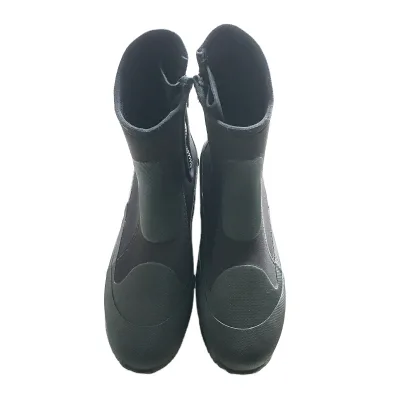
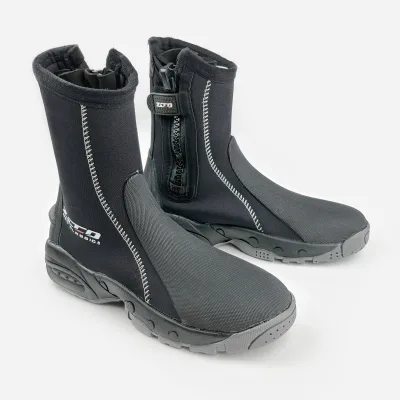
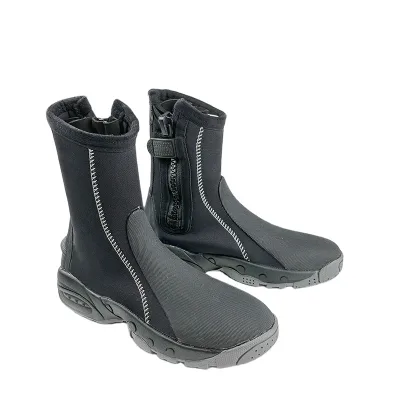
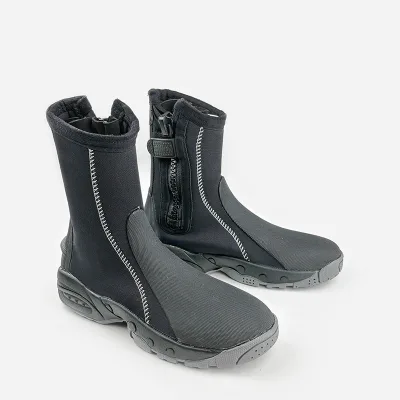

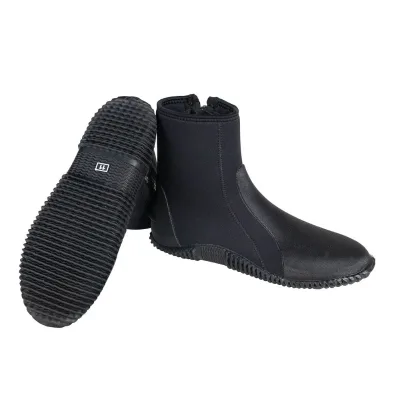
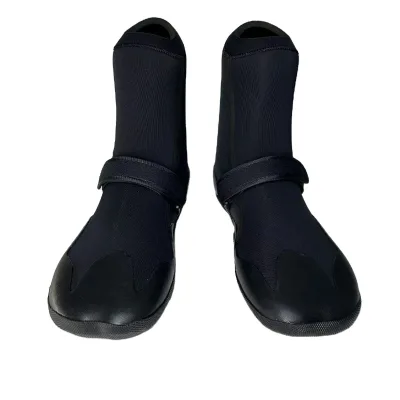
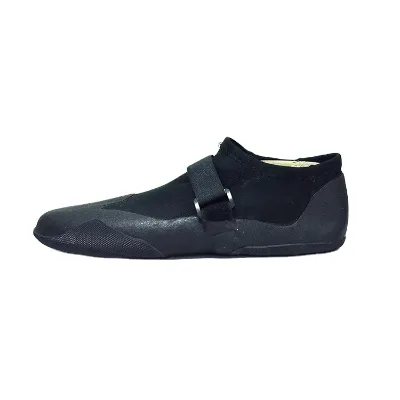


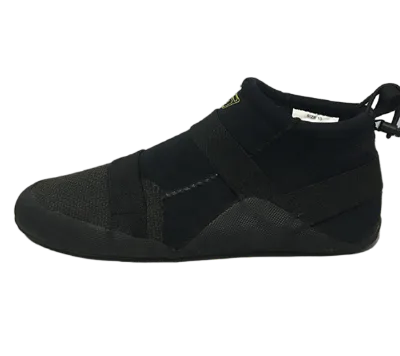
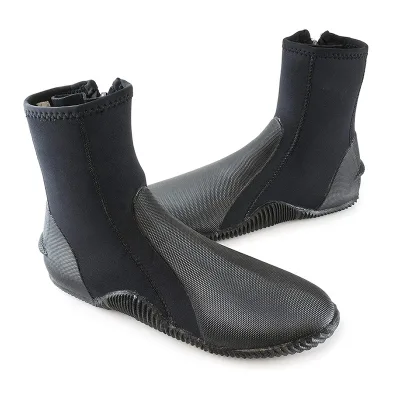
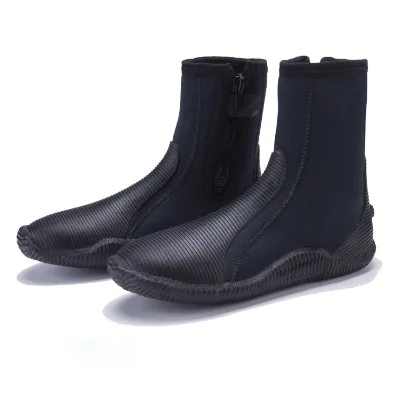
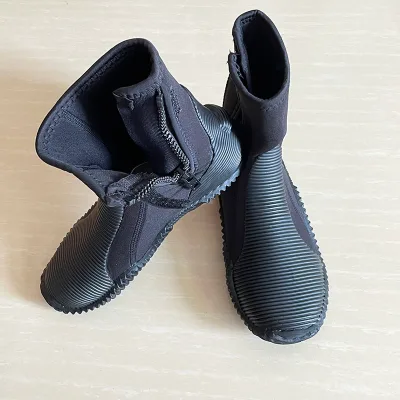
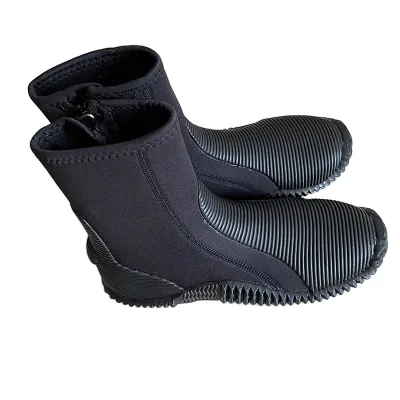
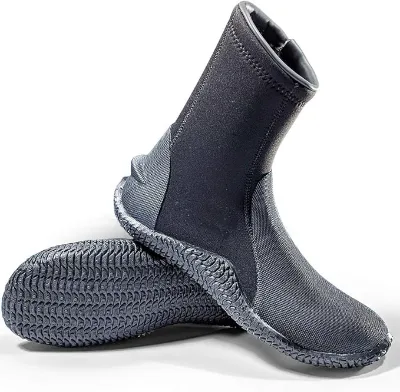
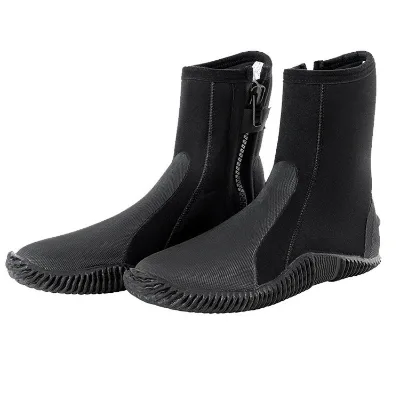
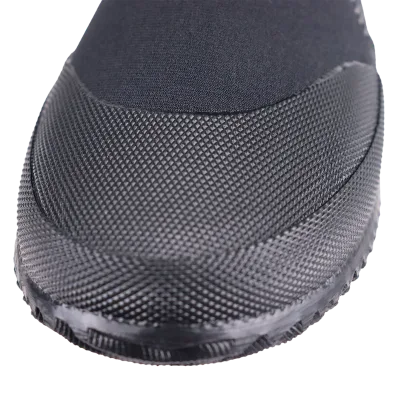
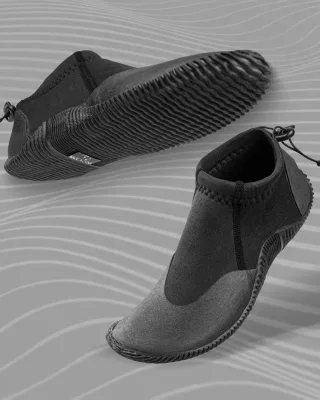
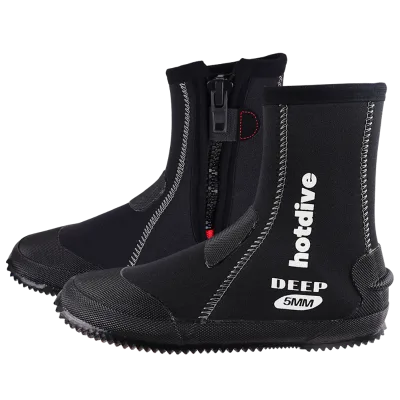


Comprehensive Sourcing Guide
Lightweight Neoprene Diving Boots Sourcing Guide
Buyers seeking Lightweight Neoprene Diving Boots must first align product attributes with specific usage scenarios such as scuba diving, spearfishing, surfing, and general watersports. The observed market data indicates that these boots are frequently constructed from neoprene with rubber soles and zippers, designed to offer waterproof protection while maintaining flexibility. Procurement teams should verify that the selected model supports the intended activity, as some listings specify applications for diving and swimming while others emphasize outdoor styles suitable for broader aquatic environments.
When evaluating product listings, it is critical to distinguish between general fashion styles and technical gear designed for underwater performance. The available data highlights features like durability, comfort, and lightweight construction, which are essential for extended wear in water. Buyers should confirm that the "lightweight" claim corresponds to the actual material composition and sole design, ensuring the boots provide adequate thermal insulation and traction without adding unnecessary bulk to the diver's gear.
Product Scope and Observed Listing Signals
The current market for Lightweight Neoprene Diving Boots presents a diverse range of models, with observed product codes such as WU4010, WU4013, and WU4012 indicating distinct variations in design and specification. These listings often feature size ranges extending from XS to 3XL, accommodating various foot dimensions and ensuring a regular fit for different user demographics. Procurement specialists must carefully cross-reference model numbers with specific size charts, as some products list sizes in standard increments while others use numerical ranges like 4-12, which may require conversion for international buyers.
Pricing and minimum order quantities (MOQ) vary significantly across the supply base, with observed price points ranging from $0.70 to $43.85 USD and MOQs starting as low as one unit or scaling up to 1000 pairs. This variance suggests a market segment that serves both small-scale retailers and large distributors, necessitating a clear strategy for volume negotiation. Buyers should note that while some suppliers offer customization and OEM services, others may have stricter constraints on order volume, directly impacting the total cost of ownership and inventory planning.
Technical Specifications to Verify
Material composition is the primary technical factor to validate, as the core requirement for these boots is high-quality neoprene often paired with rubber soles and zippers for ease of entry. Buyers must confirm the specific thickness of the neoprene, as observed listings mention 5mm options which provide a balance between thermal protection and flexibility. It is essential to verify that the rubber sole offers sufficient grip for underwater surfaces and that the zipper mechanism is corrosion-resistant to ensure longevity in saltwater environments.
Packaging and dimensional specifications are equally critical for logistics planning, with observed single package sizes ranging from 20x20x5 cm to 30x15x10 cm and gross weights varying between 0.5 kg and 2.5 kg per unit. These dimensions directly influence shipping costs and storage requirements, particularly when importing in bulk cartons that may contain 20 pairs per carton. Procurement teams should request detailed packing lists to ensure that the single package size and gross weight align with freight forwarder constraints and warehouse capacity.
Compliance and Safety Documentation
While specific certification standards are not explicitly detailed in the provided product data, buyers must demand evidence of material safety and manufacturing compliance for any diving equipment entering the market. The absence of listed certifications in the source facts necessitates a proactive approach where suppliers are required to provide test reports confirming the neoprene and rubber materials meet relevant international safety standards for aquatic gear. This verification step is crucial to ensure the boots do not release harmful substances or degrade rapidly under UV exposure and saltwater conditions.
Documentation regarding the origin of the product is also a key compliance factor, with observed production locations including Guangdong and Shanghai, China. Buyers should verify that the manufacturing facilities adhere to local labor laws and environmental regulations, as these factors can impact the ethical standing of the supply chain. Requesting a declaration of conformity or a certificate of origin helps mitigate risks associated with non-compliant manufacturing practices and ensures the product meets the regulatory requirements of the destination market.
Cost Drivers and Commercial Terms
The final cost of Lightweight Neoprene Diving Boots is heavily influenced by the level of customization requested, such as logo printing, color variations, and specific model modifications. The observed data confirms that customization is available and that OEM/ODM services are offered, which typically incurs additional tooling or setup fees. Buyers should negotiate these costs upfront, as the price range of $0.70 to $43.85 likely reflects the difference between standard stock items and fully customized orders with unique branding and specifications.
Commercial terms regarding payment and delivery lead times must be clearly defined to avoid supply chain disruptions. Although specific lead times are not provided in the source facts, the variation in MOQs from single units to 1000 pairs suggests that production schedules will differ based on order volume. Procurement teams should establish clear timelines for sample approval, mass production, and shipping, ensuring that the supplier can meet the required delivery dates without compromising on the quality of the neoprene or the integrity of the rubber soles.
Supplier Qualification and Quality Control
Supplier qualification should focus on verifying the consistency of product attributes, such as the "New" condition and the specific "Diving" usage classification observed in the listings. Buyers must assess the supplier's ability to maintain quality control across different batches, ensuring that the neoprene thickness and rubber sole durability remain consistent with the initial samples. Given that the product origin is listed as Guangdong or Shanghai, it is advisable to conduct on-site audits or request third-party inspection reports to validate the manufacturing capabilities and quality assurance processes.
Quality control protocols must also address the packaging and labeling accuracy, as observed specifications include details like "1 pair in a bag" and "20 pairs per carton." Inconsistent packaging can lead to product damage during transit or confusion at the receiving end, particularly when dealing with multiple SKUs. Buyers should implement a rigorous inspection plan that checks for correct model numbers, size accuracy, and the presence of required features like waterproofing and lightweight construction before authorizing shipment.
Long-Term Procurement Checks
Establishing a long-term relationship with suppliers requires regular performance reviews based on product consistency and service reliability. Buyers should track metrics such as defect rates, delivery punctuality, and the responsiveness of the supplier to customization requests, as these factors directly impact the brand reputation of the diving boots. The availability of OEM services and customized logos suggests a potential for deepening the partnership, provided the supplier can consistently deliver high-quality neoprene products that meet the evolving needs of the market.
Continuous monitoring of market trends and material costs is essential for maintaining a competitive edge in the diving gear sector. As the observed price range and MOQs fluctuate, procurement teams must remain agile to adjust their sourcing strategies accordingly. Regular communication with suppliers regarding new material innovations or design improvements can help ensure that the Lightweight Neoprene Diving Boots remain at the forefront of the market, offering superior comfort and performance for divers and watersport enthusiasts.
FAQs
What materials are used for Lightweight Neoprene Diving Boots?
These boots are crafted from high-quality neoprene, often combined with a rubber sole and zipper for durability. The neoprene provides essential thermal insulation and flexibility, while the rubber sole ensures traction on wet surfaces. This material combination supports comfort and performance during various water activities.
Can I customize the logo on these diving boots?
Yes, customization is available for these diving boots. Suppliers accept customized logos and offer OEM or ODM services to meet specific branding needs. This allows buyers to tailor the product appearance, ensuring the boots align with their brand identity while maintaining the required functional specifications for diving.
What sizes are available for Lightweight Neoprene Diving Boots?
Available sizes typically range from XS to 3XL, including specific numeric sizes like 4-12. Options include S, M, L, XL, and XXL to accommodate different foot dimensions. Buyers should check the specific model size chart, as some products offer a broader range to ensure a proper fit for all users.
What is the typical MOQ for ordering these boots?
The minimum order quantity varies by supplier, with observed values ranging from 1 to 1000 pairs. Some suppliers set a standard MOQ of 50 pairs, while others may allow smaller trial orders. Buyers should verify the specific MOQ requirements with the manufacturer to ensure the order meets their procurement volume needs.
Where are these diving boots typically manufactured?
These boots are primarily manufactured in China, with specific origins noted in Guangdong and Shanghai. This location offers access to established neoprene processing facilities and supply chains. Buyers sourcing from these regions benefit from mature manufacturing capabilities and efficient logistics for international shipping of diving equipment.
What features do these neoprene diving boots offer?
Key features include waterproof construction, lightweight design, and comfort for extended wear. The boots are designed to be durable and suitable for underwater activities. Additional attributes often include a regular fit and high-quality neoprene material, ensuring protection and flexibility during diving, snorkeling, or surfing sessions in various conditions.