Source eco-friendly mirror finish lotion pump for Cosmetics
Find 30 eco-friendly mirror finish lotion pump options from Chinese manufacturers. Compare PP plastic sprayers with 2.3ml dosage, SGS standards, and recyclable features for cosmetics and lotions. These pumps offer non-spill performance and customizable colors to meet diverse packaging needs in the beauty industry.
Updated
Key considerations
Products List


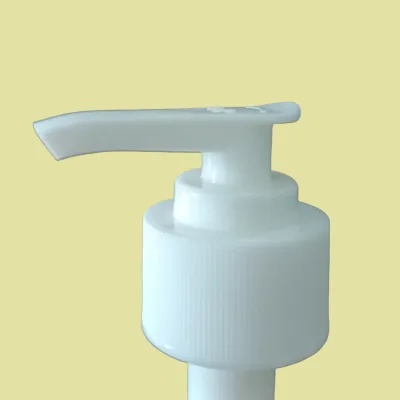
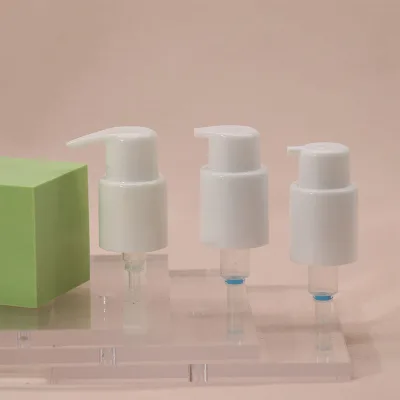
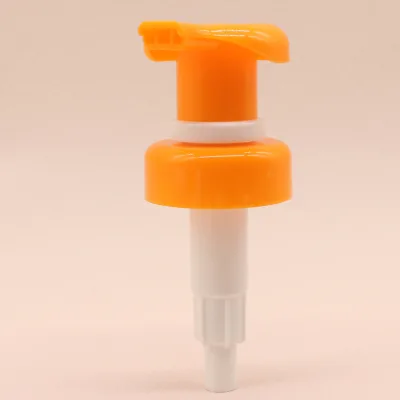
Eco Friendly Mono Lotion Pump Cosmetic Packaging Container PP Body Lotion Pump
$0.06 - $0.07
MOQ: 20000 Pieces
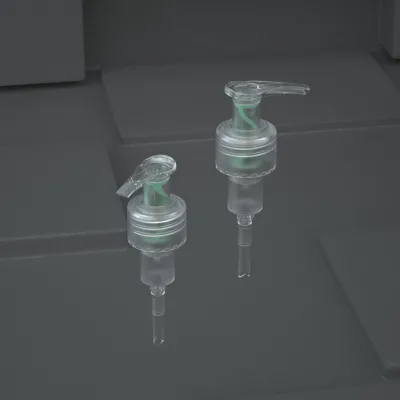
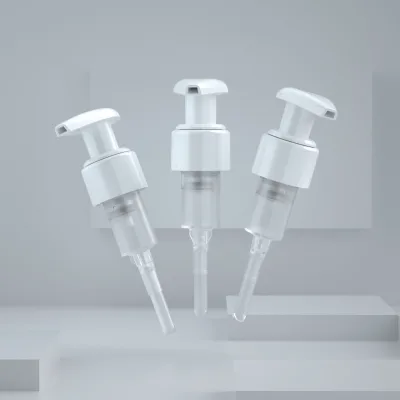
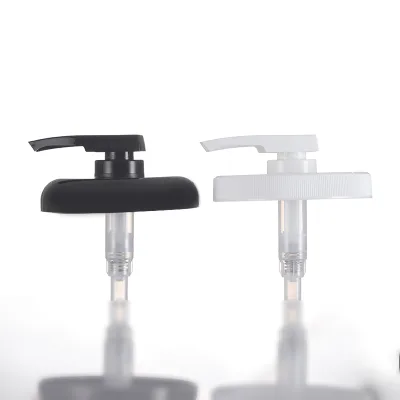


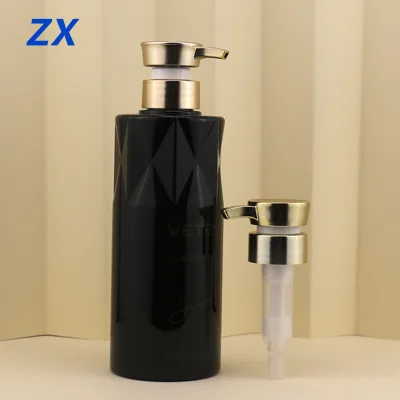
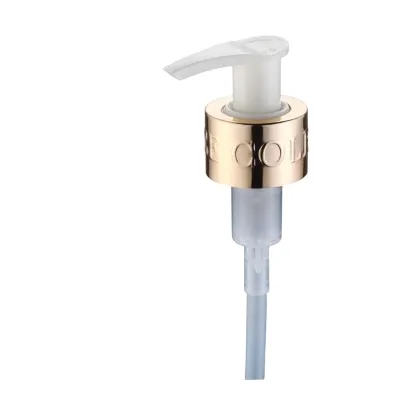
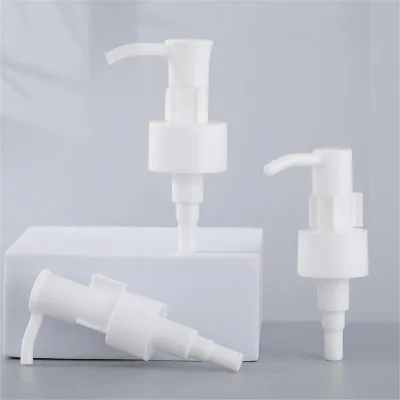
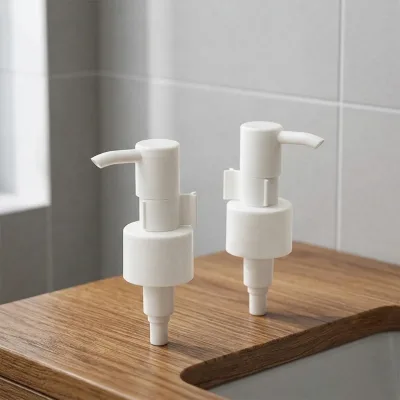
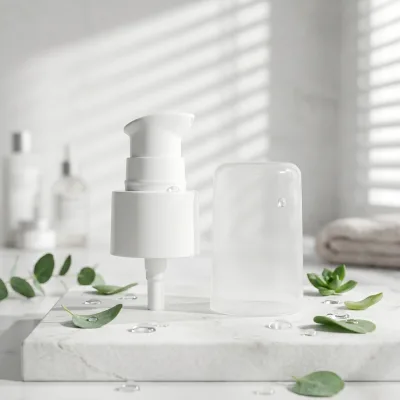
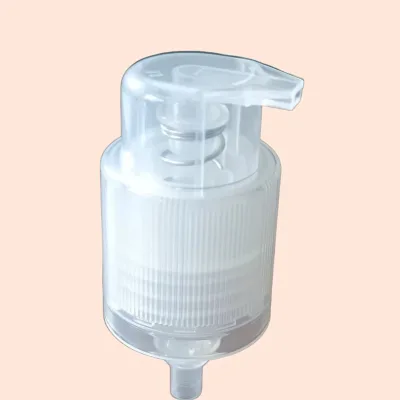
Anti-Leak Transparent 24 Treatment Pump for Facial Serum Packaging Lotion Pump
$0.06 - $0.10
MOQ: 20000 Minimum
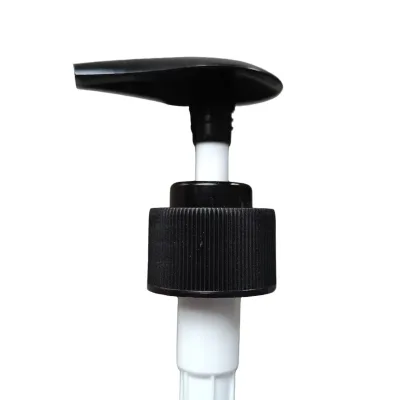
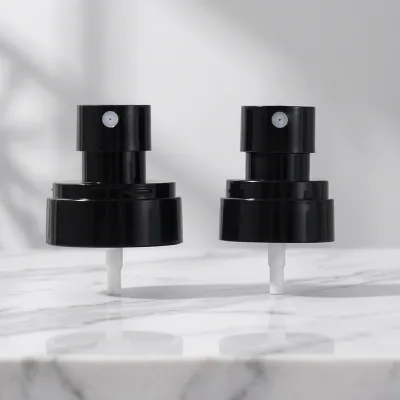
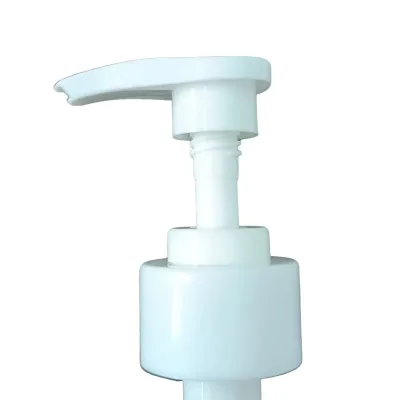
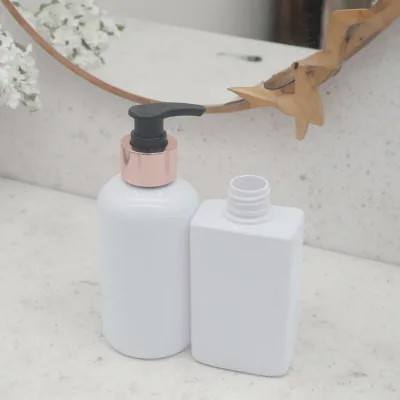
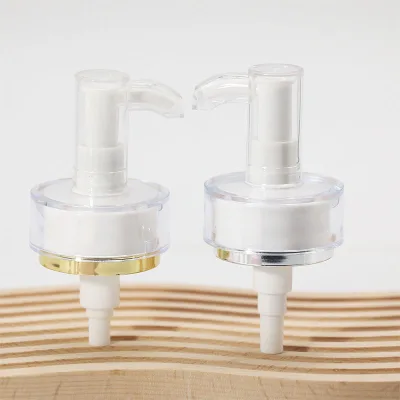
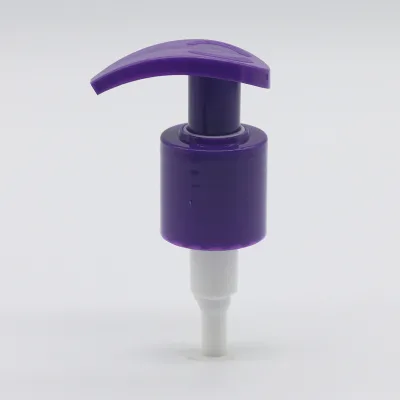
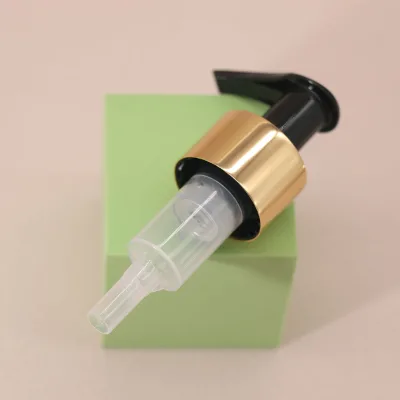
$0.0827 - $0.1137
MOQ: 10000 pieces
Comprehensive Sourcing Guide
Eco-Friendly Mirror Finish Lotion Pump Sourcing Guide
Procurement teams must first distinguish between standard plastic sprayers and specialized mirror-finish variants, as the supplied data confirms a broad range of plastic pump types including PP and general plastic constructions. While the observed listings highlight features like non-spill capabilities and recyclability, the specific "mirror finish" aesthetic is not explicitly verified in the provided product facts. Buyers should treat the "mirror" descriptor as a potential surface treatment requirement rather than a standard attribute, ensuring that any supplier claiming this finish can provide visual samples or material data sheets confirming the coating process.
The observed product scope includes various neck sizes such as 24/410 and 28/410, with capacities ranging up to 100ML for specific models. Although the data lists "eco-friendly" attributes like recyclability and non-refillable designs, the exact environmental certification for a mirror finish is not detailed in the source text. Sourcing strategies should focus on verifying if the PP material used supports the desired aesthetic without compromising the recyclability claims, as the supply chain must align the visual finish with the underlying material sustainability profile.
Product Scope and Observed Listing Signals
Buyers should analyze the observed listing signals to understand the baseline capabilities of the market, noting that the data confirms a supply ability of 40 million units per year with diverse neck specifications. The presence of "Safe Export Pack" and specific carton dimensions like 573737 cm indicates standardized logistics for bulk orders, yet the specific packaging for mirror-finish items requires confirmation to prevent surface damage during transit. Procurement teams must verify if the standard export packaging is sufficient for delicate finishes or if additional protective measures are necessary for the mirror coating.
The observed price range of 0 to 0.34 USD suggests a highly competitive market, but this figure likely represents standard plastic pumps rather than specialized mirror-finish versions. The minimum order quantities observed vary significantly from 10 to 30,000 pieces, with some suppliers requiring 10,000 pieces as a baseline. Buyers must clarify if the lower MOQs apply to standard white or customized colors, as the mirror finish may necessitate higher volume commitments to justify the specialized production setup and tooling costs.
Technical Specifications to Verify
Technical verification must begin with the neck compatibility, as the data explicitly lists 24/410, 28/410, and 18/410 as available specifications. The dosage accuracy is noted as 2.3±0.3ml/T for certain models, a critical metric for lotion and cream applications where precise dispensing is required. Buyers should request detailed technical drawings for the mirror-finish variant to ensure the internal mechanism, including the dip tube and actuator, maintains the specified dosage tolerance while accommodating the external aesthetic coating.
Material integrity is paramount, with the supplied facts confirming PP as a primary material type alongside general plastic classifications. The maximum continuous temperature of 150°F and the use of screw-on closures must be validated against the mirror coating's thermal stability. Procurement teams should verify that the water transfer printing or other finishing techniques do not degrade the plastic's structural integrity or affect the closure's sealing performance under the stated temperature limits.
Compliance and Safety Documentation
Compliance verification requires cross-referencing the listed certifications, specifically ISO and SGS, which are mentioned in the product facts. While these standards indicate a baseline for quality management and product safety, they do not automatically confirm compliance with specific regional regulations for cosmetic packaging or the environmental claims associated with the mirror finish. Buyers must request specific test reports that address the chemical composition of the mirror coating to ensure it meets the safety requirements for products applied to the skin or stored in cosmetic containers.
The "eco-friendly" and "recyclable" attributes observed in the listings must be substantiated with third-party documentation rather than assumed from marketing terms. Since the data mentions "Non-Refillable" and "Recyclable" features, suppliers should provide evidence of the material's recyclability in the target market's waste management infrastructure. Procurement teams should also verify if the "Safe Export Pack" includes any specific handling instructions for hazardous materials, ensuring that the mirror finish does not introduce volatile organic compounds or other regulated substances during shipping.
Cost Drivers and Commercial Terms
Cost structures are heavily influenced by the customization options, as the data confirms that custom orders and color customization are accepted. The "mirror finish" likely represents a significant value-add over standard white or solid cone designs, potentially driving up unit costs beyond the observed 0-0.34 USD range for basic models. Buyers should negotiate based on the complexity of the finishing process, ensuring that the quoted price includes the cost of the specialized tooling and the additional quality control steps required for the aesthetic coating.
Commercial terms in the observed data include a T/T 30% deposit with the balance due before delivery, alongside a lead time of 35-45 days. These terms are standard but may need adjustment for custom mirror-finish orders that require longer production cycles or specialized material sourcing. Procurement teams should clarify if the lead time includes the time for sample approval of the mirror finish, as the 35-45 day window might only cover the mass production phase after the design is finalized.
Supplier Qualification and Quality Control
Supplier qualification should prioritize manufacturers with a proven track record in plastic molding and surface finishing, as the data indicates origins in Ningbo, Guangdong, and Zhejiang. The presence of a "Caiyun" brand name suggests established manufacturing capabilities, but buyers must verify the specific factory's experience with mirror finishes to avoid quality inconsistencies. It is essential to audit the supplier's quality control processes to ensure that the non-spill and dosage features remain consistent across the entire batch of mirror-finished pumps.
Quality control protocols must address the specific risks associated with the mirror finish, such as scratching or peeling during the assembly and packaging process. The observed single package size of 15x10x10 cm and gross weight of 0.500 kg provide a baseline for logistics, but the handling of delicate finishes requires stricter inspection criteria. Buyers should implement a rigorous sampling plan that tests the adhesion of the mirror coating and the mechanical durability of the pump actuator to ensure the product meets the expected performance standards.
Long-Term Procurement Checks
Long-term procurement strategies must account for the stability of the supply chain, particularly regarding the availability of specialized materials for the mirror finish. The observed supply ability of 40 million units per year is robust, but buyers should verify if this capacity includes the production of custom-finish items or if it is limited to standard SKUs. Establishing a long-term partnership requires clear agreements on how the supplier will manage inventory and production scheduling for custom orders to prevent delays in the supply chain.
Continuous monitoring of product performance is essential to maintain the integrity of the eco-friendly and recyclable claims over time. Buyers should schedule regular audits to ensure that the supplier continues to meet the ISO and SGS standards and that the mirror finish does not degrade or change color during the product's shelf life. Additionally, procurement teams should review the shipping methods, including sea, air, and courier express options, to ensure that the logistics strategy remains cost-effective and reliable for future orders.
FAQs
Can I customize the color of the lotion pump?
Yes, customized colors are available for these plastic lotion pumps. The product features a solid cone shape and is made from PP material. Buyers can request specific color options to match their brand identity. This customization service allows for tailored aesthetic solutions for cosmetic packaging needs while maintaining the non-spill and recyclable features of the pump.
What is the typical lead time for production?
The normal lead time is 35-45 days. This duration applies to standard production runs for the lotion pumps. Buyers should account for this timeframe when planning inventory. The lead time ensures quality control and proper manufacturing processes are followed. It is advisable to confirm specific schedules with the supplier based on order volume and customization requirements.
What certifications do these pumps hold?
These pumps hold ISO and SGS certifications. The certifications indicate compliance with international quality and safety standards. The product is made from PP plastic and features a non-spill design. These credentials provide assurance for industrial use in cosmetics. Buyers can rely on these certifications for regulatory compliance and quality assurance in their supply chain.
What is the minimum order quantity for these pumps?
The minimum order quantity is 10,000 pieces. This MOQ applies to the standard lotion pump models. Buyers must meet this threshold to place an order. The quantity ensures efficient production and shipping processes. Custom orders are accepted, but the MOQ remains a key requirement for initiating the manufacturing process for these plastic packaging components.
Where are these lotion pumps manufactured?
These pumps originate from Ningbo, Guangdong, and Zhejiang in China. The manufacturing locations provide access to established supply chains. Buyers can source from these regions for plastic lotion pumps. The origin influences shipping methods and logistics planning. Understanding the production location helps in evaluating lead times and transportation costs for international orders.
What specifications are available for the neck size?
Available neck sizes include 18/410, 20/410, and 24/410. These specifications ensure compatibility with various bottle types. The pumps are designed for plastic lotion applications. Buyers can select the appropriate neck size based on their container requirements. The 24/410 option is commonly used for standard lotion bottles, ensuring a secure fit and proper dispensing.