Source eco-friendly non-toxic coin bank for Business Gifts, Home Decor, Art
Compare 30 listings of eco-friendly non-toxic coin bank options made from resin, polyresin, and plastic. Buyers can evaluate customization, MOQs, and production times for business gifts, home decoration, and art collection needs; compare the available evidence and request quotations based on your requirements.
Updated
Key considerations
Products List


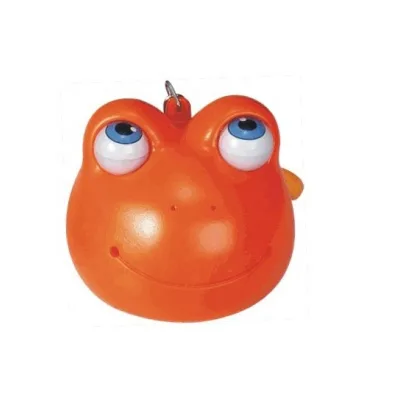
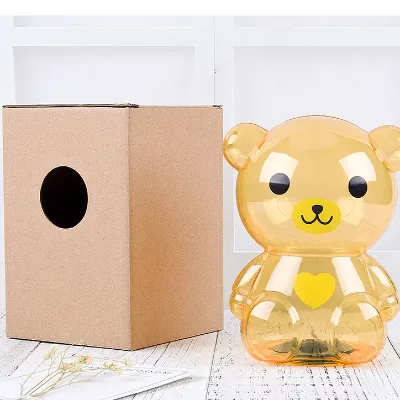
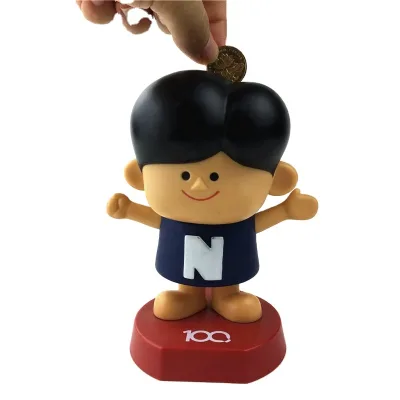
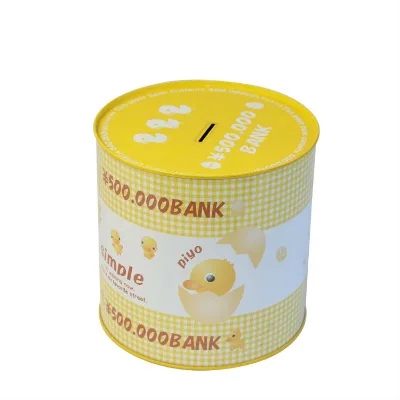
Round Shape Cute Printing Unique Coin Banks Promotional Coin Saving Bank for Children
$0.40 - $0.45
MOQ: 20000 pieces
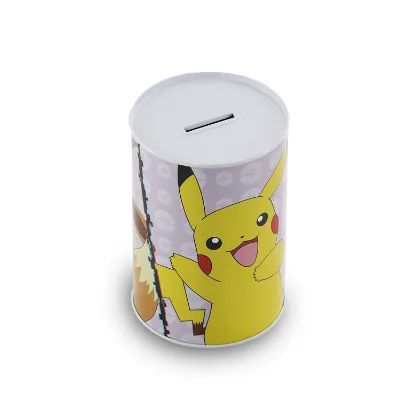

Eco-Friendly Plastic Saving Box Children's Piggy Bank Plastic Coin Bank
$3.00 - $4.00
MOQ: 1000 Pieces


Custom Money Box Saving Bank/Cartoon Money Saving Box/ Cartoon Coin Bank
$2.00 - $3.00
MOQ: 5000 Pieces
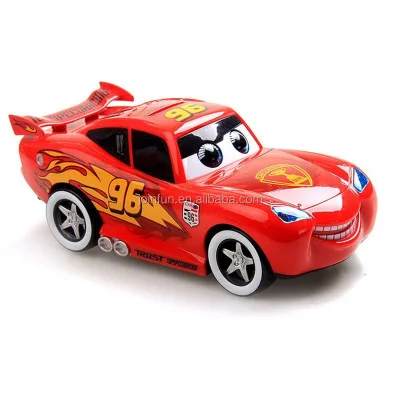
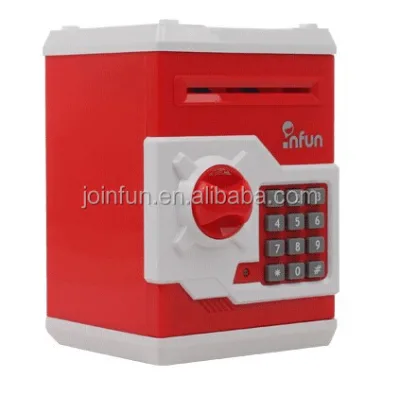
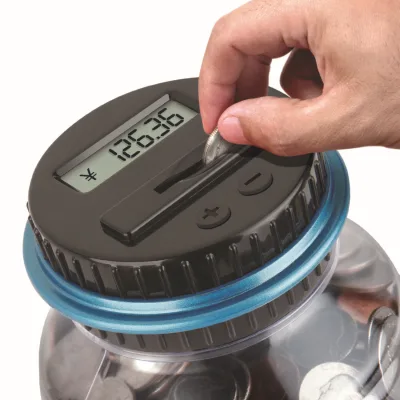
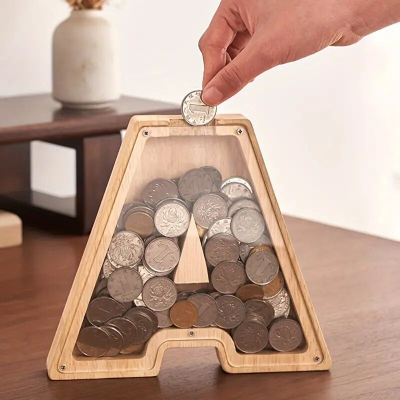
Personalized Savings Coin Bank Kids Letters Coin Bank Unbreakable Wooden Money Bank
$1.7463 - $1.9817
MOQ: 100 pieces


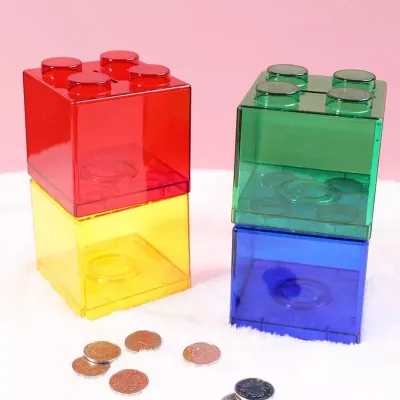
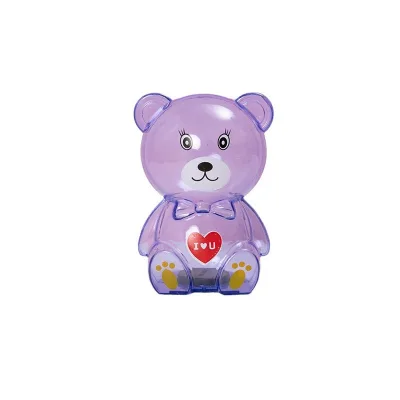


Comprehensive Sourcing Guide
Eco-Friendly Non-Toxic Coin Bank Sourcing Guide
Procuring eco-friendly non-toxic coin banks requires a nuanced understanding of material science and manufacturing processes, particularly when balancing aesthetic appeal with safety standards. Buyers must recognize that "eco-friendly" is often a marketing term rather than a certified attribute in the current supply landscape. The provided data indicates that common materials include resin, polyresin, PVC, ABS, and plastic, none of which are inherently biodegradable or derived from sustainable sources without specific certification. Therefore, the primary focus for procurement teams should be on verifying the non-toxic nature of these polymers through rigorous third-party testing rather than relying on supplier claims of environmental friendliness. This distinction is critical for maintaining brand integrity and ensuring compliance with international safety regulations, especially for products intended for children or promotional use.
The manufacturing landscape for these items is diverse, ranging from hand-made natural style sculptures to mass-produced molded plastic banks. Observations show that products are often customized in shape, such as motorcycle or animal designs, and finished with painted surfaces. While customization is widely available, the environmental impact of the painting process and the use of polyfoam or styrofoam in packaging cannot be ignored. Buyers should prioritize suppliers who can demonstrate low-VOC (Volatile Organic Compartment) paint usage and recyclable packaging solutions. Understanding the specific production methods, whether hand-made or industrial molding, helps in assessing the consistency of the non-toxic claims and the overall sustainability profile of the final product.
Product Scope and Observed Listing Signals
The current market for coin banks and money boxes exhibits a wide range of product types, from decorative sculptures to functional savings tools. Listings indicate that these items are suitable for home decoration, business gifts, and holiday promotions, with styles ranging from natural to cartoon animal designs. The observed product models, such as WT-B107, WT-B108, and MF-11, suggest a high degree of variety in form factor, including motorcycle shapes, oval designs, and specific animal figures like elephants. This diversity allows buyers to tailor their procurement to specific target audiences, whether for young children aged 2-4 years or older demographics aged 14 and up. The versatility in application underscores the importance of selecting products that align with both the functional needs and the aesthetic preferences of the end consumer.
Pricing and minimum order quantities (MOQ) vary significantly across different suppliers and product specifications. The observed price range is between $0.1 and $5 USD, with MOQs ranging from as low as 1 unit to as high as 20,000 pieces. This variability suggests that buyers can access both small-batch custom orders and large-scale commercial shipments. However, the low price points often correlate with standard plastic materials like PVC and ABS, which may require additional verification for non-toxic compliance. Buyers should be cautious of extremely low prices that might indicate the use of inferior materials or lack of proper safety certifications. Understanding the relationship between price, MOQ, and material quality is essential for making informed sourcing decisions that balance cost efficiency with safety requirements.
Technical Specifications to Verify
When evaluating technical specifications, buyers must focus on material composition and physical dimensions to ensure product suitability. The supplied data highlights materials such as resin, polyresin, PVC, ABS, and plastic, each with distinct properties regarding durability and safety. For instance, polyresin products often come with SGS certification, while PVC items may carry CE marks. Buyers should verify the specific grade of plastic used, ensuring it is free from harmful additives like phthalates or lead. Additionally, the single package size and gross weight, such as 3.5x3x3.5 cm and 0.035 kg for certain models, are crucial for logistics planning and cost estimation. These physical attributes directly impact shipping efficiency and storage requirements, making them key factors in the procurement process.
Surface treatment and customization options are also critical technical aspects to consider. Many products are painted, which introduces potential risks if non-toxic paints are not used. Buyers should request detailed information about the painting process and the types of coatings applied to ensure they meet safety standards. Furthermore, the ability to customize size, logo, and packaging is widely available, allowing for brand-specific solutions. However, customization often involves additional lead times, such as 21 to 28 days for mold creation or 35 work days for production. Understanding these technical constraints helps buyers plan their inventory and marketing campaigns effectively, avoiding delays that could impact sales cycles.
Compliance and Safety Documentation
Compliance with safety standards is paramount when sourcing coin banks, especially those marketed towards children. The observed certifications include SGS and CE, which indicate adherence to specific safety and quality benchmarks. Buyers must verify that these certifications are current and cover the specific materials and finishes used in the product. For example, SGS certification for polyresin products suggests rigorous testing for heavy metals and toxic substances, while CE marking for PVC items indicates compliance with European safety directives. It is essential to request copies of these certificates and cross-reference them with the product batch numbers to ensure authenticity. This due diligence protects the buyer from liability and ensures that the products meet the regulatory requirements of their target markets.
In addition to certifications, buyers should inquire about additional testing reports, such as those for flammability, durability, and chemical composition. While not explicitly mentioned in the supplied data, these tests are often required for products intended for young children. The age range specifications, from 2-4 years to 14 years and up, imply different safety considerations, with younger age groups requiring stricter controls. Buyers should also verify the origin of the products, with Guangdong, China, being a common source. Understanding the regulatory landscape of the manufacturing location can provide insights into the baseline safety standards and the likelihood of compliance with international norms. This comprehensive approach to documentation ensures that the procured coin banks are safe and legally compliant.
Cost Drivers and Commercial Terms
Several factors influence the cost structure of eco-friendly non-toxic coin banks, including material selection, customization complexity, and order volume. The use of premium materials or non-toxic paints can increase production costs, while larger order volumes typically reduce per-unit prices. The observed MOQs range from 1 to 20,000 pieces, offering flexibility for buyers with varying needs. However, smaller orders may incur higher setup costs, particularly for customized designs that require new molds. Buyers should negotiate terms that reflect the true cost of compliance and quality assurance, rather than focusing solely on the unit price. Understanding these cost drivers helps in creating a realistic budget and avoiding unexpected expenses during the procurement process.
Commercial terms such as payment methods, shipping options, and delivery times also play a significant role in the overall cost. Suppliers offer various payment methods, including Western Union, T/T, LC, and PayPal, each with different implications for cash flow and security. Shipping options range from DHL, UPS, and Fedex to sea or air freight, with delivery times varying from 18 to 25 days after order confirmation. Buyers should consider the total landed cost, including shipping and handling, when evaluating supplier quotes. Additionally, the sample time of 8 to 15 days for OEM samples allows for quality verification before committing to large orders. These commercial terms impact the efficiency and risk management of the procurement process, making them critical considerations for buyers.
Supplier Qualification and Quality Control
Supplier qualification is a critical step in ensuring the reliability and quality of eco-friendly non-toxic coin banks. Buyers should assess suppliers based on their production capabilities, quality control processes, and compliance with safety standards. The observed data indicates that many suppliers offer OEM services and customization, which suggests a level of flexibility and responsiveness. However, buyers must verify the supplier's ability to maintain consistent quality across large production runs. This includes checking their factory audits, production line standards, and quality assurance protocols. Suppliers with established certifications like SGS and CE are likely to have more robust quality control systems in place.
Quality control measures should extend beyond the final product inspection to include raw material verification and in-process checks. Buyers should request information on how suppliers handle material sourcing, particularly for plastics and paints, to ensure they meet non-toxic standards. Additionally, the packaging process, which often involves PP bags, polyfoam, and export cartons, should be evaluated for its ability to protect the products during transit. Effective quality control minimizes the risk of defects and ensures that the products meet the buyer's specifications. By prioritizing suppliers with strong quality control practices, buyers can reduce the likelihood of costly returns and maintain customer satisfaction.
Long-Term Procurement Checks
Long-term procurement success depends on establishing strong relationships with suppliers and continuously monitoring performance. Buyers should implement regular audits and quality checks to ensure that suppliers maintain their compliance with safety and quality standards. This includes periodic re-verification of certifications and testing reports to account for any changes in regulations or production processes. Additionally, buyers should track supplier performance metrics, such as on-time delivery rates, defect rates, and responsiveness to issues. These metrics provide valuable insights into the reliability of the supplier and help in making informed decisions about future orders.
Sustainability and ethical sourcing are increasingly important considerations for long-term procurement strategies. Buyers should engage with suppliers to discuss their environmental policies and efforts to reduce their carbon footprint. This may include exploring options for recyclable packaging, energy-efficient production methods, and sustainable material sourcing. By aligning with suppliers who share these values, buyers can enhance their brand reputation and meet the growing demand for eco-friendly products. Continuous improvement and collaboration with suppliers are key to building a resilient and responsible supply chain that supports long-term business goals.
FAQs
Can I customize the coin bank specifications and packaging?
Yes, customization is available for specifications and packaging. The product supports customized sizes and standard export packing with inner boxes. You can also request custom logos and designs to meet your specific business requirements for promotional gifts.
What materials are used to make these coin banks?
These coin banks are primarily made from resin, polyresin, PVC, ABS, and plastic materials. The specific material depends on the model selected, such as the polyresin money box or the PVC plastic promotional animal elephant coin bank available for wholesale orders.
What is the minimum order quantity for these products?
The minimum order quantity varies by product model, ranging from 500 pieces to 2000 pieces. Some specific models require 500 units, while others like the promotional cartoon animal coin bank have a minimum order of 1000 pieces or 2000 pieces depending on the supplier.
How long does production take after confirming the order?
Production time typically ranges from 18 to 35 working days after order confirmation. Specific models may require 35 work days, while others have a delivery time of 18 to 25 days. Sample times are generally between 8 to 15 days for approval.
Which certifications do these coin banks hold?
Available certifications include SGS and CE for specific product models. These certifications ensure the products meet certain safety and quality standards. Buyers should verify the specific certificate associated with the chosen model number before placing a large order.
Where are these coin banks manufactured and shipped from?
These products originate from China, specifically from Guangdong. Shipping options include DHL, UPS, FedEx, sea freight, or air freight. The origin location is a key factor for logistics planning and lead time estimation for international buyers.