Blind Box Collectible Toys Suppliers and Manufacturers
Source 24 verified suppliers for Blind Box Collectible Toys from Guangdong, China. Compare key dimensions including lead times of 30-60 days, MOQs starting at 3000 units, and certifications like CE and ENASTM. Review pricing between $0.80-$2.50 and request samples to evaluate customization options.
Updated
Suppliers List

Huizhou Shenghui Plastic Product Co., Ltd
- Verified by SGS
- Trading Company
- China Guangdong
- Lead time30 days
- Avg. response≤ 4h
Main productsCustomized Plastic Figure, Plastic Toy, Plastic Figure
Main marketsSoutheast Asia/ Mideast
Shenzhen Linchen Technology Co., Ltd.
- Verified by TüVRheinland
- Manufacturer, Trading Company
- Lead time60 days
- Avg. response≤ 3h
Main productsAction Figure, Vinyl Figure, Resin Figure, Plastic Figure, Bline Box Figure
Main marketsNorth America(35%), Eastern Europe(10%), Southeast Asia(10%)

Yiniao Animation Culture (Dongguan) Co., Ltd.
- Verified by TUVRHEINLAND
- Trading Company
- China Guangdong
- Lead time30 days
- Avg. response≤ 9h
Main productsToy, 3D-Printed Figures, Blind Boxes, Keychains, Fridge Magnets, Premium Gifts, Crafts, PVC, Eco-Friendly Resin, Rotocast (Vinyl)
Main marketsDomestic

Custom Plastic Toy Doll Figure Character PVC Blind Box Collectible Ornament
$0.35 - $0.90
MOQ: 5000 Pieces

Custom Toy Doll Figure - Charming Space Collectible Blind Box Character
$0.35 - $0.90
MOQ: 3000 Pieces


Charming Collectible Doll Figure - Custom Space Character Blind Box Figure
$0.35 - $0.90
MOQ: 3000 Pieces


Ningbo Gusta Stationery Co., Ltd.
- Verified by BV
- Trading Company
- China Zhejiang
- Lead time30 days
- Avg. response≤ 5h
Main productsPencil Case, Stationery Set, Bag, Toys, Office Supplies, Arts & Crafts, Housewares, Silicone Product, School Bag, Travel Bag
Main marketsEast Asia(Japan/ South Korea),Europe,North America


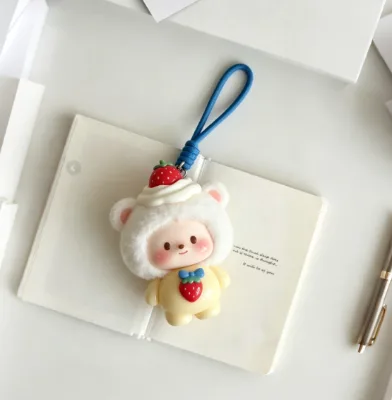
Cute Fruit Cartoon Blind Box Figurines Wholesale Custom Plastic OEM Collectible Toys
$1.29 - $2.19
MOQ: 500 Pieces


Dongguan Yuxing Toys Co., Ltd.
- Verified by BV
- Combined
- China Guangdong
- Lead time45 days
- Avg. response≤ 1h
Main marketsDomestic
Shenzhen Jiangxinge Gift Crafts Co., Ltd.
- Manufacturer, Trading Company
- Guangdong, China
- Lead time0 days
- Avg. response≤ 1h
Main productsfiberglass statue custom,FRP sculpture manufacturer,fiberglass figurines wholesale,fiberglass animal statue,fiberglass mascot custom
Main marketsSouth America(50.00%), North America(20.00%), Eastern Europe(10.00%)
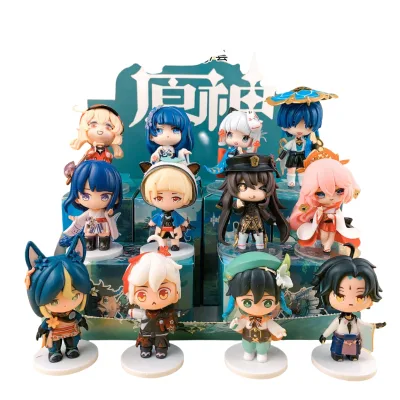
Hot Selling OEM Made Blind Box Custom Vinyl Blind Box Toys Custom Collectible Blind Box Toys
$0.75 - $1.68
MOQ: 200 pieces
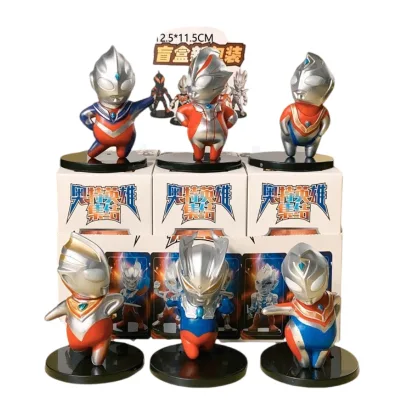
$0.7839 - $1.1235
MOQ: 200 pieces
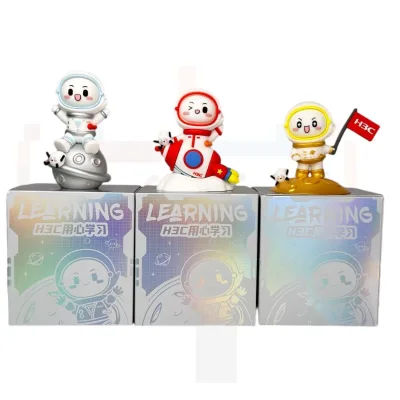
Make Your Own Blind Box Toys Custom Blind Boxes Series Designer Figures Anime Vinyl Toy Resin Figure
$0.7016 - $1.5169
MOQ: 200 pieces
Donguan Dafeng Technology Co., Ltd.
- Manufacturer, Trading Company
- Guangdong, China
- Lead time15 days
- Avg. response≤ 7h
Main productsPVC figure,Vinyl Figure,Injection mould making,action figure,resin figure
Main marketsOceania(10.00%), North America(9.00%), Southern Europe(9.00%), Western Europe(9.00%), Eastern Europe(9.00%), South America(9.00%), Central America(8.00%), Mid East(8.00%), Southeast Asia(7.00%), Northern Europe(6.00%), South Asia(6.00%), Eastern Asia(5.00%), Africa(3.00%), Domestic Market(2.00%)

Dongguan Jiehao Technology Co., Ltd.
- Verified by CTI
- Combined
- China Guangdong
- Lead time30 days
- Avg. response≤ 6h
Main productsPlastic Toys, Vinyl Toys, Silicon Toys, Educational Toys, Intelligent Toy, Toys, Plastic Doll, Soft PVC Toys, 2D Soft PVC Keychain Toys, Blowing Toys
Main marketsSouth America


Customized 3D Action Figure Anime Figure Blind Box China Plastic Toys Manufacturer
$0.65
MOQ: 3000 Pieces
Dongguan Zhongxin Long Plastic Toys And Gifts Co., Ltd.
- Verified by TüVRheinland
- Manufacturer, Trading Company
- Lead time70 days
- Avg. response≤ 1h
Main productsAction Figure, Figure Toy, Blind Box, Electronic Toy
Main marketsEastern Asia(50%), North America(30%), Domestic Market(20%)
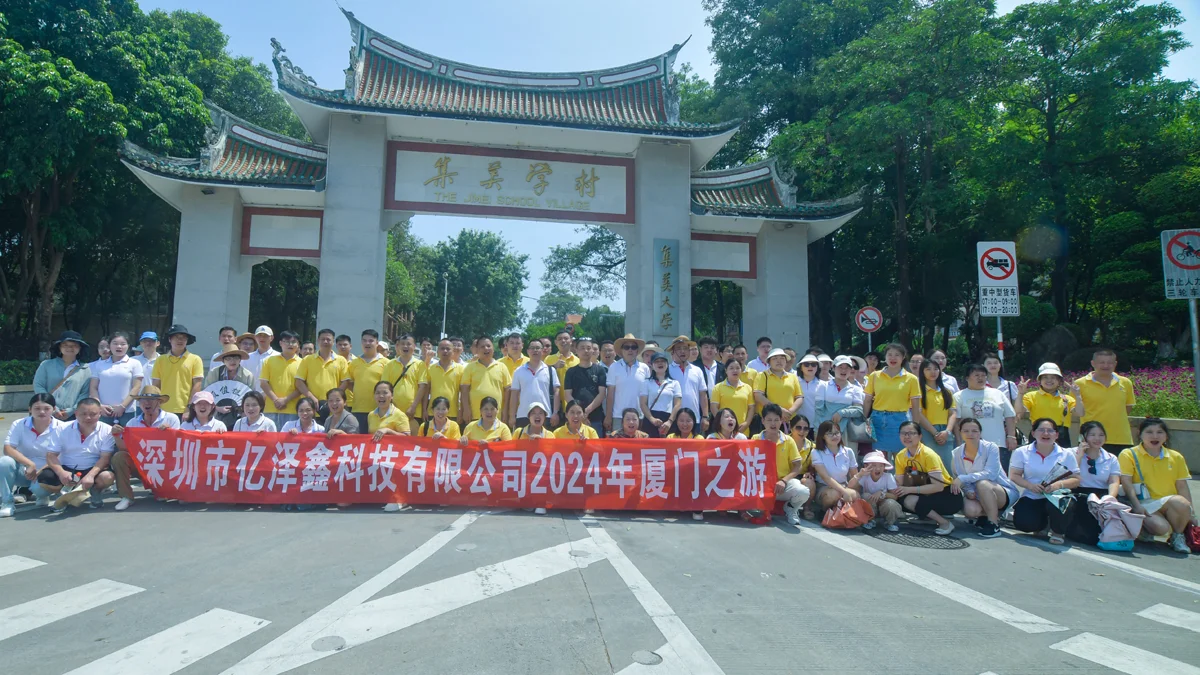
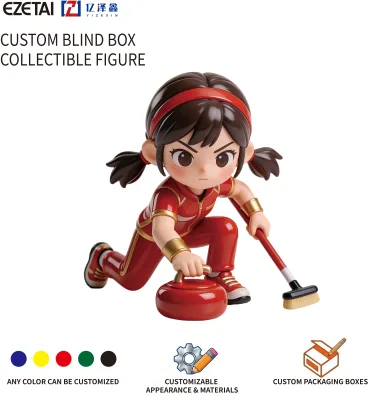
Shenzhen Ezetai Technology Co., Ltd.
- Manufacturer, Trading Company
- Guangdong, China
- Lead time0 days
- Avg. response≤ 7h
Main productsacrylic keychain,acrylic photo frame,acrylicshaker,acrylic display stand,acrylic phone holder
Main marketsEastern Asia(80.00%), North America(12.00%), Western Europe(6.00%), Mid East(1.00%), Southeast Asia(1.00%)
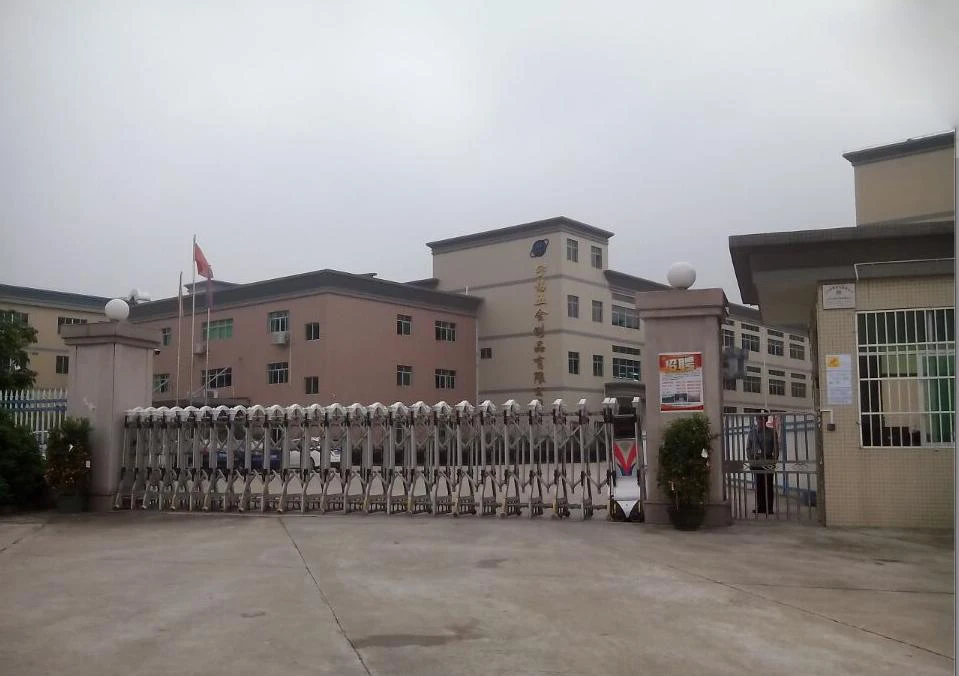
Shenzhen Figures Toy Design Co., Ltd
- Manufacturer
- Guangdong, China
- Lead time30 days
- Avg. response≤ 7h
Main productsaction figure,plastic figure,vinyl figure,toy design,rubber toys
Main marketsNorth America(30.00%), Western Europe(15.00%), Domestic Market(10.00%), Eastern Europe(5.00%), South Asia(5.00%), Northern Europe(5.00%), South America(5.00%), Central America(5.00%), Eastern Asia(5.00%), Mid East(5.00%), Africa(5.00%), Southeast Asia(5.00%)

Shenzhen Jiumai E-Commerce Co., Ltd.
- Manufacturer, Trading Company
- Guangdong, China
- Lead time3 days
- Avg. response≤ 5h
Main productsPlush toys,Keychain toys,Remote control car toys,Educational toys,fidget toys
Main marketsNorth America(70.00%), Western Europe(20.00%), Southern Europe(5.00%), Mid East(5.00%)
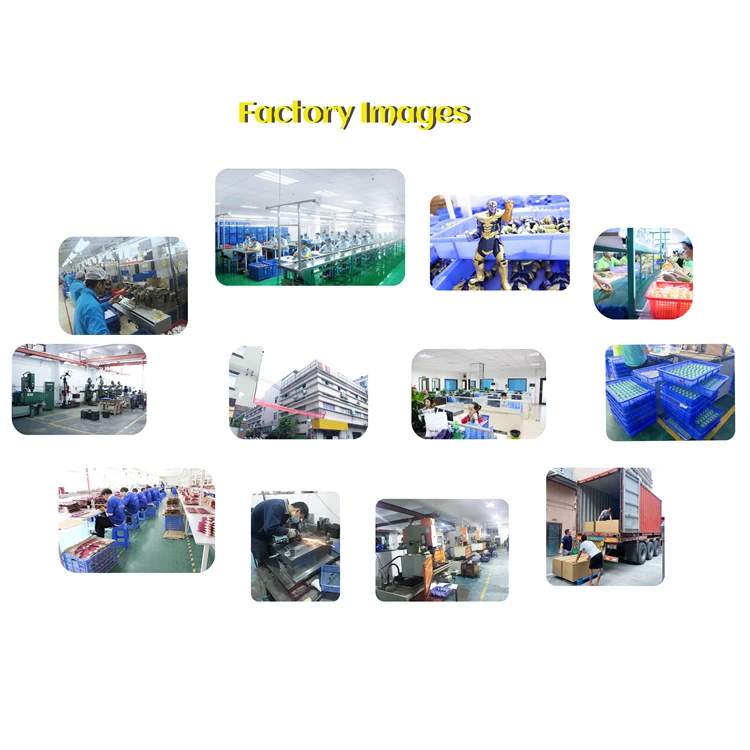
Dongguan Chance Gift & Craft Co., Ltd.
- Manufacturer, Trading Company
- Guangdong, China
- Lead time30 days
- Avg. response≤ 5h
Main productsManufacturer,Toys,Artificial Food Models,Gift & Crafts
Main marketsDomestic Market(50.00%), North America(20.00%), South Asia(10.00%), Eastern Asia(10.00%), Mid East(5.00%), Southern Europe(5.00%)
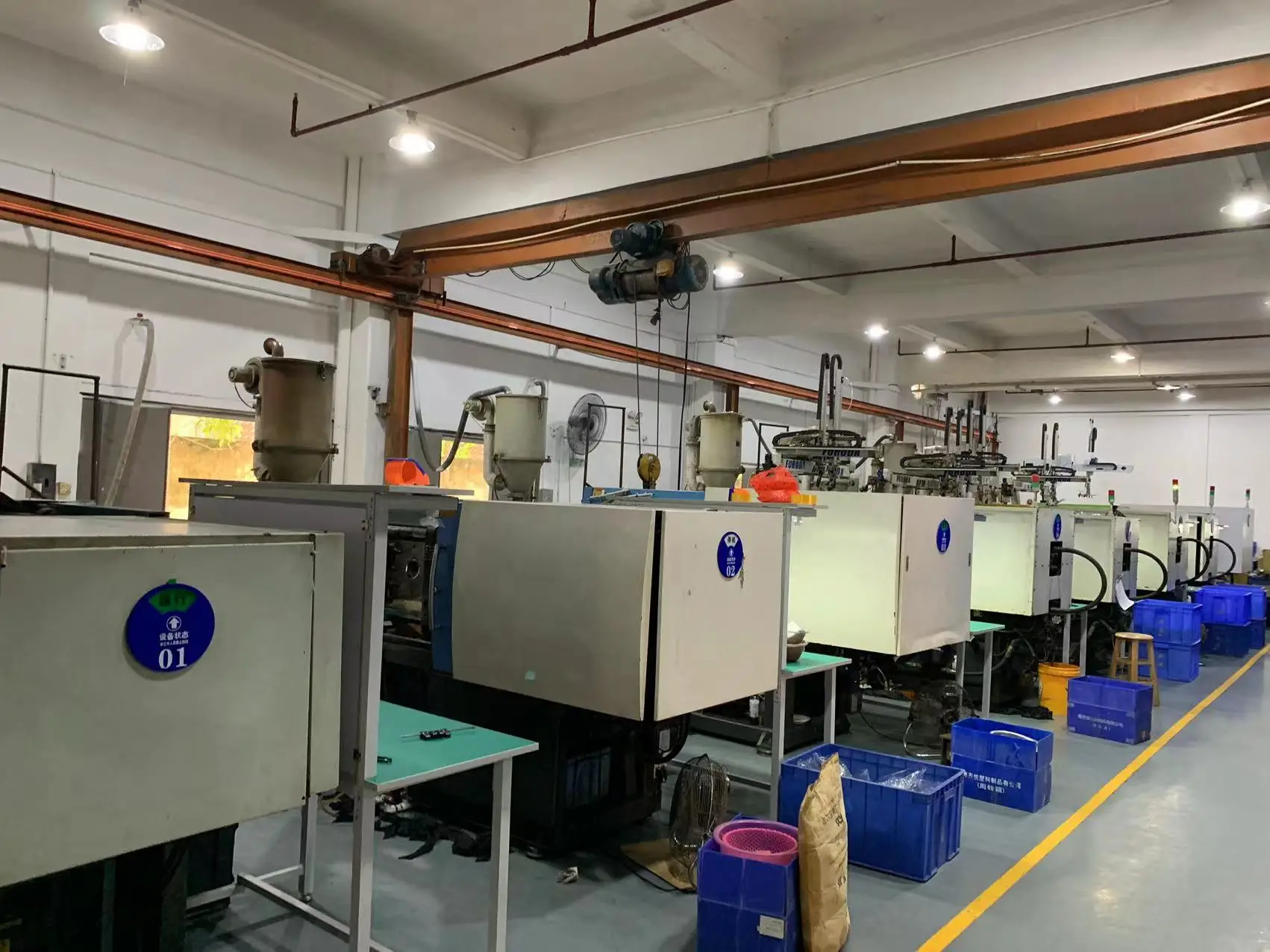
Shenzhen Heyixing Technology Co., Ltd.
- Manufacturer, Trading Company
- Guangdong, China
- Lead time15 days
- Avg. response≤ 2h
Main productsplastic figurines,pvc toys,resin toys,plastic toys,mystery box toys
Main marketsNorth America(70.00%), Domestic Market(5.00%), Southern Europe(5.00%), Western Europe(5.00%), Eastern Europe(5.00%)
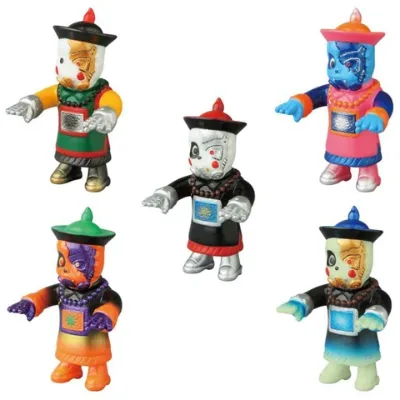
Custom Design Pvc Art Blind Box Toys, Blind Box Vinyl Toys, Blind Box Figures
$3.33 - $8.11
MOQ: 500 pieces
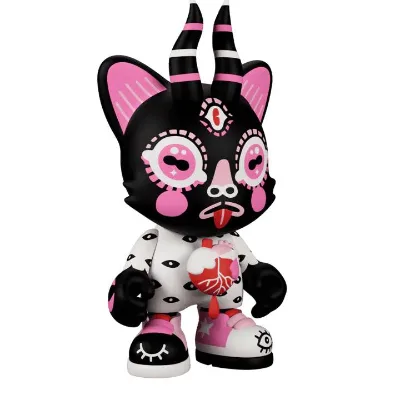
Customized Character Figure Blind Box Custom 3d Art Pvc Mystery Box Toy Manufacturer
$1.11 - $3.33
MOQ: 300
Handa Zhichuang Technology (Shenzhen) Co., Ltd.
- Trading Company
- Guangdong, China
- Lead time60 days
- Avg. response≤ 3h
Main productsPVC Figure,Vinyl Figure,Resin Figure,TPR toy,Silicone toy
Main marketsNorth America(30.00%), Central America(25.00%), Northern Europe(10.00%), Southeast Asia(10.00%), Eastern Europe(10.00%), Domestic Market(5.00%), South Asia(5.00%), South America(5.00%)
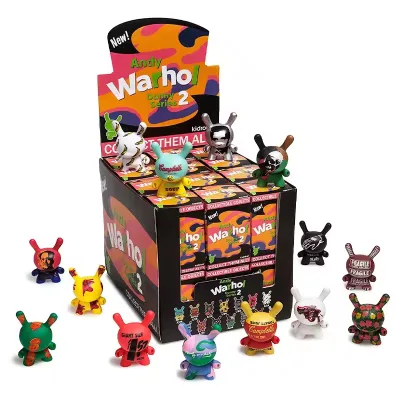
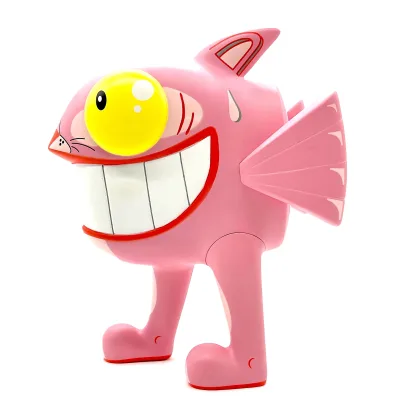
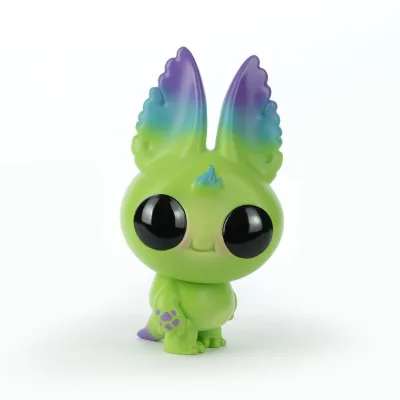
OEM Custom Semi Transparent Cartoon Animal Resin Vinyl Blind Box Figure Toy Factory
$0.67 - $2.45
MOQ: 100
- Verified by SGS Group
- Trading Company
- Guangdong, China
- Lead time20 days
- Avg. response≤ 6h
Main productsAction Figure, Vinyl Figure, PVC Figure, Anime Figures, Plastic Toy
Main marketsNorth America(40%), Eastern Europe(15%), South America(10%)
Dongguan Dihua Decoration Products Company Limited
- Verified by Intertek
- Manufacturer, Trading Company
- Lead time30 days
- Avg. response≤ 1h
Main productsPlastic Toys, Plastic Accessories
Main marketsNorth America(60%), Western Europe(20%), Eastern Asia(10%)
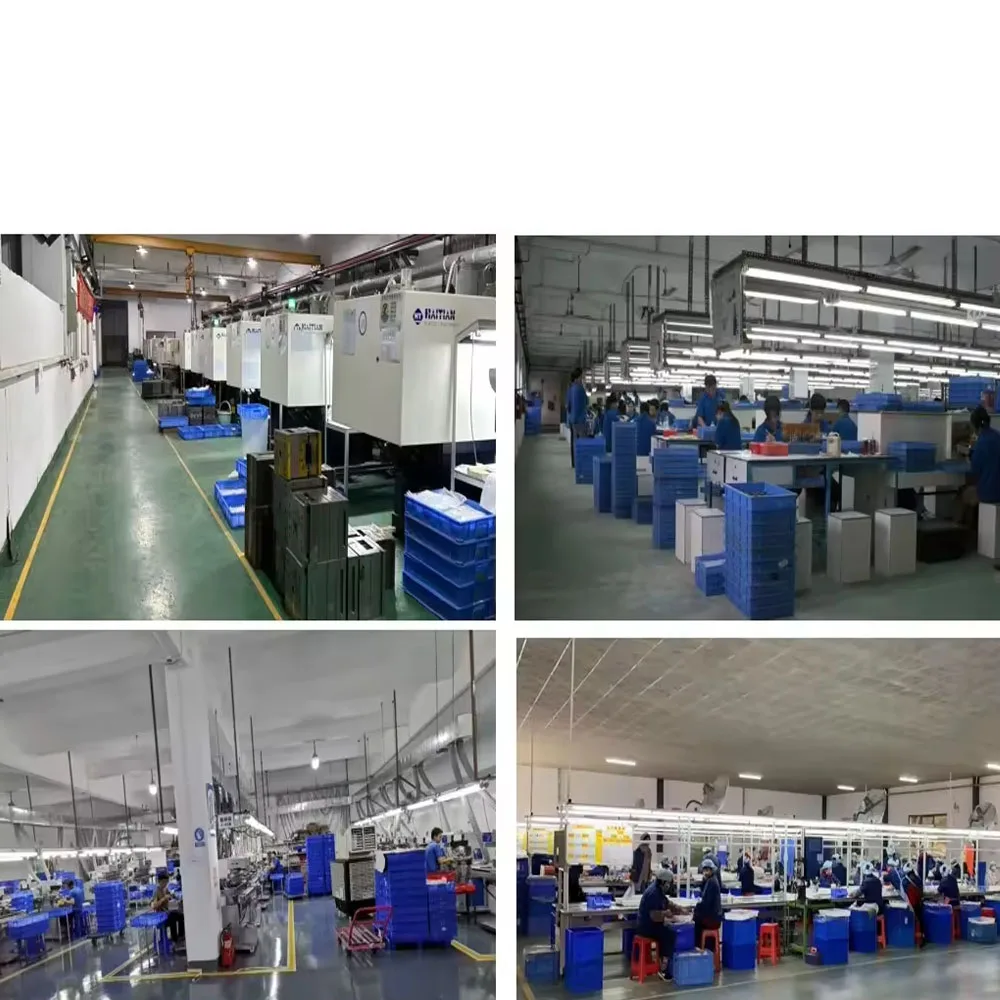
Huizhou Hongqi Plastic Product Co., Ltd.
- Manufacturer
- Guangdong, China
- Lead time0 days
- Avg. response≤ 4h
Main productsAction & Toy Figures,animal/Dinosaur model,Hand-run anime/game spin-offs,Bobblehead figure,Classic Toys
Main marketsNorthern Europe(20.00%), Western Europe(20.00%), Eastern Asia(20.00%), Southern Europe(20.00%), Oceania(15.00%), Domestic Market(5.00%)
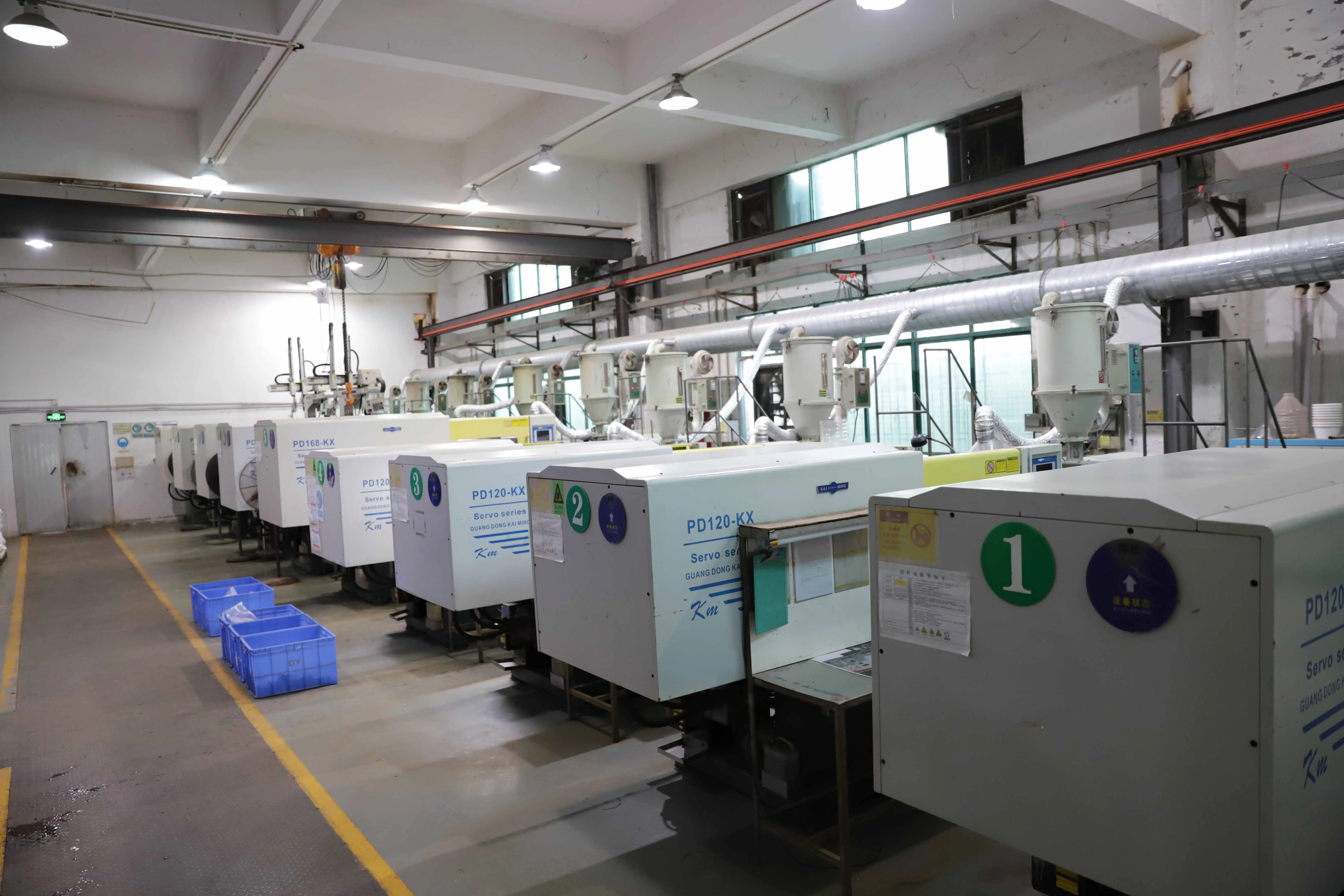
Shenzhen Dongchuangyuan Technology Co., Ltd.
- Manufacturer
- Guangdong, China
- Lead time30 days
- Avg. response≤ 1h
Main productsplastic action figure,plastic dolls,plastic keychain,bath toys,bath thermometer
Main marketsNorth America(55.00%), Northern Europe(10.00%), Central America(10.00%), Western Europe(10.00%), Eastern Europe(10.00%), Southern Europe(5.00%)
Dongguan Lepin Plastic Products Co., Ltd.
- Verified by SGS Group
- Manufacturer, Trading Company
- Lead time30 days
- Avg. response≤ 2h
Main productsPVC Toys, Blind Box, Action Figure, Promotional Gifts
Main marketsEastern Europe(50%), North America(30%), Mid East(10%)
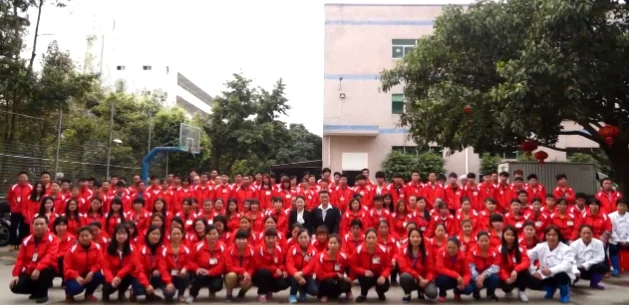
Huizhou Hongxiang Plastic Product Co., Ltd.
- Manufacturer, Trading Company
- Guangdong, China
- Lead time0 days
- Avg. response≤ 8h
Main productsfigure,car toy,pvc cup,maske,keychain
Main marketsSouth America(20.00%), Domestic Market(15.00%), North America(15.00%), Eastern Europe(10.00%), Southeast Asia(10.00%), Oceania(5.00%), South Asia(5.00%), Southern Europe(5.00%), Northern Europe(5.00%), Central America(5.00%), Western Europe(5.00%)
Shenzhen Meiyan Technology Co., Ltd.
- Verified by SGS Group
- Manufacturer, Trading Company
- Lead time15 days
- Avg. response≤ 2h
Main productsPVC Figure, Blind Box, Storytelling Machine, Electronic Toys, Promotional Gifts
Main marketsNorth America(50%), Eastern Europe(20%), Eastern Asia(20%)
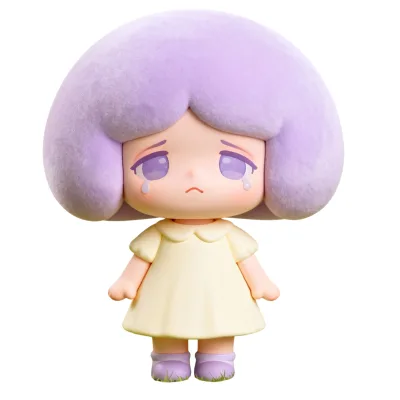
$1.5499 - $3.0982
MOQ: 1000 pieces
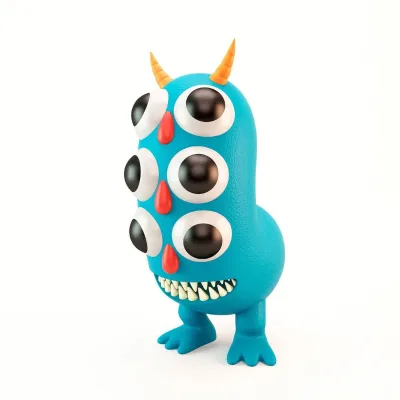
Custom Your Own Design ABS/PVC/Resin/Silicone Toy Anime Collectible Blind Box Figurine
$0.5131 - $2.0525
MOQ: 1000 pieces
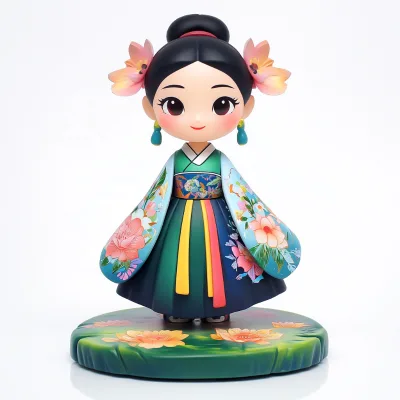
Customized Hot Sale Products High Quality Plastic Blind Box Anime Figure
$0.50 - $2.00
MOQ: 1000 pieces
Guangdong Kinqee International Trade Co., Ltd.
- Verified by SGS Group
- Trading Company
- Lead time10 days
- Avg. response≤ 2h
Main productsPlush Doll/, Mascot Costume, Fiberglass, Resin Figurine, PVC Figurine
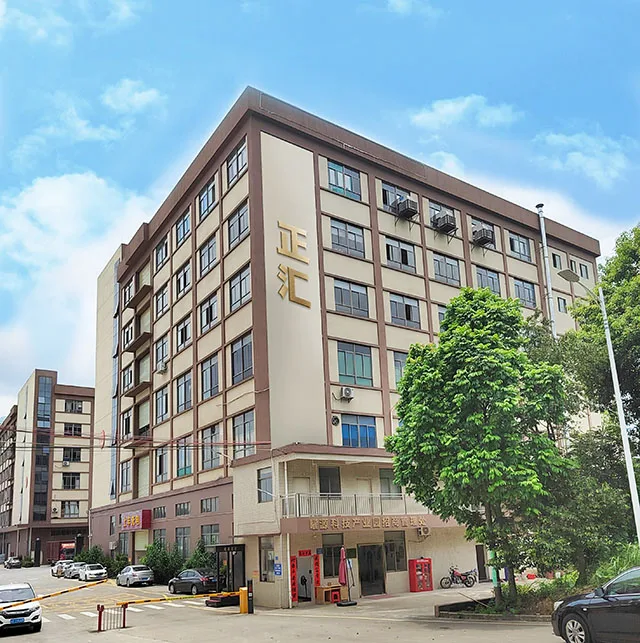
Dongguan Zhenghui Animation Technology Co.,Ltd
- Manufacturer, Trading Company
- Guangdong, China
- Lead time40 days
- Avg. response≤ 3h
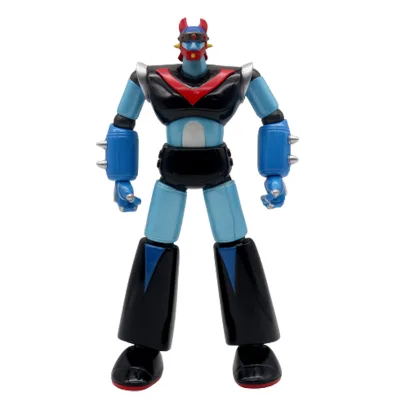
Main productsAction Figure, Customization Collectible Toys, PVC Injection Figure, Blind Box Collectible Toys, Gifts And Crafts
Main marketsNorth America(40.00%), Western Europe(20.00%), Northern Europe(17.00%), Eastern Asia(8.00%), Oceania(5.00%), Mid East(5.00%), South Asia(1.00%), South America(1.00%), Southern Europe(1.00%), Eastern Europe(1.00%), Southeast Asia(1.00%)


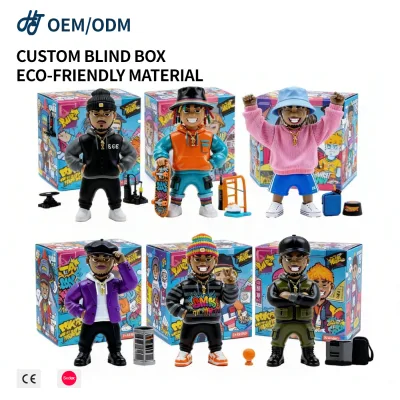


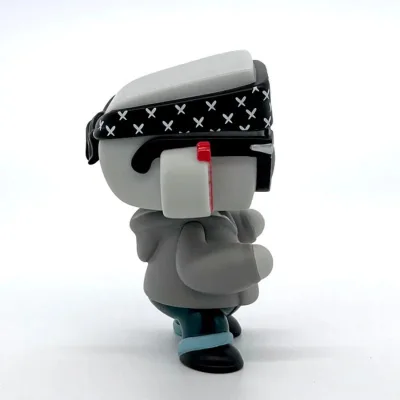
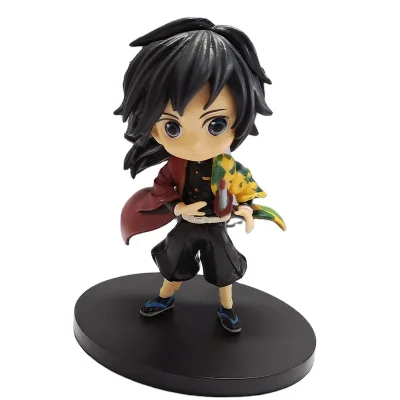
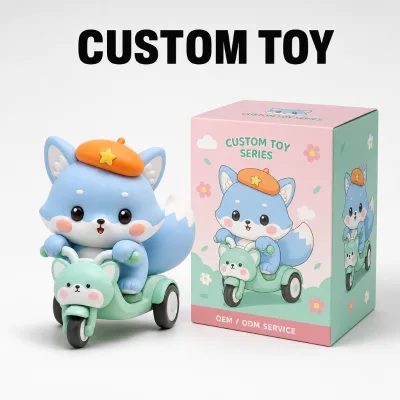
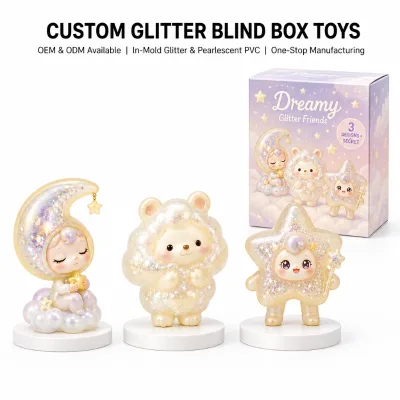
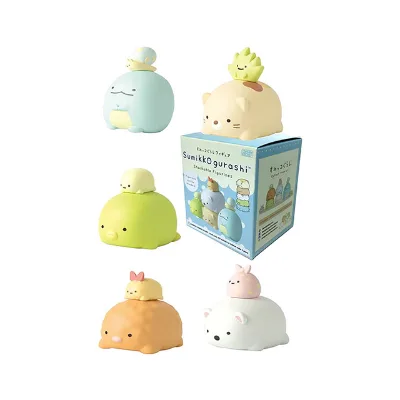
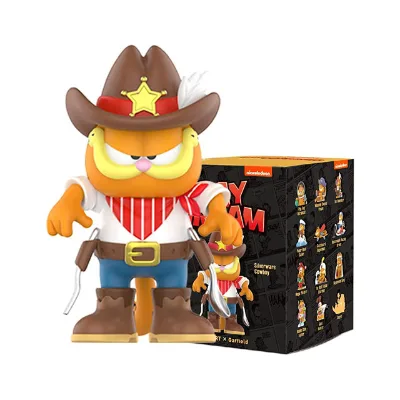
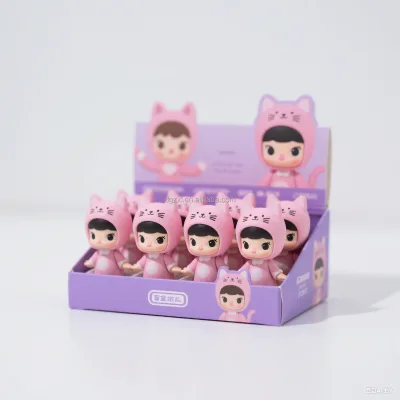
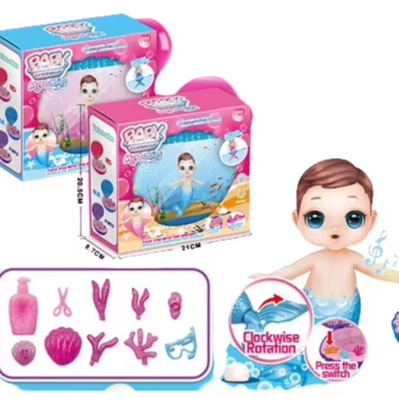
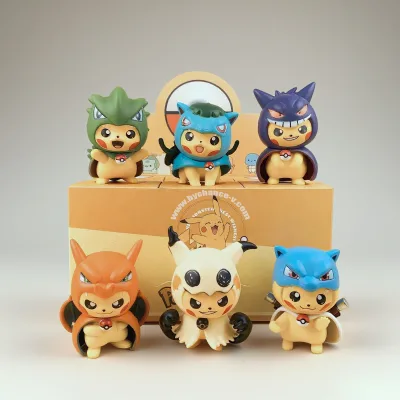
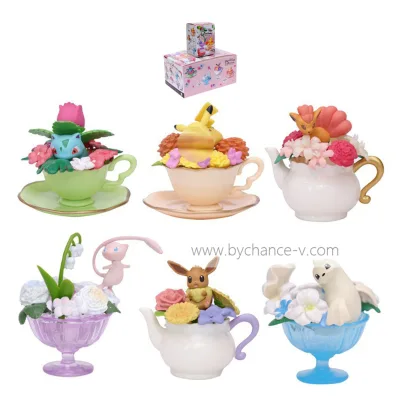
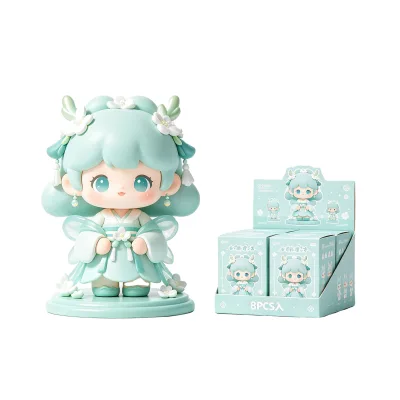
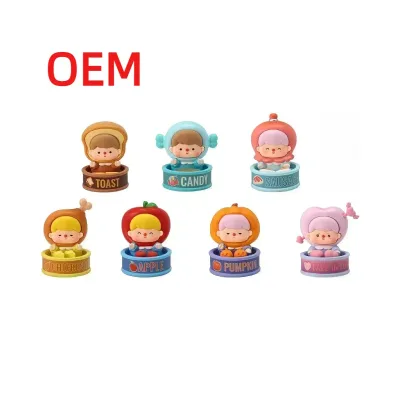
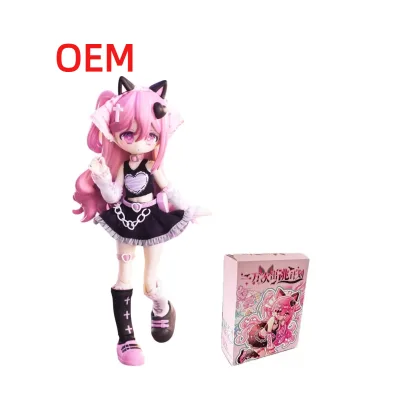
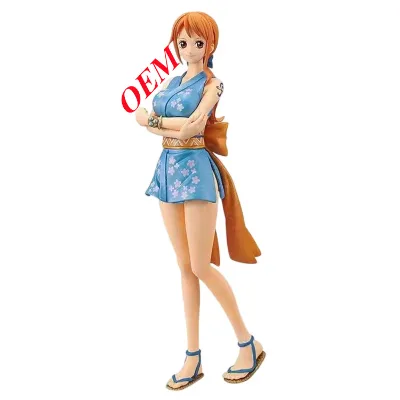
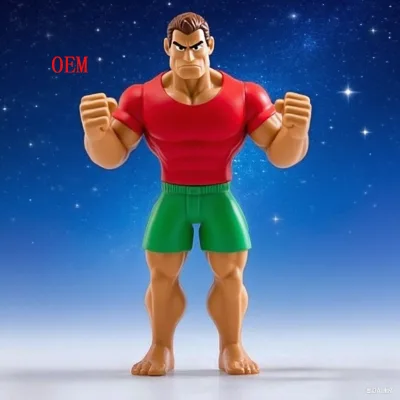
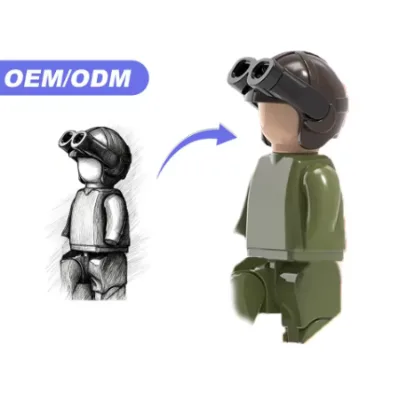
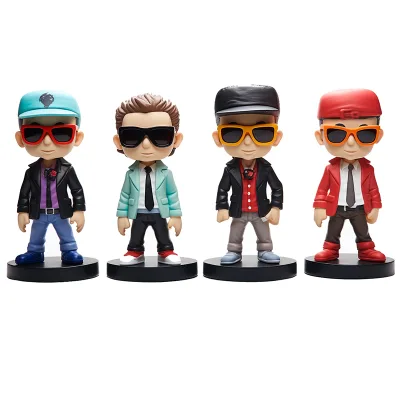
Comprehensive Sourcing Guide
Blind Box Collectible Toys Supplier Concentration and Factory Types
Blind Box Collectible Toys are produced through several distinct supplier models, and knowing which model you are dealing with shapes every later decision. Some listings come from pure trading companies that coordinate with multiple factories and add value through project management, communication, and consolidation. Others are manufacturers and trading companies combined, meaning they own molding and production lines while still accepting outsourced work when capacity is tight. In this category, the displayed supplier profiles range across these types, so a buyer should not assume that a trading label means lower quality or that a manufacturer label means better pricing. Trading companies often handle smaller or mixed orders more flexibly, while direct manufacturers control tooling, material sourcing, and molding schedules more tightly.
Geographic concentration matters as well. The supplier results on this page consistently point to Guangdong, China, which is a recognized production region for plastic figures, vinyl toys, and mystery box collectibles. When a listing shows a place of origin or company location, record it, because regional clusters usually mean easier access to complementary services such as mold making, pad printing, painting, and packaging. If a supplier's location is not displayed, ask directly for the city and province of the actual production facility rather than the sales office. Then ask whether the factory is in the same region as the trading entity, since distance between the two can extend sampling and production timelines in ways that a single-location factory would not.
How to Verify Blind Box Collectible Toys Suppliers
Verification begins with the credentials that a platform displays and ends with what you confirm yourself. Several supplier profiles in this category show third-party verification badges such as SGS or TüV Rheinland, which indicate that a verification body has checked business registration and basic operations. Treat these as a floor, not a ceiling: a verified identity does not certify product safety. Note also whether a supplier displays a system certification such as CE at the company level, and which certifications appear on individual product listings, since product-level markings like EN71 or ASTM claims must be matched against actual test reports you request and check for validity and scope.
Beyond paperwork, verification should cover capability and behavior. Ask each supplier to explain how they handle custom figure projects: whether they open new molds, who provides the 3D drawings, and how mold cost is calculated relative to size, quantity, material, and technology. A supplier that describes roto casting, injection molding, and ultrasonic assembly processes coherently is more likely to understand the category than one that answers only in marketing language. Verify the sample process: some listings here advertise free samples, but you should confirm what the free sample actually is, whether it is an existing design or your own artwork, and who pays freight. Finally, verify responsiveness under realistic conditions by sending a detailed technical inquiry rather than a generic price request, and compare the response speed against the response time figure shown on the profile.
What to Compare Across Blind Box Collectible Toys Suppliers
Build a comparison table using the attributes that supplier profiles actually display, while remembering that not every supplier shows every field. Useful dimensions include company type (trading versus manufacturer), verification badge, system certification, location, main products, average response time in hours, and quoted lead time in days. On this page, response times cluster around roughly three to four hours and lead times range from thirty to sixty days, which is a meaningful spread when you have a launch date. A supplier quoting sixty days may still be the right choice if its molding and finishing quality justify the schedule, but you need to know the number before committing.
Product-level fields deserve equal attention. Compare main product ranges—some suppliers focus on plastic and PVC figures, others list vinyl, resin, and blind box figures together—and check whether the product attributes match your requirements: material options such as PVC, ABS, resin, TPR, or PP; age grading such as over eight years or fourteen years and up; customization availability; OEM and ODM acceptance; pad printing or full-color logo options; and packing formats like color box or OPP bag. Price ranges and MOQs vary sharply by supplier and design complexity, so capture the displayed figures but treat them as reference points for negotiation rather than fixed quotes. Weight displayed establishment year where shown, since longer operating history can indicate stability, but ask what the company actually produced during those years, because a factory that recently added blind box figures differs from a specialist.
Common Blind Box Collectible Toys Sourcing Risks
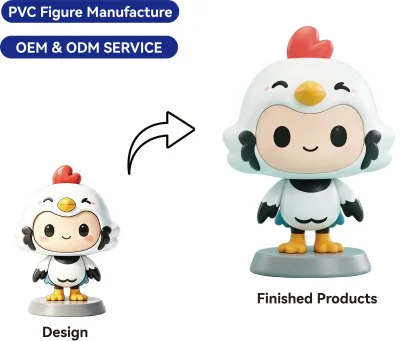
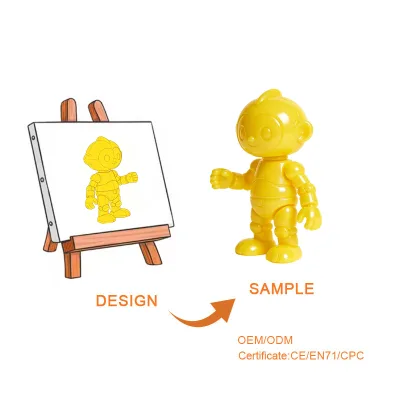
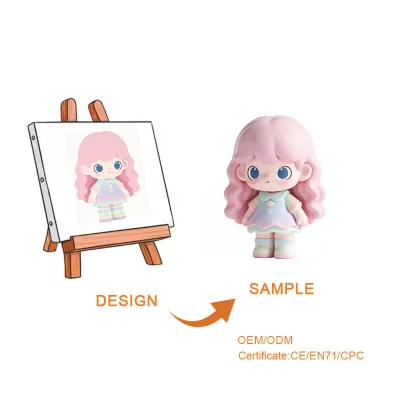
The most common risk in this category is the gap between a rendered concept and a mass-produced figure. Custom blind box toys depend on sculpt quality, paint application, and assembly tolerances, and a beautiful 3D drawing guarantees none of them. Suppliers on this page note that mold cost depends on size, quantity, material, and technology, which means a low unit price can hide an expensive tooling bill or a mold that cannot hold detail. Mitigate this by approving a physical pre-production sample painted with your actual color codes, not a computer render, and by defining in writing what happens if the sample is rejected and retooling is needed.
A second cluster of risks involves compliance and secrecy. Collectible figures are frequently aimed at adult and teen collectors, but designs can drift toward younger users, so confirm the intended age grading and the applicable toy safety tests for your destination market before production, rather than after. Intellectual property risk is high in this category: original characters can be copied, and unlicensed likenesses can expose you to seizure. Use NDAs and register your designs where feasible. Also watch for listing inconsistencies, such as a product described as plush in one field and plastic in another, or condition marked as pre-sale versus in-stock; these small contradictions often signal a supplier relisting products rather than manufacturing them, which changes who controls quality.
Blind Box Collectible Toys Regional Sourcing and Logistics
The supplier evidence here points consistently to Guangdong, China, so plan your logistics around that region's export infrastructure. Production hubs in southern China offer mature forwarding networks, frequent sailings to major destinations, and dense supplier ecosystems for molds, paints, and blister packaging, which shortens the distance between design changes and physical samples. When you compare suppliers, ask whether quoted lead times of thirty to sixty days include mold opening and sample approval or only mass production after approval, because for a custom blind box program the tooling phase often dominates the calendar and the two figures are not comparable unless defined identically.
Logistics planning should account for the physical nature of the product. Blind box figures ship as small, dense cartons; one listing on this page shows a single package size of five by five by five centimeters with a gross weight around half a kilogram, which lets you estimate container utilization and dimensional-weight costs early. Ask each supplier for carton dimensions, units per carton, and gross weight per carton for your specific design, then model air versus sea freight against your launch window. Also confirm who arranges export documentation and whether the supplier has shipped collectible toys to your market before. For buyers sourcing outside any named cluster, apply the same questions: verify the production city, the nearest port, and the typical transit time, and be cautious about suppliers whose sales office, factory, and port of loading are in three different provinces.
Blind Box Collectible Toys Commercial Terms and Order Planning
Commercial terms in this category reward early clarity. Where MOQs are displayed, they can start around three thousand pieces, and displayed price ranges on this page run roughly from under a dollar to a few dollars per unit depending on design, material, and finish. Confirm what the quoted price includes: mold amortization, painting, packaging, and inner-box randomness for the blind box mechanic all affect the final cost. Ask about payment structures, since at least one listing here references T/T and Western Union; agree on deposit and balance percentages, and align payment milestones with sample approval rather than calendar dates so that quality gates control the money flow.
Order planning should sequence tooling, sampling, and production against your real launch date. Typical steps are: artwork and 3D drawing, mold opening, first article sample, revisions, pre-production sample, mass production, inspection, and shipment, with lead times of thirty to sixty days appearing in current supplier data. Reserve buffer time for one revision cycle at minimum, because paint and assembly issues are common on first runs. Decide your assortment plan early—how many designs per series, whether rare figures are included, and how packing handles secrecy—since these choices affect mold count and MOQ allocation. Finally, plan reorders separately from first orders: an existing mold removes tooling time, so a supplier who quotes a long lead time for custom work may deliver repeat orders far faster, and that difference should be written into your supply agreement.
(word counts: each section verified within 225–235; total ≈ 1390)
FAQs
What is the price range for custom blind box figures?
Prices typically range from $0.80 to $2.50 per unit depending on material and complexity. Costs vary based on whether you choose PVC, resin, or plastic. Bulk orders often secure lower rates, while intricate custom designs may increase the final price per piece.
What is the minimum order quantity for these toys?
The minimum order quantity is generally 3000 units. This threshold ensures efficient production runs for custom molds and packaging. Buyers should confirm specific MOQs with suppliers, as some may adjust requirements based on the complexity of the design or material selection.
How long does production take for custom orders?
Lead times typically range from 30 to 60 days after order confirmation. This duration accounts for mold creation, sampling, and mass production. Faster turnaround may be possible for in-stock items, but custom designs require the full production cycle for quality assurance.
Are samples available before placing a bulk order?
Free samples are often available for custom blind box figures. Suppliers usually waive sample fees to help buyers verify quality and design accuracy. However, shipping costs may apply. Confirm sample policies with the supplier to ensure the prototype meets your specific requirements.
What certifications do these plastic figures hold?
Products often carry ENASTM, CE, and other safety certifications. These ensure compliance with international toy safety standards for children and collectors. Verify specific certification documents with the supplier to confirm they meet the regulatory requirements of your target market before placing large orders.
Can I customize the material and design of the figures?
Yes, OEM and ODM services are widely available for custom designs. Materials include PVC, ABS, resin, and TPR. Buyers can provide 3D drawings or artwork for production. Suppliers offer customization for colors, sizes, and packaging to match your brand identity and product vision.