Source eco-friendly printed baby bib for Home, Gifts, and Babies
Find 30 eco-friendly printed baby bib options with customizable designs and 100% cotton materials. Compare specifications, MOQs, and features for home use, gifts, and babies aged 0 to 3 years; compare the available evidence and request quotations based on your requirements.
Updated
Key considerations
Products List


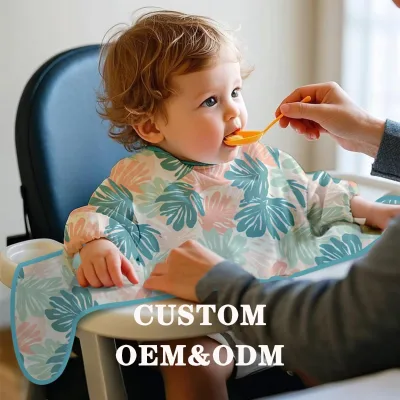
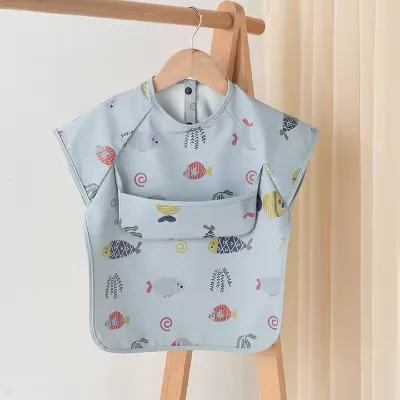
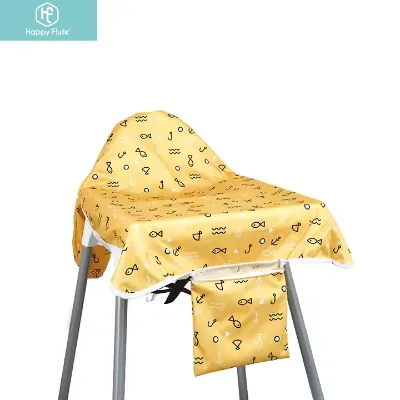
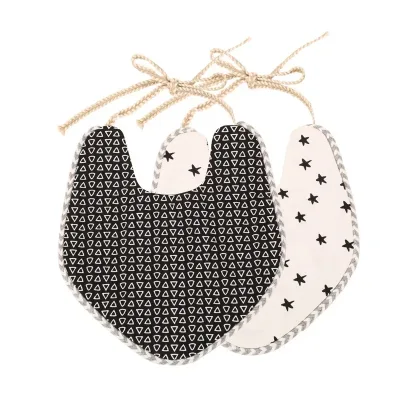
HappyFlute New Design Attractive Fashion Boys and Girls Baby Bibs Cotton Bib
$1.8528 - $2.3669
MOQ: 50 pieces
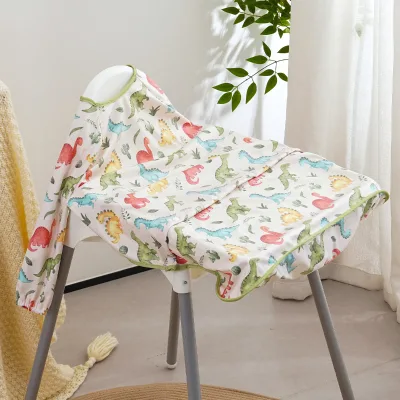
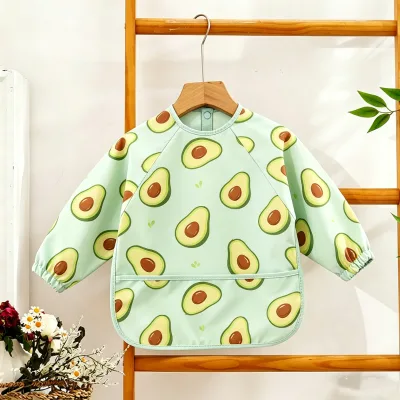
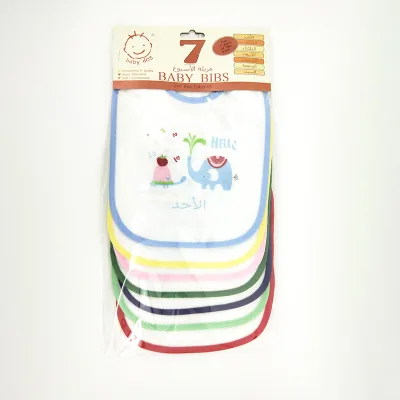

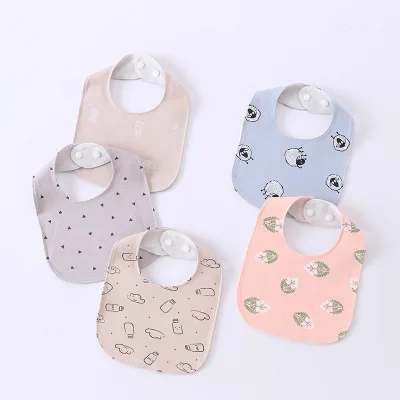
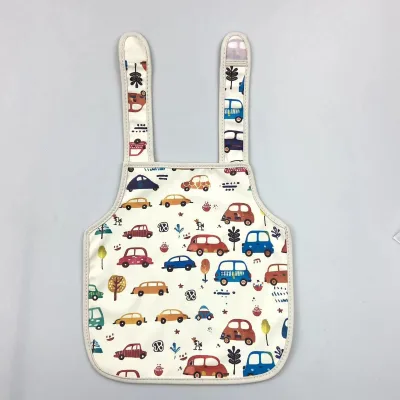
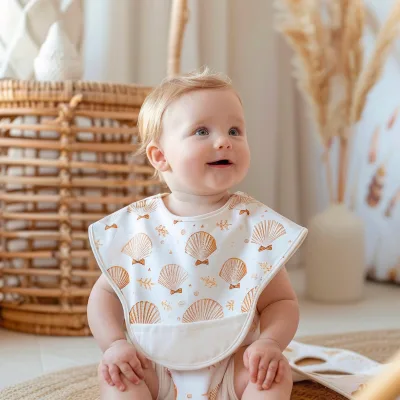
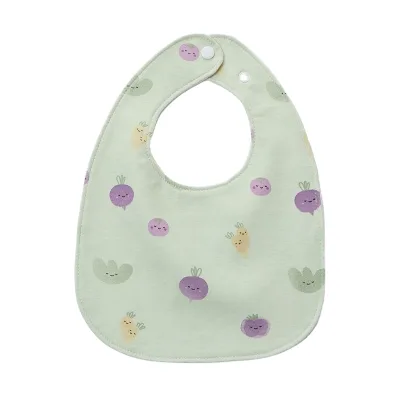
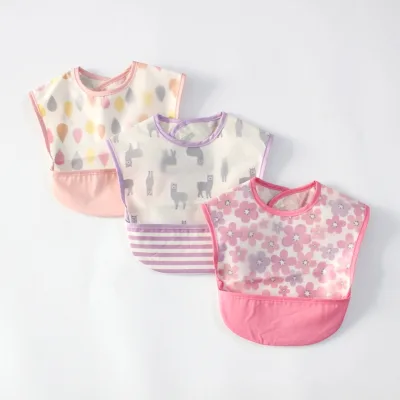
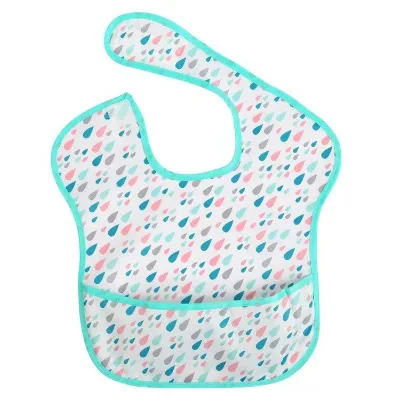
Factory Price Rotatable Round Waterproof Anti-Bacterial Eco-Friendly Unisex Baby Bib
$0.4632 - $1.4375
MOQ: 10 pieces


Comprehensive Sourcing Guide
Eco-Friendly Printed Baby Bib Sourcing Guide
Sourcing eco-friendly printed baby bibs requires a careful balance between aesthetic customization and material safety, particularly for infants aged seven to twelve months. Buyers must prioritize suppliers who offer 100% cotton terry or plain cotton materials, as these provide the necessary absorbency and softness for daily use. The market offers various styles, including standard plain bibs, printed designs with customized colors, and solid options, allowing brands to tailor products to specific seasonal trends like spring or autumn. Understanding these material distinctions is the first step in defining a product that meets both functional needs and brand identity.
Procurement teams should also evaluate the customization capabilities of potential manufacturers, as many suppliers support logo embroidery, custom sizing, and tailored packaging solutions. For instance, some manufacturers allow for specific dimensions such as 35x35cm or bespoke requests, while others offer flexible packing options like 10 pieces per polybag or bulkier 60-piece configurations. This flexibility is crucial for brands aiming to create unique unboxing experiences or specific retail displays. However, buyers must verify that these customization options do not compromise the eco-friendly claims or the structural integrity of the bibs, ensuring that the final product remains durable and safe for repeated washing and use.
Product Scope and Observed Listing Signals
The current market landscape for printed baby bibs reveals a diverse range of product models, from standard plain designs to more complex printed and solid variations. Listings frequently highlight features such as eco-friendliness, washability, and specific age group targeting, which are critical for modern parents seeking safe and sustainable products. Buyers should note that while many products claim to be eco-friendly, the actual material composition often centers on 100% cotton or cotton terry, which are naturally biodegradable and breathable. This material choice is a key indicator of quality, as it ensures comfort against sensitive infant skin while providing the necessary durability for frequent laundering.
In addition to material composition, the observed listings show a wide variation in pricing and minimum order quantities, reflecting the complexity of customization and production scales. Prices can range significantly, influenced by factors such as the type of print, the inclusion of additional features like buttons or specific neck shapes, and the volume of the order. Some suppliers offer low MOQs for standard items, while others require higher volumes for custom designs, which can impact initial inventory planning. Buyers must carefully analyze these signals to determine the most cost-effective sourcing strategy, balancing the desire for unique, customized products with the economic realities of bulk manufacturing and supply chain efficiency.
Technical Specifications to Verify
When evaluating technical specifications, buyers must prioritize the verification of material composition and construction quality, as these directly impact the product's safety and longevity. For printed bibs, it is essential to confirm that the printing process does not introduce harmful chemicals, especially since the product is in close contact with an infant's skin. Suppliers should provide clear information on whether the cotton is organic or treated with eco-friendly dyes, and whether the printing technique, such as screen printing or digital printing, meets safety standards for colorfastness and toxicity. Additionally, the presence of buttons or other fasteners should be checked for secure attachment to prevent choking hazards, ensuring that all components are firmly fixed to the bib.
Another critical aspect is the sizing and fit of the bibs, which must accommodate the growth and movement of babies within the target age group. Buyers should verify that the dimensions, such as the standard 35x35cm or customized requests, are appropriate for the intended use, whether for home use or as gifts. The neck shape, often round, and sleeve style, whether short, long, or sleeveless, should be evaluated for comfort and ease of dressing. Furthermore, the packaging specifications, such as the number of pieces per polybag, should be assessed for their impact on storage and distribution efficiency. Ensuring that these technical details are clearly defined and consistently met by the supplier is vital for maintaining product quality and customer satisfaction.
Compliance and Safety Documentation
Compliance with safety standards is non-negotiable when sourcing baby products, and buyers must ensure that all bibs meet relevant regulatory requirements for infant wear. This includes verifying that the materials used, such as 100% cotton, are free from harmful substances like formaldehyde, heavy metals, and allergens. Suppliers should provide documentation confirming that their products comply with standards such as CE, which indicates conformity with health, safety, and environmental protection standards for products sold within the European Economic Area. Additionally, buyers should inquire about any additional certifications, such as OEKO-TEX or GOTS, which, while not explicitly confirmed for all products, can provide assurance of sustainable and safe production practices.
Beyond material safety, buyers must also consider the labeling and packaging requirements, which must accurately reflect the product's contents and care instructions. Clear labeling helps consumers make informed decisions and ensures proper use and maintenance of the bibs, extending their lifespan. Buyers should verify that the supplier provides comprehensive care labels, including washing instructions to maintain the eco-friendly properties and print quality. Furthermore, the packaging should be designed to minimize waste, aligning with the eco-friendly ethos of the product. Ensuring that all compliance and safety documentation is up-to-date and readily available is crucial for mitigating legal risks and building trust with end consumers.
Cost Drivers and Commercial Terms
The cost of eco-friendly printed baby bibs is influenced by several key factors, including material quality, customization complexity, and order volume. High-quality 100% cotton terry and eco-friendly dyes typically command a premium price, reflecting the higher production costs associated with sustainable sourcing and processing. Customization options, such as logo embroidery, specific sizing, and unique packaging, further increase costs due to the additional labor and setup required. Buyers must carefully evaluate these cost drivers to determine the most cost-effective sourcing strategy, balancing the desire for unique, high-quality products with budget constraints.
Commercial terms, including minimum order quantities (MOQs) and payment terms, also play a significant role in the overall cost structure. Suppliers may offer lower prices for larger orders, but this requires buyers to have sufficient storage capacity and sales forecast accuracy. Conversely, smaller MOQs may result in higher per-unit costs but offer greater flexibility for testing new designs or managing inventory. Buyers should negotiate favorable payment terms, such as partial upfront payments and balance upon shipment, to mitigate financial risk. Additionally, understanding the lead times and shipping options is crucial for planning inventory replenishment and ensuring timely delivery to meet market demand.
Supplier Qualification and Quality Control
Supplier qualification is a critical step in ensuring the reliability and consistency of eco-friendly printed baby bibs. Buyers should conduct thorough due diligence to assess the supplier's manufacturing capabilities, quality control processes, and commitment to sustainability. This includes verifying the supplier's production facilities, equipment, and workforce training, as well as reviewing their track record for delivering high-quality products on time. Buyers should also inquire about the supplier's quality control measures, such as in-process inspections and final product testing, to ensure that each bib meets the specified standards for material, print quality, and construction.
In addition to supplier qualification, buyers must implement robust quality control protocols to monitor product quality throughout the production process. This includes conducting pre-production samples to verify design and material specifications, in-line inspections to catch defects early, and final random inspections before shipment. Buyers should also consider hiring third-party inspection agencies to provide an unbiased assessment of product quality and compliance. Furthermore, establishing clear communication channels with the supplier is essential for addressing any issues promptly and ensuring continuous improvement. By prioritizing supplier qualification and rigorous quality control, buyers can minimize the risk of receiving substandard products and maintain a strong reputation in the market.
Long-Term Procurement Checks
Long-term procurement success depends on establishing a sustainable and resilient supply chain for eco-friendly printed baby bibs. Buyers should regularly review supplier performance metrics, such as on-time delivery rates, product quality consistency, and responsiveness to issues, to identify areas for improvement. Building strong relationships with suppliers through regular communication and collaborative problem-solving can enhance trust and cooperation, leading to better pricing and service terms over time. Additionally, buyers should stay informed about industry trends and regulatory changes to ensure that their sourcing strategies remain compliant and competitive.
Furthermore, buyers should continuously evaluate the environmental impact of their sourcing practices, seeking opportunities to reduce waste and carbon footprint throughout the supply chain. This may involve working with suppliers to adopt more sustainable materials, optimize packaging, and improve logistics efficiency. By prioritizing sustainability and continuous improvement, buyers can not only meet the growing demand for eco-friendly products but also contribute to a more responsible and ethical fashion industry. Regularly reassessing procurement strategies and supplier partnerships is essential for maintaining long-term success and adapting to the evolving needs of the market and consumers.
FAQs
What material is used for eco-friendly printed baby bibs?
The primary material is 100% cotton, often utilizing cotton terry for printed versions to ensure softness and absorbency. This natural fiber choice supports eco-friendly sourcing standards while providing a comfortable texture suitable for delicate baby skin during mealtime use.
Can I customize the design and logo on these bibs?
Yes, customization is available for printed and custom bib styles. Buyers can request specific logo embroidery or printed designs, with sizes adjustable to requests like 35x35cm. This allows brands to create unique, branded products tailored to specific market needs.
What is the minimum order quantity for custom printed bibs?
The MOQ for printed bibs is typically 1000 pieces, while custom bibs with logo embroidery require a minimum of 3000 pieces per design. These thresholds ensure efficient production runs for personalized items, balancing cost-effectiveness with the flexibility for brand-specific customization.
Are these bibs suitable for babies aged 7-12 months?
Yes, specific models are designed for the 7-12 months age group, featuring round necks and short sleeves. Other options cater to 0-3 years, ensuring appropriate sizing and comfort for various developmental stages, making them versatile choices for different baby age ranges.
What certifications do these cotton bibs meet?
Products are noted to meet CE standards, indicating compliance with relevant safety and quality regulations for consumer goods. This certification helps assure buyers of the product's adherence to established safety protocols, providing confidence in the manufacturing quality and material safety for infant use.
How are the bibs packaged for shipment?
Standard plain bibs are packed in 10-piece polybags, while custom bibs often use 60-piece polybags. Printed bibs may also follow the 10-piece polybag standard or allow for customized packaging solutions, ensuring secure protection during transit and convenient storage for retailers.