Automatic Rechargeable Interactive Cat Toy Suppliers and Manufacturers
Explore 28 verified suppliers offering automatic rechargeable interactive cat toys with features like touch activation and motion sensors. Compare dimensions including lead times, certifications, and material specifications to source the right product for your needs; review the available evidence before requesting comparable quotations from suitable candidates.
Updated
Suppliers List
Shenzhen LEPLE Technology Co., Ltd.
- Verified by SGS Group
- Trading Company
- Lead time0 days
Main productsPet Toys, Pet Products
Main marketsNorth America(50%), Domestic Market(30%), Eastern Asia(10%)

- Verified by TUVRHEINLAND
- Trading Company
- China Zhejiang
- Lead time15 days
- Avg. response≤ 13h
Main productsWooden Toy, Outdoor Product, Kitchen Item, Personal Care Tool, Painting Set, Disk Rack, Yoga, Garden
Main marketsSouth America,Europe,North America


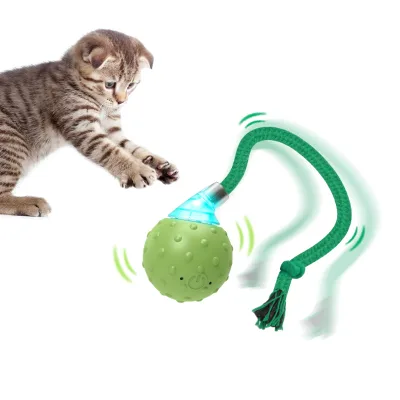
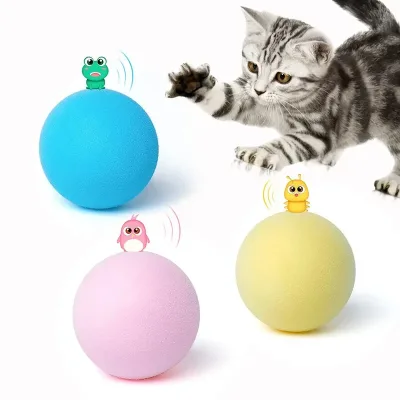
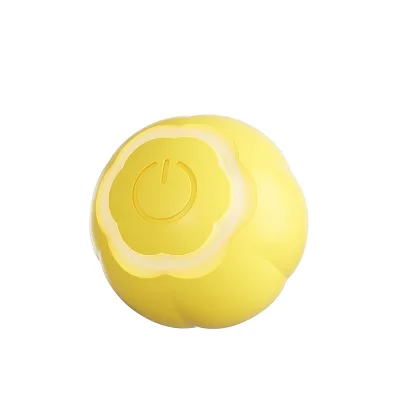
Electric Automatic Rolling Smart Ball Self-Moving Kitten Cat Playing Interactive Pet Toys
$2.96 - $3.46
MOQ: 50 Pieces


Ullwin (Shanghai) Industrial Co., Ltd
- Verified by SGS
- Trading Company
- China Shanghai
- Lead time30 days
- Avg. response≤ 9h
Main productsMedical & Health Care Products, Cosmetic Packaging
Main marketsSouth America,Africa,Southeast Asia/ Mideast,East Asia(Japan/ South Korea),Europe,Australia,North America

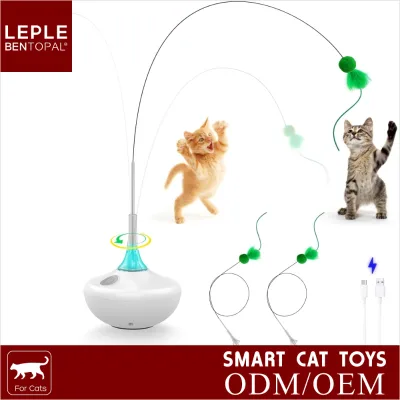
Automatic Interactive Cat Toy for Indoor, Rotating Feather Electronic Cat Toy
$10.00 - $12.00
MOQ: 1000 Pieces

Interactive Cat Toy, Interactive Cheese Cat Exercise Toy for Indoor Cats
$10.00 - $12.00
MOQ: 1000 Pieces


New Cat Toys for Interactive Play, Interactive Feather Toys for Indoor Cats
$10.00 - $12.00
MOQ: 1000 Pieces

Luoyang Xize Import And Export Co., Ltd.
- Trading Company
- Henan, China
- Lead time0 days
- Avg. response≤ 2h
Main productsDog Brush,Dog Leash,Dog Bottle,Dog Toys,Music Boxing Machine
Main marketsNorth America(32.00%), Western Europe(15.00%), South America(11.00%), Eastern Europe(10.00%), Oceania(9.00%), Mid East(8.00%), Southeast Asia(6.00%), Africa(5.00%), Eastern Asia(4.00%)

Hangzhou Tianyuan Pet Products Co., Ltd.
- Verified by TUVRHEINLAND
- Combined
- China Zhejiang
- Lead time30 days
- Avg. response≤ 12h
Main productsPet Beds, Cat Trees, Pet Products, Pet Accessories, Pet Supplies, Pet Collar, Pet Toy, Pet Brush, Pet Bowl, Pet Clothes
Main marketsEurope,North America


$0.46 - $0.55
MOQ: 2000 Pieces

- Verified by TUVRHEINLAND
- Trading Company
- China Zhejiang
- Lead time0 days
- Avg. response≤ 12h
Main productsCat Litter Box, Pet Feeder, Pet Toy, Pet Cloth, Pet Bed, Pet Carrier, Storage Bucket, Plastic Storage, Storage Rack, Lunch Box


Electric Remote Control Cat Teaser Toy Interactive Cat Electronic Toys
$5.52 - $25.0532
MOQ: 100 Pieces

Hot Selling Funny Plush Octopus Catnip Three Color Optional Interactive Cat Toy
$0.60 - $0.71
MOQ: 100 Pieces
Hainan Drichpet Import and Export Co., Ltd
- Verified by BV
- Manufacturer/Factory
- China Hainan
- Lead time23 days
- Avg. response≤ 1h
Main productsSmart Pet Feeder, Smart Pet Products, Smart Cat Litter Box, Smart Pet Dispenser
Main marketsSouth America,Eastern Europe,Mid East,North America,Southeast Asia,Eastern Asia,Oceania,Western Europe,Africa

Shanghai Langyi Enterprise Development Co., Ltd
- Verified by SGS
- Manufacturer/Factory
- China Shanghai
- Lead time105 days
- Avg. response≤ 4h
Main productsPet Toy, Pet Bed, Dog Toy, Cat Toy, Dog Bed, Cat Tree, Dog Collar and Leash, Pet Bowl
Main marketsSouth America,Eastern Europe,Mid East,North America,Oceania,Western Europe


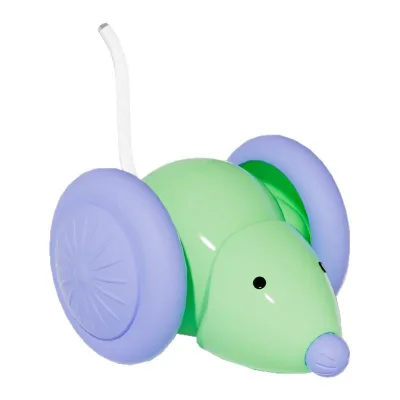
Factory Direct Supply Catnip Cat Mouse Toy Cat Chew Toy Interactive Toys
$0.10 - $0.48
MOQ: 1000 Pieces

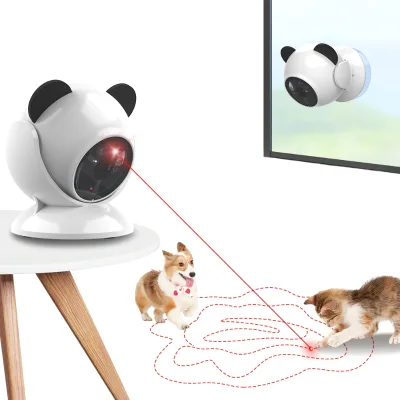
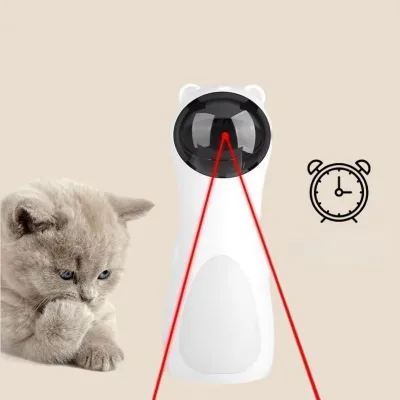
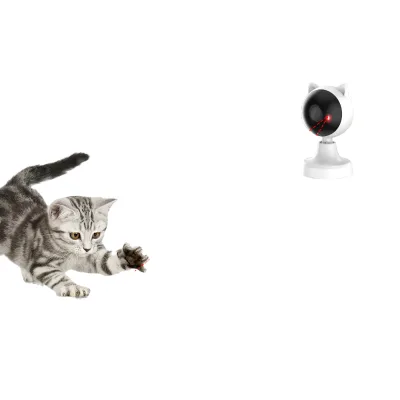
Cat Teaser Toy with Laser Pet Interactive & Movement Toy for Play and Interaction
$0.45 - $0.55
MOQ: 1000 Pieces

Colorful Cat Plastic Coil Toy Spring Interactive Cat Toy for Indoor Cats
$0.09 - $0.17
MOQ: 2000 pieces


Ningbo General Union Co., Ltd.
- Verified by BV
- Trading Company
- China Zhejiang
- Lead time30 days
- Avg. response≤ 9h
Main productsCleaning Brush, Bottle, Kitchenware, Storage Box, Outdoor, Pet, Fitness Equipment, Digital Devices, Camping, Pet Bottle
Main marketsSouth America,Africa,Southeast Asia/ Mideast,East Asia(Japan/ South Korea),Europe,Australia,North America

Interactive Cat Feather Toys, Automatic Cat Toy for Indoor Cats, Electronic Cat Exercise Toys
$6.00 - $6.60
MOQ: 500 Pieces


Jinjiang Zhengzheng Technology Co., Ltd.
- Trading Company
- China Fujian
- Lead time0 days
- Avg. response≤ 2h

- Verified by BV
- Trading Company
- China Zhejiang
- Lead time30 days
- Avg. response≤ 15h
Main marketsSouth America,Africa,Southeast Asia/ Mideast,East Asia(Japan/ South Korea),Europe,Australia,North America


Pet Automatic Smart Electric Cat Toy Interactive Cat Ball Toys Game for Cat Rolling Smart Ball
$2.23 - $2.96
MOQ: 50 boxes
Ninghai Dougez Pet Product Co., Ltd.
- Verified by TüVRheinland
- Manufacturer, Trading Company
- Lead time20 days
- Avg. response≤ 1h
Main productsPet Products
Main marketsSouth America(30%), Western Europe(12%), Southeast Asia(10%)
Hangzhou Pinyu Commerce Co., Ltd.
- Verified by Intertek
- Trading Company
- Lead time60 days
- Avg. response≤ 5h
Main productsPet Toy, Pet Interactive Toy, Pet Supplies
Main marketsNorth America(60%), Eastern Asia(10%), Eastern Europe(10%)

Quality Products Manufacture Co., Ltd.
- Manufacturer, Trading Company
- Guangdong, China
- Lead time5 days
- Avg. response≤ 2h
Main productsPet clothes,Pet harness,Pet collar,Pet leash,Pet grooming accessories
Main marketsNorth America(40.80%), Western Europe(15.90%), Northern Europe(8.90%), Eastern Europe(8.60%), Oceania(8.20%), Southern Europe(6.00%), South America(3.50%), Africa(2.30%), Central America(2.10%), Domestic Market(1.30%), Mid East(0.90%), Southeast Asia(0.60%), South Asia(0.50%), Eastern Asia(0.40%)

- Verified by SGS
- Trading Company
- China Zhejiang
- Lead time15 days
- Avg. response≤ 13h
Main productsPet Harness, Pet Collar, Pet Leash, Pet Feeder, Pet Carries, Pet Toy, Pet Bed, Pet Grooming, Pet Accessories
Main marketsEurope,Australia


Pet Supplies Cat Electric Simulation USB Rechargeable Interactive Toy Fish
$1.85 - $1.96
MOQ: 500 Pieces


Best Selling Interactive Cat Fur Toys, Retractable Cat Fun Toys, Kitten Toys
$0.54 - $0.58
MOQ: 400 Pieces

Wholesale Price Toys Hot Selling New Toy Cat Intelligent Interactive Toy
$0.10 - $0.25
MOQ: 800 Pieces

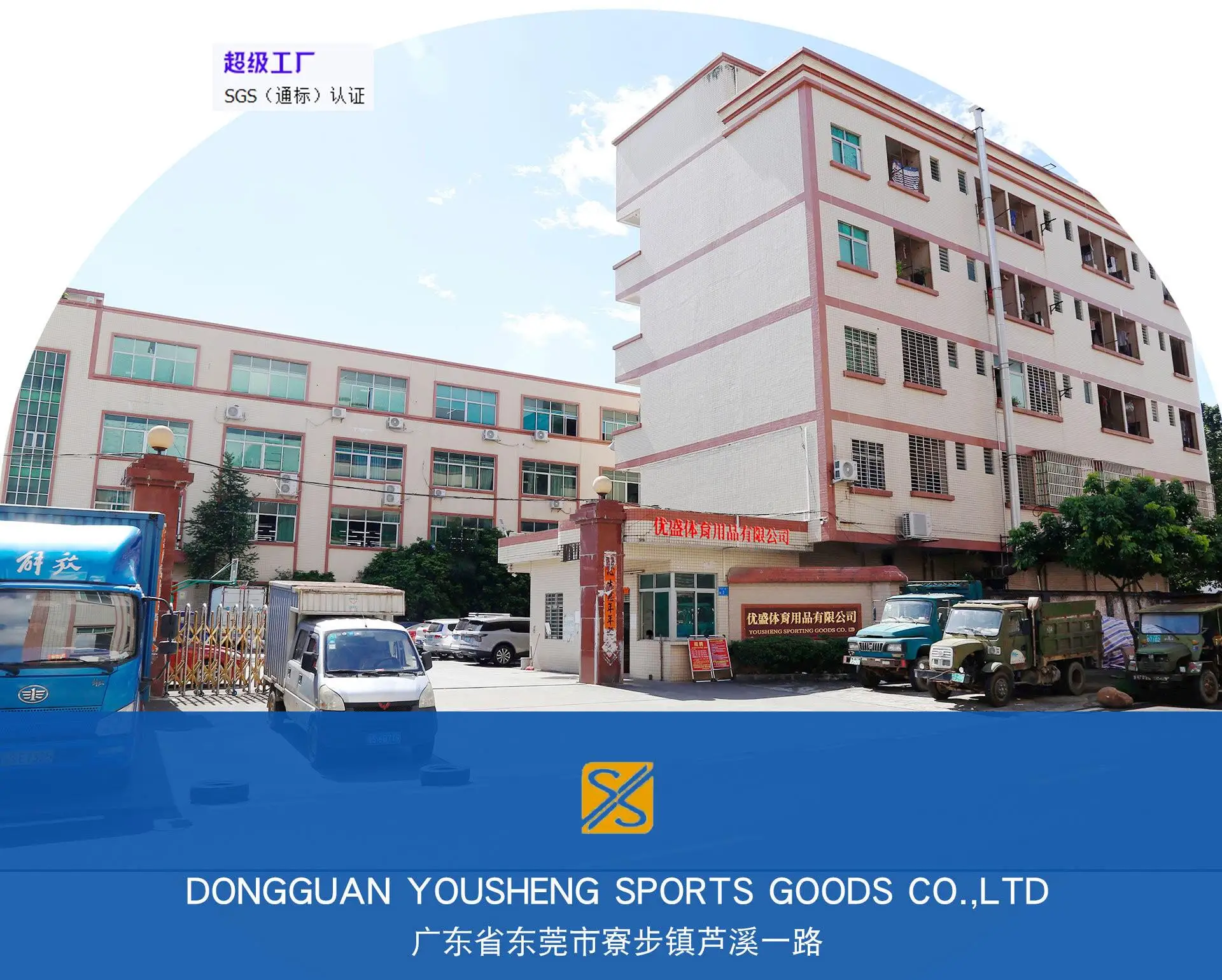
Dongguan Enyi Biotechnology Co., Ltd.
- Manufacturer
- Guangdong, China
- Lead time10 days
- Avg. response≤ 9h
Main productspet feeder,pet dispenser,Pet accessories,dog trainer,pet water bottle
Main marketsNorth America(50.00%), Western Europe(20.00%), Southern Europe(10.00%), Eastern Europe(10.00%), Northern Europe(10.00%)
Shenzhen Kangchengtai Industrial Co., Ltd.
- Manufacturer, Trading Company
- Lead time旺季: "1 - 100":7,"> 100":"To be negotiated", 淡季: "1 - 100":7,"> 100":"To be negotiated"
- Avg. response≤ 8h
Main productsPet Water Dispenser, Pet Food Dispenser, Pet Food Storage Bin, Cat Litter Box, Pet Heating Bowl
Dalian Usmile Pet Technology Co., Ltd.
- Verified by Intertek
- Trading Company
- Liaoning, China
- Lead time7 days
- Avg. response≤ 2h
Main productsPet Cleaning and Grooming Equipment, Veterinary and Rehabilitation Equipment , Pet Smart Products , Pet Health Care And Supplements, Basic Pet Supplies
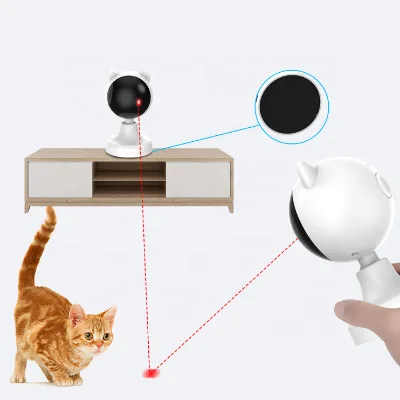
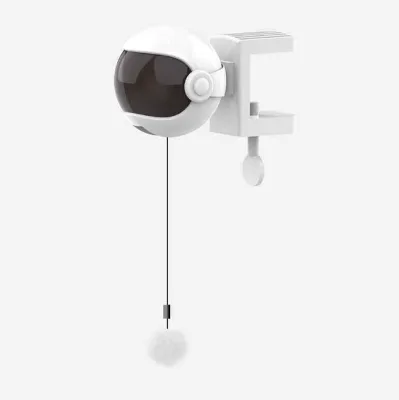
Cat Toys for Indoor Cats 2023 New Interactive Cat Feather Toys Automatic Hanging Go up and Down Toy
$4.51 - $4.85
MOQ: 48 pieces
- Verified by TüVRheinland
- Manufacturer, Trading Company
- Lead time15 days
- Avg. response≤ 5h
Main productsPet Stroller, Pet Seat Cover, Pet Bed, Pet Accessories
Main marketsEastern Asia(36%), Domestic Market(27%), North America(12%)

Qingdao Yuanche International Trade Co., Ltd.
- Verified by SGS
- Trading Company,Manufacturer/Factory
- China Shandong
- Lead time15 days
- Avg. response≤ 4h
Main productsPet Supply, Dog Harness, Pet Bed, Pet Toys, Pet Bowl, Pet Grooming Tools, Pet Clothes, Pet Carrier, Pet Cage, Aquarium Supplies
Main marketsSouth America,Eastern Europe,Mid East,North America,Southeast Asia,Eastern Asia,Oceania,Western Europe,Africa


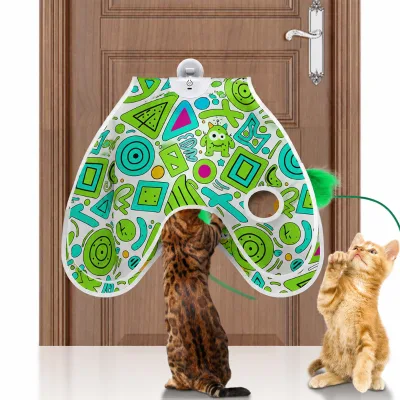
Multi-Functional Cat Interactive Toy with Bell Balls and Scratching Pad
$3.24 - $11.29
MOQ: 200 Pieces

Jiangxi Xiyun E-Commerce Co., Ltd.
- Trading Company
- Jiangxi, China
- Lead time0 days
- Avg. response≤ 2h
Main productsPet toys,Pet Carriers & Travel Products,Pet Cleaning & Grooming Products,Pet Bowls & Feeders,Pet Collars & Leashes
Main marketsSouth America(16.00%), North America(16.00%), Mid East(14.00%), Southeast Asia(10.00%), Western Europe(6.00%), Southern Europe(6.00%), Eastern Europe(6.00%), Northern Europe(6.00%), South Asia(5.00%), Eastern Asia(5.00%), Oceania(5.00%), Central America(5.00%)

PUYANG SELFAIDING INDUSTRIAL CO., LTD.
- Verified by SGS
- Manufacturer
- China Henan
- Lead time15 days
- Avg. response≤ 3h
Main productsAdult Bib, Pet Pad, Underpad, Baby Bib, Protective Panties, Washable Sanitary Pad, Compression Stockings, Patient Care Clothing, Pet Nest, Pet Toy

Guangzhou yunma pet-tech Co., Ltd
- Verified by BV
- Trading Company
- China Guangdong
- Lead time30 days
- Avg. response≤ 7h
Main productsGPS Tracker, Water Fountain, Smart Pet Feeder, Pet Toy
Main marketsDomestic
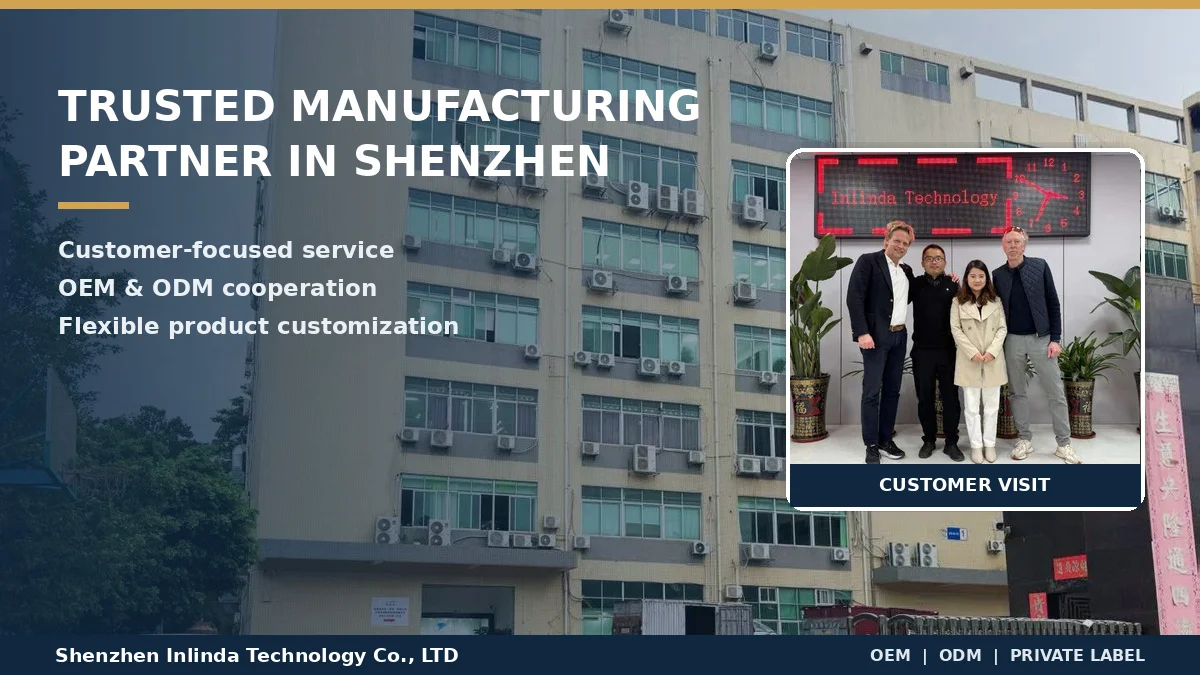
Shenzhen Inlinda Technology Co., Ltd.
- Manufacturer
- Guangdong, China
- Lead time3 days
- Avg. response≤ 6h
Main productsBaby Products,Beauty & Persoanl Care and Heath Product,Kitchen Gadgets,Pet Product,New and Unique Hotselling Products
Main marketsNorth America(35.00%), Western Europe(25.00%), Southeast Asia(20.00%), South Asia(5.00%), South America(5.00%), Mid East(5.00%), Eastern Europe(5.00%)
Chengdu Tops Technology Co., Ltd.
- Verified by TüVRheinland
- Trading Company
- Lead time15 days
- Avg. response≤ 3h
Main productsAutomatic Cat Litter Box, Automatic Pet Feeder, Dog Poop Bag, Pet Wipes, Pet Grooming Brush
Changsha Pet Enjoy Home Trading Co., Ltd.
- Trading Company
- Hunan, China
- Lead time7 days
- Avg. response≤ 6h
Main productsPet Toys & Playthings,Pet Collars,Pet Leads & Accessories,Pet feeding,Pet Grooming
Main marketsNorth America(80.00%), Western Europe(20.00%)
Huzhou Pawofu Trading Co., Ltd.
- Verified by SGS Group
- Trading Company
- Lead time0 days
- Avg. response≤ 5h
Main productsPet Supplies, Pet Toys, Pet Beds, Pet Clothing
Main marketsNorth America(48%), Eastern Europe(15%), South America(12%)
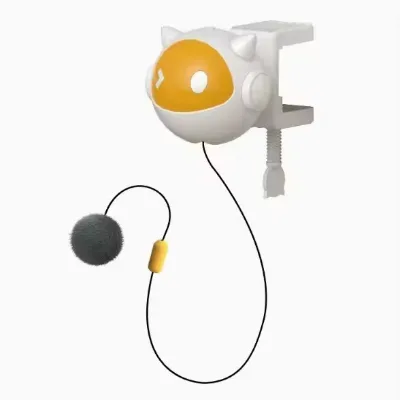
Integrated Lifting Electric cat Toy Automatic Telescopic Smart cat Ball cat Toy
$3.21 - $3.34
MOQ: 20 pieces
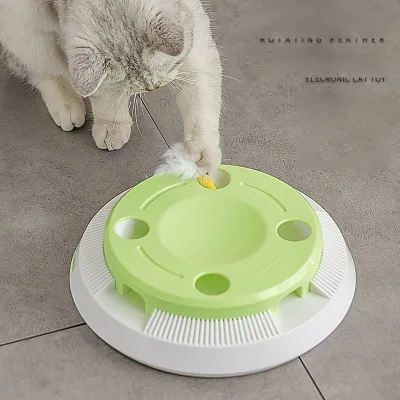
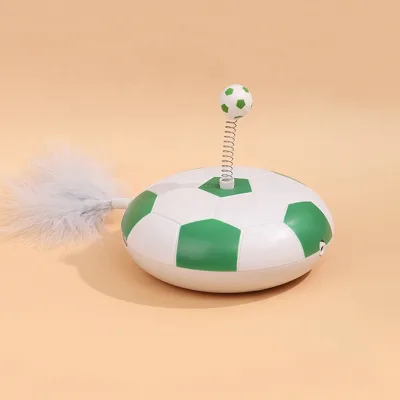
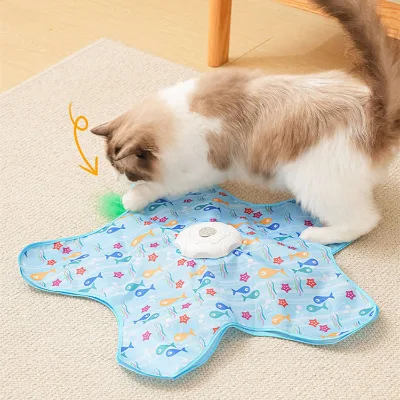
Electric cat Toys Teasing cat Play Plate Fun Play Plate cat Boring Toys Automatic
$8.5152 - $8.6693
MOQ: 50 pieces
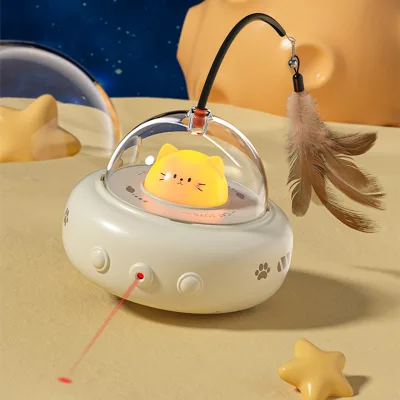
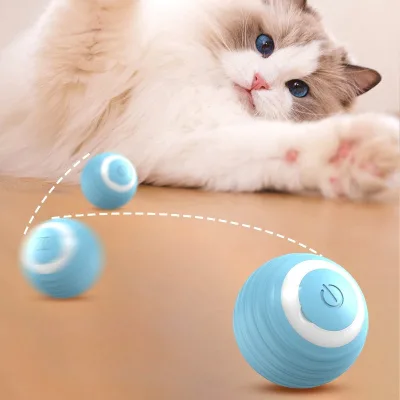
$1.7698 - $1.8431
MOQ: 50 pieces
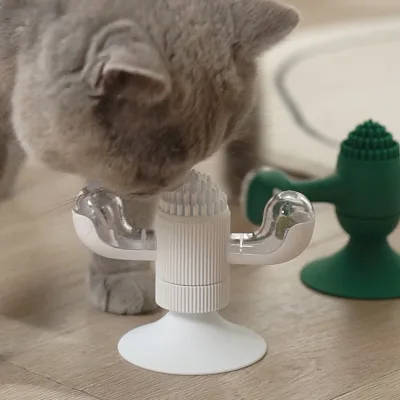
Pet Electric Turntable Cat Toys Self-hilarious Teasing Cat Toys Put Catnip Balls
$2.78 - $2.91
MOQ: 50 pieces
Qingdao Keruiwo Intelligent Technology Co., Ltd.
- Trading Company
- Shandong, China
- Lead time15 days
- Avg. response≤ 1h
Main productsMeasuring tools,digital caliper,micrometer,Instruments and meters,Hardware Tools
Main marketsDomestic Market(20.00%), Northern Europe(20.00%), Eastern Europe(10.00%), North America(10.00%), Western Europe(10.00%), Eastern Asia(10.00%), Mid East(10.00%), Southeast Asia(10.00%)
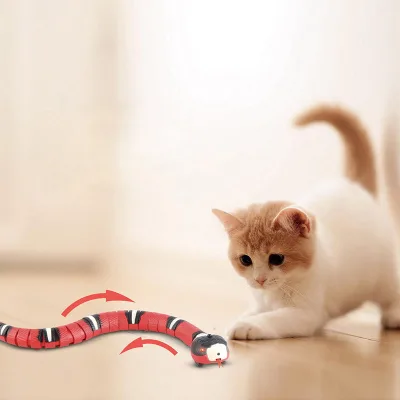
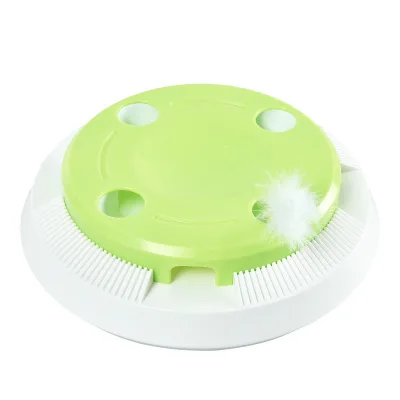
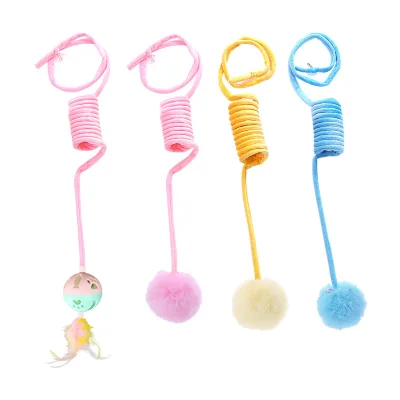
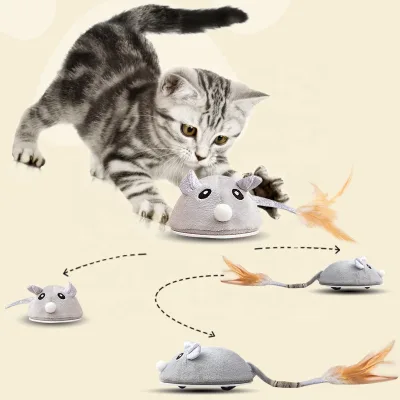



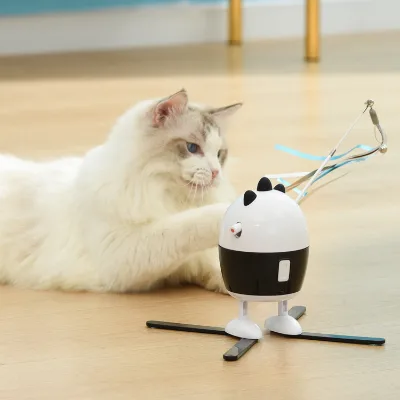
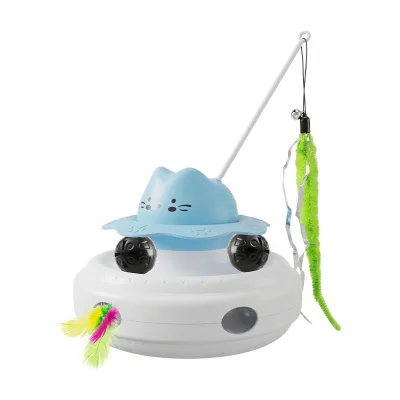
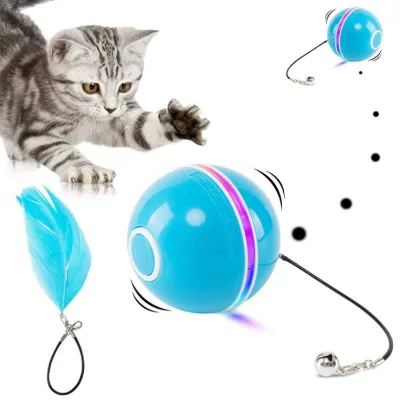
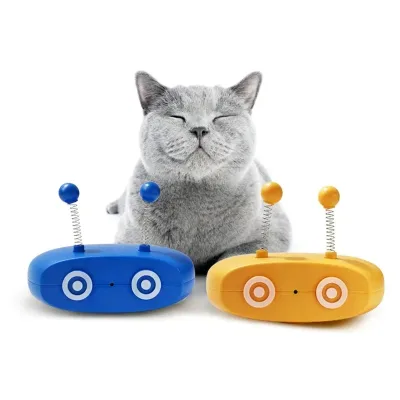


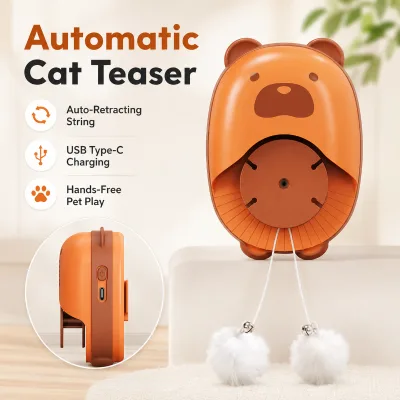
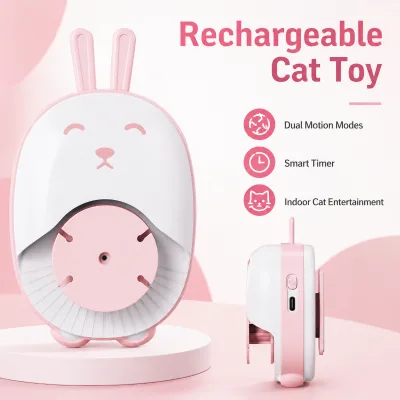
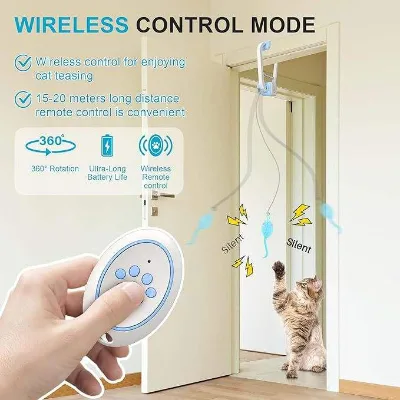
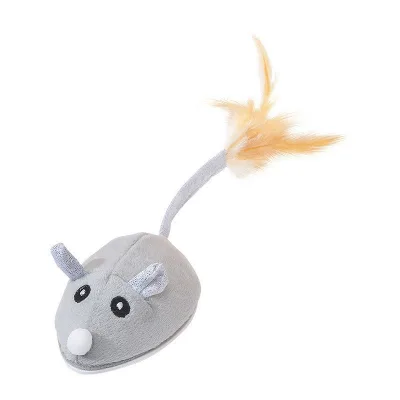
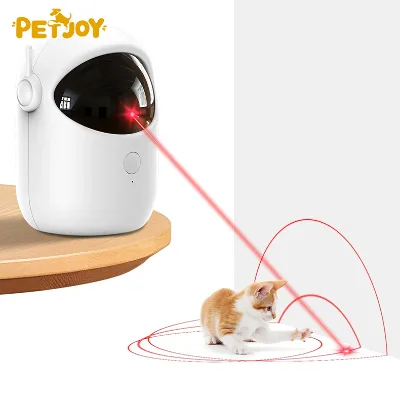
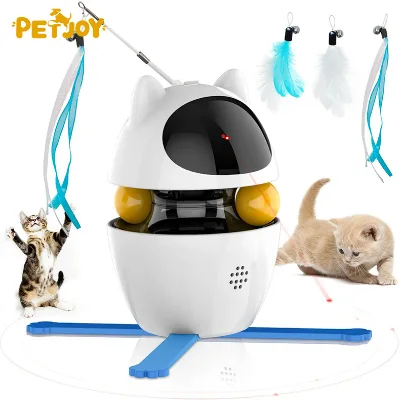
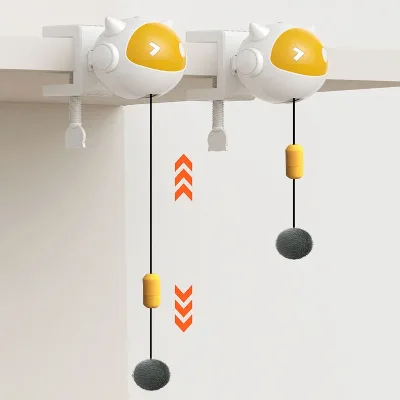
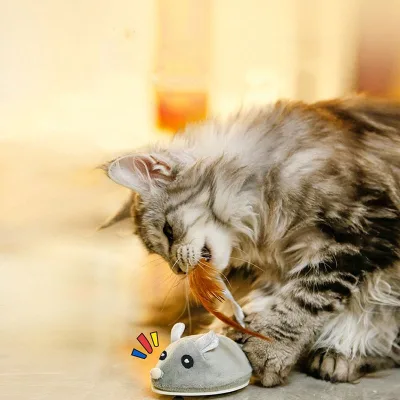
Comprehensive Sourcing Guide
Automatic Rechargeable Interactive Cat Toy Supplier Concentration and Factory Types
The current supplier landscape for automatic rechargeable interactive cat toys is dominated by trading companies rather than direct manufacturers, a structural detail that significantly impacts sourcing strategy and cost structures. Evidence indicates that the primary company type observed among available suppliers is the trading company, which suggests that buyers are often interfacing with intermediaries who aggregate products from various factories rather than dealing with the original production units. This distinction is critical because trading companies may offer broader product ranges and more flexible order terms, but they might also introduce additional layers of communication and potential markup. Buyers must recognize that when engaging with these entities, they are accessing a curated selection of goods, which can simplify the sourcing process but requires careful verification of the actual manufacturing capabilities behind the listed products.
Geographic concentration plays a vital role in the availability and logistics of these specific pet products. The observed data points to Guangdong, China, as a significant hub for the production of automatic interactive cat toys, with specific product origins listed from this region. This concentration implies that a substantial portion of the supply chain for these electronic and plastic-based toys is localized within Guangdong, potentially offering advantages in terms of supply chain efficiency and specialized component sourcing. However, other results indicate locations such as China Zhejiang, suggesting that while Guangdong is a major cluster, other regions also contribute to the supply of pet supplies and related items. Buyers should be aware that while Guangdong appears to be a primary source for the specific automatic and rechargeable features, the broader category of pet products may have a more dispersed manufacturing base across different Chinese provinces, requiring nuanced logistics planning.
How to Verify Automatic Rechargeable Interactive Cat Toy Suppliers
Verification is the cornerstone of mitigating risk when sourcing automatic rechargeable interactive cat toys, particularly given the electronic nature of the products and the prevalence of trading companies in the supplier pool. Buyers should prioritize suppliers who have undergone third-party verification processes, as these provide an external layer of credibility regarding the company’s legitimacy and operational capacity. In the current results, verification badges from recognized entities such as SGS Group and TÜV Rheinland are present, indicating that some suppliers have met specific standards for business authenticity or product safety. These certifications are not merely decorative; they serve as tangible evidence that the supplier has been inspected and validated by independent bodies, which is crucial for ensuring that the company exists, operates legally, and can fulfill orders as promised.
Beyond basic business verification, buyers must scrutinize the specific product attributes and certifications associated with the automatic rechargeable cat toys themselves. Since these products involve electrical components, batteries, and moving parts, compliance with international safety standards is non-negotiable. Evidence shows that some products carry CE certification, which is a mandatory conformity marking for products sold within the European Economic Area, indicating adherence to health, safety, and environmental protection standards. Buyers should actively request and verify these certifications for the specific models they intend to purchase, ensuring that the electronic features, such as rechargeable batteries and automatic motion sensors, meet the regulatory requirements of their target markets. Additionally, checking for ISO certifications, such as ISO9001:2015 for quality management or ISO14001:2015 for environmental management, can provide further assurance of the supplier’s operational discipline and commitment to consistent quality control processes.
What to Compare Across Automatic Rechargeable Interactive Cat Toy Suppliers
When evaluating multiple suppliers for automatic rechargeable interactive cat toys, buyers must systematically compare key operational metrics to identify the most suitable partner for their specific business needs. One of the most critical dimensions to assess is the minimum order quantity (MOQ), which varies significantly across different suppliers and product lines. For instance, some suppliers may require a minimum purchase of 10 pieces, while others might mandate orders in multiples of 48, 50, or even 150 items. This variation directly impacts inventory management and cash flow, especially for new buyers or those testing the market with smaller initial orders. Buyers should align their order volumes with the supplier’s MOQ requirements to avoid unnecessary capital tie-up or potential rejection of smaller orders, ensuring that the purchasing strategy is both efficient and scalable.
Another essential factor for comparison is the lead time and response speed, which influence supply chain reliability and customer satisfaction. The observed data indicates that lead times can range from zero days, potentially indicating ready-to-ship stock, to 15 days for production or processing. Similarly, response times, measured in hours, can vary, with some suppliers demonstrating rapid communication capabilities while others may take longer to reply. These metrics are crucial for maintaining a responsive supply chain, particularly when dealing with seasonal demand fluctuations or urgent restocking needs. Buyers should also consider the supplier’s customization capabilities, such as OEM/ODM acceptance and logo printing options, as these can add value through brand differentiation. Comparing these operational attributes side-by-side allows buyers to make informed decisions that balance cost, speed, and flexibility, ensuring that the selected supplier can meet their specific commercial requirements.
Common Automatic Rechargeable Interactive Cat Toy Sourcing Risks
Sourcing automatic rechargeable interactive cat toys involves several inherent risks that buyers must proactively manage to ensure product quality and supply chain stability. One significant risk is the variability in product features and materials, which can affect both performance and safety. The observed products utilize a range of materials, including silicone, ABS, PC, plastic, and even stainless steel, each with different durability and safety profiles. Buyers must carefully review the material specifications to ensure they meet the intended use case and safety standards, particularly for products that involve direct contact with pets or electronic components that could pose a hazard if poorly constructed. Additionally, the complexity of automatic features, such as touch activation, motion sensors, and rechargeable batteries, introduces potential points of failure that require rigorous quality assurance to prevent defects in the final product.
Another critical risk is the potential mismatch between supplier claims and actual capabilities, especially when dealing with trading companies that may not have direct control over the manufacturing process. While some suppliers offer customization and OEM services, the actual execution of these services depends on the underlying factory’s expertise and equipment. Buyers must verify that the supplier can consistently deliver on promises regarding customization, such as logo printing or specific design modifications, without compromising quality or increasing lead times excessively. Furthermore, the electronic nature of these toys means that battery life and charging reliability are key performance indicators that can be difficult to assess without physical testing. Buyers should mitigate these risks by requesting samples, conducting thorough due diligence on the supplier’s track record, and establishing clear quality control protocols in their contracts to ensure that the products meet their expectations and regulatory requirements.
Automatic Rechargeable Interactive Cat Toy Regional Sourcing and Logistics
Regional sourcing strategies for automatic rechargeable interactive cat toys are heavily influenced by the geographic concentration of manufacturing hubs, which directly impacts logistics costs and delivery times. As noted, Guangdong, China, emerges as a primary production center for these specific types of pet toys, suggesting that sourcing from this region may offer advantages in terms of supply chain efficiency and specialized component availability. Buyers leveraging this concentration can benefit from shorter transit times and potentially lower freight costs, especially if they are sourcing from other parts of Asia or have established logistics partners familiar with the region. However, it is also important to consider other locations, such as Zhejiang, which may offer different advantages in terms of product variety or specific manufacturing expertise, requiring buyers to evaluate the trade-offs between different regional sources.
Logistics planning must also account for the specific characteristics of the products, such as their size, weight, and electronic components, which can affect shipping methods and costs. Automatic rechargeable cat toys often contain lithium batteries, which are classified as dangerous goods and require special handling and documentation for international shipping. Buyers must ensure that their suppliers are experienced in exporting these types of products and can provide the necessary certifications and packaging to comply with international air and sea freight regulations. Additionally, the variability in lead times, ranging from immediate stock availability to longer production periods, necessitates careful inventory planning and coordination with logistics providers to ensure timely delivery. By understanding the regional dynamics and logistical requirements, buyers can optimize their supply chain, reduce costs, and minimize the risk of delays or compliance issues.
Automatic Rechargeable Interactive Cat Toy Commercial Terms and Order Planning
Effective commercial terms and order planning are essential for successful procurement of automatic rechargeable interactive cat toys, requiring buyers to negotiate favorable conditions that align with their business objectives. Pricing is a key component, with observed price points ranging from approximately $6.80 to $8.30 per unit, depending on the specific product features and order volume. Buyers should leverage this price range to negotiate better terms, especially when placing larger orders or committing to long-term partnerships. Additionally, understanding the payment terms, such as the availability of escrow services or other secure payment methods, is crucial for protecting financial interests and ensuring that funds are only released upon satisfactory delivery of the goods. Buyers should also consider the implications of MOQs on their cash flow, planning their orders to balance inventory levels with financial flexibility.
Order planning must also incorporate considerations for customization and branding, which can add significant value to the final product. Many suppliers offer OEM/ODM services and logo printing, allowing buyers to create unique products that stand out in the market. However, these customizations often come with additional costs and longer lead times, which must be factored into the overall order planning process. Buyers should communicate their branding requirements clearly and early in the sourcing process to ensure that the supplier can accommodate these needs without disrupting the production schedule. Furthermore, establishing clear quality assurance protocols and return policies is essential for managing risks associated with defective products or non-conforming goods. By carefully planning their commercial terms and order strategies, buyers can build a resilient and efficient supply chain that supports their growth and profitability in the pet products market.
FAQs
What is the price range for automatic rechargeable cat toys?
Prices for these interactive toys typically range from $6.80 to $8.30 per unit. The final cost depends on the specific model, material composition, and order volume. Buyers should check the minimum order quantity to determine the exact per-unit price for their specific requirements.
Where are these cat toys manufactured?
Most automatic rechargeable cat toys are manufactured in Guangdong, China. Some suppliers also list general production in China. Buyers should verify the specific place of origin for each product listing to ensure it meets their sourcing preferences and logistics requirements.
What materials are used in these toys?
Common materials include silicone, ABS, PC, plastic, and stainless steel. Some models also use polyester for specific components. The material choice affects durability and safety. Buyers should review the product specifications to ensure the materials align with their quality standards and pet safety requirements.
Do suppliers offer customization services?
Yes, many suppliers accept OEM and ODM requests. Customization options often include logo printing and specific design adjustments. Buyers should confirm the minimum order quantity for customized items, as it may differ from standard stock orders. This allows for brand-specific product development.
What certifications do these products have?
Products may carry CE certification for electrical safety. Suppliers themselves might hold ISO9001:2015 and ISO14001:2015 system certifications. Verification bodies like SGS Group or TÜV Rheinland may also validate supplier credentials. Buyers should request specific product certificates to ensure compliance with regional regulations.
What is the typical lead time for orders?
Lead times can vary, with some suppliers indicating a standard production time of 15 days. Other listings may show different timelines based on stock availability. Buyers should confirm the exact lead time with the supplier before placing an order to ensure timely delivery for their business needs.