Source eco-friendly washed flannel shirt jacket for Racing, Cycling, Water Sports
Compare 30 listings for eco-friendly washed flannel shirt jacket options featuring windproof, waterproof, and breathable properties. Buyers can review sizes from XS to 4XL, custom logos, and various colors including blue, black, and red for racing, cycling, and water sports applications.
Updated
Key considerations
Products List
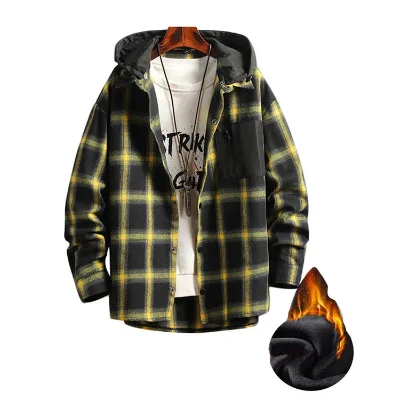
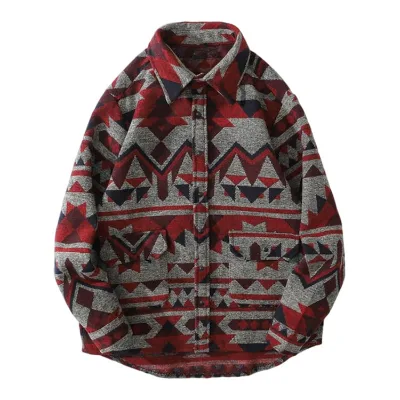
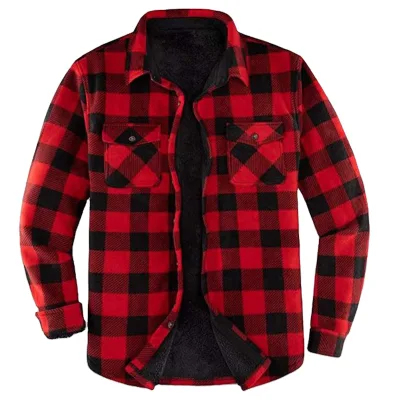
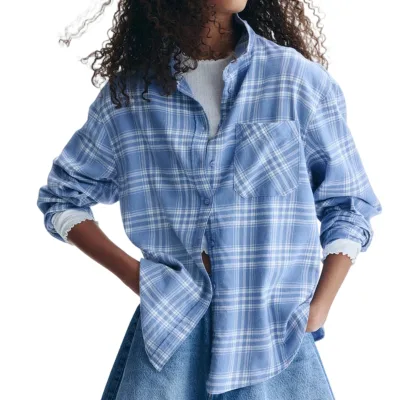
2022 Fashion 100% Cotton Long Sleeve Flannel Shirt Jacket Fleece Jacket
$7.7648 - $14.287
MOQ: 50 pieces
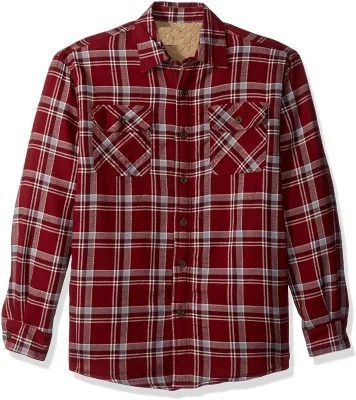


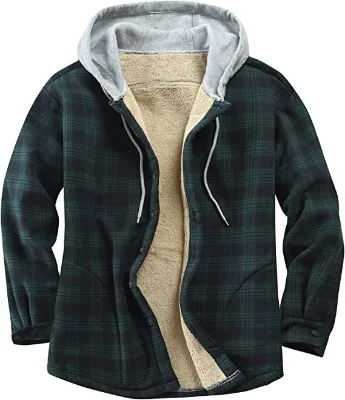
Men's Outdoor Casual Vintage Long Sleeve Plaid Flannel Button Down Shirt Jacket
$13.00 - $14.00
MOQ: 1000 Pieces


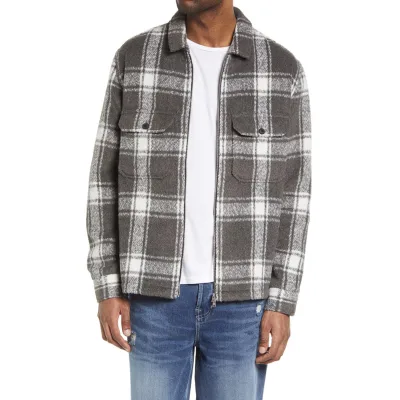
Mens Customizable Cotton Zip up Long Sleeve Pocket Flannel Shirt Jacket
$7.60 - $10.20
MOQ: 100 Pieces

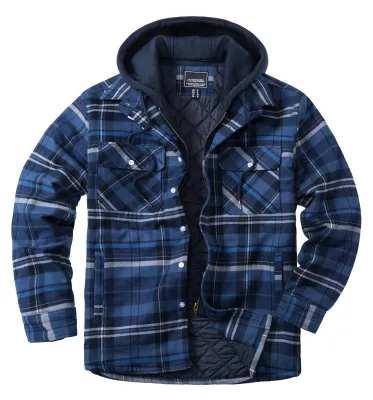

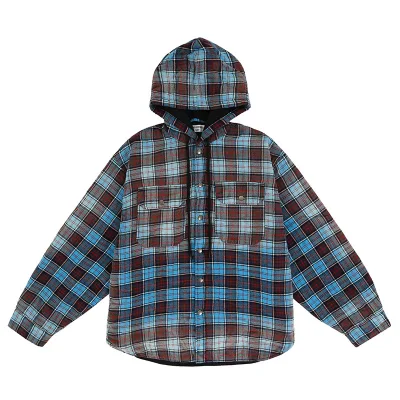
Custom Men's Flannel Shirt Jacket with Vintage Wash Oversized Boxy Plaid
$20.90 - $22.90
MOQ: 50 Pieces

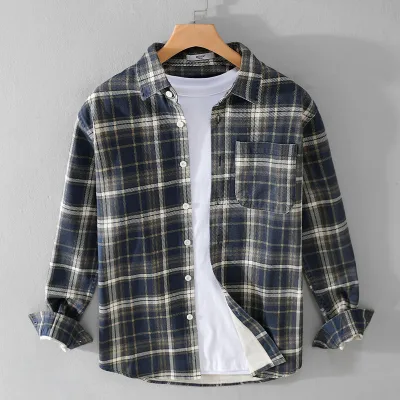
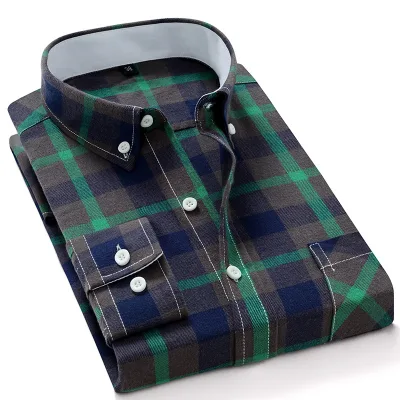
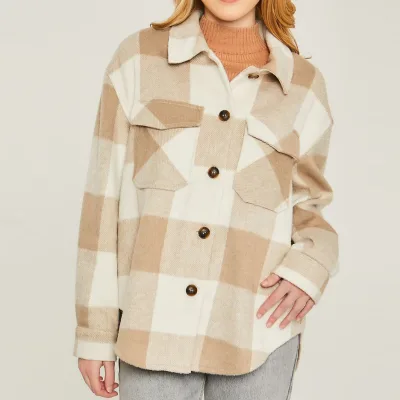

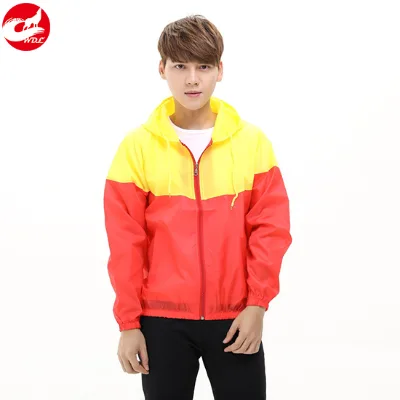


Lightweight Men's Puffer Jacket - Warm and Water Repellent, Stylish Coat
$6.99 - $11.99
MOQ: 100 Piece


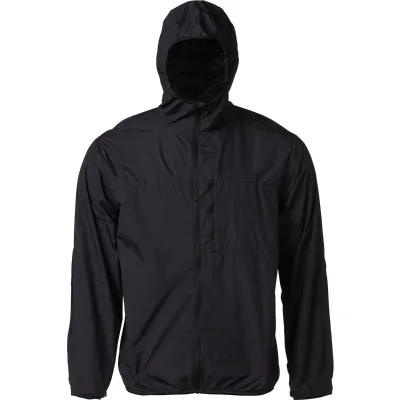

Men's Softshell Jacket Windproof Water-Resistant Fleece Lined Outdoor Coat
$12.90 - $19.90
MOQ: 1000 Pieces
Comprehensive Sourcing Guide
Eco-Friendly Washed Flannel Shirt Jacket Sourcing Guide
Sourcing eco-friendly washed flannel shirt jackets requires a nuanced understanding of material sustainability and textile processing standards. Buyers must distinguish between genuine organic certifications and generic "green" marketing claims, ensuring that the flannel fabric meets specific environmental criteria. The washing process, which gives the garment its soft hand feel and vintage aesthetic, often involves chemical treatments that can impact environmental compliance. Therefore, verifying the wastewater management practices of the manufacturing facility is as critical as evaluating the raw fiber source. Procurement teams should prioritize suppliers who provide transparent documentation regarding the origin of their cotton or blended fibers, ensuring they align with corporate social responsibility goals.
The term "shirt jacket" implies a hybrid garment that bridges the gap between a traditional shirt and a lightweight jacket. This structural definition influences sizing, layering capabilities, and seasonal appropriateness. Buyers should assess whether the product falls under casual wear or outdoor utility categories, as this affects the relevant safety and performance standards. The "washed" finish suggests a pre-shrunk or softened state, which requires quality control checks for dimensional stability and colorfastness. Understanding these technical nuances helps in defining precise product specifications and avoiding miscommunication with suppliers who may use the term loosely to describe any textured flannel product.
Product Scope and Observed Listing Signals
Market listings for this category reveal a diverse range of attributes that buyers must navigate carefully. Observed data indicates a wide color palette, including Blue, Black, Red, Brown, Purple, Mint, Khaki, Champagne, Pink, Gold, Silver, and Orange, with some suppliers offering more than two hundred color options. This variety supports customization but also introduces complexity in inventory management and dye lot consistency. The size range extends from XXS to 4XL, catering to both standard and extended sizing needs. Buyers should note that while "Loose" style is a common observation, fit profiles vary significantly between suppliers, necessitating detailed size chart verification before placing bulk orders.
Usage contexts observed in the market include Racing, Cycling, and Water Sports, alongside general Casual Wear and High Street Loose Wear. This broad applicability suggests that the product may be marketed for both active outdoor use and everyday fashion. However, the presence of features like Windproof, Waterproof, and Breathable properties in some listings contrasts with the typical permeability of standard flannel. Buyers must verify if these performance claims are inherent to the fabric construction or added through specific treatments. The distinction between leisure wear and technical sportswear is crucial for determining the appropriate testing protocols and end-use suitability for the target market.
Technical Specifications to Verify
Fabric composition is the primary technical variable, with Cotton being a commonly observed material. Buyers must confirm the percentage of organic cotton versus conventional cotton, as well as any synthetic blends that may affect the "eco-friendly" claim. The weaving process is often machine-embroidered or standard woven, which impacts the texture and durability of the flannel. Additionally, the "Yarn Dyed" technique is noted, which typically offers superior color depth and longevity compared to piece-dyed alternatives. Verification of the dyeing method is essential for assessing the environmental impact, as yarn dyeing can be more resource-intensive but results in higher quality garments.
Construction details such as collar style, specifically Stand Collar, and the overall silhouette, described as Loose, define the garment's aesthetic and functional profile. Buyers should verify the presence of specific features like pockets, button types, and hem finishes, which are not always detailed in initial listings. The product model numbers, such as CT25042404, JK-AP00200, and Rs16, serve as unique identifiers for tracking samples and production runs. It is critical to ensure that the technical specifications on the purchase order match the approved sample exactly, including seam strength, stitch density, and the integrity of the washed finish after multiple laundering cycles.
Compliance and Safety Documentation
Environmental compliance is paramount for eco-friendly products, requiring verification of certifications such as GOTS (Global Organic Textile Standard) or OEKO-TEX. Buyers should request test reports for harmful substances, including formaldehyde, heavy metals, and azo dyes, to ensure the finished garment is safe for skin contact. The "eco-friendly" label must be backed by documented evidence of sustainable sourcing and processing. Suppliers should provide clear information on their wastewater treatment processes, particularly for the washing and dyeing stages, to minimize environmental impact. Buyers must also check for compliance with local regulations in the destination market, such as REACH in Europe or CPSIA in the United States.
Safety standards for apparel include flammability resistance, especially if the jacket is marketed for outdoor or casual wear. Buyers should verify if the product meets specific flammability standards for the target region, as flannel can be susceptible to ignition if not treated properly. Additionally, small parts safety, such as buttons and zippers, must be assessed to prevent choking hazards, particularly if the product is intended for a broader demographic. Documentation should also cover labor practices and ethical manufacturing, ensuring that the supply chain adheres to fair labor standards. Buyers should require audit reports or third-party verification of social compliance to mitigate reputational risks.
Cost Drivers and Commercial Terms
Pricing for eco-friendly washed flannel shirt jackets varies significantly based on material quality, certification status, and order volume. Observed price ranges in the market span from $2.98 to $57.93, reflecting differences in fabric origin, dye complexity, and finishing processes. Minimum Order Quantities (MOQ) typically range from 10 to 1000 pieces, with some suppliers requiring higher volumes for custom colors or logos. Buyers should negotiate pricing based on tiered quantity breaks and consider the total cost of ownership, including shipping, duties, and potential returns due to quality issues. Understanding the cost structure helps in budgeting accurately and identifying potential savings through consolidated shipments or standardized designs.
Commercial terms include payment methods, lead times, and shipping options. Suppliers often accept various payment terms, but buyers should secure favorable conditions such as partial upfront payment and balance against copy of Bill of Lading. Lead times can vary based on customization requirements, with sample times typically ranging from 7 to 10 days. Shipping options include DHL, EMS, UPS, FedEx, by Sea, or by Air, each with different cost and speed implications. Buyers should plan for potential delays in customs clearance and ensure that Incoterms are clearly defined to allocate risk appropriately. Clear communication on these terms prevents misunderstandings and ensures smooth transaction execution.
Supplier Qualification and Quality Control
Supplier qualification involves assessing manufacturing capabilities, quality management systems, and past performance. Buyers should verify the supplier's production capacity, equipment, and workforce skills, particularly in handling delicate flannel fabrics and complex washing processes. Requesting references from previous clients and conducting factory audits can provide insights into the supplier's reliability and consistency. Quality control should be integrated into the production process, with clear acceptance criteria for defects, color variation, and dimensional stability. Buyers should define specific quality metrics and inspection points to ensure that the final product meets their standards.
Pre-shipment inspections are critical to catching defects before goods leave the factory. Buyers should engage third-party inspection services to conduct random sampling and detailed checks against the approved sample. Key inspection points include fabric quality, stitching integrity, button attachment, and overall appearance. Any deviations should be documented and addressed before shipment. Buyers should also establish a clear process for handling non-conforming goods, including repair, replacement, or discount agreements. Effective quality control reduces the risk of receiving substandard products and protects the brand's reputation in the market.
Long-Term Procurement Checks
Long-term procurement success depends on continuous supplier relationship management and performance monitoring. Buyers should conduct regular reviews of supplier performance, including on-time delivery, quality consistency, and responsiveness to issues. Building a strong partnership with reliable suppliers can lead to better pricing, priority production, and collaborative innovation. Buyers should also stay updated on market trends, regulatory changes, and sustainability standards to ensure ongoing compliance. Regular communication and feedback loops help in identifying areas for improvement and strengthening the supply chain.
Risk management is essential for long-term procurement, including diversifying the supplier base to mitigate supply chain disruptions. Buyers should monitor geopolitical, economic, and environmental factors that could impact production and logistics. Developing contingency plans for potential disruptions, such as alternative sourcing options or safety stock, ensures business continuity. Buyers should also invest in supplier development programs to help partners improve their quality and sustainability practices. By proactively managing risks and fostering strong supplier relationships, buyers can secure a stable and efficient supply of eco-friendly washed flannel shirt jackets.
FAQs
What customization options are available for the jacket?
Customization is available for fabric, logo, print, and samples. Buyers can request specific designs with a sample time of 7 to 10 days. The product supports customized logos and prints to meet unique brand requirements for bulk orders.
Which sizes are offered for the eco-friendly washed flannel shirt jacket?
Sizes range from XXS to 3XL depending on the specific model. Some listings offer XS through 3XL, while others include S, M, L, XL, 2XL, 3XL, and 4XL. Buyers should verify the exact size chart for the selected product model.
How is the product packed for shipping?
Packing varies by item, often using poly bags or cartons. One option includes 10 pieces per carton weighing 10.2kg with dimensions of 56x45x26cm. Another standard packing format is 20 pieces per carton measuring 50x60x5cm for efficient transport.
Can I order a small quantity of the jacket?
The minimum order quantity starts at 10 pieces for some models. Other listings require a minimum of 100 pieces or up to 1000 pieces. Buyers must check the specific MOQ for the desired product model before placing an order.
What materials are used to make the jacket?
Materials include cotton and customizable fabric options. The weaving process is machine-embroidered for durability. Buyers can request specific fabric types to match their design needs while ensuring the product meets quality standards for casual or leisure wear.
Which colors are available for the jacket?
Colors include blue, black, red, brown, purple, mint, pink, gold, silver, orange, khaki, and champagne. Some listings offer more than 200 color options with support for full customization. Buyers can select from standard palettes or request unique shades.
What are the shipping methods for the jacket?
Shipping is available via DHL, EMS, UPS, FedEx, by sea, or by air. The origin is China, and lead times depend on the selected method. Buyers can choose the most suitable logistics option based on their urgency and budget requirements.