Source Elastic Spandex Luggage Cover for Travel Protection
Source Elastic Spandex Luggage Cover options from 30 verified listings. Compare features like waterproofing, custom printing, and fabric blends including polyester-spandex mixes. Find durable, scratch-proof covers in various sizes and designs for suitcase protection; compare the available evidence and request quotations based on your requirements.
Updated
Key considerations
Products List


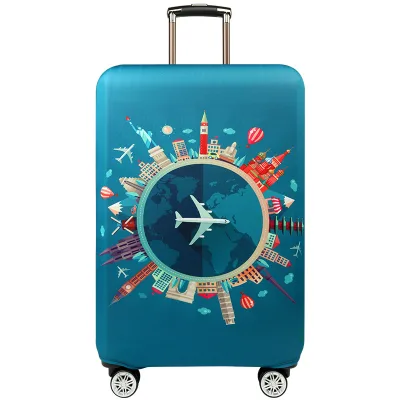
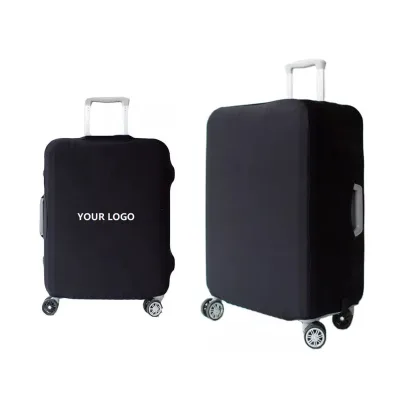

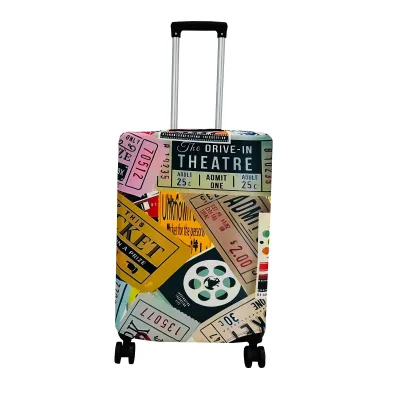
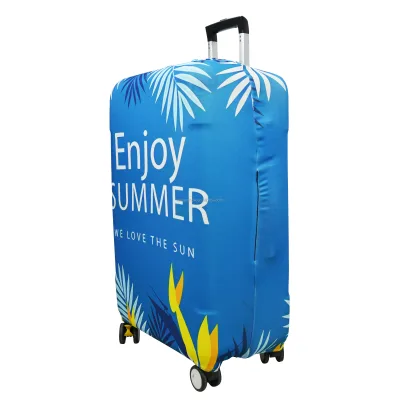
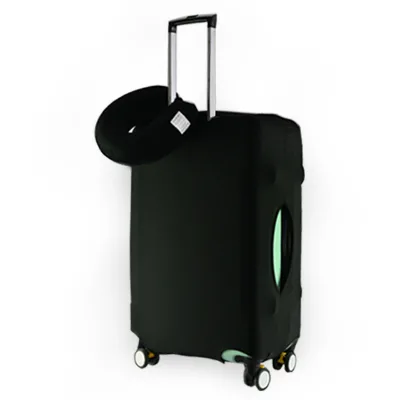
Sublimation Printing Luggage Cover Spandex Elastic Luggage Protective Cover
$2.40 - $3.50
MOQ: 100 Pieces


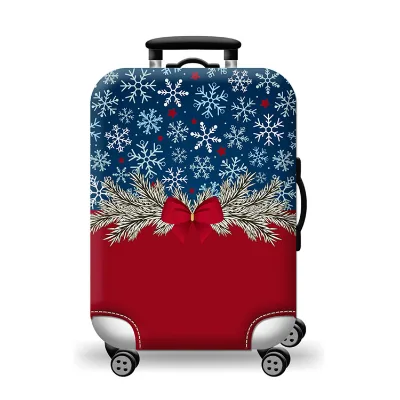
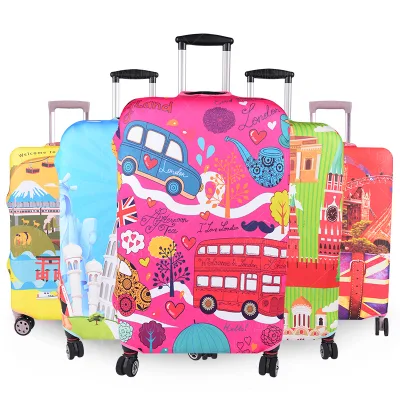
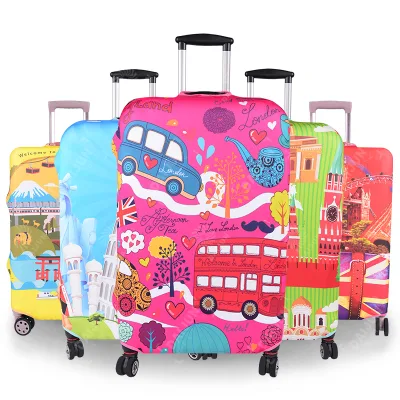
Custom Design Graphic Elastic Spandex Suitcase Cover Luggage case Cover Suitcase Protector
$3.1461 - $6.5585
MOQ: 500 Minimum

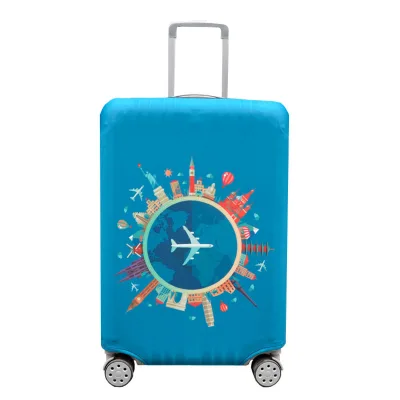
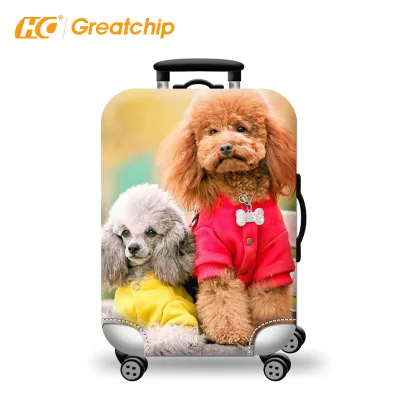
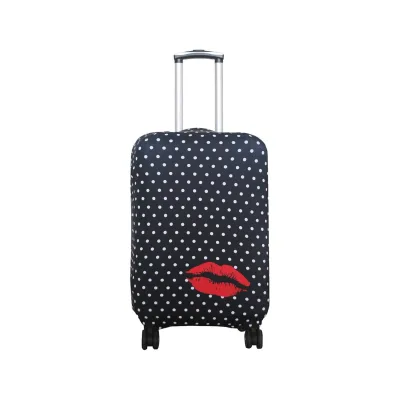
Custom Travel Colorful Suitcase Protector Elastic Spandex Luggage Cover
$2.00 - $4.00
MOQ: 1000 Pieces


Comprehensive Sourcing Guide
Elastic Spandex Luggage Cover Sourcing Guide
Procuring elastic spandex luggage covers requires a clear understanding of material composition and functional design to ensure durability and fit. The core material typically consists of a blend of polyester and spandex, with observed compositions including 95% polyester and 5% spandex, or 92% polyester and 8% spandex. This specific ratio is critical for achieving the desired elasticity, allowing the cover to stretch securely over various suitcase sizes without tearing. Buyers must verify the exact percentage blend with suppliers, as higher spandex content generally offers better recovery and shape retention, which is essential for repeated use during travel.
Beyond material composition, the closure mechanism and surface features define the user experience and protective capability. Common closure methods include lacing and zipper systems, with zippers being a prevalent choice for ease of access and security. The covers are designed to be waterproof or non-waterproof depending on the specific product line, offering varying levels of protection against rain and dust. Additionally, features such as scratch-proof surfaces and eco-friendly materials are available, catering to buyers who prioritize durability and sustainability in their travel accessories.
Product Scope and Observed Listing Signals
The market for elastic spandex luggage covers presents a diverse range of options, with observed price points ranging from $1.76 to $8.36 USD. This wide variance reflects differences in material quality, customization options, and packaging standards. Buyers should note that the minimum order quantity (MOQ) typically ranges from 1 to 1,000 pieces, providing flexibility for both small-scale retailers and large-volume distributors. Understanding these commercial signals helps in budgeting and negotiating terms that align with specific procurement volumes and financial constraints.
Product listings indicate a strong emphasis on customization and branding opportunities. Many suppliers offer OEM services, allowing buyers to add printed logos or custom patterns to the luggage covers. The available colors are extensive, including options like purple, black, and various other designs, with some suppliers providing a wide array of color codes for precise matching. This customization capability is a significant selling point for brands looking to create unique, branded travel accessories that stand out in the competitive market.
Technical Specifications to Verify
Verifying technical specifications is crucial to ensure the luggage covers meet the required size and fit standards. Observed size specifications include standard dimensions such as S, M, L, and XL, as well as specific inch measurements like 20", 24", and 28". Some listings also mention sizes ranging from 18'' to 30'', indicating a broad compatibility with various suitcase models. Buyers must confirm the exact size chart with suppliers to prevent fit issues, as an incorrect size can compromise the protective function and aesthetic appeal of the cover.
The weight and fabric density are also important technical parameters to consider. One observed specification lists the weight at 300gsm, which suggests a medium-soft hardness and a substantial feel that contributes to durability. The fabric standard is often cited as 60*70CM for certain models, while others are defined by their stretch fabric properties. Ensuring that the fabric density and dimensions align with the intended use case will help in selecting covers that offer adequate protection without being overly bulky or heavy for travel.
Compliance and Safety Documentation
While specific certification details are not explicitly listed in the observed data, buyers should inquire about compliance with relevant safety and environmental standards. The mention of eco-friendly materials suggests that some products may adhere to environmental regulations, but this needs to be verified through official documentation. Buyers should request test reports or certificates that confirm the absence of harmful substances in the polyester and spandex blends, ensuring the products are safe for consumer use and meet international trade requirements.
Packaging and labeling compliance is another critical aspect of documentation. Observed packaging details include cartons, poly bags, OPP bags, and color boxes, with quantities such as 1pc/bag and 50pc/carton. Buyers must ensure that the packaging meets the labeling requirements of their target markets, including accurate product descriptions, care instructions, and origin information. Proper documentation and labeling not only facilitate customs clearance but also enhance the professional presentation of the products in retail environments.
Cost Drivers and Commercial Terms
Several factors influence the cost of elastic spandex luggage covers, including material costs, customization complexity, and packaging choices. The use of high-quality polyester-spandex blends and features like waterproofing or scratch-proof surfaces can increase production costs. Additionally, custom designs, printed logos, and specific color requirements may incur setup fees or higher per-unit prices. Buyers should analyze these cost drivers to determine the most cost-effective options that still meet their quality and branding requirements.
Commercial terms such as MOQ, lead times, and payment conditions are essential for planning procurement activities. With MOQs ranging from 1 to 1,000 pieces, buyers can choose suppliers that align with their inventory needs. However, higher customization levels may come with stricter MOQs or longer lead times. It is advisable to negotiate clear terms regarding production schedules, shipping methods, and return policies to mitigate risks and ensure a smooth supply chain operation.
Supplier Qualification and Quality Control
Selecting a qualified supplier involves verifying their manufacturing capabilities and quality control processes. Suppliers located in Zhejiang, China, are common sources for these products, but buyers should conduct due diligence to assess their production capacity and consistency. Requesting samples is a critical step to evaluate the material quality, stitching integrity, and overall finish of the luggage covers. This hands-on inspection helps identify potential defects or inconsistencies before committing to a larger order.
Quality control measures should be established to maintain product standards throughout the production process. Buyers should inquire about the supplier's QC protocols, including in-line inspections and final random inspections. Clear communication of quality expectations, such as acceptable defect rates and packaging standards, is essential. Implementing a robust quality control plan ensures that the delivered products meet the specified requirements and reduces the risk of receiving substandard goods.
Long-Term Procurement Checks
Establishing long-term relationships with suppliers requires regular performance reviews and continuous improvement initiatives. Buyers should monitor key performance indicators such as on-time delivery rates, product quality consistency, and responsiveness to issues. Regular feedback sessions with suppliers can help address any recurring problems and foster a collaborative partnership. This proactive approach ensures that the supply chain remains reliable and efficient over time.
Adapting to market trends and evolving customer preferences is also vital for long-term success. The luggage cover market may see shifts in design preferences, material innovations, or sustainability demands. Buyers should stay informed about these trends and work with suppliers to incorporate new features or materials as needed. By maintaining flexibility and staying ahead of market changes, buyers can ensure their product offerings remain competitive and relevant in the dynamic travel accessories industry.
FAQs
What materials are used for elastic spandex luggage covers?
The covers are primarily made from stretch fabric blends, specifically 95% polyester with 5% spandex or 92% polyester with 8% spandex. This composition ensures durability and elasticity. The material is designed to be scratch-proof and eco-friendly, providing a protective layer for suitcases while maintaining a soft, medium-soft hardness for easy application.
Can I customize the design and logo on the luggage cover?
Yes, customization is available for these products. Buyers can request OEM services with printed logos and custom patterns. The design options include various colors and specific model numbers like LCR-01A or ET-8204. This allows for branded travel accessories that meet specific aesthetic or corporate identity requirements for bulk orders.
What sizes are available for the Elastic Spandex Luggage Cover?
Standard sizes include S, M, L, and XL, corresponding to suitcase dimensions such as 18 to 30 inches or specific measurements like 20, 24, and 28 inches. Some models also offer standard fabric sizes like 60 by 70 cm. These dimensions ensure a snug fit for various luggage types, protecting them from dust and scratches.
Is the Elastic Spandex Luggage Cover waterproof?
Waterproof capabilities vary by product model. Some versions are explicitly labeled as waterproof, offering protection against rain and moisture. Other models are described as non-waterproof but still provide dustproof and protective features. Buyers should verify the specific waterproof attribute for their chosen model to ensure it meets their travel weather requirements.
What is the minimum order quantity for custom luggage covers?
The minimum order quantity can range from 1 to 1000 pieces depending on the supplier and product specifications. Some listings indicate an MOQ of 1,000 pieces for certain customized designs. However, other options allow for lower quantities, making it flexible for both small trials and large bulk procurement needs for travel accessory businesses.
How are the elastic spandex luggage covers packaged for shipping?
Packaging methods include poly bags, OPP bags, color boxes, and cartons. Individual items are often packed in single poly bags or color boxes, while bulk shipments are consolidated into cartons, typically containing 50 pieces per carton. This ensures safe transport and organized storage for distributors and retailers sourcing these travel accessories.