Source Elasticated Washable Chair Seat Cover for Banquet, Hotel, and Wedding
Find 30 Elasticated Washable Chair Seat Cover options from China. Compare PU leather and nonwoven materials with CE and ISO 13485 certifications. Source durable, waterproof, and oil-resistant covers for banquet, hotel, and wedding applications; compare the available evidence and request quotations based on your requirements.
Updated
Key considerations
Products List


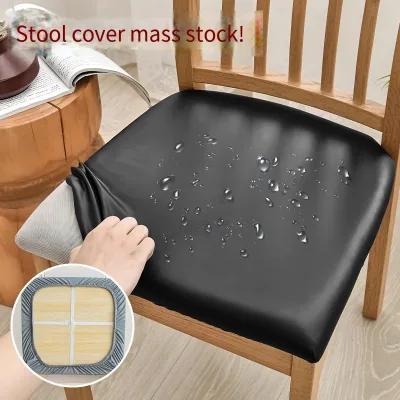
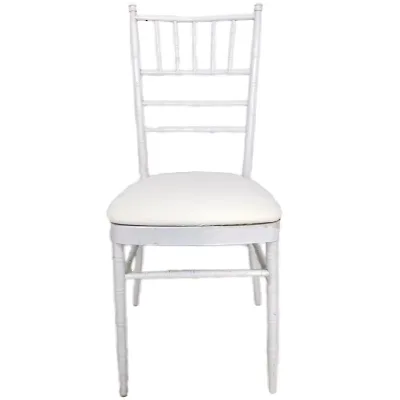
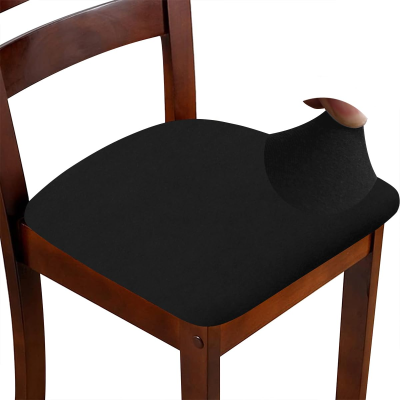
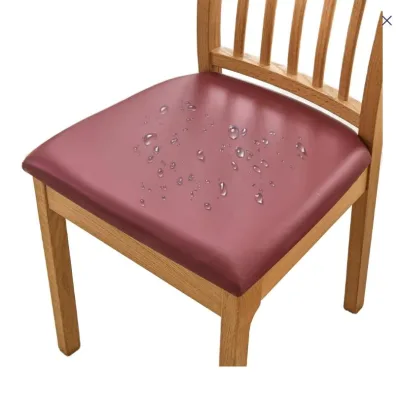
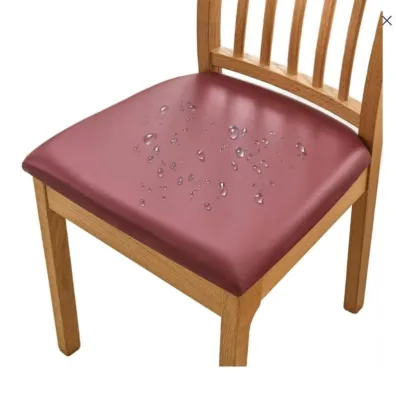


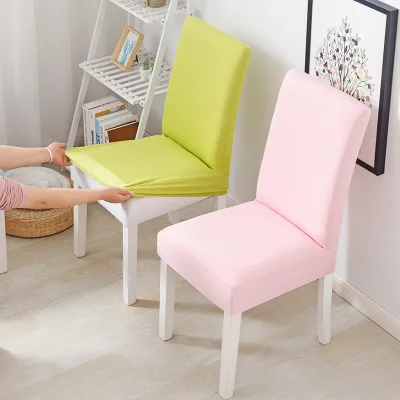


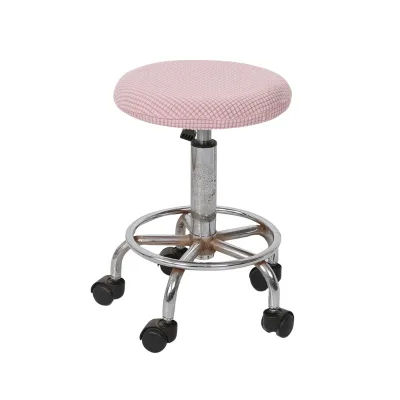
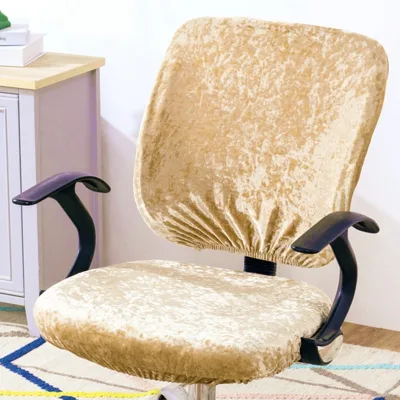
Velvet Fabric Soft Washable Spandex Stretch Dining Chair Seat Covers for Chairs
$1.99 - $2.45
MOQ: 300 Pieces


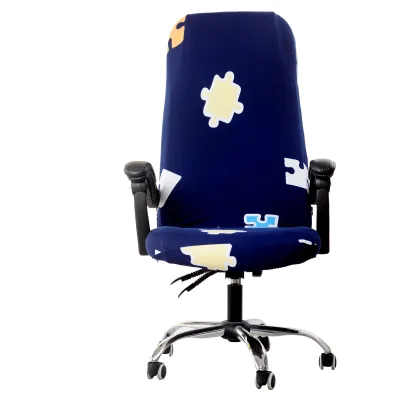
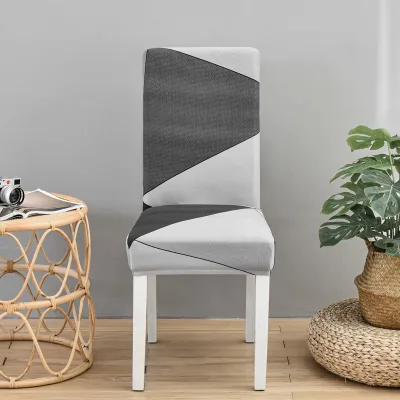
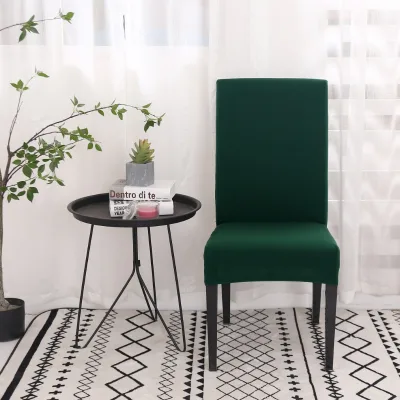
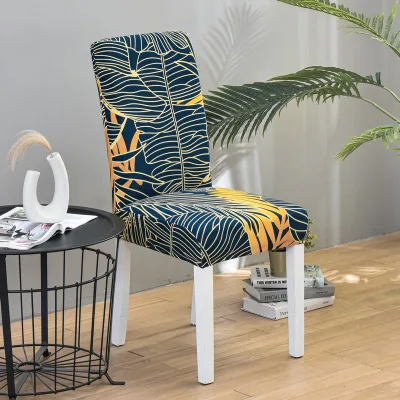


Comprehensive Sourcing Guide
Elasticated Washable Chair Seat Cover Sourcing Guide
Procuring elasticated washable chair seat covers requires a clear understanding of the diverse material compositions and functional applications available in the current market. Buyers must distinguish between disposable nonwoven options designed for single-use hygiene in medical settings and durable, reusable covers intended for high-traffic commercial environments such as hotels, banquet halls, and restaurants. The core keyword suggests a focus on elasticity and washability, which are critical for maintaining aesthetic appeal and hygiene over repeated use cycles.
Sourcing decisions should be guided by the specific operational needs of the end-user facility. For instance, office chairs may require fixed armrest compatibility and specific mechanism clearances, while wedding or banquet chairs demand aesthetic versatility with plain dyed patterns and modern styles. Understanding these distinct use cases ensures that the selected product aligns with both functional durability requirements and visual design expectations, preventing mismatches between supplier offerings and actual deployment scenarios.
Product Scope and Observed Listing Signals
Market listings reveal a wide spectrum of products under this category, ranging from disposable nonwoven dental chair seat covers to premium PU leather slipcovers. Observed price points vary significantly, reflecting differences in material quality and intended lifespan. Some products are marketed with specific model numbers like ST-01, featuring detailed component breakdowns such as iron frames, specific nylon bases, and gaslift mechanisms, indicating that some listings may bundle covers with chair hardware. Buyers must carefully parse these listings to separate pure textile accessories from complete furniture assemblies.
The observed product attributes highlight key differentiators such as customization availability, specific cover materials like PP or PU leather, and various cleaning instructions. Some items are explicitly labeled as high-quality and eco-friendly, while others emphasize waterproof and oil-resistant properties in colors like grey, black, or burgundy. It is essential to verify whether the "elasticated" feature applies to the seat cover itself or if it refers to the fit over the chair back, as this impacts installation ease and long-term retention on the chair frame.
Technical Specifications to Verify
When evaluating technical specifications, buyers must confirm the exact dimensions and material composition to ensure a proper fit. Observed sizes include 73200cm for nonwoven covers and 4553cm for specific chair slipcovers, indicating that standardization is not universal. The material type, whether it is nonwoven fabric, PU leather, or other textiles, directly influences durability, breathability, and cleaning requirements. Buyers should request detailed size charts and material samples to verify that the elasticity and stretch capacity match the specific chair models they intend to cover.
Additional technical details such as packing specifications and single package dimensions are crucial for logistics planning. Products may come in bags of ten pieces or individual units, with varying gross weights that affect shipping costs. Verification of cleaning types, including machine washability, hand washing, or dry cleaning, is necessary to determine long-term maintenance costs. Buyers should also check for specific features like waterproofing, oil resistance, and whether the cover is designed for universal chair protection or specific chair types like banquet or arm chairs.
Compliance and Safety Documentation
Compliance requirements vary significantly depending on the intended application of the chair seat cover. For medical or dental settings, products may need to adhere to strict hygiene standards, with some listings citing ISO 13485 and CE certification. These certifications indicate that the product meets specific regulatory requirements for medical device accessories or healthcare environments. Buyers in this sector must verify that the nonwoven materials are indeed disposable and meet relevant sanitary standards to prevent cross-contamination.
In contrast, commercial and residential applications may prioritize different compliance aspects, such as fire retardancy or general product safety. While some listings mention CE certification, it is essential to clarify whether this applies to the textile product or associated hardware like chair mechanisms. Buyers should request documentation that confirms the safety of dyes and materials, especially for products used in public spaces like hotels and restaurants. Ensuring that the product meets local safety regulations is critical to avoid liability issues and ensure customer satisfaction.
Cost Drivers and Commercial Terms
Several factors influence the final cost of elasticated washable chair seat covers, including material quality, customization options, and order volume. Products offering customized colors and patterns may carry a premium due to the additional production steps involved. The presence of features like waterproofing and oil resistance can also impact pricing, as these treatments require specialized manufacturing processes. Buyers should analyze the cost per unit against the expected lifespan and maintenance requirements to determine the true value of the product.
Commercial terms such as payment methods, minimum order quantities (MOQ), and lead times are critical for budgeting and supply chain planning. Observed payment options include T/T, PayPal, L/C, and Trade Assurance, providing flexibility for different transaction sizes. MOQs can range widely, from small quantities for testing to large volumes for bulk deployment. Buyers must negotiate clear terms regarding shipping ports, such as Shanghai or Wuhan, and confirm lead times to ensure timely delivery for events or facility upgrades.
Supplier Qualification and Quality Control
Supplier qualification is a vital step in ensuring the reliability of the supply chain for chair seat covers. Buyers should verify the supplier's production capabilities, including their ability to handle customization requests and maintain consistent quality across large orders. Checking for certifications such as CE or ISO 13485 can provide insight into the supplier's commitment to quality management systems. It is also important to assess the supplier's experience in exporting to the buyer's region, as this can affect communication and after-sales support.
Quality control measures should be clearly defined before placing an order. Buyers should request samples to evaluate the elasticity, stitching quality, and material durability. Establishing clear acceptance criteria for defects, such as uneven dyeing or poor fit, is essential for maintaining standards. Implementing a robust inspection process, whether through third-party agencies or internal checks, helps mitigate the risk of receiving substandard products. Clear communication regarding quality expectations ensures that the final product meets the buyer's requirements.
Long-Term Procurement Checks
Long-term procurement success depends on establishing a sustainable relationship with suppliers and continuously monitoring product performance. Buyers should track the durability of the seat covers over time, noting any issues with fading, tearing, or loss of elasticity. Regular feedback loops with the supplier can help identify areas for improvement and ensure that the product continues to meet evolving needs. Maintaining a diverse supplier base can also reduce risk and provide options for scaling up or down as demand fluctuates.
It is also important to stay updated on market trends and new product innovations in the chair cover sector. Suppliers may introduce new materials or features that offer better performance or cost savings. Regularly reviewing supplier performance metrics, such as on-time delivery rates and product quality consistency, helps maintain high standards. By proactively managing these aspects, buyers can ensure a reliable supply of high-quality elasticated washable chair seat covers that support their operational goals.
FAQs
What materials are used for elasticated washable chair seat covers?
Elasticated washable chair seat covers are typically crafted from durable materials such as PU leather or nonwoven fabrics. These materials provide essential protection for furniture while offering a modern aesthetic. The covers are designed to be eco-friendly and reusable, ensuring long-term value for banquet, hotel, or home use applications.
Can elasticated washable chair seat covers be customized for specific events?
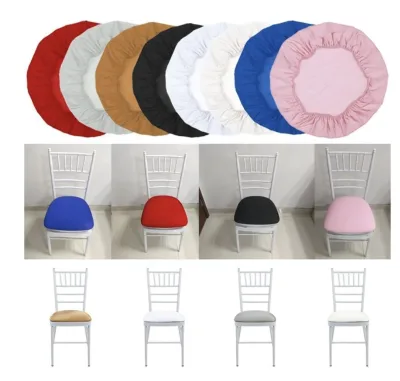
Yes, customization is available for elasticated washable chair seat covers to suit various event themes. Buyers can select from customized colors including grey, black, burgundy, and beige. These options ensure the covers match specific decor requirements for weddings, banquets, or corporate events while maintaining their protective and washable functionality.
How should elasticated washable chair seat covers be cleaned and maintained?
Elasticated washable chair seat covers can be maintained through machine washing, hand washing, or dry cleaning. They are also suitable for tumble drying or drying in the shade, but should not be bleached. This versatility ensures the covers remain hygienic and durable, making them ideal for high-traffic environments like hotels and restaurants.
What certifications do elasticated washable chair seat covers typically hold?
Elasticated washable chair seat covers often hold CE certification and may comply with ISO 13485 standards for quality management. These certifications ensure the products meet international safety and quality benchmarks. Buyers can rely on these standards to verify the reliability and compliance of the covers for use in hospitals, hotels, or public venues.
What is the typical packaging for elasticated washable chair seat covers?
Elasticated washable chair seat covers are commonly packaged in bags containing ten pieces each. This packaging method ensures efficient storage and transportation for bulk orders. The compact design facilitates easy handling for suppliers and buyers, supporting seamless logistics for events requiring multiple covers for banquet chairs, hotel seating, or wedding decorations.
Where are elasticated washable chair seat covers typically manufactured?
Elasticated washable chair seat covers are typically manufactured in China, with origins in regions such as Hubei and Jiangsu. These locations are known for producing high-quality furniture accessories. Buyers can expect reliable sourcing from these areas, which offer competitive pricing and established supply chains for global distribution of durable and washable chair covers.