Source Natural Raw Stone Ornaments for Feng shui, Art, and Home Decor
Compare 30 listings of Natural Raw Stone Ornaments featuring carved and polished gemstones for Feng shui, art collections, and home decoration. Buyers can review specifications, materials, and customization options from verified suppliers; compare the available evidence and request quotations based on your requirements.
Updated
Key considerations
Products List
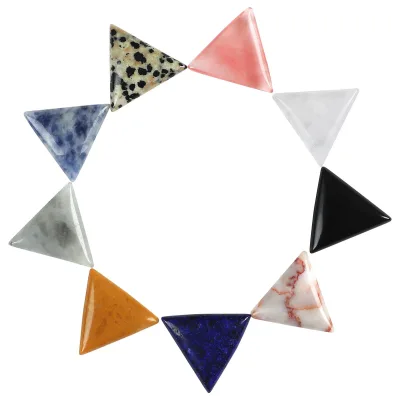
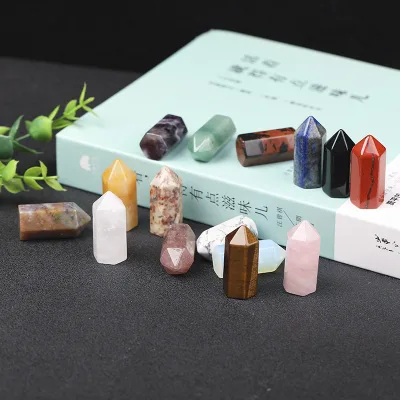
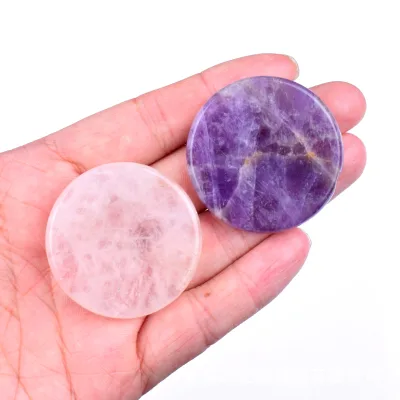

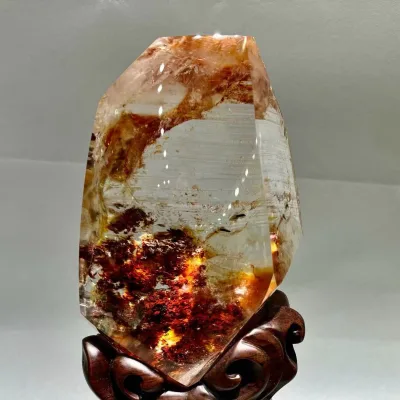
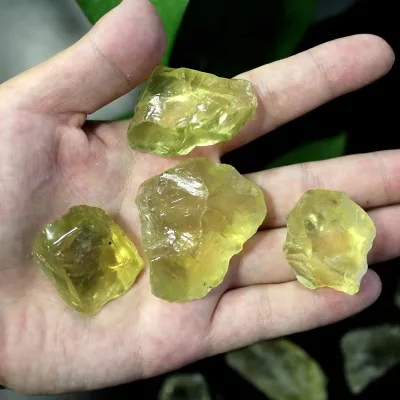
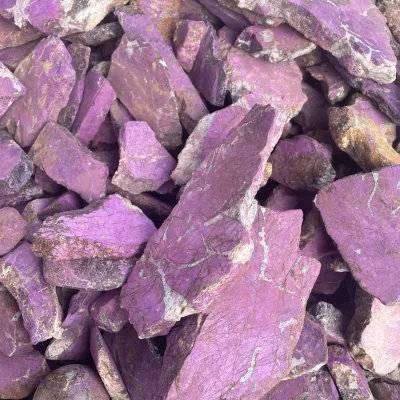
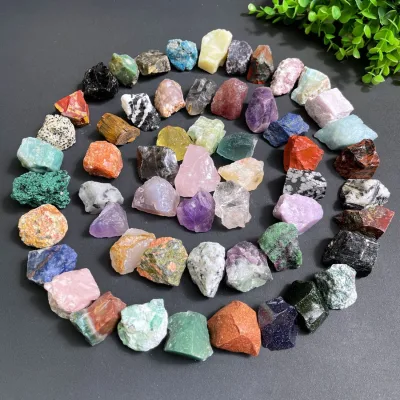
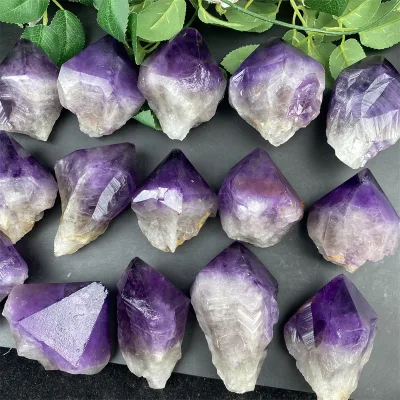
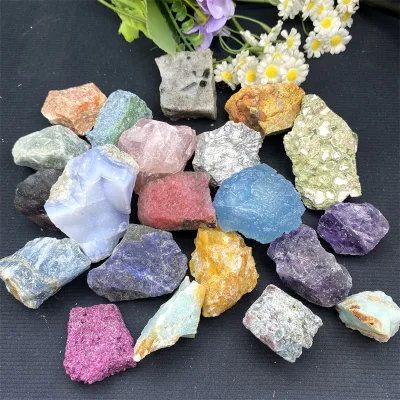
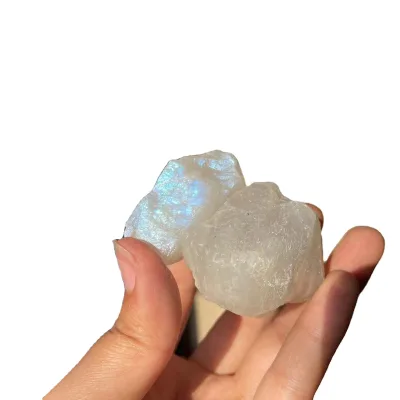
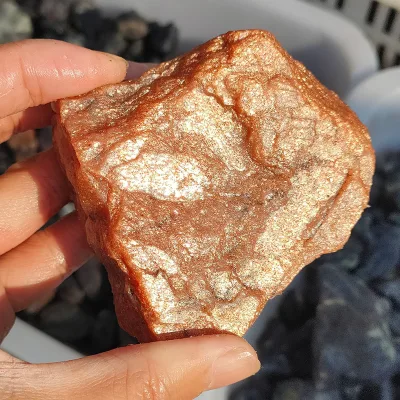
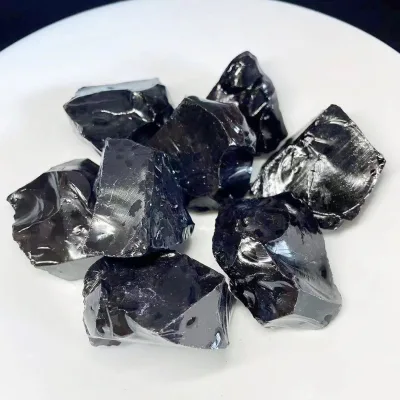
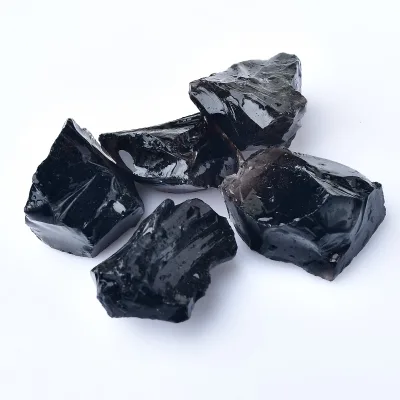
Wholesale Natural Rough Black Obsidian Crystal Raw Stone for Decoration
$5.1341 - $6.1609
MOQ: 2 kilograms
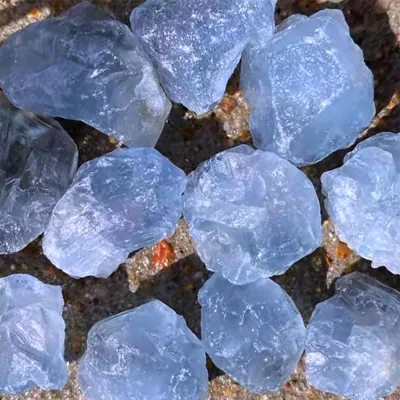
Wholesale Natural Celestite Stone Celestite Crystal for Decoratioan
$20.6202 - $25.7738
MOQ: 2 Minimum
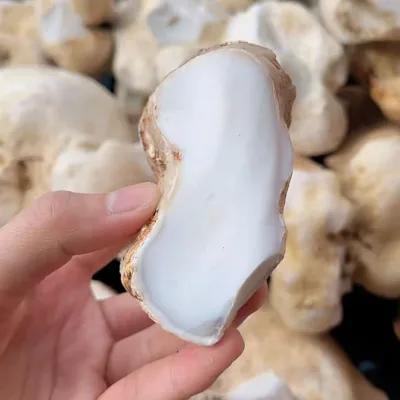
High Quality White Jade Raw Stone Natural Jade Crystal Rough Stone for Processing
$10.2682 - $15.4007
MOQ: 5 kilograms




Comprehensive Sourcing Guide
Natural Raw Stone Ornaments Sourcing Guide
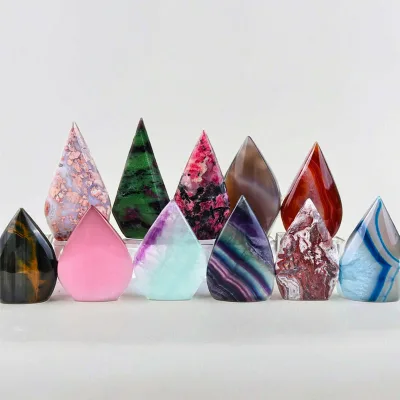
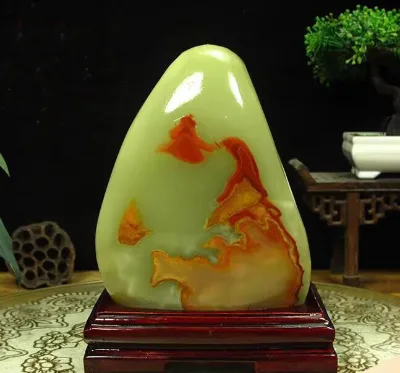
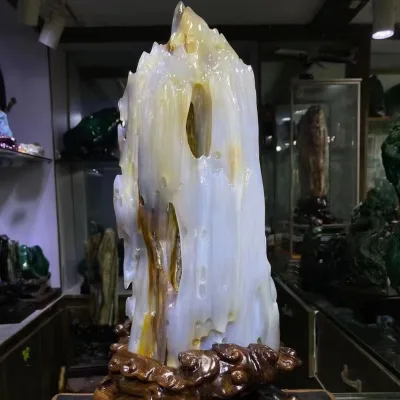
Buyers evaluating Natural Raw Stone Ornaments must first distinguish between distinct product categories such as sculptures, figurines, and worry stones, as each serves a different functional purpose. The observed market data indicates that these items are frequently categorized by their specific application, ranging from anniversary gifts to Christmas decorations and general home decoration. Understanding these usage contexts is essential for selecting the correct product type, whether the goal is to source a polished crystal column for Feng shui purposes or an irregular raw stone for artistic collection.
Procurement strategies should also account for the significant variation in material composition and finishing techniques observed in current listings. While some suppliers offer carved gemstone pieces with specific shapes like points or rounds, others provide polished crystal items with irregular forms. Buyers must verify if the product requires custom logos or specific packaging standards, as the supply chain includes options for single-item sales as well as bulk orders with carton packaging. This distinction directly impacts the logistical planning and inventory management required for successful importation.
Product Scope and Observed Listing Signals
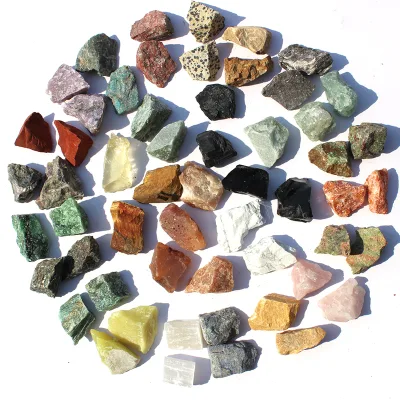
The product scope for Natural Raw Stone Ornaments encompasses a diverse array of items including raw stone sculptures, energy stone ornaments, and specific mineral varieties like citrine rough stones. Market signals reveal that these products are often marketed with specific popular elements such as Saturn or nature themes, and they frequently carry style classifications like personality trends or love themes. Buyers should note that the observed listings include items with model numbers ranging from specific alphanumeric codes to generic descriptions, indicating a fragmented supply chain where unique identifiers are not always standardized across different suppliers.
Listing signals also highlight the importance of shape and size specifications, which vary from small worry stones to larger items with single gross weights of 4.0 kg. The observed data shows that some products are defined by their regional features, such as those targeting European markets, while others are explicitly designed for domestic use in China. Procurement teams must carefully review the single package size and weight details, as these factors significantly influence shipping costs and storage requirements. The presence of customization options for logos and packing further suggests that buyers can tailor these products to specific brand requirements, provided the supplier has the necessary capacity.
Technical Specifications to Verify
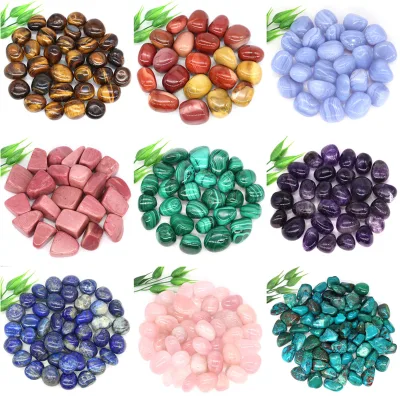
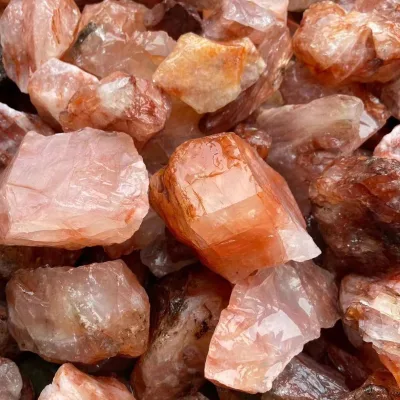
Technical verification begins with confirming the material composition, as listings explicitly distinguish between gemstone, crystal, and raw stone varieties. Buyers must ensure that the product description matches the physical material, noting that some items are described as natural crystal raw stones while others are specifically identified as fluorite or citrine. The technique used in production is another critical specification, with observed data showing a mix of carved, engraved, and polished methods. Verifying the exact technique is vital because it affects the aesthetic finish and durability of the ornament, particularly for items intended for high-traffic display areas.
Dimensional and weight specifications require rigorous validation to prevent discrepancies between the ordered sample and the final shipment. The observed listings provide specific model numbers and size classifications, such as S size or free size, alongside precise single package dimensions like 20x30x5 cm. Buyers should cross-reference these technical details with the product weight, which can range from approximately 150g for smaller worry stones to 4.0 kg for larger sculptures. Ensuring that the physical attributes align with the technical specifications listed in the product data sheet is essential for maintaining quality control and meeting customer expectations regarding the size and heft of the stone ornaments.
Compliance and Safety Documentation
Compliance verification for Natural Raw Stone Ornaments involves checking for any relevant safety standards, though the observed data does not explicitly confirm the presence of specific certifications like ASTM C1353-19 or ISO 22308 for all listed items. Buyers should request documentation to confirm that the stones are free from hazardous substances and that the polishing or carving processes adhere to local environmental regulations. Since the products are often marketed as eco-friendly, verifying the sustainability claims and the origin of the raw materials is a necessary step to ensure that the supply chain meets modern ethical sourcing requirements.
Documentation regarding packaging and shipping safety is equally critical, as the observed listings mention safe packaging and carton options for various product types. Buyers must ensure that the supplier provides evidence of secure packaging methods to prevent damage during transit, especially for fragile items like carved sculptures or polished crystal columns. The absence of explicit printing on the stones suggests that any branding must be applied through custom logos or packaging, which requires clear agreements on the durability and safety of the printing materials used. Confirming these details helps mitigate the risk of product damage and ensures that the final delivery meets the buyer's quality standards.
Cost Drivers and Commercial Terms
Cost drivers for Natural Raw Stone Ornaments are heavily influenced by the material type, the complexity of the carving or polishing technique, and the weight of the final product. The observed price range spans from 0.4 to 150 USD, reflecting the vast difference between small, unpolished stones and larger, intricately designed sculptures. Buyers should analyze how the single gross weight and single package size impact shipping costs, as heavier items like the 4.0 kg sculptures will incur significantly higher freight charges compared to lighter worry stones. Understanding these variables is essential for accurate budgeting and determining the total landed cost of the inventory.
Commercial terms such as Minimum Order Quantity (MOQ) and customization availability are key factors in the procurement process. The observed data indicates a wide MOQ range from 1 piece to 1000 units, with some suppliers offering flexible terms for single-item purchases while others require bulk orders measured in kilograms. Buyers must negotiate clear terms regarding custom logos and packaging, as these value-added services often come with additional costs or longer lead times. Clarifying the selling units and the specific model numbers associated with each price point ensures that the commercial agreement accurately reflects the scope of the order and avoids unexpected financial obligations.
Supplier Qualification and Quality Control
Supplier qualification requires a thorough assessment of the place of origin and the specific capabilities of the manufacturer, as the observed data points to suppliers located in Zhejiang and Jiangsu, China. Buyers should verify the supplier's ability to handle specific product types, such as sculptures or figurines, and confirm their experience with the required techniques like carving or polishing. The presence of brand names like Hongzhuo Natural Crystal Raw Stone and Shammah Crystal suggests that some suppliers have established identities, but buyers must still validate their production capacity and consistency to ensure reliable supply.
Quality control protocols must be established to verify that the physical attributes of the stones match the provided specifications. Buyers should implement a sampling process to check for consistency in shape, such as point, round, or irregular forms, and to confirm the accuracy of the model numbers and sizes. It is also crucial to inspect the finish of the product, ensuring that polished items are smooth and carved items have the intended depth and detail. Establishing clear acceptance criteria for the product weight and packaging integrity will help maintain high standards and reduce the likelihood of receiving substandard goods.
Long-Term Procurement Checks
Long-term procurement success depends on maintaining a stable relationship with suppliers who can consistently deliver Natural Raw Stone Ornaments that meet evolving market demands. Buyers should regularly review the supplier's ability to adapt to changes in popular elements, such as the shift from Saturn themes to nature classifications, and ensure that the product range remains diverse enough to satisfy different customer preferences. Continuous communication regarding new model numbers and design trends will help buyers stay ahead of the competition and ensure that their inventory remains relevant and attractive to end consumers.
Regular audits of the supply chain are necessary to verify that the supplier continues to adhere to the agreed-upon technical specifications and commercial terms. Buyers should monitor the consistency of the product weight, packaging quality, and the accuracy of the model numbers over time to detect any potential drift in quality. Additionally, maintaining a clear record of the supplier's location and production capabilities will facilitate quick responses to any supply chain disruptions. By proactively managing these long-term checks, buyers can ensure a reliable and efficient sourcing strategy for Natural Raw Stone Ornaments.
FAQs
What materials are used for Natural Raw Stone Ornaments?
These ornaments are crafted from natural gemstones and crystals, including raw stone, fluorite, and citrine. The materials are selected for their natural beauty and are often carved or polished. Each piece retains the unique geological characteristics of the stone, making every ornament distinct and suitable for decorative or collection purposes.
Can I customize the logo on these stone ornaments?
Yes, customization is available for many of these products. Suppliers accept custom logos and allow for personalized designs to meet specific branding needs. This service enables buyers to create unique promotional items or gifts. Check individual product listings to confirm the specific customization options and any associated requirements for your order.
What is the typical MOQ for raw stone ornaments?
The minimum order quantity varies significantly by product. Some items have an MOQ of just one piece, while others require a minimum of one kilogram. Buyers should review the specific product details to determine the exact MOQ. This flexibility allows for both small-scale sampling and larger bulk purchases depending on your sourcing needs.
Where are these natural stone ornaments manufactured?
These ornaments are primarily manufactured in China, with origins in regions such as Zhejiang and Jiangsu. The production facilities specialize in carving and polishing natural stones. Buyers can source directly from these regions to access a wide variety of styles, including feng shui figurines and eco-friendly decorative pieces for home use.
What styles are available for Natural Raw Stone Ornaments?
Available styles include feng shui, love, and personality trend designs. Products range from irregular raw stones to polished figurines and worry stones. Some items feature popular elements like Saturn or nature themes. These diverse styles cater to various decorative needs, from home decoration to art collectibles and special occasion gifts.
Are these stone ornaments eco-friendly?
Many of these products are marketed as eco-friendly due to their natural material composition. The use of raw gemstones and crystals reduces the need for synthetic materials. Buyers interested in sustainable sourcing can find options that align with eco-conscious values. Always verify the specific product attributes to ensure they meet your environmental standards.