Source Field Bus Cable for Profibus, CAN Bus, and RS485
Compare 30 Field Bus Cable options including Profibus DP, CAN Bus, and RS485 variants with copper conductors and various shielding types. Buyers can review specifications like impedance, voltage ratings, and customization availability for local communication and long-distance symmetric applications; compare the available evidence and request quotations based on your requirements.
Updated
Key considerations
Products List
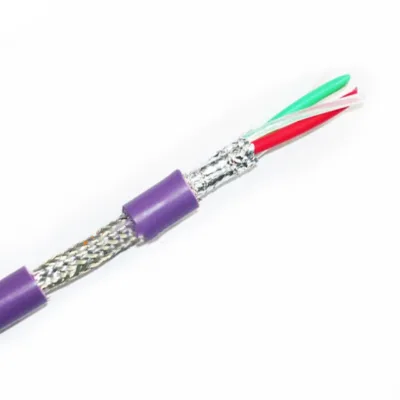
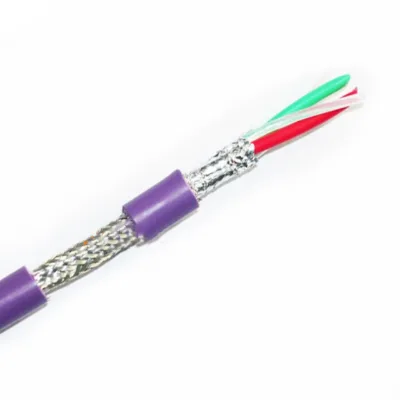


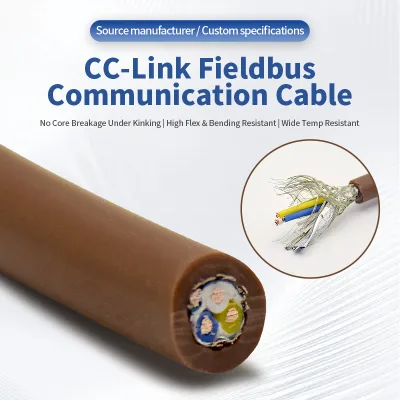
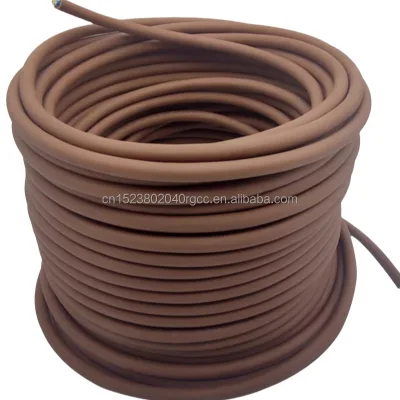
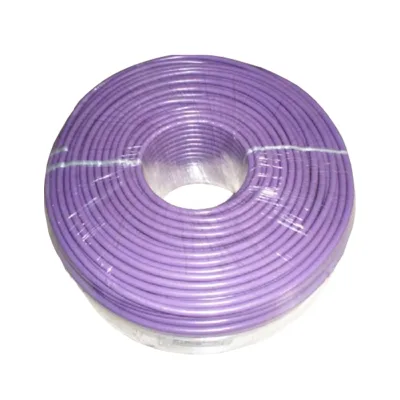
Bus Cable Profibus L2 Indoor 250V Used to Interconnect L2-Bus Components
$0.18 - $12.88
MOQ: 500 Meters
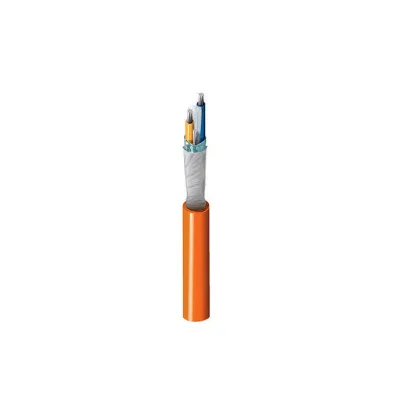
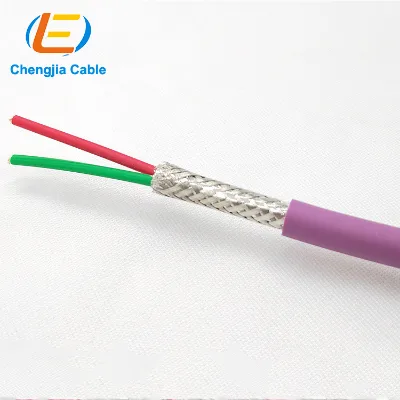

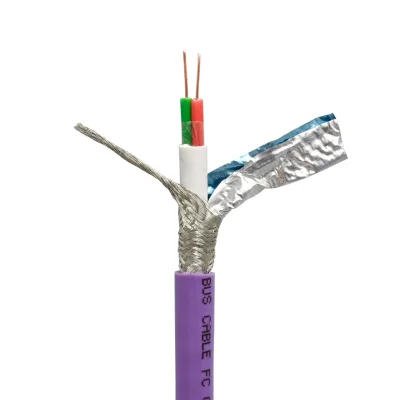
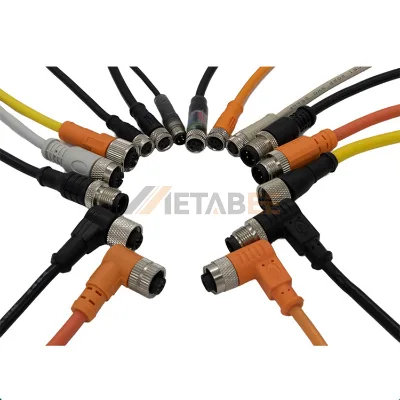

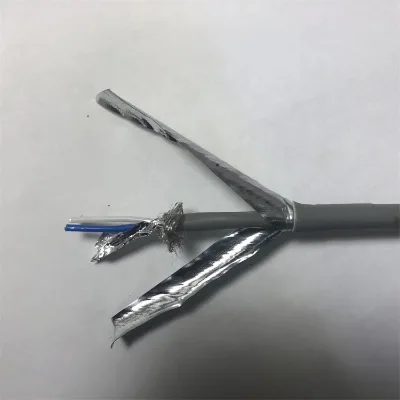
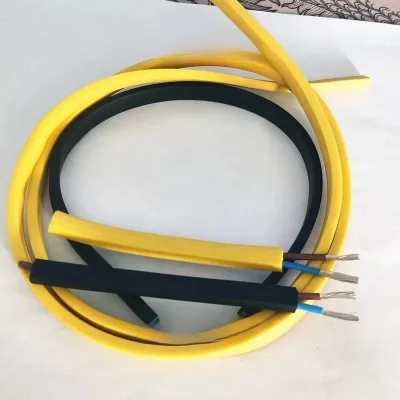
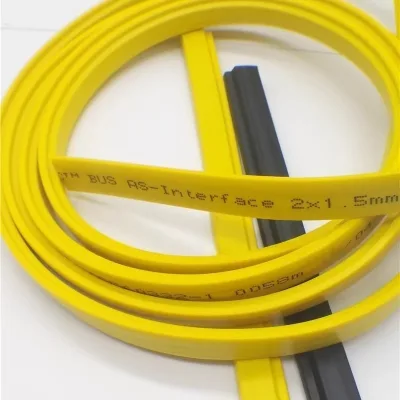
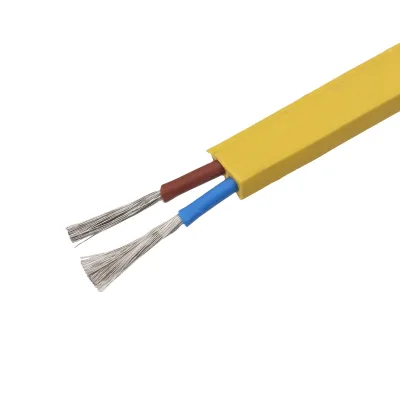
Asi Yellow and Black Flat Communication Cable 2X1.5 AS-Interface Bus Cable AS-i Bus
$1.5319 - $3.0623
MOQ: 100 Minimum

Comprehensive Sourcing Guide
Field Bus Cable Sourcing Guide
Procuring field bus cables requires a disciplined approach to technical verification and supplier qualification, ensuring that the selected components align precisely with industrial automation requirements. Buyers must navigate a complex landscape of specifications, from conductor types to shielding effectiveness, to guarantee reliable data transmission in noisy environments. This guide provides a structured framework for evaluating field bus cables based on observed market data and technical attributes, helping procurement teams make informed decisions that minimize risk and optimize performance.
The following sections detail the critical aspects of sourcing field bus cables, including product scope, technical specifications, compliance documentation, cost drivers, supplier qualification, and long-term procurement checks. By adhering to these guidelines, buyers can establish a robust sourcing strategy that supports operational continuity and technical integrity. The focus remains on evidence-based verification steps, ensuring that every decision is grounded in observable product attributes and industry standards rather than unverified claims.
Product Scope and Observed Listing Signals
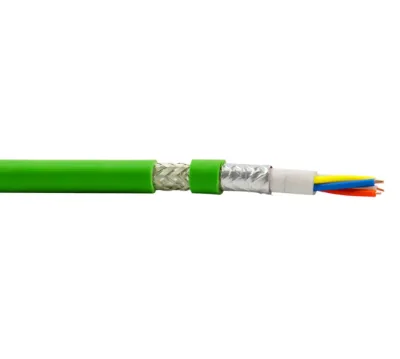
The observed market for field bus cables encompasses a diverse range of product models, including Profibus DP, Profibus PA, Profibus PA CY/CH, Profibus L2 Indoor Cable, CAN BUS Cable, RS485 Cables, and CFBUS-PUR. These models cater to specific communication protocols and environmental conditions, with variations in core construction such as 2 core Bare Copper or 2 core 22AWG configurations. Buyers should note that product origins are primarily located in Zhejiang, Shanghai, and Jiangsu, China, indicating a concentrated manufacturing hub for these specialized communication cables.
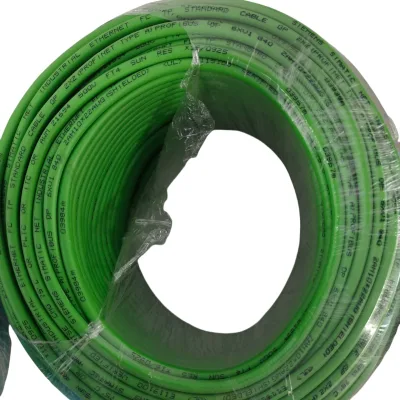
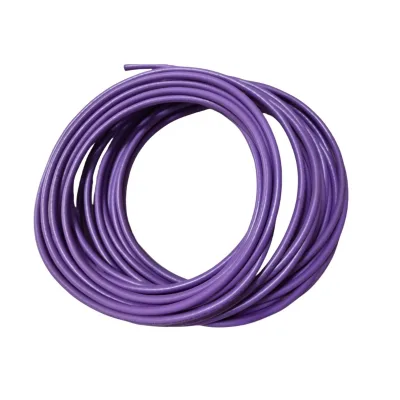
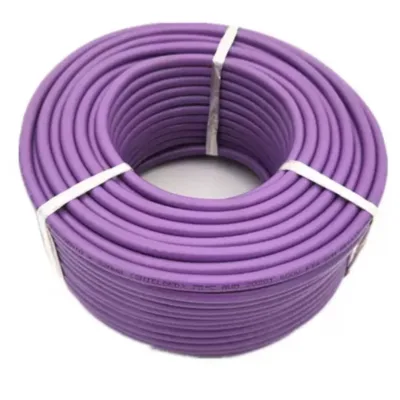
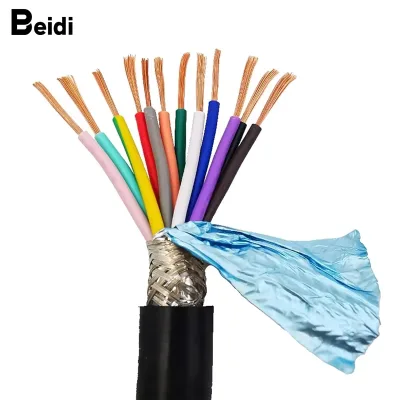
Listing signals reveal significant variability in product attributes, such as conductor types ranging from solid to stranded, and sheath materials including PVC and LSOH (Low Smoke Zero Halogen). Colors observed include purple, orange, blue, and customized options, while shielding configurations often feature Al Foil + Braid or Tinned Copper screens. Length specifications are commonly available in 100m, 200m, 305m, and 500m reels, packed in PE Film, Wooden Reels, or Plastic Drums, providing flexibility for different installation scales and storage requirements.
Technical Specifications to Verify
Verification of technical specifications is paramount, starting with the conductor material, which is typically bare copper or tinned copper (TC), ensuring optimal conductivity and corrosion resistance. The impedance of these cables is often specified at 100 Ohm, a critical parameter for maintaining signal integrity in high-speed data transmission applications. Buyers must confirm the rated voltage, which is observed at 300V for certain models, and verify the nominal size, such as 0.280 inches (7.11 mm), to ensure physical compatibility with existing infrastructure and connectors.
Shielding and insulation materials also require close scrutiny, with options like PE (Polyethylene) insulation and PVC sheaths offering different environmental protections. The application range, whether flame retardant or LSOH, dictates suitability for indoor versus outdoor or hazardous area installations. Additionally, the core configuration, ranging from multi-core to specific 2-core setups, must align with the network topology, ensuring that the cable supports the required data bandwidth and distance capabilities for local communication or long-distance symmetric cable applications.
Compliance and Safety Documentation
Compliance with international standards is a non-negotiable aspect of Field Bus Cable procurement, with certifications such as RoHS, CE, ISO, CCC, and UL frequently observed in product listings. These certifications indicate adherence to environmental, safety, and quality management standards, providing buyers with assurance regarding the cable's manufacturing processes and material safety. Buyers should request valid certification documents from suppliers to verify that the products meet the regulatory requirements of their target markets, particularly for exports to regions with strict environmental or safety regulations.
Safety documentation also includes information on the cable's behavior in fire scenarios, such as LSOH properties that reduce smoke and toxic gas emissions. Flame retardant ratings are crucial for installations in confined spaces or areas with high fire risk. Buyers must ensure that the supplier provides clear documentation on these safety features, as they directly impact the overall safety profile of the industrial facility and compliance with local fire codes and building regulations.
Cost Drivers and Commercial Terms
Cost drivers for field bus cables include the type of conductor material, shielding complexity, and insulation/sheath composition, with tinned copper and advanced shielding typically commanding higher prices. The observed price range in the market spans from $0.01 to $20 per unit, reflecting the vast diversity in product specifications and quantities. Minimum Order Quantities (MOQs) vary significantly, ranging from 1 to 10,000 units, allowing buyers to scale orders according to project needs, though larger volumes may offer better unit pricing.
Commercial terms such as OEM/ODM acceptance and optional packing configurations provide flexibility for custom requirements. Buyers should negotiate lead times and payment terms carefully, considering the potential impact of supply chain disruptions. It is advisable to clarify whether the quoted price includes shipping, taxes, and certification fees, as these can significantly affect the total cost of ownership. Transparent communication regarding these commercial terms helps avoid unexpected expenses and ensures a smoother procurement process.
Supplier Qualification and Quality Control
Supplier qualification involves assessing the manufacturer's production capabilities, quality control systems, and track record in the industry. Buyers should verify the supplier's ability to provide consistent product quality, particularly regarding conductor material purity and shielding effectiveness. Requesting samples for independent testing is a recommended step to validate technical specifications before committing to large orders. Suppliers offering OEM/ODM services should demonstrate robust engineering support to ensure custom requirements are met accurately.
Quality control processes should include routine testing for electrical performance, mechanical durability, and environmental resistance. Buyers should inquire about the supplier's testing protocols and whether they adhere to recognized industry standards for field bus cables. Establishing a clear communication channel for addressing quality issues and requesting corrective actions is essential for maintaining long-term supplier relationships. Regular audits or third-party inspections can further ensure that the supplier maintains high standards of production and quality assurance.
Long-Term Procurement Checks
Long-term procurement checks focus on the sustainability and reliability of the supply chain, ensuring that the selected field bus cables remain available and compliant over time. Buyers should monitor changes in certification status, regulatory requirements, and market trends that may impact product availability or pricing. Establishing a review cycle for supplier performance, including delivery times, product quality, and customer service, helps identify potential issues early and allows for proactive management of the supply relationship.
Additionally, buyers should stay informed about technological advancements in field bus communication and cable design, which may necessitate upgrades or replacements in the future. Maintaining a diversified supplier base can mitigate risks associated with single-source dependencies. Regularly updating technical specifications and compliance requirements in procurement contracts ensures that the organization remains aligned with industry best practices and regulatory changes, supporting long-term operational efficiency and safety.
FAQs
What certifications are available for field bus cables?
Field bus cables typically carry RoHS, ISO, CE, CCC, and UL certifications. These standards ensure compliance with international safety and environmental regulations. Buyers should verify specific certification documents with suppliers to confirm that the products meet the required regulatory frameworks for their target markets and industrial applications.
Can field bus cables be customized for specific projects?
Yes, customization is available for field bus cables to meet unique project requirements. Suppliers often accept OEM and ODM services to tailor specifications. This allows buyers to adjust parameters such as color, core count, or shielding to fit specific industrial environments, ensuring optimal performance and compatibility with existing infrastructure.
What materials are used in Field Bus Cable conductors?
Field bus cables commonly use bare copper or tinned copper conductors. Options include solid or stranded wire configurations depending on flexibility needs. The core material is typically copper, while insulation may use PE or PVC. These materials ensure reliable signal transmission and durability in various industrial communication applications.
Which models of field bus cables are commonly supplied?
Common models include Profibus DP, Profibus PA, Profibus PA CY/CH, CAN BUS, and RS485 cables. These variants support different communication protocols and environmental conditions. Buyers can select models based on specific application needs, such as local communication or long-distance symmetric cable requirements, ensuring compatibility with their industrial networks.
What are the standard packaging options for field bus cables?
Standard packaging includes PE film, wooden reels, and plastic drums. Some suppliers offer optional packing methods to suit logistics needs. These options protect the cables during transit and storage. Buyers should specify their preferred packaging to ensure the cables arrive in optimal condition, ready for immediate installation in industrial settings.
Where are field bus cables typically manufactured?
Field bus cables are primarily manufactured in regions like Zhejiang, Shanghai, and Jiangsu in China. These locations host numerous suppliers offering diverse product ranges. Buyers can source from these areas to access a wide variety of specifications and certifications. Proximity to manufacturing hubs often facilitates efficient logistics and competitive pricing for bulk orders.