Source Fire Fighting Sprayer Truck for municipal, industrial, and rescue use
Compare 30 Fire Fighting Sprayer Truck listings from verified Chinese suppliers. Evaluate specifications like tank capacity, horsepower, and emission standards to find the right vehicle for municipal, industrial, or rescue applications; compare the available evidence and request quotations based on your requirements.
Updated
Key considerations
Products List

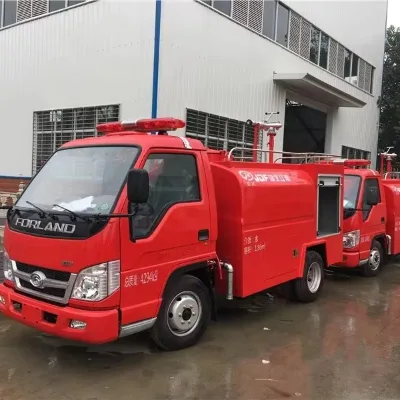
Green irrigation and spraying pesticides 2000 liter fire fighting truck
$8213.6806 - $10267.1007
MOQ: 1 sets
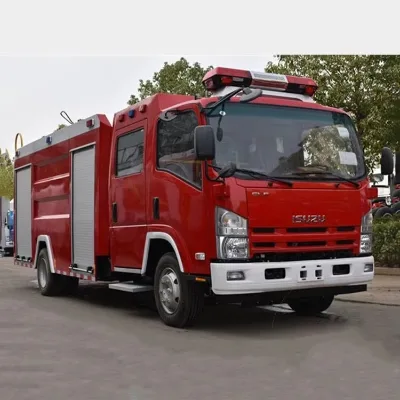
Chengli multi-function emergency rescue fire truck fire-fighting sprinkler
$19507.4913 - $20534.2014
MOQ: 1 units
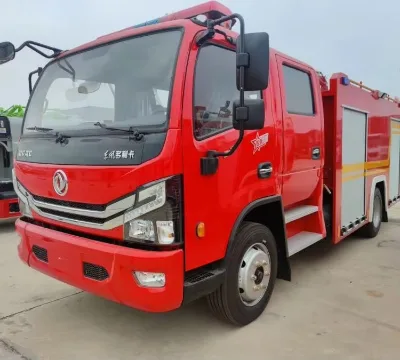
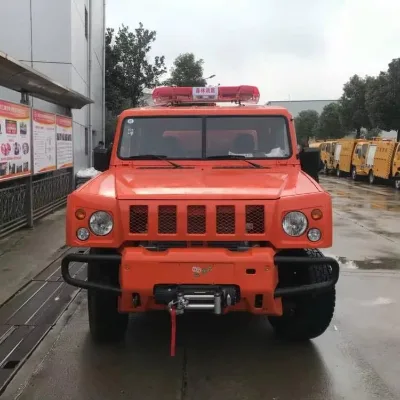


Hot Sale 4X2 Water Tank Fire Truck with Fire Control Fighting Equipment
$20000.00 - $32000.00
MOQ: 1 Pieces

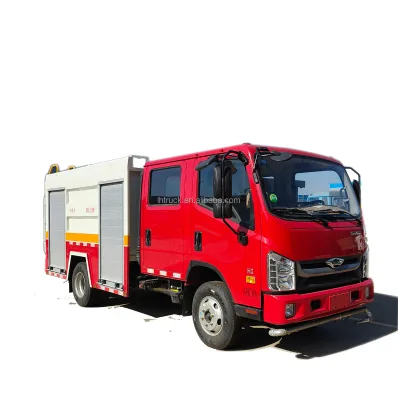
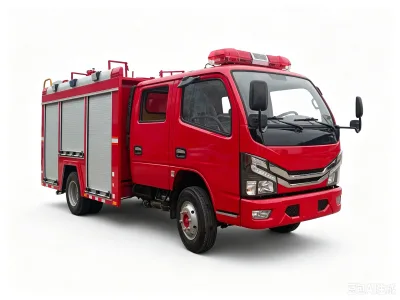
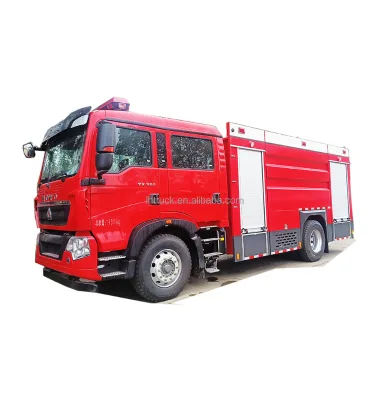
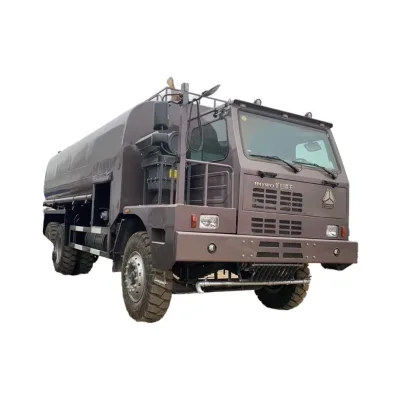
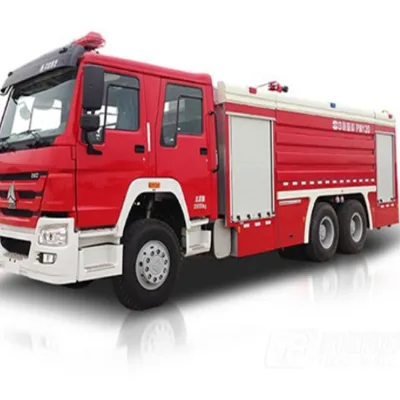


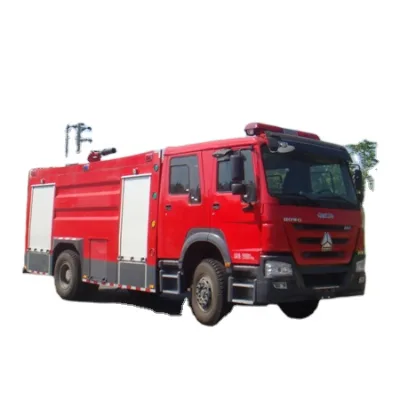
National VI Fire Truck 25 Ton Community Fire Truck New Promotion Fire Fighting Truck
$27740.1942 - $28767.6088
MOQ: 1 units
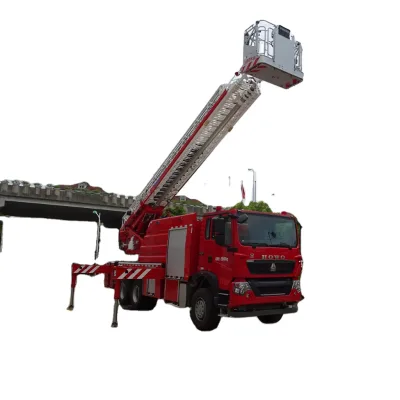
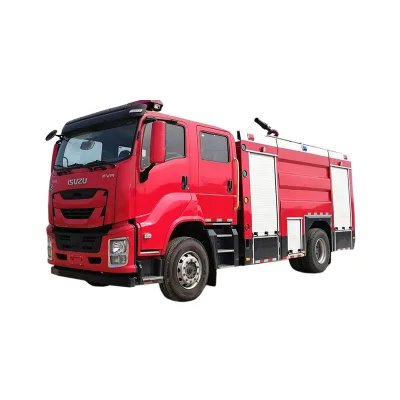
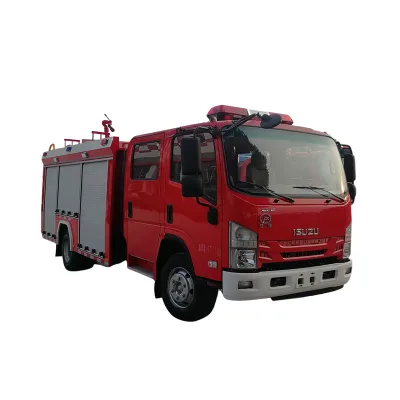
Truck Fire Fighting Vehicle Fire Fight Rescue Truck Car Double Axle Var Fire Truck
$9700.00 - $11640.00
MOQ: 1 units
Comprehensive Sourcing Guide
Fire Fighting Sprayer Truck Sourcing Guide
Procuring a Fire Fighting Sprayer Truck requires careful alignment of vehicle specifications with municipal or industrial safety protocols. Buyers must first define the operational environment, whether it involves urban municipal firefighting or specialized industrial rescue scenarios. The observed market includes diverse configurations, ranging from compact units with smaller water tanks to heavy-duty aerial ladder platforms. Understanding these variations is critical for selecting a chassis that meets local road regulations and emergency response time requirements.
The sourcing process involves evaluating multiple technical parameters, including horsepower, drive type, and tank capacity. Listings indicate a wide range of options, from 4x2 drive models to 8x4 configurations, each suited for different terrain and payload needs. Buyers should prioritize vehicles with verified customization options to ensure the sprayer system integrates seamlessly with existing fleet management or communication infrastructure. This initial scoping phase prevents costly mismatches between vehicle capabilities and actual emergency response demands.
Product Scope and Observed Listing Signals
The current market for fire fighting sprayer trucks exhibits significant diversity in product types and capacities. Observed listings include specialized rescue vehicles, standard tankers, and foam fire engines with capacities ranging from 2,000 liters to 18,000 liters. This variation suggests that buyers must clearly define their water or foam storage requirements before engaging with suppliers. The presence of both compact municipal units and large-scale industrial trucks indicates a flexible supply chain capable of addressing varied emergency service scales.
Listing signals also reveal important details about vehicle condition and customization availability. Most observed products are listed as new, with customization options explicitly available to tailor the sprayer system to specific client needs. Buyers should note that while some listings highlight specific features like ABS or manual transmissions, others may offer optional configurations such as air conditioning or different color schemes. These signals help buyers identify suppliers who can adapt standard models to meet unique operational constraints or aesthetic preferences.
Technical Specifications to Verify
Verifying technical specifications is paramount to ensuring the Fire Fighting Sprayer Truck performs reliably under pressure. Key attributes to confirm include the engine horsepower, which ranges from under 150hp to over 350hp in observed listings, and the transmission type, typically manual for heavy-duty applications. Buyers must also verify the drive model, such as 4x2 or 8x4, to ensure adequate traction and stability during emergency maneuvers. The water tank capacity, observed from 1,860 liters to 18,000 liters, must align with the expected duration of firefighting operations.
Additional technical details include the fire monitor type, pump location, and chassis brand. Listings mention monitors like the Pl48W and pumps positioned at the rear of the truck, which affect operational efficiency and accessibility. Buyers should also check the emission standard, with Euro 5 and Euro compliance observed, to ensure adherence to local environmental regulations. Verifying the gear box configuration, such as five forward gears and one reverse, ensures the vehicle can handle varied terrain and load conditions effectively.
Compliance and Safety Documentation
Compliance with international and local safety standards is non-negotiable for fire fighting sprayer trucks. Buyers must request documentation verifying that the vehicle meets relevant emission standards, such as Euro 5, and holds necessary certifications like ISOCCC. These documents ensure the vehicle is legally operable in the target market and meets environmental and safety benchmarks. Without proper certification, the truck may face regulatory hurdles or operational restrictions, leading to significant delays and additional costs.
Safety features such as ABS and structural integrity certifications are also critical. Buyers should verify that the vehicle includes essential safety systems and that the materials used, such as carbon steel for tanks, meet durability standards. Warranty terms, including specific coverage for the tank and the whole truck, provide additional assurance of quality and manufacturer confidence. Ensuring all compliance and safety documentation is complete before purchase mitigates legal risks and ensures the vehicle is ready for immediate deployment in emergency scenarios.
Cost Drivers and Commercial Terms
The cost of a Fire Fighting Sprayer Truck is influenced by several key factors, including tank capacity, horsepower, and customization requirements. Observed price ranges vary significantly, reflecting the diversity in vehicle specifications and capabilities. Buyers should anticipate higher costs for larger capacity tanks, more powerful engines, and specialized features like aerial ladder platforms. Understanding these cost drivers helps in budgeting accurately and comparing quotes from different suppliers on a like-for-like basis.
Commercial terms such as MOQ, lead time, and payment conditions also impact the total cost of ownership. While observed MOQs are often low, buyers should negotiate favorable terms for bulk orders or long-term partnerships. Lead times can vary based on customization needs and production schedules, so clear communication with suppliers is essential to align delivery with operational requirements. Additionally, buyers should consider warranty terms and after-sales support services, which can reduce long-term maintenance costs and ensure vehicle reliability.
Supplier Qualification and Quality Control
Selecting a qualified supplier is crucial for obtaining a reliable Fire Fighting Sprayer Truck. Buyers should verify the supplier’s manufacturing capabilities, quality control processes, and track record in the emergency vehicle industry. Suppliers with established production facilities in regions like Hubei, China, often have the infrastructure to produce high-quality vehicles at competitive prices. However, buyers must conduct thorough due diligence to ensure the supplier adheres to international quality standards and provides consistent product quality.
Quality control measures should include pre-shipment inspections and verification of key components such as the engine, pump, and tank. Buyers should request detailed inspection reports and test results to confirm that the vehicle meets specified performance criteria. Establishing a clear communication channel with the supplier for ongoing quality assurance is also important. This proactive approach helps identify and resolve potential issues before delivery, ensuring the Fire Fighting Sprayer Truck is ready for immediate and effective use in emergency situations.
Long-Term Procurement Checks
Long-term procurement success depends on establishing robust relationships with suppliers and implementing continuous improvement strategies. Buyers should regularly review supplier performance metrics, including delivery times, product quality, and after-sales support. Maintaining open communication channels allows for timely resolution of issues and fosters a collaborative partnership. Regular audits and feedback loops help ensure that the supplier continues to meet evolving operational needs and regulatory requirements.
Investing in training and maintenance programs for the Fire Fighting Sprayer Truck fleet is also essential for long-term reliability. Buyers should work with suppliers to develop comprehensive maintenance schedules and ensure access to spare parts. Monitoring vehicle performance data and conducting periodic inspections can help identify potential issues early, reducing downtime and extending the vehicle’s lifespan. By prioritizing long-term procurement checks, buyers can maximize the value of their investment and ensure consistent emergency response capabilities.
FAQs
What is the water tank capacity of the 2000 liter fire fighting truck?
The 2000 liter fire fighting truck features a water tank capacity of 1860 liters. This specific model is designed for municipal fire fighting applications and includes a rear-mounted fire pump. It operates on diesel fuel and meets EURO 5 emission standards, ensuring efficient performance for local emergency response tasks.
Which certification does the Fire Fighting Sprayer Truck hold?
The Fire Fighting Sprayer Truck holds ISOCCC certification. This certification confirms that the vehicle meets specific quality and operational standards required for emergency response equipment. Buyers can rely on this documented compliance when sourcing vehicles for municipal or industrial fire safety applications, ensuring the equipment is ready for immediate deployment.
Can the Fire Fighting Sprayer Truck be customized for specific needs?
Yes, customization is available for the Fire Fighting Sprayer Truck. Buyers can select specific chassis brands, colors, and optional features like air conditioning. The vehicle supports various drive types and transmission options, allowing procurement teams to tailor the specifications to match their exact operational requirements and regional regulatory standards.
What is the horsepower range for the available fire fighting trucks?
The available fire fighting trucks feature horsepower ratings ranging from less than 150hp up to 251-350hp. Specific models include 150-250hp variants and larger 8x4 drive trucks with higher output. This range allows buyers to select a vehicle that matches their required power for different terrain and load capacities.
What is the origin and warranty coverage for these fire trucks?
These fire trucks originate from Hubei, China, specifically Suizhou. The warranty coverage includes a 1-year guarantee for the whole truck and a 15-year warranty for the tank. This structured warranty provides long-term assurance for the core storage component, while the standard vehicle warranty covers initial operational reliability.
What are the dimensions of the foam fire engine with 18000 liter capacity?
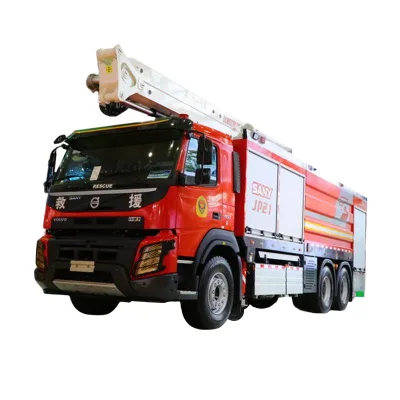
The foam fire engine with 18000 liter capacity has dimensions of 10000x2500x3950 mm. This large aerial ladder platform truck is designed for high-volume firefighting operations. Its substantial size accommodates the large tank and complex machinery required for advanced fire suppression tasks in large-scale industrial or municipal emergencies.