Airport Fuel Oil Delivery Truck Suppliers and Manufacturers
Source 28 Airport Fuel Oil Delivery Truck suppliers from Hubei, China. Compare specifications like tank volume, horsepower, and certifications such as ISO9001:2015. Contact verified factories directly to request quotes and verify lead times; review the available evidence before requesting comparable quotations from suitable candidates.
Updated
Suppliers List

Xiaogan Ruisheng Mech Elec Mfg Ltd.
- Combined
- China Hubei
- Lead time23 days
- Avg. response≤ 2h
Main productsProtective Clothing, Protective Suit, Isolation Gown, Disposable Coverall, Protective Mask, 3ply Mask, KN95 Mask, Goggle, Face Shield, Gloves
Main marketsSouth America,Africa,Southeast Asia/ Mideast,Domestic,Europe,Australia,North America
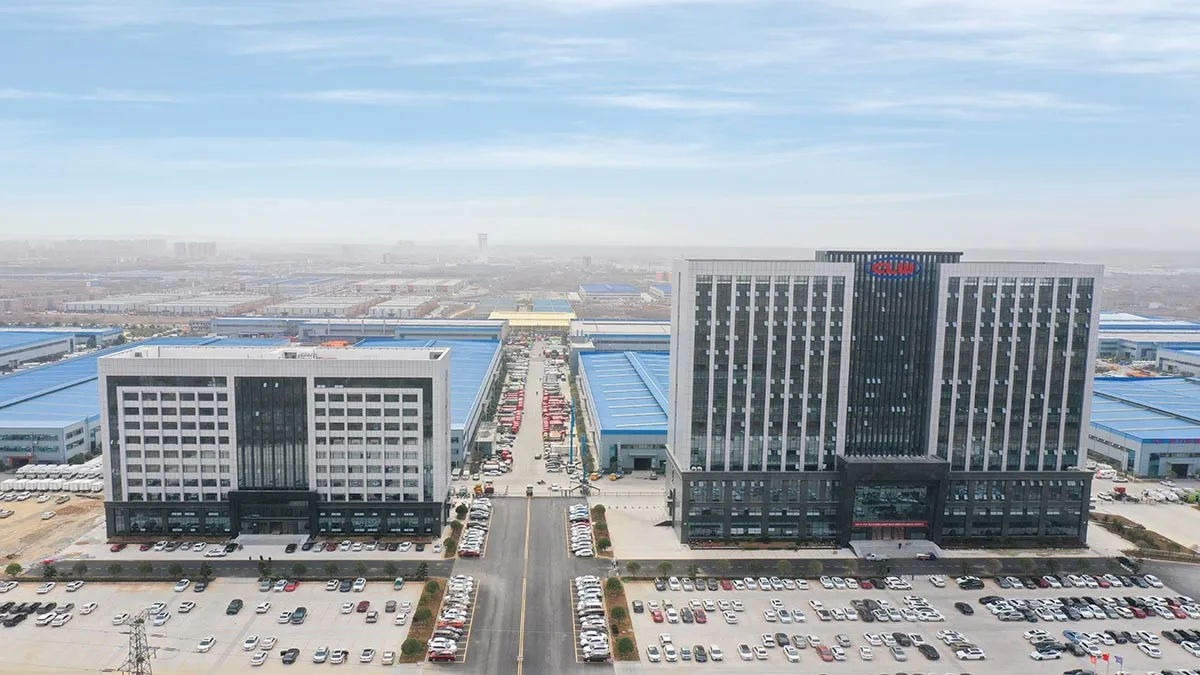
Hubei Feng Yuan Special Automobile Co., Ltd.
- Manufacturer, Trading Company
- Hubei, China
- Lead time0 days
- Avg. response≤ 4h
Main productsgarbage truck,water tank truck,sweeper truck,sewage suction truck,dump truck
Main marketsAfrica(40.00%), Southeast Asia(20.00%), South Asia(10.00%), Eastern Asia(10.00%), Mid East(10.00%), North America(10.00%)
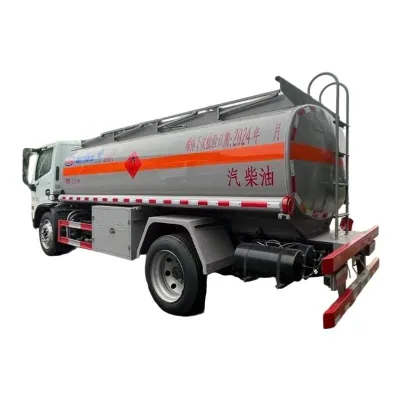
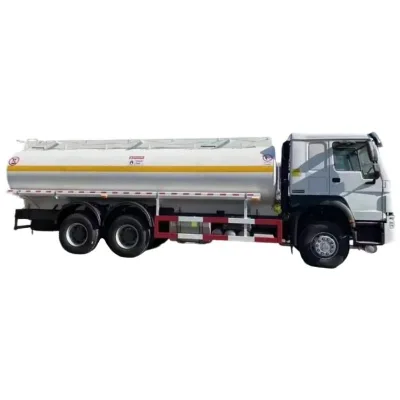
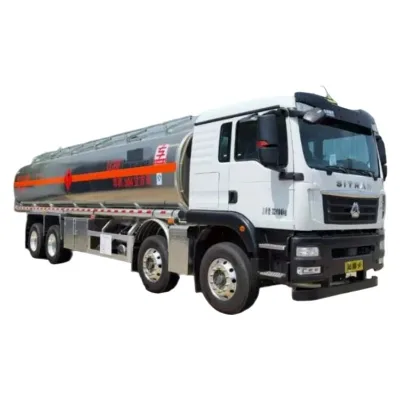
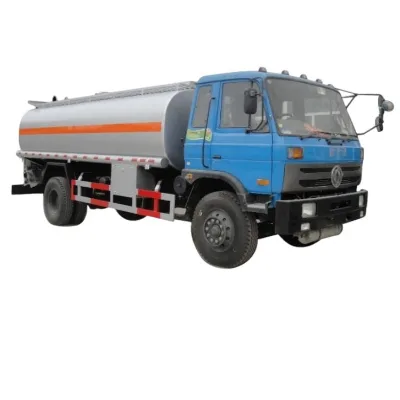
Fast Loading Transmission Oil Carbon Steel Tank Truck for Reliable Oil Delivery
$26000.00
MOQ: 1 units
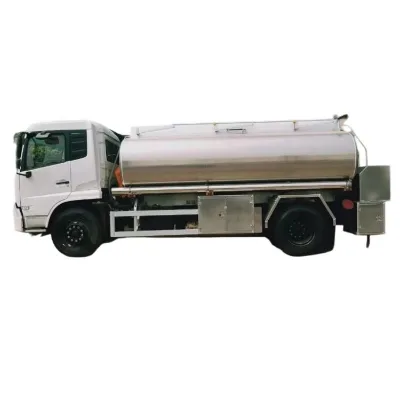

Chengli Special Automobile Co., Ltd.
- Combined
- China Hubei
- Lead time30 days
- Avg. response≤ 7h
Main productsFuel Tank, LPG Tank, Water Tank, Dump Truck, Refrigerator Truck, Concrete Mixer Truck, Side Tipper, Tractor Head, Semi Trailer, Light Truck
Main marketsSouth America,Africa,Southeast Asia/ Mideast,East Asia(Japan/ South Korea),Domestic,Europe,Australia,North America
Hubei Huate Special Equipment Co., Ltd.
- Verified by TüVRheinland
- Manufacturer, Trading Company
- Lead time30 days
- Avg. response≤ 4h
Main productsFuel Tanker Manhole Cover, Fuel Dispenser, Refueling Truck, API Adaptor Valve, Emergency Shut Off Valve
Main marketsDomestic Market(70%), Mid East(10%), South America(7%)
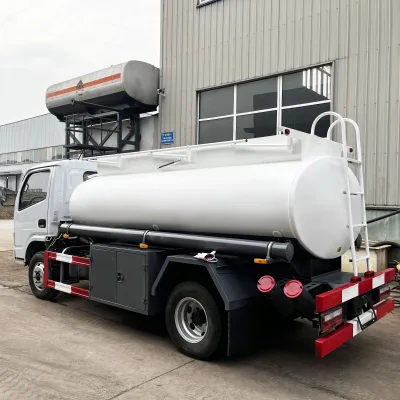
Factory OEM Fuel Tank Delivery Truck for Efficient Oil Transportation
$15000.00 - $19800.00

Hubei Huate Special Equipment Co., Ltd.
- Verified by SGS
- Combined
- China Hubei
- Lead time30 days
- Avg. response≤ 5h
Main productsTank Container, Chemical Tank Truck, Tank Semi-Trailer Truck, Road Suction Truck, Electric Water Cannon, Oil Tanker Discharge Valve, Fuel Hose Reel, Manhole Cover, Mobile Fueling Machine, Fuel Truck
Main marketsSouth America,Africa,Others(foreignTradeCapacity.exportBusinessCapacityMarketOther),Southeast Asia/ Mideast,East Asia(Japan/ South Korea),Europe,Australia,North America


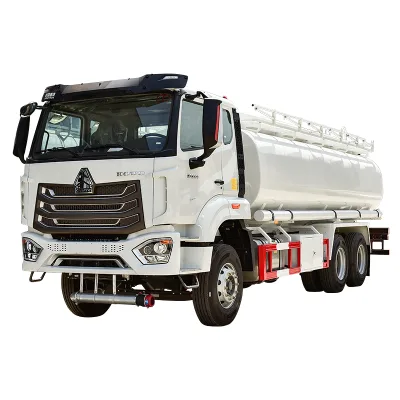
High-Performance Fuel Oil Truck for Efficient Transportation Solutions
$8759.00 - $12864.00
MOQ: 1 Pieces


Hubei Ocean Automobile Industry Co., Ltd.
- Verified by TüVRheinland
- Manufacturer, Trading Company
- Lead time30 days
- Avg. response≤ 3h
Main productsRefrigerated Truck, Sanitation Truck, Ambulance, Tank Truck, Dump Truck
Main marketsAfrica(60%), North America(10%), South America(10%)

Hubei Longshangxing Environmental Technology Co., Ltd
- Verified by CTI
- Trading Company
- China Hubei
- Lead time60 days
- Avg. response≤ 1h
Main marketsDomestic


Reliable 5.1 Cubic Meter Oil Transport Truck with Anti-Leak Design for Diesel Delivery
$23345.00 - $31035.00
MOQ: 1 Pieces

Reliable Oil Transport Truck with Large Pump System for Gas Station Refueling
$45317.00 - $53923.00
MOQ: 1 Pieces

Hubei Zhongbang Intelligent Automobile Co., Ltd
- Verified by SGS
- Trading Company
- China Hubei
- Lead time30 days
- Avg. response≤ 1h
Main productsRoad Sweeper Truck, Water Sprinkler Tank Truck, Garbage Truck, Refrigerator Truck, Ambulance, Dump Truck, Cargo Truck, Sewage Suction Truck, Wrecker Truck, Concrete Mixer Truck
Main marketsDomestic

19000L Aircraft Refueling Truck for Aviation Fuel Delivery and Airport Operations
$25000.00 - $45000.00
MOQ: 20 Pieces

12000L Diesel Fuel Tanker Truck with Refueling Dispenser for Fuel Delivery and Transportation
$11000.00 - $45000.00
MOQ: 1 Pieces

Hubei Sunny Special Automobile Co., Ltd
- Verified by TUVRHEINLAND
- Manufacturer/Factory,Group Corporation
- China Hubei
- Lead time23 days
- Avg. response≤ 3h
Main productsFire Truck, LED Truck, Refrigerator Truck, Sewage Truck, Aerial Platform Truck, Water Tanker Truck, Stainless Steel Tanker Truck, Road Sweeper Truck, Garbage Truck
Main marketsSouth America,Eastern Europe,Mid East,North America,Southeast Asia,Eastern Asia,Oceania,Western Europe,Africa
Hubei Heyuexin Import And Export Co., Ltd.
- Trading Company
- Hubei, China
- Lead time30 days
- Avg. response≤ 2h
Main productsGarbage Truck,Vacuum Sewage Truck,Truck Mounted Crane,Water Tank Truck,Refrigerated Truck
Main marketsAfrica(70.00%), Eastern Asia(15.00%), South America(10.00%), Oceania(3.00%), Southeast Asia(1.00%), Mid East(1.00%)

Hubei Weiyu Special Vehicles Co., Ltd.
- Verified by TUVRHEINLAND
- Trading Company,Manufacturer/Factory,Group Corporation
- China Hubei
- Lead time45 days
- Avg. response≤ 4h
Main productsGarbage Truck, Fire Truck, LPG Tank, LED Adversiting Truck, Dump Truck, Wrecker Truck, Used Truck, Water Truck, Refrigerator Truck, Fuel Truck
Main marketsSouth America,Eastern Europe,Mid East,Southeast Asia,Eastern Asia,Oceania,Africa


10000L Fuel Delivery Truck Tanker Oil Diesel Engine Gasoline Refueller Truck
$18650.00 - $29860.00
MOQ: 1 Pieces

8ton/9ton/10ton Fuel Tanker Oil Delivery Diesel Gasoline Transportation Fuel Tank Truck
$24510.00 - $41205.00
MOQ: 1 Pieces

Foton 4*2 Fuel Delivery Tank Truck Petrol Diesel Delivery Tanker Trucks
$29980.00 - $42000.00
MOQ: 1 Pieces

6tons Fuel Dispenser Tanker Truck 4*2 Petrol Oil Diesel Delivery/Refueling Truck
$9875.00 - $17450.00
MOQ: 1 Pieces
- Verified by Intertek
- Trading Company
- Lead time20 days
- Avg. response≤ 2h
Main productsPickup Truck, Tank Trailer, Dump Truck, Tow Truck, Cargo Truck
Main marketsSouth America(25%), Africa(25%), Mid East(25%)
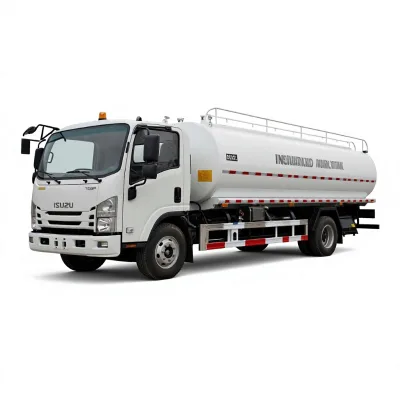
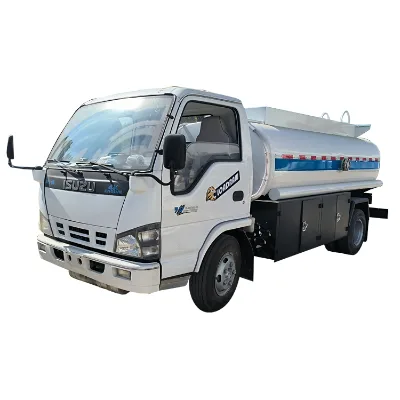
China Fuel Delivery Trucks 5cbm Fuel Tanker Mobile Oil Bowser Vehicle
$10800.00 - $11000.00
MOQ: 1 units

Qingdao Sinosun Huayu International Trading Industrial Co., Ltd.
- Trading Company
- China Shandong
- Lead time0 days
- Avg. response≤ 1h

Durable Transport Trailer for Crude Oil and Fuel Delivery Services
$12000.00 - $15000.00
MOQ: 1 Pieces

Superior Oil Delivery Trailer for Safe and Efficient Fuel Transport
$12000.00 - $15000.00
MOQ: 1 Pieces
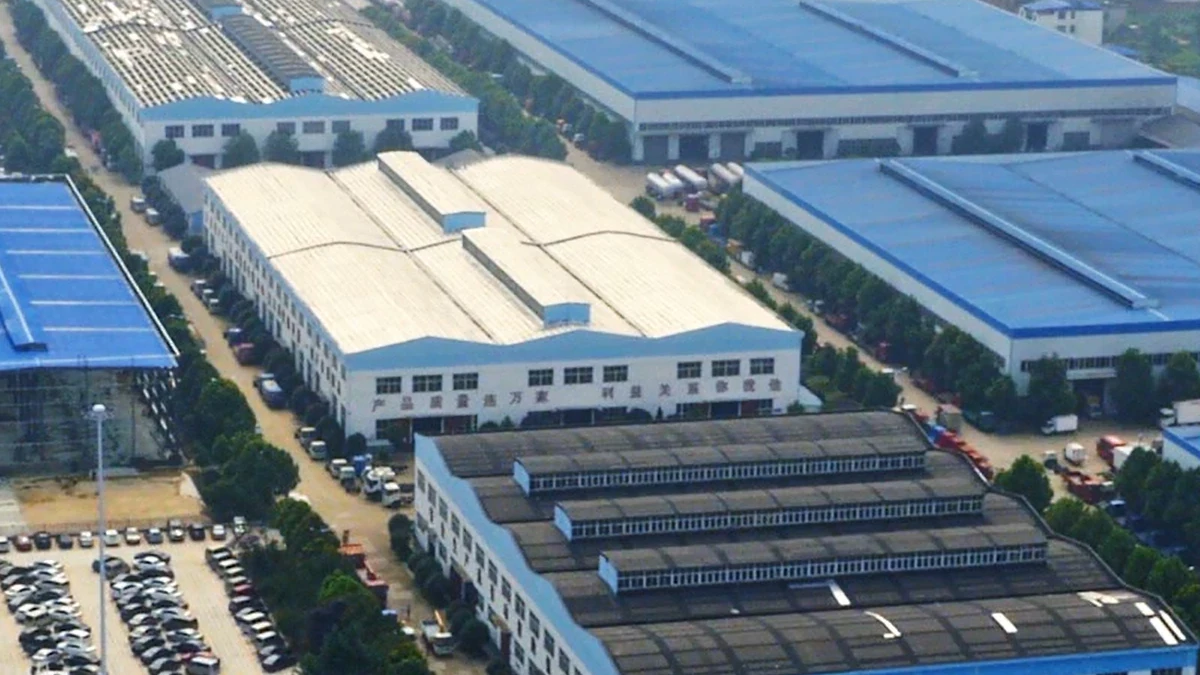
Hubei Manten Automobile Co., Ltd.
- Trading Company
- Hubei, China
- Lead time35 days
- Avg. response≤ 3h
Main productsOil Tanker Truck,Compression Garbage Truck,Fire Fighting Truck,Aerial Platform Truck,Sewage Suction Vehicle
Main marketsAfrica(45.00%), Southeast Asia(25.00%), Mid East(15.00%), South America(15.00%)
Hubei Chenyang Special Vehicles Co., Ltd.
- Trading Company
- Hubei, China
- Lead time0 days
- Avg. response≤ 5h
Main productssprinkler,Garbage truck,Refrigerator car,Concrete mixer truck,oil tank truck
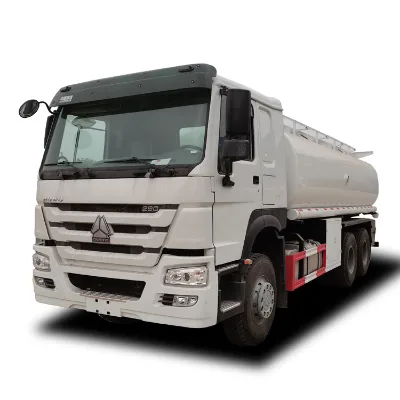
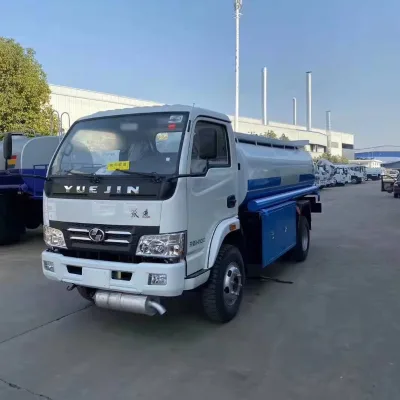
Euro3 5ton Fuel tank Truck Ready for Shipping Oil tank Truck Fuel Dispenser
$12261.9689 - $13283.7996
MOQ: 1 units

Hubei Chengyuan Special Vehicle Co., Ltd
- Verified by SGS
- Manufacturer/Factory
- China Hubei
- Lead time23 days
- Avg. response≤ 3h
Main productsGarabge Compress Truck Waste Collect Truck H
Main marketsSouth America,Mid East,Southeast Asia,Eastern Asia

Fuel Delivery Truck Price Diesel Oil Tanker 13000 Liter Fuel Tank Truck for Sale
$11000.00 - $15000.00
MOQ: 1 Pieces

Oil Tanker Fuel Tank Truck 13000 Liter Fuel Tank Truck Fuel Carrier Truck
$11000.00 - $15000.00
MOQ: 1 Pieces


Chengli Special Automobile Factory
- Verified by TUVRHEINLAND
- Manufacturer
- China Hubei
- Lead time30 days
- Avg. response≤ 4h
Main productsGarbage Truck, Aerial Work Vehicle, Refrigerated Truck, Tank Truck, Dump Truck, Water Truck, Ambulance, Vacuum Suction Truck, Stage Car

Premium Mobile Delivery Refueling Truck for Aviation Fuel Transport Factory Price
$8888.00 - $38888.00
MOQ: 1 Pieces

Airport Specific Fuel Truck for Transporting Aviation Gasoline and Kerosene
$38888.00 - $68888.00
MOQ: 1 Pieces

- Manufacturer, Trading Company
- Hubei, China
- Lead time0 days
- Avg. response≤ 2h
Main productsTanker Truck, Sewage Suction Truck, Chemical Tanker Truck, Water Sprinkler Truck, Garbage Truck
Main marketsEastern Asia(30.00%), Eastern Europe(30.00%), South America(30.00%), Domestic Market(10.00%)
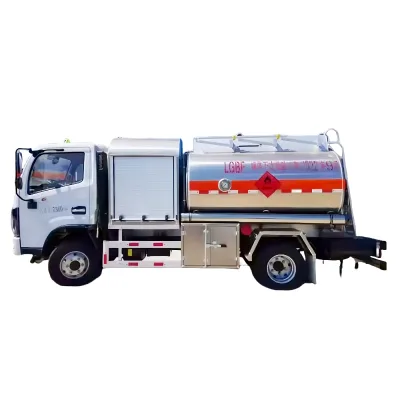
Mini Aircraft Refueling Truck Helicopter Tanker Truck New Optional Fuel Tanker
$15724.2813 - $24110.5647
MOQ: 1 sets
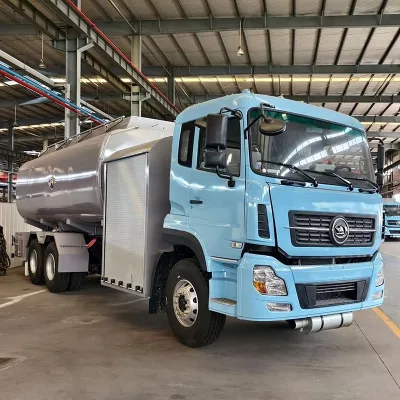
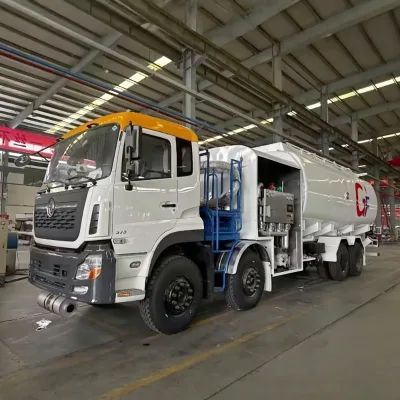
Hubei Kairuiwei Automobile Co., Ltd.
- Trading Company
- Hubei, China
- Lead time20 days
- Avg. response≤ 1h
Main productsWater truck,fuel tanker truck,ambulance,fire truck,wrecker tow truck
Main marketsSoutheast Asia(30.00%), South America(30.00%), Central America(20.00%), Northern Europe(10.00%), Eastern Europe(10.00%)
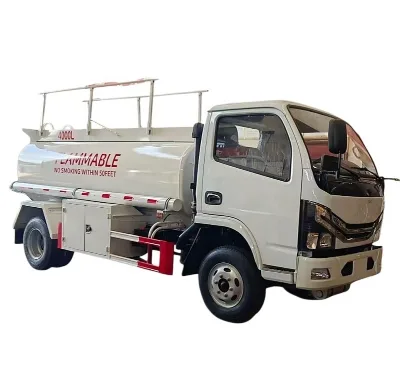
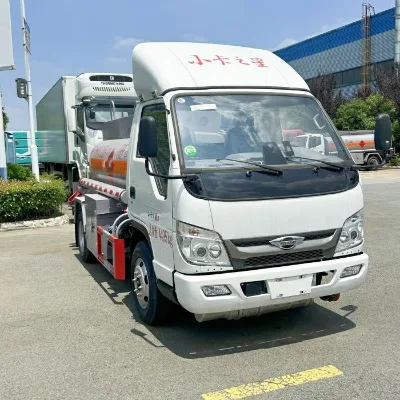
light duty Brand fuel tanker truck used oil transportation tanker aviation fuel tankers for sale
$3999.00 - $4999.00
MOQ: 1 sets
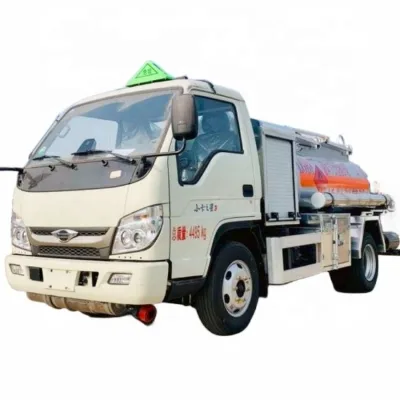
Export Foton Mini 3000 Liters 1000 Gallon Aircraft Refueling Trucks for Sale
$3999.00 - $4999.00
MOQ: 1 units
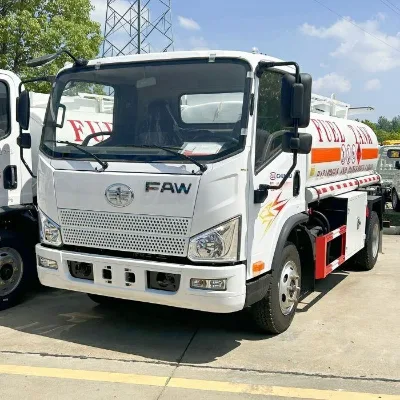
$3999.00 - $4999.00
MOQ: 1 sets
Hubei Kaili Special Automobile Co., Ltd.
- Verified by SGS Group
- Manufacturer, Trading Company
- Lead time15 days
Main productsWater Truck, Garbage Truck, Road Sweeper Truck, Sewage Cleaning Truck, Dump Truck
Main marketsDomestic Market(70%), Africa(10%), Southeast Asia(10%)
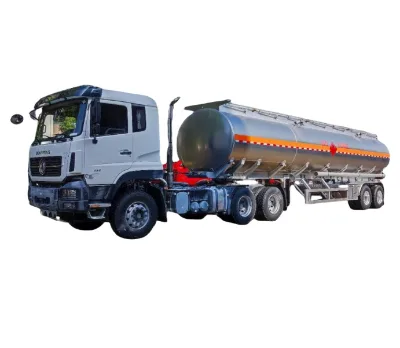
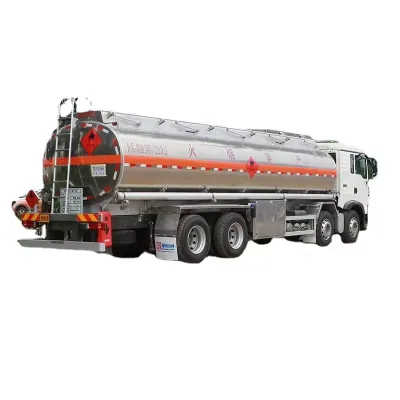
Airport Gas Station diesel Gasoline Crude Oil Transportation 38000 Liters tank Semi-trailer Trucks
$27900.00 - $29800.00
MOQ: 1 pieces
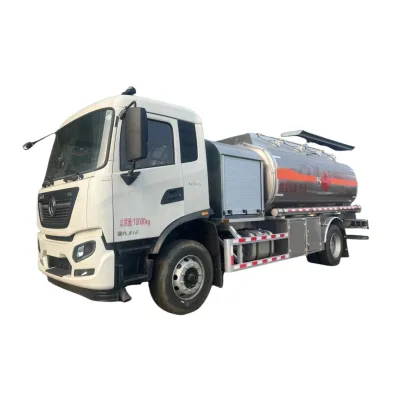
Suizhou Dongzheng Special Automotive Co., Ltd.
- Manufacturer, Trading Company
- Hubei, China
- Lead time10 days
- Avg. response≤ 12h
Main productsgarbage truck,oil tank truck,fire fighting truck,water truck,aerial working platform truck
Main marketsDomestic Market(25.00%), Mid East(10.00%), Southeast Asia(10.00%), North America(5.00%), South Asia(5.00%), Southern Europe(5.00%), Northern Europe(5.00%), Central America(5.00%), Western Europe(5.00%), Eastern Asia(5.00%), Eastern Europe(5.00%), Oceania(5.00%), Africa(5.00%), South America(5.00%)
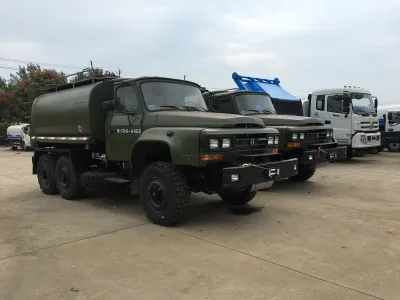
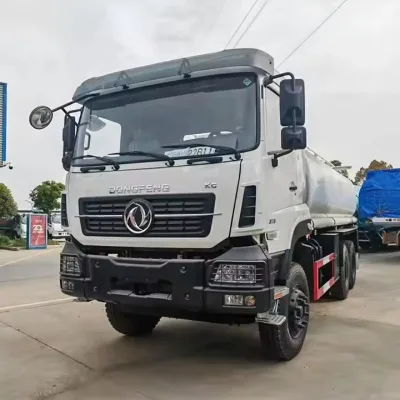
Off Road 6x6 AWD Fuel Delivery Truck for Sale
$38150.00 - $38500.00
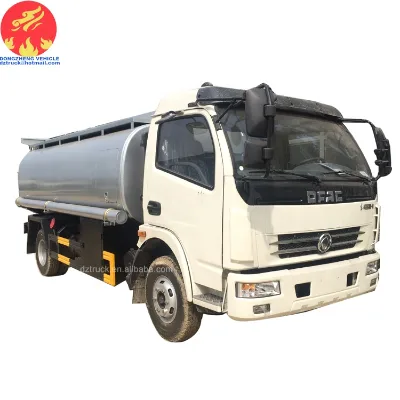
DongFeng 4tons Fuel Delivery Fuel tank Truck for Sale
$16200.00 - $16500.00
Zhejiang Jingyan Technology Co., Ltd.
- Verified by SGS Group
- Trading Company
- Lead time20 days
- Avg. response≤ 3h
Main productsTanker Truck, Van Truck, Garbage Truck, Tow Truck, Water Truck
Main marketsSouth America(30%), Africa(30%), Central America(15%)
Henan Lishixin Logistics Equipment Co., Ltd.
- Trading Company
- Henan, China
- Lead time30 days
- Avg. response≤ 1h
Main productsTank Container,ISO Tank,iso tank container,40 lpg tank container,iso lng container tank
Main marketsEastern Europe(40.00%), Western Europe(12.00%), Southeast Asia(10.00%), Central America(8.00%), Eastern Asia(5.00%), Mid East(5.00%), Northern Europe(5.00%), South America(5.00%), North America(3.00%), Africa(3.00%), Domestic Market(1.00%), South Asia(1.00%), Southern Europe(1.00%), Oceania(1.00%)

Shandong Chengda Auto Sales Co., Ltd.
- Verified by BV
- Combined
- China Shandong
- Lead time30 days
- Avg. response≤ 15h
Main productsContainer Trailer, Flatbed Trailer, Lowbed Semi Trailer, Fuel Tanker Semi Trailer, Bulk Cement Semi Trailer, Dump Semi Trailer, Tractor Truck, Dump Truck, Fuel Tanker Truck, Water Tanker Truck
Main marketsAfrica,Southeast Asia/ Mideast,North America
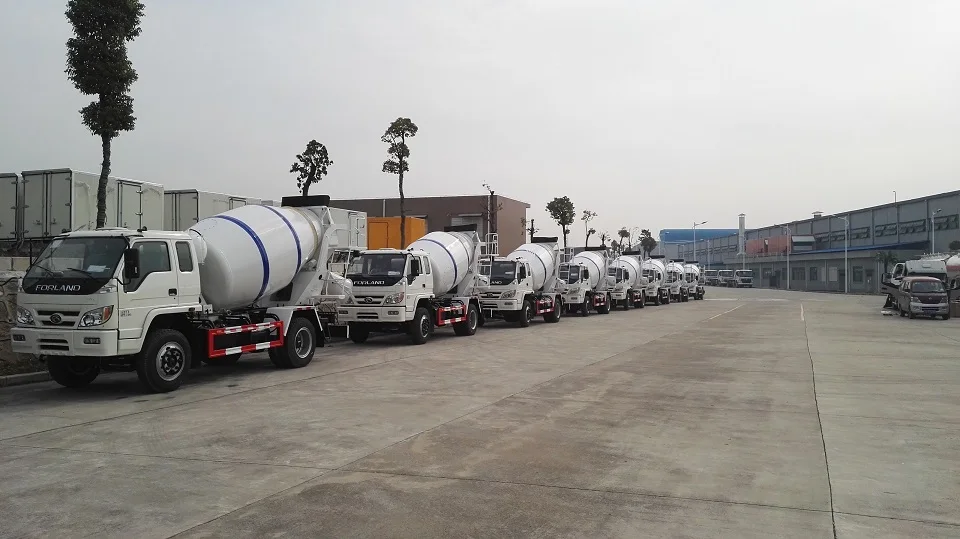
Chusheng Vehicle Group Co.,ltd
- Manufacturer, Trading Company
- Hubei, China
- Lead time20 days
- Avg. response≤ 13h
Main productsDump Truck,Mixer Truck,fuel tanker,water truck,garbage truck
Main marketsAfrica(20.00%), Southeast Asia(20.00%), South America(20.00%), Eastern Asia(20.00%), Mid East(10.00%), North America(1.00%)
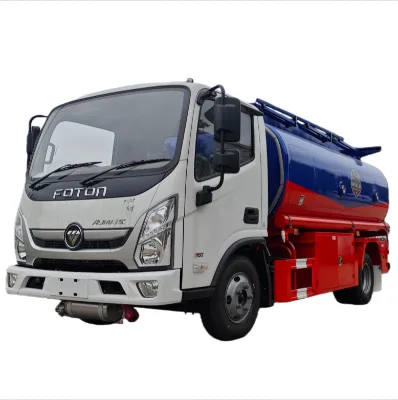
High-Efficiency Compact Mobile Fuel Supply Truck for Emergency Rescue & Disaster Relief
$23598.5782 - $26676.6536
MOQ: 1 pieces
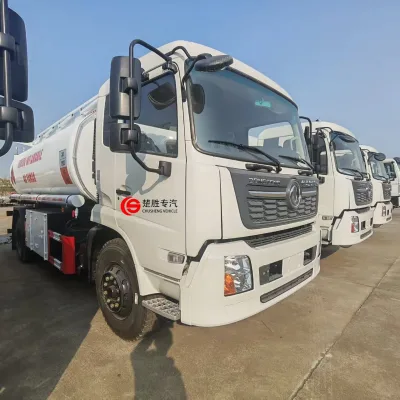
Trucks for Long-distance Petroleum Hauling or Urban Diesel Distribution
$23598.5782 - $25650.6285
MOQ: 1 pieces

Bestar Heavy Industries (Shandong) Co., Ltd.
- Trading Company
- China Shandong
- Lead time23 days
- Avg. response≤ 3h
Main productsDump Truck, Used Trucks, Excavator, Loader, Roller, Semi Trailers, Lowbed, Tanker, Flatbed, Tipper
Main marketsSouth America,Mid East,Southeast Asia,Africa
Chengli Special Automobile Co., Ltd.
- Manufacturer, Trading Company
- Lead time旺季: "1 - 5":10,"> 5":"To be negotiated", 淡季: "1 - 5":10,"> 5":"To be negotiated"
- Avg. response≤ 7h
Main productsSpecial Truck,Pressure Tank,truck crane,vacuum truck,garabge truck
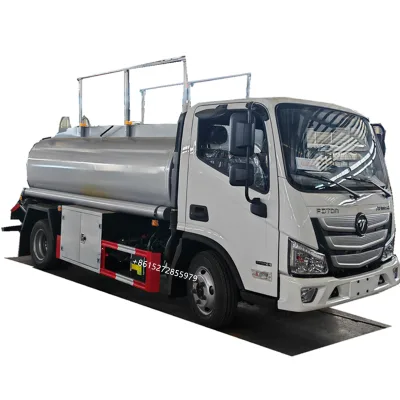
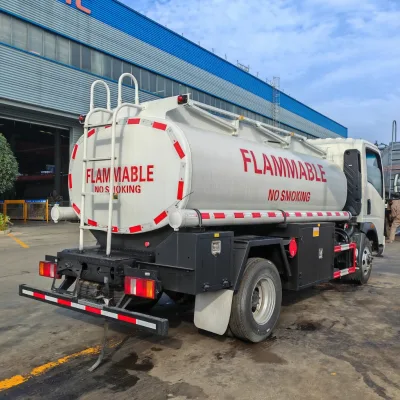
4X2 Right Hand Drive 116hp 5 Cubic Brand New Small Mobile Fuel Dispensing Truck
$16100.00 - $16200.00
Liangshan Aorun Automobile Trading Co., Ltd.
- Verified by Intertek
- Trading Company
- Lead time15 days
- Avg. response≤ 2h
Main productsSemi-Trailers, Used Trailers, Tipper truck dump truck, Dump truck, Oil Tank Truck
Main marketsAfrica(48%), Southeast Asia(21%), Mid East(21%)
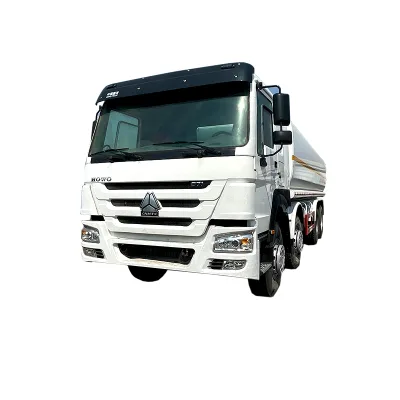
Hot Selling 20 Cubic Meter 10 Wheeled Oil Tanker Truck in Africa for Sale at Low Price
$8225.0986 - $9047.6084
MOQ: 1 pieces


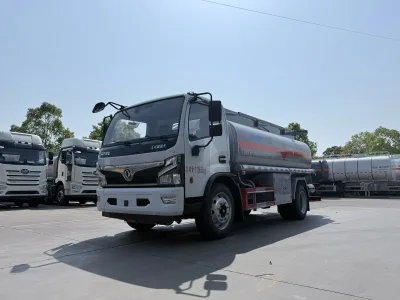
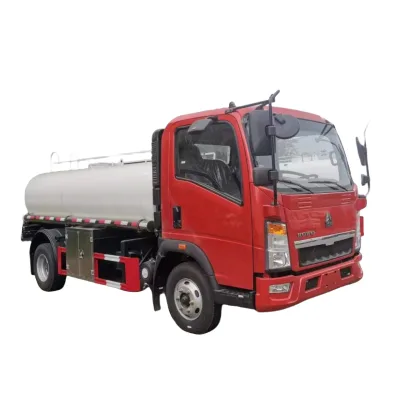


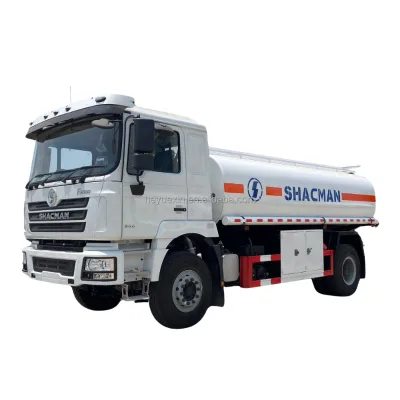
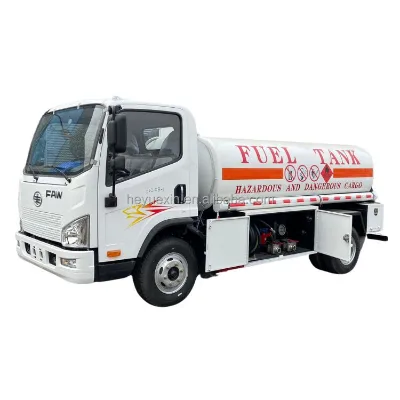


Comprehensive Sourcing Guide
Airport Fuel Oil Delivery Truck Supplier Concentration and Factory Types
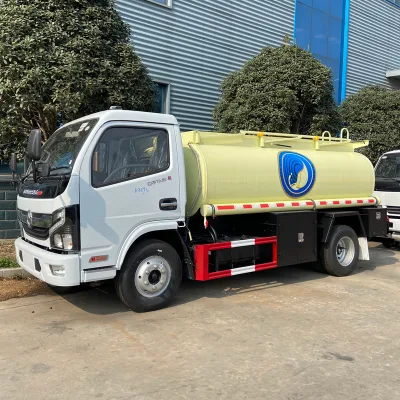
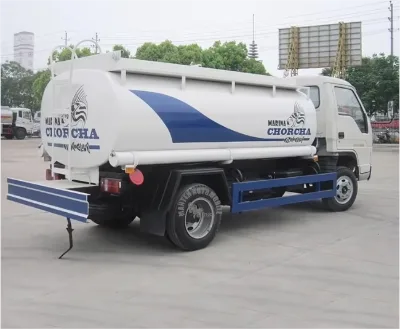
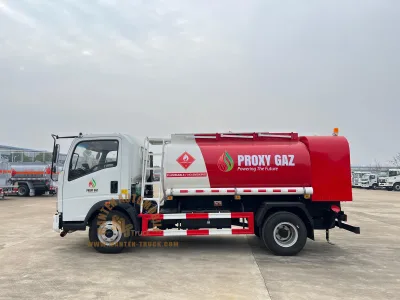
The current supplier landscape for airport fuel oil delivery trucks reveals a distinct concentration in Hubei, China, where manufacturing capabilities are clustered. This geographic focus suggests a specialized industrial ecosystem dedicated to heavy vehicle production and modification. Buyers evaluating these suppliers will find that the region hosts a mix of combined entities, manufacturers, and trading companies. This diversity in company types offers varying levels of control over the production process. Combined companies often blend manufacturing with trading functions, potentially streamlining communication but requiring careful verification of actual production capacity. Manufacturers provide direct oversight of the assembly line, which can be critical for customizing tank specifications or chassis configurations. Trading companies may offer a broader portfolio of vehicles but might lack the technical depth required for complex aviation fuel logistics. Understanding this mix is essential for determining who holds the actual responsibility for quality control and delivery timelines. The presence of both manufacturer and trading company labels in the results indicates that buyers must look beyond the company type to assess the true nature of the supply chain. Some suppliers list main products that include fuel tanks, LPG tanks, and water tanks, suggesting a versatility in tank construction that may translate to better fuel tank durability. Others focus specifically on garbage trucks or sweepers, which might indicate a pivot into the fuel sector or a broader commercial vehicle offering. This variation requires buyers to scrutinize the specific product evidence provided for each supplier to ensure they are dealing with a specialist in aviation fuel logistics rather than a generalist. The concentration in Hubei also implies that logistics and shipping routes may be optimized for this region, potentially affecting lead times and freight costs. Buyers should consider how this geographic clustering impacts their ability to conduct factory audits or visit production sites. Proximity to major ports in the region could facilitate faster export processes, but it also means that competition among local suppliers might drive pricing strategies. Evaluating the specific factory types within this cluster helps buyers align their procurement strategy with their need for customization versus off-the-shelf availability.
How to Verify Airport Fuel Oil Delivery Truck Suppliers
Verifying suppliers requires a rigorous examination of their certifications, response times, and product-specific evidence. The presence of ISO9001:2015 and ISO14001:2015 certificates is a strong indicator of standardized quality management and environmental compliance, which are crucial for handling hazardous materials like aviation fuel. Buyers should request copies of these certificates and verify their validity through the issuing bodies. Additionally, the response time metric provides insight into the supplier’s operational efficiency. A response time of 1.53 hours suggests a highly responsive team, which is vital for resolving technical queries regarding tank volume, horsepower, or emission standards. In contrast, a response time of 6.65 hours may indicate a slower communication loop, potentially delaying critical decision-making during the procurement process. Buyers must also scrutinize the product attributes listed, such as tire certifications (ECE, GCC, ISO, DOT), which are essential for ensuring the vehicle meets international safety standards for airport operations. The condition of the vehicles, typically listed as "New," should be confirmed with photos or videos of the actual production line. Furthermore, the customization availability is a key verification point; buyers should inquire about the extent of modifications possible, such as tank compartmentalization or specific pump systems. The after-sales service provided, including onsite installation and overseas call centers, is another critical factor to verify. Buyers should ask for references or case studies of previous airport fuel truck deliveries to assess the supplier’s track record. It is also important to check the emission standards, such as Euro2/3/4/5, to ensure compliance with local environmental regulations at the destination airport. The drive wheel configuration, whether 4x2 or 6x4, should match the operational requirements of the specific airport environment. Buyers should not rely solely on the listed attributes but should engage in direct technical discussions to validate the supplier’s expertise. This due diligence helps mitigate the risk of receiving vehicles that do not meet the stringent safety and performance standards required for aviation fuel delivery.
What to Compare Across Airport Fuel Oil Delivery Truck Suppliers
When comparing suppliers, buyers should focus on key dimensions such as lead time, MOQ, price, and tank volume capacity. The lead time varies significantly, with some suppliers indicating a 23-day production cycle and others showing 30 days or even 0 days, which may imply ready stock or a different production model. Understanding this variance is crucial for project planning, especially if the airport has urgent fueling needs. The MOQ is consistently listed as 1, offering flexibility for buyers who may only need a single unit for testing or specific operational requirements. Price comparisons reveal a wide range, from approximately $12,450 to $50,000, reflecting differences in chassis quality, tank capacity, and additional features. Buyers should analyze the price-to-specification ratio to determine the best value. For instance, a truck with a tank volume of 15,001-30,000L and 251-350hp may command a higher price but offer greater efficiency for large-scale airport operations. The horsepower and engine capacity are also critical comparison points, as they determine the vehicle’s performance under load. A horsepower range of 150-250hp may be suitable for smaller airports, while 251-350hp is better for heavy-duty applications. The transmission type, whether manual or automatic, should be compared based on driver preference and operational ease. Additionally, the gross vehicle weight and rated load quality are important for ensuring the truck can navigate airport infrastructure without exceeding weight limits. Buyers should also compare the dimensions of the trucks, as larger vehicles may require wider taxiways or specific parking areas. The fuel tank capacity, ranging from 100-200L for auxiliary systems to 20,000L for main storage, should be matched to the specific fueling requirements. By systematically comparing these attributes, buyers can identify the supplier that best aligns with their operational needs and budget constraints. This comparative analysis helps in making an informed decision that balances cost, performance, and reliability.
Common Airport Fuel Oil Delivery Truck Sourcing Risks
Sourcing airport fuel oil delivery trucks involves several risks, including quality inconsistencies, compliance failures, and logistical delays. One major risk is the discrepancy between the listed specifications and the actual vehicle delivered. For example, the tank volume might be listed as 20,000L, but the actual geometric volume could differ, affecting fuel capacity and operational efficiency. Buyers must ensure that the tank construction meets international standards for hazardous material transport. Another risk is the failure to meet emission standards, such as Euro2/3/4/5, which could result in the vehicle being rejected by airport authorities. Buyers should verify the emission certification documents before finalizing the purchase. Additionally, the condition of the vehicle, while listed as "New," may have hidden defects if the supplier has a poor quality control process. The risk of delayed delivery is also significant, especially if the supplier has a long lead time or faces production bottlenecks. Buyers should establish clear delivery terms and penalties for delays in the contract. Another risk is the lack of adequate after-sales support, which can lead to prolonged downtime if the vehicle requires maintenance or repairs. Suppliers claiming to provide onsite installation and overseas call centers should be verified for their actual capability to deliver these services. The risk of using non-compliant tires, such as those lacking ECE or DOT certification, can also lead to safety issues and regulatory penalties. Buyers should ensure that all components, including the pump system and piping, are made from materials suitable for aviation fuel. The risk of incorrect customization, such as wrong tank compartmentalization, can render the vehicle unusable for its intended purpose. Finally, the risk of financial loss due to currency fluctuations or payment terms should be managed through secure payment methods like escrow. By identifying and mitigating these risks, buyers can ensure a smoother procurement process and receive a vehicle that meets all operational and safety requirements.
Airport Fuel Oil Delivery Truck Regional Sourcing and Logistics
Regional sourcing from Hubei, China, offers both advantages and challenges for buyers. The concentration of suppliers in this region creates a competitive market, which can lead to better pricing and faster production times. However, it also means that buyers must navigate a dense network of manufacturers and trading companies, requiring careful selection to avoid middlemen who may add unnecessary costs. Logistics from Hubei to international destinations involve complex shipping arrangements, as these trucks are large and heavy vehicles. Buyers should consider the impact of transportation mode, whether by sea or land, on the overall cost and delivery time. Sea freight is typically more cost-effective for large volumes but may have longer transit times. Land transport within China to the port of departure is also a factor, as Hubei is inland, requiring efficient rail or road connections to coastal ports. The packaging of the trucks, often listed as standard export packing, must be robust enough to prevent damage during transit. Buyers should verify the packing details to ensure that critical components, such as the fuel pump and control systems, are well-protected. The dimensions of the trucks, such as 6900x2200x2900 mm, must be considered when planning for container loading or bulk shipping. Buyers should also account for customs clearance procedures in the destination country, which can vary significantly. Understanding the import regulations for hazardous material transport vehicles is crucial to avoid delays at the border. The regional sourcing strategy should also include plans for local maintenance and spare parts supply, as these trucks require specialized servicing. Buyers should evaluate the supplier’s ability to provide technical documentation and training for local operators. By carefully planning the logistics and understanding the regional dynamics, buyers can optimize the sourcing process and ensure timely delivery of the airport fuel oil delivery trucks.
Airport Fuel Oil Delivery Truck Commercial Terms and Order Planning
Commercial terms and order planning are critical for successful procurement of airport fuel oil delivery trucks. Buyers should negotiate clear payment terms, such as a deposit followed by balance payment upon shipment or inspection. Using escrow services can provide an additional layer of security for both parties. The order planning should include a detailed timeline for design approval, production, testing, and delivery. Given the lead times of 23 to 30 days, buyers should plan their orders well in advance to avoid operational disruptions. The MOQ of 1 allows for flexible ordering, but buyers should consider the economies of scale if multiple units are needed. Price negotiations should take into account the specific configurations, such as tank volume and horsepower, as these significantly impact the final cost. Buyers should also clarify the warranty terms and the scope of after-sales service, including the availability of spare parts. The customization options available should be defined in the contract to ensure that the final product meets the specific requirements of the airport. Buyers should also plan for the installation and commissioning of the trucks, which may require technical support from the supplier. The transportation and insurance costs should be clearly defined, with responsibilities allocated to either the buyer or the seller. Buyers should also consider the total cost of ownership, including fuel consumption, maintenance, and potential downtime. By carefully planning the commercial terms and order process, buyers can minimize risks and ensure a smooth transaction. This proactive approach helps in building a strong relationship with the supplier and securing a reliable supply of airport fuel oil delivery trucks.
FAQs
What is the typical minimum order quantity for an Airport Fuel Oil Delivery Truck?
Listings for these trucks commonly show a minimum order quantity of just one unit, since each vehicle is a high-value capital purchase. Some suppliers may accept single-unit trial orders to build a relationship, while larger fleets can negotiate batch pricing. Always confirm the MOQ in writing before placing an order, as requirements can differ between listings and suppliers.
How long does production and delivery of a fuel oil delivery truck usually take?
Among suppliers on this page, stated lead times range from about 23 days to 30 days. The exact schedule depends on chassis availability, tank configuration, and customization requests, so a bespoke aircraft refueler can take longer than a standard model. Ask each supplier for a written production timeline and confirm shipping arrangements before you commit to a purchase.
Where are these airport fuel oil delivery trucks manufactured?
The suppliers featured here are based in Hubei, China, a region known for specialized vehicle manufacturing including tanker and municipal trucks. Sourcing from Hubei gives buyers access to manufacturers that produce fuel tankers, aircraft refuelers, and related commercial vehicles. Verify the exact factory address, export experience, and loading port when you contact any supplier directly.
What tank capacities are available for aircraft fuel delivery trucks?
Listed configurations cover a wide range: some tank trucks are rated below 5000 liters, while larger models fall in the 15001 to 30000 liter class. One aviation refueler listing shows a tank geometric volume of 20000 liters, and another aircraft fuel truck lists 8.5 cubic meters. Match tank size to your airport's daily fueling volume and aircraft types before ordering.
How much does an Airport Fuel Oil Delivery Truck cost?
Prices in the current listings span roughly from 12,450 US dollars for smaller oil delivery trucks to about 50,000 US dollars for a specialized aviation fuel truck. Final pricing depends on tank capacity, chassis brand, dispensing equipment, and customization level. Request itemized quotations that separate the chassis, tank body, pumping system, and export packing to compare offers fairly.
Can these fuel delivery trucks be customized for specific airport operations?
Yes, several listings state that customization is available, and at least one supplier advertises OEM and ODM capability alongside its own brand. Common options include tank volume, pump and metering systems, hose reels, and left-hand or right-hand drive. Describe your airport's fueling workflow, local regulations, and climate conditions so the supplier can propose a suitable configuration before quoting.
What certifications should I check before importing a fuel tanker truck?
One supplier on this page holds ISO9001:2015 and ISO14001:2015 quality and environmental management certificates, which is a useful baseline indicator. For road use you should also confirm the emission standard, listed by some suppliers as Euro 2 through Euro 5, plus tire certifications such as ECE, GCC, ISO, or DOT. Always request valid certificate copies and verify their authenticity with the issuing body.
How quickly do these suppliers respond to buyer inquiries?
Response times recorded for suppliers on this page range from about 1.5 hours to roughly 6.7 hours, so most inquiries receive replies within one business day. Faster responders can speed up quotation, specification discussions, and order confirmation. Send a detailed initial inquiry covering tank volume, chassis preference, and destination port to get an accurate and complete first response.