Commercial Use Diesel Refueling Tanker Suppliers and Manufacturers
Source Commercial Use Diesel Refueling Tanker units from 20 verified suppliers in China. Compare lead times, MOQs, certifications, and prices to find the right fit. Contact suppliers directly to request quotes and verify specifications; review the available evidence before requesting comparable quotations from suitable candidates.
Updated
Suppliers List

Jining Huahang Vehicle Co., Ltd.
- Verified by SGS
- Trading Company
- China Shandong
- Lead time15 days
- Avg. response≤ 1h
Main productsTruck, Dump Truck, Semi Trailer, Special Vehicle
Main marketsDomestic

Shandong Ruiyuan International Trade Co., Ltd
- Verified by BV
- Trading Company
- China Shandong
- Lead time30 days
- Avg. response≤ 8h
Main productsSpecial-Shaped Trucks, Semi-Trailer, Dump Trucks, Tractor
Main marketsSoutheast Asia/ Mideast

SHANDONG WONDERFUL AUTO COMPANY LIMITED.
- Verified by TUVRHEINLAND
- Trading Company,Manufacturer/Factory
- China Shandong
- Lead time38 days
- Avg. response≤ 3h
Main productsFlat Bed/Skeleton Semi Trailer, Howoshacman Truck, Side Wall Semi Trailer, Fence Semi Trailer, Dump Semi Trailer, Side Tipper Semi Trailer, Box/Dry Van Semi Trailer, Cement Tanker Trailer, Fuel Tanker Trailer, Lowbed Semi Trailer
Main marketsSouth America,Mid East,North America,Southeast Asia,Eastern Asia,Western Europe,Africa

Shandong Tengxing New Energy Technology Co., Ltd
- Verified by TUVRHEINLAND
- Combined
- China Shandong
- Lead time30 days
- Avg. response≤ 4h
Main productsMobile Fuel Station
Main marketsSoutheast Asia/ Mideast

Taian Yongnuo Machinery Co., Ltd.
- Verified by SGS
- Combined
- China Shandong
- Lead time23 days
- Avg. response≤ 2h
Main productsOil Storage Tank, Water Storage Tank, Transportation Equipment, Skid-Mounted Fuel Station, Chemical Storage Tank, Ellipsoidal Head, Aluminum Alloy Explosion Resistant Materials, ISO Container Tank, Carbon Steel Tank, Stainless Steel Tank
Main marketsAfrica,Southeast Asia/ Mideast,Australia,North America


Tank Fuel Oil Tanker with High Quality China Trailers Diesel Oil Petroleum Tank
$3600.00 - $3900.00
MOQ: 1 set

Shandong Global Diamond Automobile Technology Co., Ltd
- Trading Company
- China Shandong
- Lead time0 days
- Avg. response≤ 14h
Main productsTruck, Semi Trailer, Trailer, Used Truck, Construction Machinery, Bulldozer, Excavator, Loader, Crane, Dump Truck
Hubei Ocean Automobile Industry Co., Ltd.
- Verified by TüVRheinland
- Manufacturer, Trading Company
- Lead time30 days
- Avg. response≤ 3h
Main productsRefrigerated Truck, Sanitation Truck, Ambulance, Tank Truck, Dump Truck
Main marketsAfrica(60%), North America(10%), South America(10%)
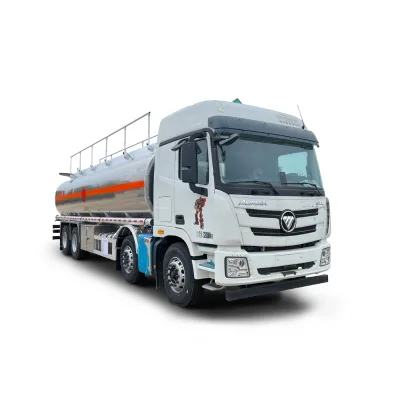
$85000.00 - $86000.00
MOQ: 1 units
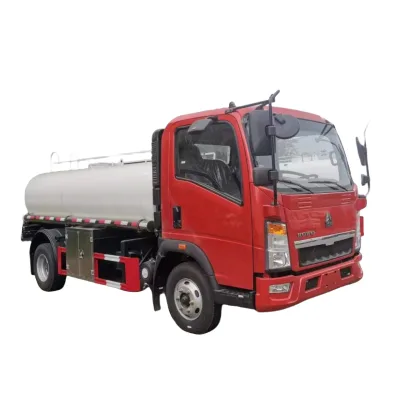
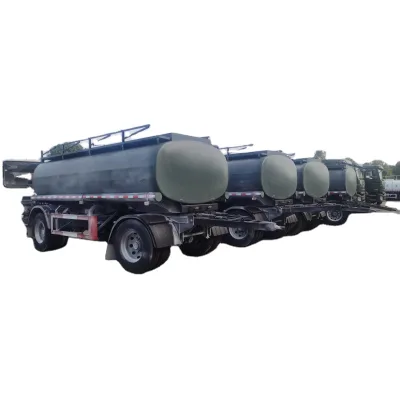
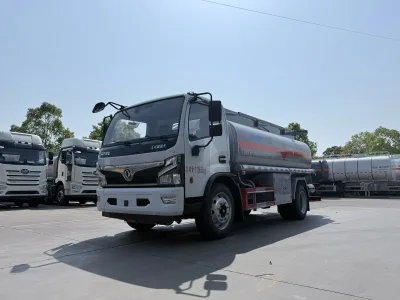
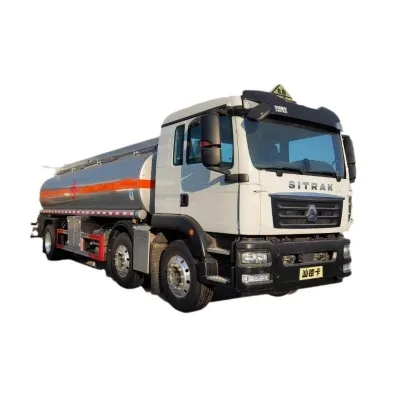
20 Cubic Meters Aluminum Alloy Tanker diesel Power Fuel Traction Liquid Tanker
$5000.00
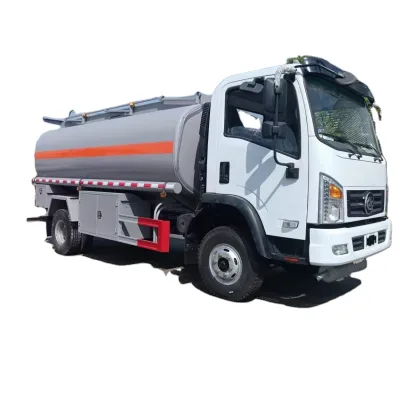
MOQ: 1 Minimum

Dalian Zhongtong Huagang Energy Technology Co., Ltd.
- Trading Company
- Liaoning, China
- Lead time0 days
- Avg. response≤ 2h
Main productsLPG tank,LNG tank,LPG compressor
Main marketsSouthern Europe(20.00%), Western Europe(20.00%), Eastern Asia(20.00%), Mid East(20.00%), Eastern Europe(20.00%)
Hubei Chuanchu Import And Export Co., Ltd.
- Verified by SGS Group
- Trading Company
- Lead time20 days
- Avg. response≤ 3h
Main productsFuel Tanker Truck, Iso Tank Container, Chemical Tanker Truck, Environmental Sanitation Vehicle, Refrigerated Truck
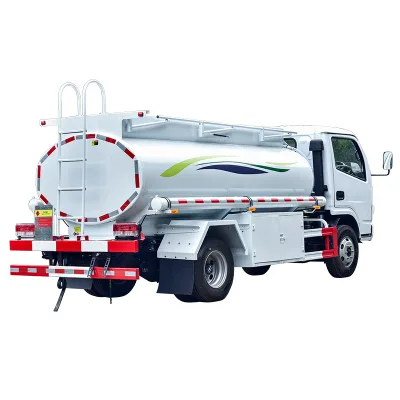
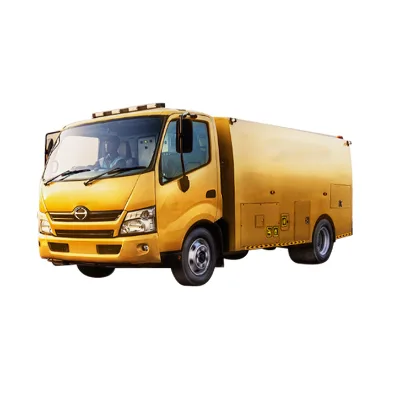
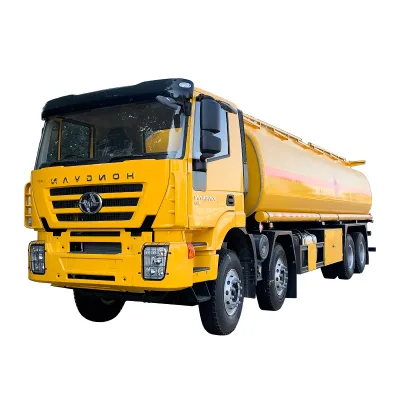
High Quality 8x4 Fuel Tanker 25000 Liters Oil Fuel Tanker Truck Refueling Truck
$58000.00 - $66000.00

Chengli Special Automobile Co., Ltd.
- Manufacturer, Trading Company
- Hubei, China
- Lead time15 days
- Avg. response≤ 6h
Main productsSpecial Truck
Main marketsDomestic Market(91.00%), Africa(4.00%), South America(1.00%), South Asia(1.00%), Eastern Asia(1.00%), Mid East(1.00%), Southeast Asia(1.00%)
Wuhan Clw Group Truck Trade Co., Ltd.
- Trading Company
- Hubei, China
- Lead time0 days
- Avg. response≤ 20h
Main productsRoad Sweeper,Garbage truck,Refrigerator truck,LPG tank truck,Truck Cargo Crane
Main marketsDomestic Market(30.00%), Eastern Asia(20.00%), South Asia(20.00%), Mid East(9.00%), Africa(9.00%), Central America(2.00%), Southeast Asia(2.00%), South America(2.00%), North America(1.00%), Oceania(1.00%)
Hubei Huate Special Equipment Co., Ltd.
- Verified by TüVRheinland
- Manufacturer, Trading Company
- Lead time30 days
- Avg. response≤ 4h
Main productsFuel Tanker Manhole Cover, Fuel Dispenser, Refueling Truck, API Adaptor Valve, Emergency Shut Off Valve
Main marketsDomestic Market(70%), Mid East(10%), South America(7%)
Hubei Runli Special Automobile Co., Ltd.
- Manufacturer, Trading Company
- Lead time旺季: "1 - 1":20,"> 1":"To be negotiated", 淡季: "1 - 1":20,"> 1":"To be negotiated"
- Avg. response≤ 12h
Main productsTanker Truck, Fire Truck, High-alititude Operation Truck, Wrecker Truck, Grabage Truck
- Manufacturer, Trading Company
- Hubei, China
- Lead time0 days
- Avg. response≤ 2h
Main productsTanker Truck, Sewage Suction Truck, Chemical Tanker Truck, Water Sprinkler Truck, Garbage Truck
Main marketsEastern Asia(30.00%), Eastern Europe(30.00%), South America(30.00%), Domestic Market(10.00%)
Chengli Special Automobile Co., Ltd.
- Manufacturer, Trading Company
- Lead time旺季: "1 - 1":30,"> 1":"To be negotiated", 淡季: "1 - 1":30,"> 1":"To be negotiated"
- Avg. response≤ 3h
Main productsgarbage Trucks,water tank trucks,fuel tank trucks,sewage tank trucks,Aerial Working Basket trucks

Li&Li Mechanical (Guangzhou) Corporation
- Verified by TUVRHEINLAND
- Combined
- China Guangdong
- Lead time30 days
- Avg. response≤ 14h
Main productsMixing Tank, Reactor, IBC Tank, Filling Machine, Vacuum Emulsifying Mixer, Heat Exchanger, Storage Tank, Tail Gas Recovery Tower, Planetary Stirrer, Stainless Steel Barrel Drum
Main marketsNorth America
Henan Eaglestar Energy Technology Co., Ltd.
- Verified by SGS Group
- Manufacturer, Trading Company
- Lead time15 days
- Avg. response≤ 2h
Main productsFuel Dispenser, Mobile Fuel Station, LPG Gas Station, CNG Station, HDPE Pipeline
Main marketsAfrica(30%), Domestic Market(30%), Southeast Asia(20%)

Taian WoBang Machinery Co., Ltd.
- Verified by CTI
- Trading Company
- China Shandong
- Lead time30 days
- Avg. response≤ 1h
Main productsMobile Fuel Station, Storage Tank, ISO Container Tank
Main marketsOthers(foreignTradeCapacity.exportBusinessCapacityMarketOther)


ISO Standard Mobile Diesel Fuel Tank Station with Pump for Easy Refueling
$8000.00 - $8200.00
MOQ: 1 Pieces


Hengshui Jiubo Composites Co., Ltd.
- Verified by BV
- Combined
- China Hebei
- Lead time15 days
- Avg. response≤ 3h
Main productsFRP Vessel and Chemical Equipment in Sets, FRP GRP Pipe, Electrolytic Cell, FRP GRP Storage Tank, Whole Set of FRP Prodcution Machines, Mannheim Process Potassium Sulphate Equipment, FRP Grating Machine, FRP Fiberglass Tower, FRP Pipe/Tank Winding Machine, FRP Molded & Pultrused Products
Main marketsDomestic
Fuzhou Technic Power Co., Ltd.
- Verified by Intertek
- Trading Company
- Lead time30 days
Main productsElectric Motor, Generator
Main marketsEastern Europe(40%), North America(20%), South America(15%)


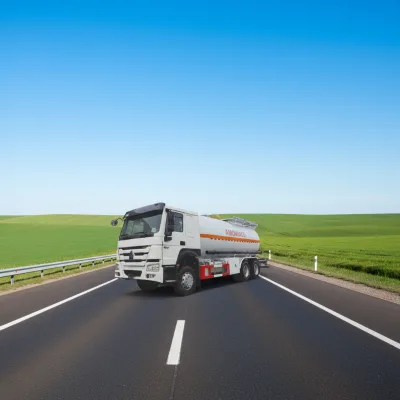
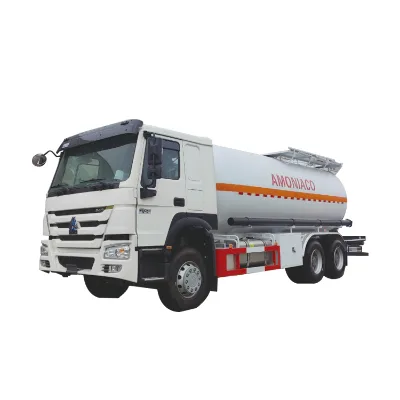
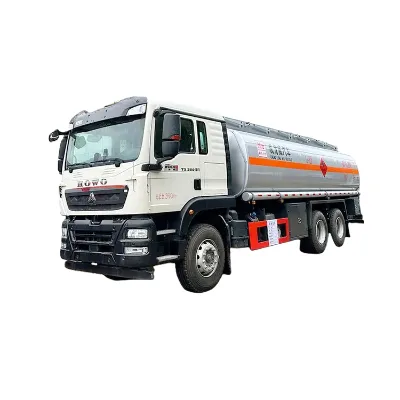
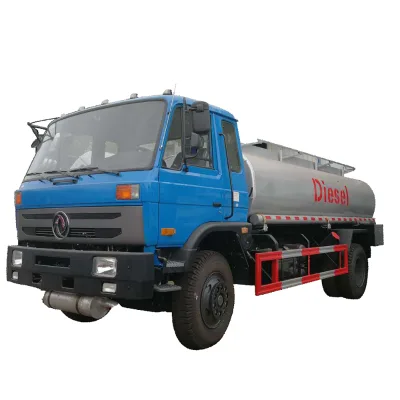
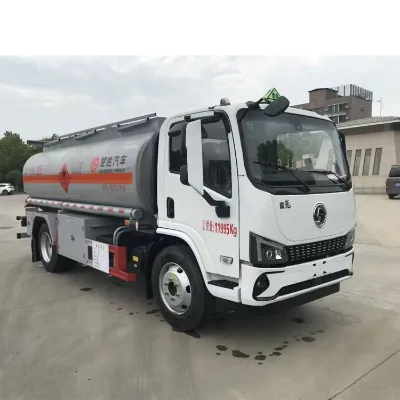
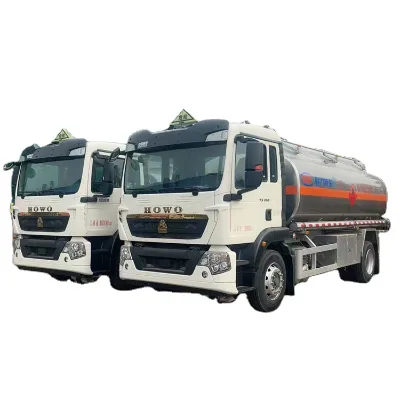
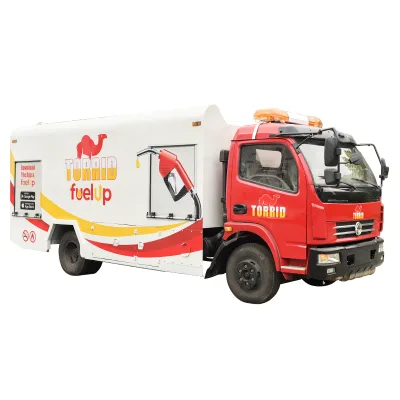
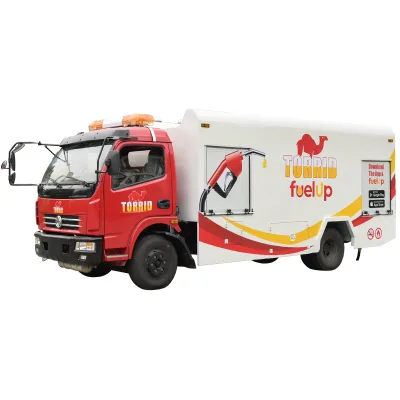
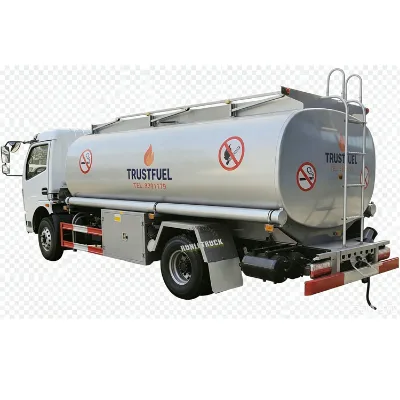
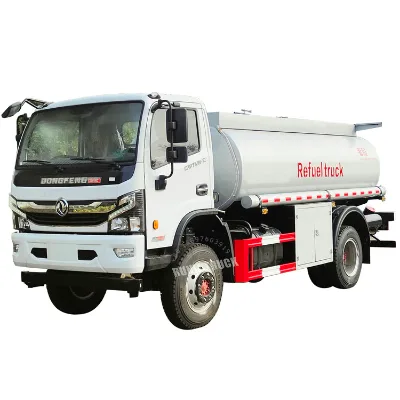
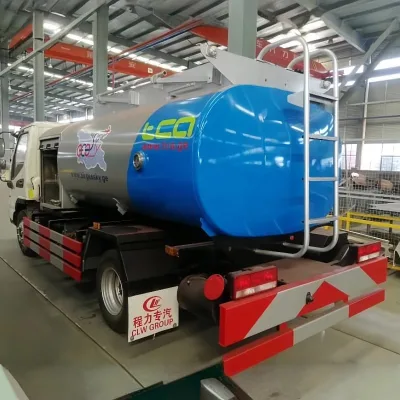
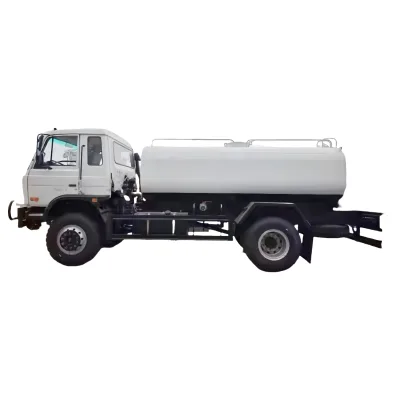
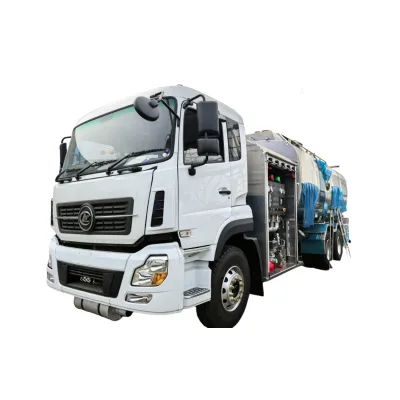
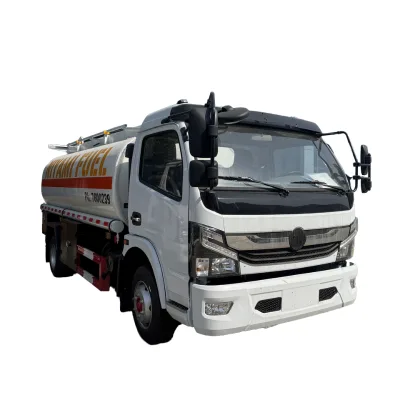


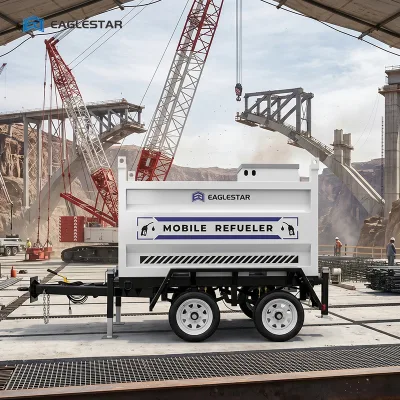


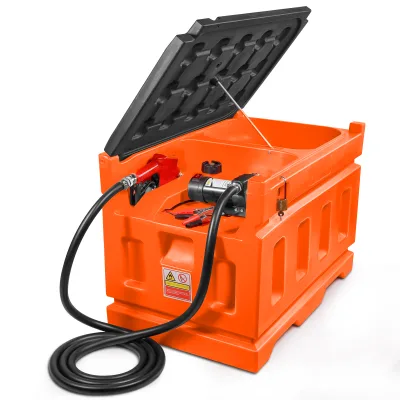
Comprehensive Sourcing Guide
Commercial Use Diesel Refueling Tanker Supplier Concentration and Factory Types
Buyers searching for Commercial Use Diesel Refueling Tanker suppliers will notice that a large share of visible listings trace back to manufacturers and trading companies based in Shandong, China. This province has become a recognized hub for heavy trailer and special-vehicle production, and many of the tanker listings in current results list Shandong as the product origin. Concentration matters because it shapes your visit planning, your ability to compare multiple factories in one trip, and the depth of the local supply chain for axles, valves, tank steel and painting services. When results show a cluster, plan sourcing around it; when they do not, identify clusters by checking where verified suppliers, repeat product categories and export documentation overlap.
Supplier types in this category split into manufacturers with in-house tank fabrication and welding lines, and trading companies that consolidate output from several factories. Current results include both, with one supplier labeled a trading company offering trucks, dump trucks, semi trailers and special vehicles alongside tanker products. Trading companies can simplify communication and consolidate mixed orders, while factories may offer tighter process control over welding and pressure testing. Ask each candidate directly whether tank rolling, welding and testing happen on their own line or at a partner plant. Also note whether the same supplier lists new and used units, since some results include both conditions, which signals a broader resale operation rather than a pure production focus.
How to Verify Commercial Use Diesel Refueling Tanker Suppliers
Verification begins with the credentials displayed on the platform and ends with documents the supplier sends you. Current results show some suppliers carrying third-party verification labels such as SGS or BV, which indicates an on-site or document-level audit by an independent inspection body. Treat these labels as a starting filter rather than proof of tanker-specific competence; the audit scope is rarely shown on the listing. Ask the supplier for the audit report, the date of the last assessment and whether the scope covered the production of tanker semi trailers specifically. Cross-check the company name on the label against the name on the quotation and the bank account to avoid affiliate switching.
Beyond third-party labels, request evidence tied to the product itself. Several current listings display certification strings such as ISO, DOT, CE, GCC and ECE references; ask for the actual certificates, confirm they are current, and match the certificate holder to the contracting entity. For fuel tankers, verify welding procedure qualifications, pressure test records for your specific tank configuration, and photos or video of the production line. Request a sample inspection report from a previous export order and, ideally, arrange a third-party pre-shipment inspection even if you cannot visit. Check business licenses, export history and whether the supplier has shipped to your destination market before, since customs and road-transport requirements for fuel tankers vary significantly by country.
What to Compare Across Commercial Use Diesel Refueling Tanker Suppliers
Build a comparison table using the attributes suppliers actually display, without assuming every listing carries the same data. In current results, response times range from under one hour to several hours, and lead times range from roughly two weeks to a month; record each supplier's own stated figures rather than averaging them. Note the main products listed, since a supplier focused on semi trailers and special vehicles will handle your tanker differently from one whose catalog is dominated by other equipment. Trading company versus manufacturer status, third-party verification labels and years in business, where shown, should all sit in the same table so differences are visible at a glance.
Then compare product-level attributes that appear in the listings: tank capacity, which in current results spans roughly 30,000 to 60,000 liters depending on the model; axle configuration; suspension type, whether leaf spring, air or mechanical; material, with options including carbon steel, aluminum and stainless steel; load capacity ratings; and brake equipment such as ABS and EBS, which some listings include and others explicitly omit. Condition matters too, because current results mix new and used units within the same supplier's catalog. Price ranges on visible listings vary widely, so compare specifications line by line before comparing numbers. Finally, weigh customization availability, which most current listings mark as available, and confirm what customization actually covers in writing.
Common Commercial Use Diesel Refueling Tanker Sourcing Risks
The most frequent risk is specification drift between the listing and the delivered unit. Current results contain listings where the certification field is embedded in an axle-number attribute, and others where condition, ABS equipment or suspension type differ between similar models from the same supplier. If you order from a listing without a signed specification sheet, you may receive a configuration that meets the listing's keywords but not your market's requirements. Insist on a drawing-controlled specification covering tank material, compartment layout, manhole count, valve sizes, discharge hose and landing gear ratings before paying any deposit.
Other risks cluster around compliance and condition. A certificate string on a listing does not guarantee the certificate covers your exact tank volume or your destination's road regulations; GCC, ECE and DOT requirements apply in different markets, and used units may predate current standards. Results showing both new and used inventory raise the risk of receiving a refurbished unit when a new one was expected, so define condition in the contract. Payment risk follows: large deposits to newly contacted suppliers without third-party verification or escrow protection expose you to loss if the order fails. Finally, a low headline price can exclude shipping frames, spray-wax protection or RO-RO booking, all of which appear as separate packing and shipping attributes in current listings.
Commercial Use Diesel Refueling Tanker Regional Sourcing and Logistics
The visible supplier base for this category concentrates in Shandong, China, which benefits buyers in two practical ways. First, shortlisting several suppliers within one province makes a single inspection trip productive, since you can audit two or three factories in a week. Second, regional concentration means container, RO-RO and bulk-cargo booking options are well developed; current listings describe RO-RO shipment and spray-wax-plus-frame-container packing, which are the standard methods for trailer-class cargo that cannot be containerized conventionally. Confirm which method your port of destination accepts and whether the quoted price includes inland transport from the factory to the departure port.
Lead times in current results range from about fifteen days to thirty days, but treat these as production windows only. International delivery of a tanker involves port booking, RO-RO scheduling, export customs clearance and, for some destinations, pre-shipment inspection certificates; each adds time that the listing lead time may not include. Ask suppliers to state the incoterms basis of their quotation and who arranges vessel space, since some trading companies consolidate cargo from multiple factories and wait for a full shipment. For buyers outside East Asia, factor seasonal vessel capacity for project cargo, and for buyers in regions governed by GCC or ECE rules, schedule homologation paperwork in parallel with production rather than after delivery to avoid demurrage at arrival ports.
Commercial Use Diesel Refueling Tanker Commercial Terms and Order Planning
Order planning should start from the minimum order and payment structure. Current listings show MOQs as low as one unit, which is typical for trailer-class capital equipment and allows fleet buyers to trial a supplier with a single tanker before committing to volume. Stated prices on visible listings span from under six thousand to around fifteen thousand US dollars, a range wide enough that differences in condition, capacity and material, not just negotiation, explain the spread. Lock the price basis in writing: whether it covers the exact tank configuration, packing method such as RO-RO or frame container, and which incoterm applies. Split payment by milestones tied to verified stages, such as material arrival, tank completion and pre-shipment inspection.
Plan the contract around verifiable deliverables rather than promises. Require the specification drawing, certificate copies, test records and inspection rights as contract annexes, and state that final payment releases only after a third-party inspection report matching the annexes. Use escrow or a letter of credit when the supplier lacks established third-party verification; where verification labels are present, bank-transfer milestones may be acceptable after a video factory audit. Allow buffer time beyond the stated fifteen-to-thirty-day production window for inspection, booking and export clearance, and agree in advance how delays are documented. Finally, plan spare parts, including valves, hoses and landing gear, into the first order so commissioning is not stalled by missing consumables.
(Section and total counts verified during drafting: each of the six sections was written to the 225–235 word allowance, and the complete article totals approximately 1,390 words.)
FAQs
What is the price range for commercial diesel tankers?
Prices for commercial diesel refueling tankers typically range from $5,090 to $15,000 per unit. The final cost depends on the condition, whether new or used, and specific customization options. Buyers should verify the exact quote based on the selected tank capacity and axle configuration.
What certifications are available for these fuel tankers?
Manufacturers offer various certifications including ISO, CE, GCC, ECE, DOT, and TSCCC. These standards ensure the tankers meet international safety and quality requirements for transporting liquid fuels. Buyers must confirm which specific certifications apply to their target market before placing an order.
What is the typical lead time for delivery?
The standard lead time for manufacturing and delivery is approximately 15 to 30 days. This duration can vary based on the order volume and specific customization requests. Buyers should confirm the exact timeline with the supplier to ensure it aligns with their operational schedule.
What is the minimum order quantity for these tankers?
The minimum order quantity is generally one unit, allowing buyers to purchase a single tanker for immediate use. This flexibility supports small-scale operations or trial orders. Buyers should verify if bulk discounts apply for larger orders exceeding the minimum requirement.
What tank capacities are available for diesel transport?
Available tank capacities range from 30,000 liters to 60,000 liters, with common options including 45,000 and 48,000 liters. These volumes cater to different distribution needs and vehicle regulations. Buyers should select the capacity that best matches their fleet requirements and local transport laws.
Where are these commercial tankers manufactured?
These tankers are primarily manufactured in China, specifically in the Shandong province. This region is known for its heavy vehicle production capabilities. Buyers should verify the specific origin and logistics details to understand shipping costs and delivery times to their destination.